
Last Updated on July 27, 2026 by Daniel Globe
Buenos Aires, the vibrant capital of Argentina, seamlessly blends European architectural elegance with a passionate Latin American spirit. Renowned for its rich tango traditions, historic neighborhoods, mouthwatering cuisine, and world-class street art, the city offers an unforgettable travel experience. Whether you are exploring historic mausoleums, cruising tranquil river deltas, or savoring a world-famous steak, this guide highlights the essential things to do in Buenos Aires for an unforgettable journey.
Quick Answer
The top things to do in Buenos Aires include watching an authentic tango show in San Telmo, visiting Eva Perón’s tomb in Recoleta Cemetery, admiring colorful street art in Palermo, taking a day trip to the Tigre Delta, and enjoying a traditional Argentine asado steak dinner.
Key Takeaways
- Experience authentic Argentine culture through tango shows in San Telmo and traditional asado dining at top local parrillas.
- Explore iconic historic neighborhoods, including the mausoleums of Recoleta, the colorful street art of Palermo, and the vivid alleyways of La Boca.
- Escape the bustling city with a scenic day trip to the island canals of the Tigre Delta, ideal for boat tours and nature viewing.
- Plan ahead for city transit using a SUBE card, and book major historical site tickets in advance.
At a Glance: Planning Your Buenos Aires Trip
| Recommended Time | 4 to 7 days |
| Best Time to Visit | Spring (September–November) & Autumn (March–May) |
| Getting Around | Subte (Metro), local buses (Colectivos), ride-shares, and walking |
| Key Highlights | Tango shows, Recoleta Cemetery, Palermo Street Art, Asado, Tigre Delta |
Disclosure: As an Amazon Associate I earn from qualifying purchases. Some links on this page are affiliate links, at no extra cost to you.
Immerse Yourself in Argentine Tango Culture
Tango, a passionate and intricate dance form that originated in the late 19th century in the working-class neighborhoods of Buenos Aires, is an essential part of Argentine culture. Visitors to the city can immerse themselves in this vibrant tradition by attending tango shows or participating in classes. Renowned venues such as El Querandí and Café Tortoni offer captivating performances that showcase the elegance and intensity of tango.
These shows often feature professional dancers who perform breathtaking routines, accompanied by live music from talented musicians playing traditional instruments like the bandoneón, a type of accordion central to tango music. For those eager to learn the dance themselves, numerous tango schools throughout Buenos Aires provide classes for all skill levels. From beginners to advanced dancers, these classes teach the fundamental steps and techniques of tango.
Notable schools like La Viruta and DNI Tango offer a welcoming atmosphere where students can practice their moves and connect with fellow enthusiasts. The experience of learning tango in its birthplace is unparalleled; it allows participants to grasp both technical aspects and cultural significance. Many classes culminate in milongas, social dance events where students showcase their skills and enjoy the communal spirit of tango.
Pro Tip: Visit a local milonga late at night (around 11:00 PM or later) to see authentic local social dancing rather than just staged tourist performances.
Visit the Historic Recoleta Cemetery
The Recoleta Cemetery is one of Buenos Aires’ most iconic landmarks, renowned for its elaborate mausoleums and rich history. Established in 1822, this cemetery is the final resting place of many notable figures, including Eva Perón, Argentina’s beloved First Lady. The cemetery’s layout resembles a small city, with narrow streets lined with ornate tombs and statues that reflect various architectural styles, from neoclassical to Art Deco.
As visitors wander through the winding paths, they encounter impressive family vaults adorned with intricate carvings and sculptures, each telling a story of the individuals interred within. A visit to Recoleta Cemetery is an opportunity to delve deep into Argentina’s political and cultural history, housing military leaders, presidents, and celebrated artists.
Guided tours are available, providing rich context on Argentine society and notable historical figures. The cemetery’s serene atmosphere, combined with its artistic beauty, makes it a must-visit destination when exploring the capital.
Explore Vibrant Street Art in Palermo
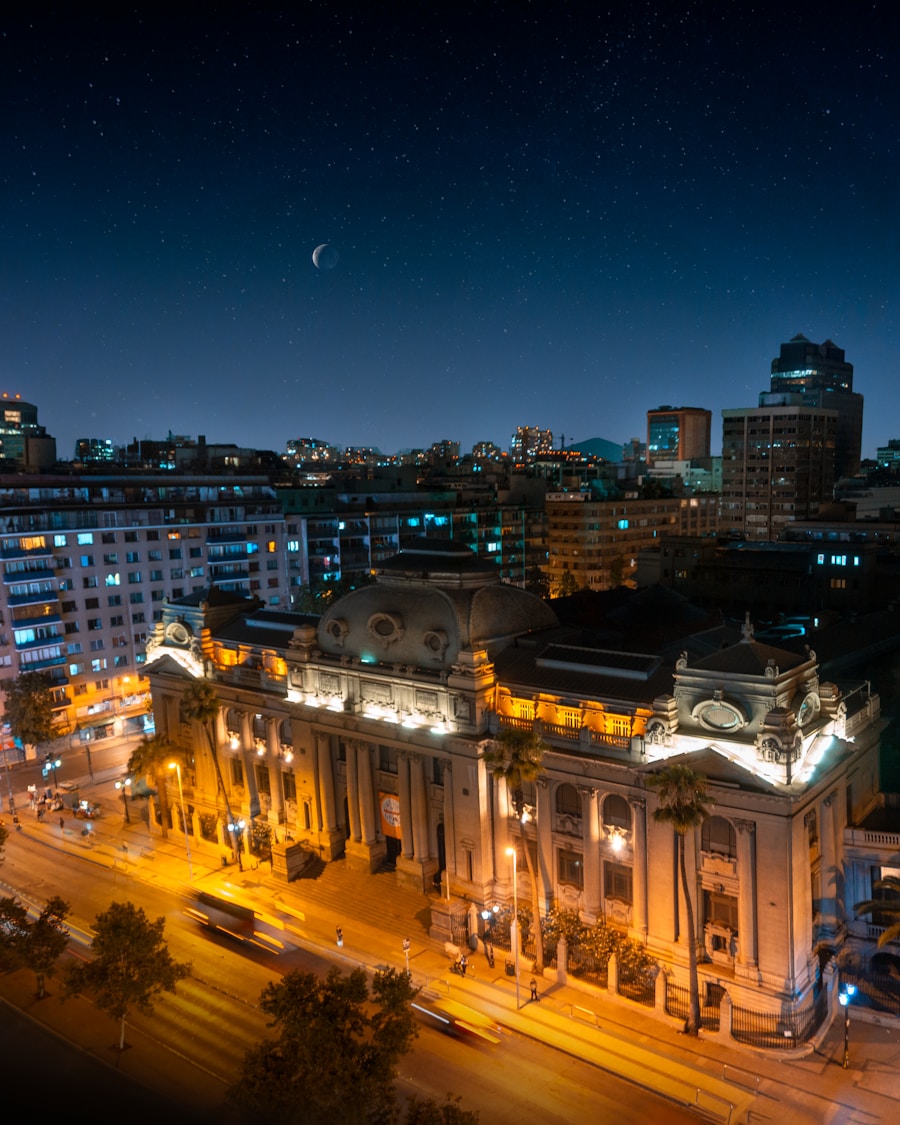
Palermo, one of Buenos Aires’ largest and most dynamic neighborhoods, serves as an expansive canvas for local and international street artists. The area is renowned for its colorful murals and graffiti that adorn building facades, alleyways, and public spaces, reflecting the city’s creative energy and social history.
Walking through Palermo’s streets feels like navigating an open-air gallery where each piece conveys messages about contemporary social issues, historical figures, or whimsical concepts. Street art walking tours led by local experts offer deeper insights into the techniques, motives, and background stories of prominent muralists.
Because new murals frequently emerge while older ones are repainted, exploring Palermo offers a fresh experience on every visit, making it a cornerstone of Buenos Aires’ contemporary culture.
Take a Scenic Day Trip to the Tigre Delta
| Metrics | Data |
|---|---|
| Distance from Buenos Aires | 30 kilometers (approx. 1 hour by train) |
| Number of islands in Tigre Delta | Over 5,000 |
| Annual visitors | Over 1 million |
| Popular activities | Boat tours, kayaking, visiting craft markets |
| Typical trip duration | 6–8 hours |
Just a short train ride from Retiro Station in Buenos Aires lies the Tigre Delta, a unique network of lush islands and waterways that provides a peaceful escape from the bustling city. The region is characterized by stilt-supported wooden houses, subtropical foliage, and quiet canals.
Visitors can take boat tours through the winding rivers to appreciate the natural ecosystem and spot local wildlife. Kayaking and paddleboarding are popular options for active travelers wanting a closer view of the riverbanks.
A central highlight in Tigre is the Puerto de Frutos market, an open-air riverside market selling artisanal crafts, furniture, and local foods. A trip here delivers insight into a tranquil way of life centered entirely around water transport.
Note: If you enjoy nature excursions, birdwatching, or hiking along the riverbanks during your delta visit, carrying a compact pair of binoculars for hiking helps you spot native avian species along the tree canopies.
Indulge in a Traditional Argentine Asado
No visit to Argentina would be complete without experiencing an asado, the country’s celebrated barbecue tradition. Far more than a meal, an asado is a culinary ritual centered around gathering family and friends around the grill (parrilla).
Master grillers (parrolleros) slow-cook premium cuts of meat—including beef ribs (tira de asado), flank steak (vacío), and pork sausages (chorizo)—over open charcoal embers. The results yield rich, tender meats that form the cornerstone of Argentine gastronomy.
World-famous restaurants like Don Julio and La Brigada offer exceptional dining experiences, though neighborhood steak houses across San Telmo and Palermo deliver authentic flavors as well. Culinary classes are also available for travelers eager to learn secret seasoning and fire-management techniques.
Wander Through Historic La Boca
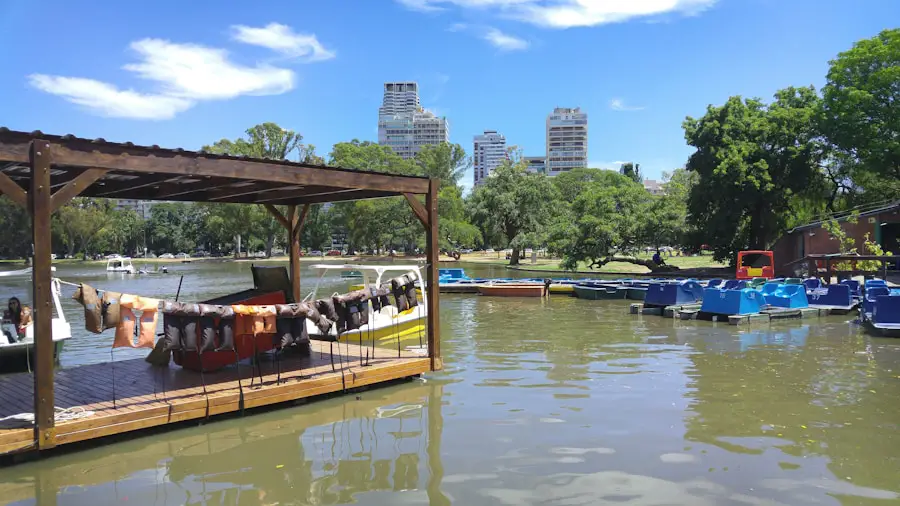
La Boca is one of Buenos Aires’ most vibrant districts, famed for its bright architecture and rich immigrant history. Settled predominantly by Italian immigrants in the late 19th century, the neighborhood constructed corrugated tin houses painted with leftover shipyard paint, creating a signature multi-colored streetscape.
The heart of the neighborhood is Caminito, a pedestrian walkway filled with street performers, tango dancers, and local painters showcasing artwork. The lively atmosphere highlights La Boca’s deep roots in folk art and tango history.
La Boca is also home to La Bombonera, the iconic stadium of the Boca Juniors football club. Sports enthusiasts can tour the stadium and museum to learn about Argentina’s legendary football culture.
Warning: While main tourist areas like Caminito are safe during the day, exercise heightened awareness and stay on main pedestrian walkways, especially after dark.
Discover Political History at the Evita Museum
The Evita Museum (Museo Evita) offers an intimate look at the life and legacy of Eva Perón, one of the most influential women in Latin American history. Housed in a beautifully restored early 20th-century mansion in Palermo, the museum chronicles her journey from humble beginnings to First Lady and pioneer for social justice.
Through curated photographs, personal garments, video archives, and historical documents, visitors learn about her work advocating for women’s suffrage and leading the Eva Perón Foundation to support marginalized citizens.
Exploring the exhibition rooms gives visitors a deeper appreciation of the profound lasting impact Evita made on modern Argentine politics and social policy.
Experience the Nightlife and Antiquities of San Telmo
San Telmo is the oldest residential neighborhood in Buenos Aires, characterized by cobblestone streets, colonial mansions, and an bohemian atmosphere. By day, visitors flock to Plaza Dorrego to explore bustling antique markets; by night, the area transforms into a hub for dining and live music.
The neighborhood is legendary for its traditional milongas—dance halls where locals gather to dance tango into the early morning hours. Historic venues like La Catedral Club de Tango and El Beso welcome both novice observers and experienced dancers.
San Telmo also features rustic craft cocktail bars, traditional craft breweries, and tapas bars serving empanadas and regional Malbec wines, offering a quintessential night out in the capital.
Explore Plaza de Mayo and Argentina’s Historic Heart
Located in the center of the city, Plaza de Mayo has served as the political heart of Buenos Aires since its founding. Surrounded by monumental national architecture, the plaza is essential for understanding Argentina’s historical turning points.
Dominating the eastern side of the plaza is the Casa Rosada, the official presidential palace known for its distinctive pink facade and famous balconies. Adjacent to the square stands the neoclassical Metropolitan Cathedral and the historic Cabildo museum.
“Buenos Aires isn’t just a city to visit—it’s a culture to feel through its music, historic streets, and shared tables.”
Frequently Asked Questions
What are the top things to do in Buenos Aires?
Some of the top things to do in Buenos Aires include visiting Recoleta Cemetery, exploring colorful La Boca and Palermo, watching an authentic tango show, eating at a traditional parrilla (asado), and touring Plaza de Mayo.
What is the best time to visit Buenos Aires?
The best times to visit Buenos Aires are during spring (September to November) and autumn (March to May) when temperatures are comfortable and jacaranda trees blossom across the city.
What are some must-try foods in Buenos Aires?
Must-try foods in Buenos Aires include beef cuts from an asado (like ojo de bife and vacío), baked empanadas, choripán (sausage sandwich), provoleta grilled cheese, and desserts with dulce de leche.
What are the best neighborhoods to explore in Buenos Aires?
The best neighborhoods to explore include Palermo for dining and street art, San Telmo for antiques and nightlife, Recoleta for historic architecture, and La Boca for bright colors and soccer culture.
What cultural activities can I experience in Buenos Aires?
Key cultural activities include attending a live tango performance or milonga class, taking a opera tour of Teatro Colón, visiting art museums like MALBA, and watching live soccer games.
Sources
- Buenos Aires City Tourism Board — Official visitor guide and attraction details
- National Geographic Travel — Insights on street art and cultural tours in Palermo
- Museo Evita Official Portal — Historical archives and exhibit information
