
Last Updated on July 27, 2026 by Daniel Globe
Belgrade rewards travelers who mix famous sights with everyday city life. Serbia’s capital brings together a fortress above the Sava and Danube, monumental Orthodox architecture, historic kafanas, museums, riverside nightlife, markets, and large green spaces. Most first-time visitors can see the central highlights in two days, while three days gives you time for Zemun, Ada Ciganlija, or Avala as well.
Quick Answer
The best things to do in Belgrade include exploring Belgrade Fortress and Kalemegdan, visiting the Temple of Saint Sava and Nikola Tesla Museum, walking Knez Mihailova and Skadarlija, eating Serbian specialties, experiencing the city’s nightlife, exploring Zemun, and relaxing at Ada Ciganlija.
Key Takeaways
- Start with Belgrade Fortress, Kalemegdan, Knez Mihailova, and Saint Sava for the city’s essential historic sights.
- Make time for the Nikola Tesla Museum, National Museum of Serbia, Museum of Contemporary Art, and Museum of Yugoslavia if you enjoy history or culture.
- Try ćevapi, burek, kajmak, and ajvar, and spend an evening in Skadarlija or one of Belgrade’s nightlife districts.
- Ada Ciganlija, the river promenades, Zemun, and Avala give you plenty of options away from the busiest central streets.
- Belgrade’s standard integrated city public transport has been fare-free since January 1, 2025, making it easier to explore beyond the center.
Disclosure: As an Amazon Associate I earn from qualifying purchases. Some links on this page are affiliate links, at no extra cost to you.
Explore Belgrade Fortress and Kalemegdan
Belgrade Fortress is the natural starting point for a first visit. It occupies a strategic position above the meeting point of the Sava and Danube and has been rebuilt repeatedly over roughly two millennia. The complex contains traces of Roman, medieval, Ottoman, and later European military history.
According to the City of Belgrade, the fortress’s Upper Town has roots in the Roman period and later developed into a medieval and artillery fortress. Today you can explore gates, walls, towers, churches, military monuments, and viewpoints throughout the surrounding Kalemegdan Park.
Do not rush directly to the river view. Look for the Victor Monument, Zindan Gate, Ružica Church, the Church of Saint Petka, and the Lower Town before walking to the western edge for one of Belgrade’s classic panoramas.
Pro Tip: Visit Kalemegdan late in the afternoon so you can explore the fortress in daylight and stay for sunset over the rivers. Individual museums and attractions within the complex may keep separate hours and charge admission.
Visit the Temple of Saint Sava
The Temple of Saint Sava on Vračar is one of Belgrade’s defining landmarks. The City of Belgrade describes it as the largest Orthodox church in Serbia, and it is also among the largest Orthodox churches in the world. Its exterior height reaches 79 meters including the cross, and the interior can accommodate thousands of worshippers.
The main interior is especially striking for its vast gold-toned mosaics. Below it, the crypt offers another richly decorated religious space. The Temple of Saint Sava’s official website currently lists the main temple as open from 8:00 a.m. to 8:00 p.m., although hours can change during major religious events.
Note: Saint Sava is an active place of worship rather than simply a tourist attraction. Dress respectfully, keep voices low, and avoid interrupting services or people who are praying.
Walk Knez Mihailova, Republic Square, and Skadarlija
Knez Mihailova is Belgrade’s best-known pedestrian street and creates an easy walking link between Republic Square and Kalemegdan. Historic buildings, cafés, cultural institutions, shops, and street performers make it useful both as a sightseeing route and as a place to slow down between attractions.
The Tourist Organization of Belgrade notes that the street follows part of ancient Singidunum and remains one of the city’s principal promenades.
From Republic Square, walk a few minutes toward Skadarlija. The cobbled quarter developed its bohemian reputation around the turn of the 20th century as writers, actors, painters, and musicians gathered in its taverns. It remains one of the easiest places for visitors to combine traditional Serbian food with live music and an old-Belgrade atmosphere.
Indulge in Belgrade’s Culinary Scene
Belgrade’s food scene ranges from old-fashioned kafanas to modern restaurants, bakeries, markets, cafés, and international kitchens. For a traditional meal, start with ćevapi, grilled minced-meat pieces usually served with flatbread and onions. Other dishes worth looking for include burek, grilled meats, sarma, kajmak, and ajvar.
Skadarlija is an obvious choice for a traditional dinner because many restaurants pair Serbian dishes with live music. It can be busier and more visitor-oriented than neighborhood restaurants, but the historic surroundings are part of the experience.
Belgrade also has a strong café culture. Serbian-style coffee is still common, while specialty coffee shops are easy to find in central neighborhoods such as Dorćol and Vračar.
Pro Tip: Do not limit yourself to a formal restaurant. A bakery breakfast, a market stop, a traditional kafana lunch, and coffee at a neighborhood café can reveal more about everyday Belgrade food culture than one expensive dinner.
Experience Belgrade’s Vibrant Nightlife
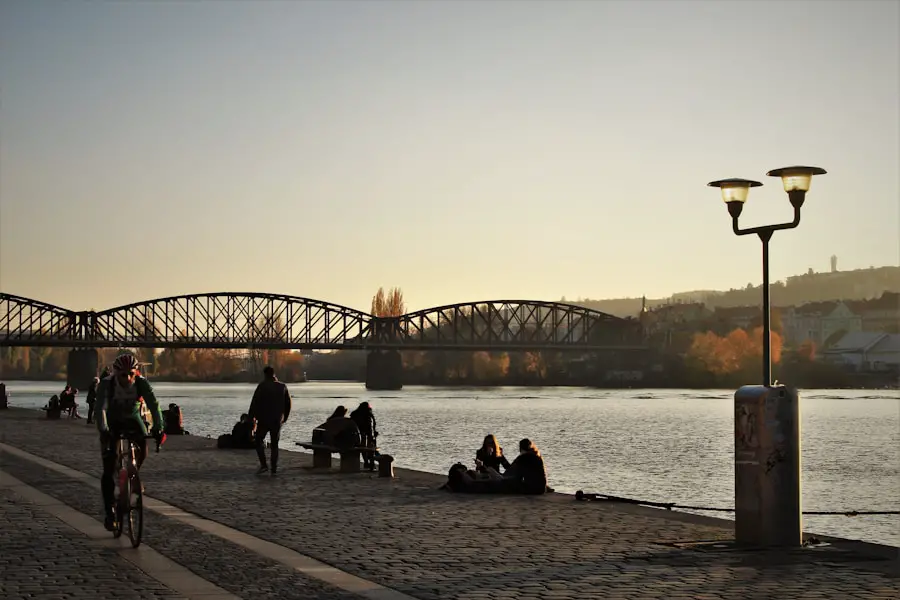
Belgrade has a broad nightlife scene, from cocktail bars and live-music venues to large clubs and traditional kafanas. Savamala remains associated with restaurants, cultural venues, and nightlife, while Beton Hala, Cetinjska, Dorćol, and other central districts give visitors several different atmospheres to choose from.
The riverbanks of the Sava and Danube are also famous for floating nightlife venues known as splavovi. The Tourist Organization of Belgrade continues to highlight floating clubs along both rivers as a distinctive part of the city’s nightlife.
Some venues emphasize electronic music and DJs, while others focus on pop, rock, folk music, live bands, or dining. Check a venue’s current program before going because styles, opening nights, and locations can change.
Explore Belgrade’s Art and Culture
| Venue or Event | Why Visit | Planning Note |
|---|---|---|
| Museum of Contemporary Art | Major collection of Serbian, Yugoslav, regional, and international modern and contemporary art | Located at Ušće; closed on Tuesdays according to its current official schedule |
| National Museum of Serbia | Archaeology, medieval heritage, Serbian art, and European art across a large permanent collection | Conveniently located on Republic Square |
| Belgrade Philharmonic Orchestra | Classical concerts featuring Serbian and international musicians | Check the current concert calendar before your trip |
| FEST — Belgrade International Film Festival | Long-running international film festival and major cultural event | The 53rd FEST is scheduled for October 2–11, 2026 |
The Museum of Contemporary Art holds roughly 8,000 works and is particularly strong in art from the Yugoslav cultural space from the 20th century onward. Its riverside position in New Belgrade also makes it easy to combine with a walk around Ušće.
The National Museum of Serbia on Republic Square covers a much longer timeline, from prehistory and antiquity through medieval and modern art. For performing arts, look at the National Theatre, Belgrade Philharmonic, BITEF, and the Belgrade Dance Festival calendars when planning your dates.
Visit the Nikola Tesla Museum
The Nikola Tesla Museum is one of the most useful additions to a first-time Belgrade itinerary. Its permanent exhibition combines Tesla’s personal items with working models of his inventions and guided demonstrations.
The museum’s official visitor page currently lists guided tours in Serbian and English, with tours lasting about 45 minutes. Individual visitors do not normally need advance reservations, but arriving before a tour begins is recommended. The museum currently accepts ticket payment in Serbian dinars in cash rather than by credit card, so check its latest visitor information before going.
Unwind in Belgrade’s Green Spaces
Despite its busy streets, Belgrade has plenty of places to take a break outdoors. Kalemegdan Park surrounds the fortress and combines lawns, gardens, walking paths, historic monuments, and river viewpoints.
Tašmajdan Park is another convenient central option. Its paths, lawns, playgrounds, cafés, and proximity to Saint Mark’s Church make it useful for a quieter break during a day of sightseeing.
For a larger escape, head to Ada Ciganlija and Lake Sava. The recreation area offers beaches, walking and cycling routes, sports facilities, cafés, and seasonal water activities. It is especially lively during warm summer weather.
Discover Zemun and Gardoš
Zemun feels different from central Belgrade because of its history, low-rise streets, Danube waterfront, and Central European architectural influence. Once a frontier town of the Habsburg lands, it is now fully integrated into Belgrade but still retains a distinct identity.
Walk the riverside promenade, explore the older streets uphill from the water, and climb toward Gardoš. The Millennium Tower on Gardoš Hill is one of Zemun’s best-known landmarks and the surrounding area provides wide views across the rooftops and the Danube.
Zemun works particularly well on a three-day Belgrade itinerary because you can spend several hours there without sacrificing the main sights in Stari Grad and Vračar.
Shop at Belgrade’s Markets and Boutiques
Shopping in Belgrade ranges from produce markets and old craft shops to contemporary Serbian design and international fashion. Zeleni Venac is one of the best-known central markets and is a practical place to see how residents shop for fruit, vegetables, cheese, meat, and other everyday foods.
Knez Mihailova is the city’s main pedestrian shopping corridor. The Tourist Organization of Belgrade highlights it as one of the city’s principal shopping areas, with both domestic and international brands along the route between Republic Square and Kalemegdan.
For souvenirs, look beyond generic magnets and consider Serbian food products, local design, small artworks, books, ceramics, or handicrafts. The Tourist Information Center on Knez Mihailova also carries maps, publications, and souvenirs.
Learn About Belgrade’s Rich History
Belgrade has developed at a crossroads between Central Europe and the Balkans, and its architecture reflects repeated periods of conquest, destruction, rebuilding, and political change. You can see that history in Roman traces near the old center, Ottoman-era elements around the fortress, 19th-century neighborhoods, Austro-Hungarian-influenced Zemun, and modern Yugoslav architecture in New Belgrade.
The Museum of Yugoslavia is particularly useful for understanding the 20th century. Its complex includes the May 25 Museum, Old Museum, and House of Flowers.
The House of Flowers was originally constructed in 1975 as a winter garden near Josip Broz Tito’s residence and later became his burial place. Today it is one of the city’s principal sites for exploring the history and memory of socialist Yugoslavia.
Closer to the old center, neighborhoods such as Dorćol and Kosančićev Venac reveal additional layers of the city’s development through historic streets, religious buildings, cafés, and surviving architecture.
Enjoy Belgrade’s Outdoor Activities
Belgrade’s rivers and large recreation areas make it easier to add outdoor time to a city break than many visitors expect. Ada Ciganlija is the most practical destination for cycling, running, swimming in Lake Sava during the designated season, and a range of recreational sports.
Long riverside routes also connect parts of New Belgrade and Zemun, making cycling or walking along the Sava and Danube an easy way to see a less traffic-heavy side of the city.
For a half-day trip outside the dense urban center, head to Avala. The low mountain lies close to Belgrade and is known for forest walks, monuments, and Avala Tower. It is a good option when you have three or more days and want a break from museums and city streets.
Plan Your Belgrade Visit
How Many Days Do You Need in Belgrade?
Two full days are enough for the main central attractions. Spend the first day around Kalemegdan, Knez Mihailova, Republic Square, and Skadarlija, then use the second for Saint Sava, Nikola Tesla Museum, museums, food, and nightlife.
With three days, add Zemun, Ada Ciganlija, the Museum of Yugoslavia, or Avala without rushing.
When Is the Best Time to Visit?
Spring and early autumn are especially comfortable for walking, sightseeing, and café terraces. Summer is best for Ada Ciganlija and long evenings by the rivers, although afternoons can be hot. Winter shifts the emphasis toward museums, restaurants, cafés, concerts, and indoor cultural attractions.
Getting Around Belgrade
Central Belgrade is very walkable, particularly around Republic Square, Knez Mihailova, Skadarlija, and Kalemegdan. Trams and buses become useful for Saint Sava, New Belgrade, Zemun, Ada Ciganlija, and attractions farther from the historic center.
Belgrade’s Public Transport Secretariat states that passenger transport within the city’s integrated tariff system has been free for all users since January 1, 2025. Special commercial or airport services can operate under different arrangements, so verify your specific airport route before travel.
Safety and Disruptions
Warning: Demonstrations and large gatherings can occur in Belgrade at short notice and may temporarily disrupt streets, public transport, or communications. Avoid disorderly crowds and check current local information before crossing areas affected by demonstrations.
Normal big-city precautions are also sensible. Keep phones, wallets, and bags secure in crowded tourist areas and on transport. Current UK government travel advice for Serbia specifically notes pickpocketing risk in tourist areas, airports, and public transport.
If you’re planning an international trip with only cabin baggage, this guide to the best carry-on luggage for international travel can also help you pack for several days of walking, sightseeing, dining, and nightlife in Belgrade.
Frequently Asked Questions
What are the top things to do in Belgrade, Serbia?
Top experiences include Belgrade Fortress and Kalemegdan, the Temple of Saint Sava, Knez Mihailova, Skadarlija, Nikola Tesla Museum, Zemun and Gardoš, Ada Ciganlija, Serbian food, and Belgrade’s riverside nightlife.
What are some popular cultural attractions in Belgrade?
Popular cultural attractions include the Nikola Tesla Museum, National Museum of Serbia, Museum of Contemporary Art, Museum of Yugoslavia, National Theatre, and seasonal events such as BITEF, FEST, and the Belgrade Dance Festival.
What outdoor activities are available in Belgrade?
You can walk or cycle along the Sava and Danube, swim and enjoy seasonal sports at Lake Sava and Ada Ciganlija, explore Kalemegdan Park, or take a half-day trip to Avala for forest walks and panoramic views.
What are some must-try foods in Belgrade?
Try ćevapi, burek, grilled meats, sarma, kajmak, and ajvar. A traditional kafana meal in Skadarlija is a popular introduction to Serbian cooking and live local music.
What are the best ways to experience Belgrade’s nightlife?
Choose the atmosphere that suits you: traditional music in Skadarlija, bars and restaurants around Savamala and Beton Hala, venues around Cetinjska and Dorćol, or floating splavovi along the Sava and Danube.
How many days do you need in Belgrade?
Two full days cover the main central sights, while three days is better if you also want to explore Zemun, Ada Ciganlija, the Museum of Yugoslavia, or Avala.
Is public transport in Belgrade free?
Yes. Standard passenger transport within Belgrade’s integrated public-transport tariff system has been fare-free since January 1, 2025. Special commercial services can have separate rules, so check your specific airport transfer before boarding.
When is the best time to visit Belgrade?
Spring and early autumn are excellent for sightseeing on foot. Summer is best for Ada Ciganlija, outdoor cafés, and river nightlife, while winter works well for museums, restaurants, concerts, and indoor attractions.
Sources
- Tourist Organization of Belgrade — official information on Belgrade attractions, districts, nightlife, shopping, and visitor planning.
- City of Belgrade — Sights — history and visitor information for Belgrade Fortress, Saint Sava, and other major landmarks.
- Temple of Saint Sava — official temple information and current opening details.
- Nikola Tesla Museum — current opening hours, guided-tour information, tickets, and visitor requirements.
- Museum of Yugoslavia — official information on the museum complex, collections, and House of Flowers.
- Belgrade Public Transport Secretariat — official information on fare-free public transport introduced in 2025.
