

Last Updated on August 26, 2026 by Daniel Globe
Preparing for a coastal getaway requires balancing effortless style with practical sun and water protection. Packing the wrong fabrics or forgetting travel-critical essentials can turn a relaxing seaside trip into an uncomfortable ordeal of sunburns, heavy damp clothing, and unexpected resort fees.
Quick Answer
The essential beach vacation packing list centers on lightweight breathable clothing (linen and cotton), broad-spectrum mineral sunscreen (SPF 30+), UPF swimwear, polarized sunglasses, a sand-resistant microfiber towel, a waterproof dry bag, and required travel documentation. Pack versatile capsule pieces to keep luggage light while staying fully protected from the elements.
At a Glance
| Packing Timeline | Begin organizing 3–5 days prior to departure |
| Optimal Luggage Setup | Carry-on roller suitcase + 1 waterproof day tote |
| Key Protection Metric | Reef-Safe SPF 30 to SPF 50 Broad-Spectrum |
| Ideal Fabric Choices | 100% Linen, lightweight cotton, quick-dry nylon, UPF synthetics |
Key Takeaways
- Prioritize Breathable Layers: Choose linen and lightweight cotton outfits that easily transition from the shore to evening dining.
- Use Reef-Friendly Mineral Sunscreens: Protect your skin and marine ecosystems with non-nano zinc oxide formulas complying with local eco-regulations.
- Pack Dual-Purpose Footwear: Bring waterproof sandals for the pool and rugged water shoes for rocky shorelines or coral activities.
- Secure Essential Documents: Maintain digital backups and physical copies of passports, visas, and international cards in water-sealed cases.
- Safeguard Electronics: Use certified waterproof pouches, sealed power banks, and portable Wi-Fi devices to stay connected.
Disclosure: As an Amazon Associate I earn from qualifying purchases. Some links on this page are affiliate links, at no extra cost to you.
Beach Clothing Essentials and Capsule Outfits
Selecting the right clothing essentials is paramount to ensuring comfort in warm, humid coastal climates. Lightweight, breathable fabrics are ideal for hot, sunny days. Natural fibers like cotton and linen allow air to circulate freely and wick moisture away from your skin, preventing chafing and overheating.
A versatile sundress can transition seamlessly from lounging on the sand to a seaside dinner, while tailored linen shorts pair easily with multiple tops for a casual yet refined look. A light kimono, sarong, or linen button-up functions as an essential cover-up when walking through hotel lobbies or grabbing lunch at an open-air café.
Footwear requires thoughtful planning based on planned activities:
- Flip-Flops and Slides: Best for casual pool lounging and quick slip-on convenience.
- Neoprene Water Shoes: Essential for protecting your feet against sharp coral, sea urchins, and rocky seabeds during water sports.
- Breathable Walking Shoes: Lightweight canvas sneakers for airport transit, shopping, or exploring nearby towns.
Pro Tip: Pack a lightweight cardigan, linen overshirt, or windbreaker. Coastal temperatures often drop significantly after sunset due to steady ocean breezes.
Products Worth Considering

Material: These casual womens shorts provide the soft, lightweight, breathable, wrinkle-resistant for high-quality fabric.Olny light color (white shorts) with soft lining, no see-throung, which offering a great wearing experience in summer
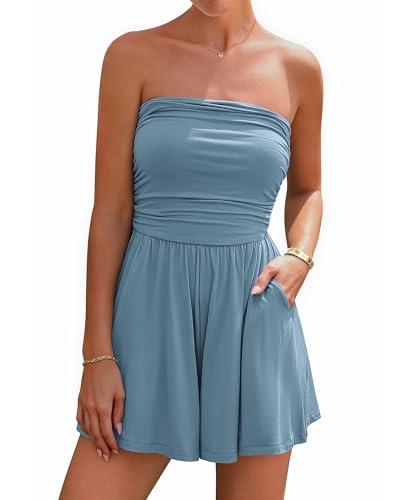
FEATURES: Off Shoulder Romper For Women / Strapless Tube Romper / Shorts Jumpsuits / Summer One Piece Outfits / Loose Shorts Jumpsuit / Neckline with a Silicone Anti-slip Strip / Ruched Details / Solid Color / Fits For Spring, Summer, Fall
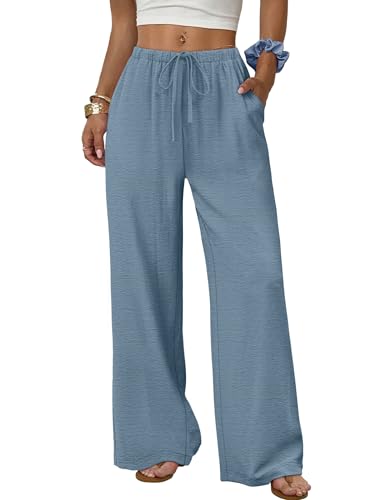
✦Design: Wide leg pants with pockets, Drawstring elastic waist trousers, flowy lounge pants loose fit.
Beach and Pool Accessories
The right gear transforms a standard beach day into an organized, stress-free experience. High-quality microfiber towels are superior to traditional heavy terry cloth because they absorb three times their weight in water, dry in minutes, and pack down compactly into your daypack.
To establish a clean, comfortable lounging base, bring a sand-free woven beach blanket. These mats allow sand particles to sift through the weave without sticking to damp skin or clothing. Additional high-value beach accessories include:
- Mesh Beach Tote: Keeps sand from collecting at the bottom of your bag while providing dedicated compartments for sunscreen and sunglasses.
- Insulated Soft Cooler: Keeps water, fruit, and electrolyte beverages chilled under direct sun exposure.
- Waterproof Dry Bag (10L–20L): Keeps towels, dry clothes, and wallets completely protected during boat excursions or sudden rain showers.
- Inflatable Beach Accessories: Compact pool floats or waterproof playing cards for low-maintenance entertainment.
Sun Protection and Reef Safety

Sun protection is essential in coastal environments where UV radiation reflects directly off white sand and water surfaces. According to the U.S. Food and Drug Administration (FDA), travelers should use a broad-spectrum sunscreen with an SPF rating of at least 30 to protect against both UVA and UVB rays.
Apply sunscreen generously at least 15 minutes before heading outdoors, and reapply every two hours—or every 40 to 80 minutes when swimming or sweating heavily. In addition to topical lotions, incorporate physical UV barriers:
- UPF 50+ Rash Guards: Provide consistent UV defense in the water without washing off.
- Polarized UV400 Sunglasses: Shield your eyes from harsh water glare and reduce long-term retinal strain.
- Wide-Brimmed Sun Hats: Offer 360-degree shade across your face, ears, and neck.
Warning: Many popular coastal destinations—including Hawaii, Mexico’s Riviera Maya, the U.S. Virgin Islands, and parts of the Caribbean—strictly prohibit sunscreens containing Oxybenzone and Octinoxate. The National Oceanic and Atmospheric Administration (NOAA) notes that these chemicals induce severe coral bleaching and damage marine habitats. Always choose mineral formulas featuring non-nano Zinc Oxide or Titanium Dioxide.
Products Worth Considering

POWERFUL MINERAL SUN PROTECTION - Protect sensitive skin from the sun's harmful rays with Blue Lizard Sensitive Mineral SPF 50 Sunscreen for sensitive skin. It contains no harsh chemical active ingredients that might irritate sensitive skin

POWERFUL MINERAL SUN PROTECTION - Protect sensitive skin from the sun's harmful rays with Blue Lizard Sensitive Mineral SPF 50 Sunscreen for sensitive skin. It contains no harsh chemical active ingredients that might irritate sensitive skin

MAXIMUM PERFORMANCE MINERAL SUNSCREEN: Broad Spectrum SPF 50 protection using non-nano uncoated Zinc Oxide to shield against UVA & UVB rays, clinically tested safe for sensitive skin, suitable sunblock for face, body, and heavy outdoor activity
Travel Documents and Financial Preparation
Organizing personal identification and financial tools ensures a hassle-free trip through international airports and border checkpoints. Ensure your passport has at least six months of remaining validity prior to your departure date, as most international tourist destinations strictly enforce this entry standard.
| Document / Financial Item | Requirement & Validity Rule | Packing & Storage Strategy |
|---|---|---|
| Valid Passport | Must have 6+ months validity beyond travel dates | Waterproof document pouch in personal carry-on item |
| Entry Visas & Tourist Cards | Destination-dependent (e.g., Mexico Tourist Card/FMM) | Printed paper copies plus offline digital PDF backups |
| Local Cash / Currency | Small bills for beach vendor tips and market purchases | Split between hotel room safe and concealed day wallet |
| Credit / Debit Cards | Cards with zero foreign transaction fees | Set international travel notices via your banking app |
“Keep digital scans of your passport photo page, travel insurance policy, and lodging confirmations uploaded to an encrypted cloud drive accessible offline.”
Electronics, Gadgets, and Luggage Compliance
Modern travel requires purposeful electronic gear. To avoid packing dead weight, focus on versatile, durable devices designed for outdoor conditions.
- IPX8-Rated Waterproof Phone Pouch: Allows you to shoot underwater photos and protect your phone from salt spray and fine sand.
- Portable Battery Bank (10,000–20,000 mAh): Keeps phones and cameras charged throughout long day trips. Remember that lithium-ion batteries must remain in your carry-on baggage per airline safety rules.
- Action Camera: Ideal for snorkeling excursions, jet skiing, and diving without risking your main smartphone.
- Universal Travel Plug Adapter: Essential if traveling internationally to regions with different socket standards.
- Portable Wi-Fi Hotspot or eSIM: Guarantees stable GPS navigation, ride-share booking, and translation services without paying expensive roaming fees.
For organized packing, compress clothing into modular packing cubes. Cubes allow you to separate swimwear and cover-ups from formal evening outfits while keeping luggage compact and wrinkle-free.
Note: Under the TSA 3-1-1 Liquids Rule, all liquids, aerosols, gels, creams, and pastes in carry-on bags must be in containers of 3.4 ounces (100 ml) or less and fit inside a single quart-sized clear zip-top bag.
Medications and First Aid Kit

Packing a Basic First Aid Kit
Minor scrapes and scrapes from coral, shells, or poolside surfaces can happen quickly. Keep a compact, waterproof pouch stocked with waterproof adhesive bandages, antiseptic wipes, sterile gauze pads, medical tape, and antibacterial ointment.
Medications and Prescriptions
Pack all prescription medications in their original labeled containers within your carry-on luggage. Bring enough medication to last several days beyond your scheduled return in case of flight delays. Key over-the-counter additions include:
- Pain and Fever Relievers: Ibuprofen or acetaminophen for headaches, sore muscles, and sunburn inflammation.
- Motion Sickness Remedies: Dimenhydrinate or meclizine tablets for boat charters and catamaran sails.
- Antihistamines: For unexpected allergic reactions to insect bites or local foods.
- Gastrointestinal Relief: Antacids, bismuth subsalicylate, and electrolyte rehydration powder packets.
Additional Health and Outdoor Essentials
Coastal and tropical climates support active mosquito and insect populations, especially at dusk. Pack an EPA-registered insect repellent containing DEET or Picaridin. For post-sun exposure, pack pure aloe vera gel to soothe hot, irritated skin.
Snorkeling and Water Activities Gear
Packing personal snorkeling equipment ensures optimal hygiene and a leak-free seal compared to worn resort rental masks. A standard panoramic silicone mask paired with a dry-top snorkel prevents accidental saltwater ingestion when navigating waves.
If you plan to kayak, paddleboard, or explore cenotes and shallow reef flats, pack compact travel fins and an insulated dry bag to protect dry clothing, keys, and snacks from boat splashes.
Products Worth Considering

【 SUPER SOFT SILICONE SNORKEL SET 】This snorkeling gear for adults is made of a soft high-grade liquid silicone. Silicon materials are pleasant on the skin and seal around the face comfortably. The double seal design mask skirt provide perfect suction to stay sealed on face even with slightest pressure. You can wear it for much longer without having face mask lines in your face.

[PANORAMIC VIEW AND SUPPORT CAMERA MOUNT]Our snorkel mask adopts transparent flat lens made by high definition premium PU resin, preventing from distortion the view and reduce the dizziness underwater. With the removable motion camera mount allows you to clearly discover the underwater world.

【 4 IN 1 Mask Fins Snorkel Set 】: PIYAZI kids adults snorkeling gear includes adjustable dive flippers, triple-window panoramic HD view mask, dry top snorkel and mesh bag . Our high quality kids adults snorkel set has all the gear you need for snorkeling to help you explore the underwater world cheerfully.
Miscellaneous Items for a Seamless Trip
A few lightweight accessories can elevate your vacation comfort significantly:
- Insulated Stainless Steel Water Bottle: Keeps ice water cold all day in extreme heat.
- E-Reader with Glare-Free Display: Provides access to hundreds of books without the weight of paperbacks.
- Sand-Free Wet Bag: Safely separates damp swimsuits from clean dry clothing on checkout day.
- Foldable Daypack: Packs down to pocket size and serves as a lightweight shopping or hiking bag for inland excursions.
Frequently Asked Questions
What should I pack when traveling to Cancun, Mexico?
When traveling to Cancun, pack lightweight breathable clothing (linen and cotton), swimsuits, reef-safe mineral sunscreen (SPF 30+), insect repellent, a wide-brimmed sun hat, polarized sunglasses, and water shoes. Bring a valid passport, credit cards with zero foreign transaction fees, some Mexican pesos for tips, a waterproof phone pouch, and an insulated water bottle.
Do I need to pack any specific clothing for Cancun, Mexico?
Cancun has a tropical climate year-round. Pack lightweight shorts, breathable tees, linen shirts, sundresses, and multiple swimsuits so one can dry while you wear another. Bring a light sweater, denim jacket, or linen wrap for air-conditioned restaurants and breezy evening walks along the coast.
What kind of footwear should I pack for Cancun, Mexico?
Pack three types of footwear: comfortable sandals or flip-flops for the beach and pool, sturdy water shoes for rocky cenotes and marine parks like Xcaret, and supportive walking sneakers for exploring archaeological ruins like Chichen Itza or Tulum.
What essentials should I pack for a beach vacation in Cancun, Mexico?
Key essentials include non-toxic reef-safe sunscreen, a quick-dry microfiber towel, a waterproof phone case, UV-blocking sunglasses, UPF rash guards, an insulated reusable water bottle, and a sand-resistant beach bag with secure zip pockets.
Are there any specific items I should pack for outdoor activities in Cancun, Mexico?
For eco-parks, cenotes, and jungle excursions, pack biodegradable insect repellent, rugged water shoes, an action camera with waterproof housing, a compact 10L–20L dry bag, a small daypack, and electrolyte packets to stay hydrated under high heat.
Sources
- U.S. Food & Drug Administration (FDA) — Sunscreen selection, SPF standards, and broad-spectrum UV protection parameters.
- National Oceanic and Atmospheric Administration (NOAA) — Scientific impacts of sunscreen chemicals (Oxybenzone/Octinoxate) on marine habitats and coral reefs.
- Transportation Security Administration (TSA) — Security screening standards and 3-1-1 liquids regulations for air travelers.
