
Last Updated on September 10, 2026 by Daniel Globe
Choosing what clothes to wear hiking is less about buying a special outfit and more about building a clothing system that keeps you comfortable as your effort level and the weather change. A good hiking outfit manages sweat, protects you from wind, rain and sun, allows free movement, and gives you enough flexibility to add or remove layers on the trail.
Quick Answer
For most hikes, wear a moisture-managing synthetic or merino wool shirt, comfortable quick-drying hiking pants or shorts, moisture-wicking socks, and well-fitting trail shoes or boots. Carry an insulating layer and a waterproof shell when conditions may turn cool or wet, and add a hat, sunglasses and other protection for the conditions you expect.
Key Takeaways
- Build your hiking outfit in layers so you can adapt as temperature, wind, precipitation and effort change.
- Synthetic fabrics and merino wool are useful next to the skin because they manage moisture better than cotton in cold or wet conditions.
- Carry enough insulation and rain protection for the conditions you could realistically encounter, not just the weather at the trailhead.
- Choose footwear for fit, terrain, pack weight and weather rather than assuming that either boots or trail shoes are always best.
- Protect exposed skin and eyes from sun, and consider long clothing or treated gear where ticks and biting insects are common.
What to Wear Hiking at a Glance
| Condition | Practical Clothing System |
| Warm and dry | Lightweight wicking shirt, breathable shorts or pants, hiking socks, trail shoes or boots, sun hat and sunglasses. |
| Cool or changeable | Wicking base layer, hiking pants, fleece or light insulated jacket, plus a wind- and rain-protective shell. |
| Wet | Quick-drying base and hiking layers, waterproof shell, rain pants when needed, moisture-managing socks and footwear suited to the trail. |
| Cold | Wicking base layer, warm mid layer, weather-resistant shell, hiking pants or thermal bottoms as needed, warm socks, hat and gloves. |
The exact combination depends on the trail. A warm low-elevation walk may require only a shirt and shorts, while a mountain hike can demand insulation and rain protection even when the trailhead is sunny. The National Park Service recommends preparing for changing conditions and carrying extra clothing and rain protection on hikes.
Base Layer Clothing for Hiking
The base layer is the clothing worn closest to your skin. Its main job is moisture management. When you sweat, a useful hiking base layer moves moisture away from your skin and dries reasonably quickly instead of remaining soaked.
Polyester, nylon and merino wool are common choices. Synthetic fabrics tend to dry quickly and are widely available. Merino wool manages moisture well and is often favored for its comfortable feel and resistance to developing odor during repeated wear.
Your base layer should fit close enough to move moisture effectively but should not restrict your stride, shoulders or breathing. In warm weather, this might be a lightweight short-sleeve hiking shirt. In cool weather, a long-sleeve top and thermal bottoms can become the first part of a larger layering system.
Warning: Be cautious with cotton and denim when cold, rain or rapidly changing mountain weather is possible. They absorb moisture and dry slowly. Rocky Mountain National Park advises hikers to use wicking layers and avoid clothing such as cotton and jeans when trying to prevent chilling and hypothermia. See the National Park Service hypothermia guidance.
Cotton is not automatically dangerous on every warm, dry walk. The problem appears when soaked clothing combines with falling temperatures, wind or a long period away from shelter. For hikes where those conditions are possible, quick-drying materials provide a larger safety margin.
Products Worth Considering

Tight Fit: Please refer to our size chart before ordering, Recommend to order 1 size up for a slim fit.

Thermal Fleece Shirt: Made of ultral soft, super stretchy and highly breathable fabric, more moisture-wicking. The fleece lined keeps you warm in cold weather.

Heat Retention: womens thermal shirts are lined with fleece for extra softness against your skin and keeps your body heat from escaping. They'll protect you from the cold for added comfort in the cold weather
Insulating Layers for Hiking
Once the base layer is established, an insulating mid layer helps retain the heat your body produces. This layer becomes especially important in cool climates, at high elevations, during early mornings and evenings, and whenever you stop moving after a hard climb.
Fleece jackets are popular because they are breathable, relatively quick drying and easy to layer. A light fleece can be enough for an active hike in mild weather, while thicker fleece adds warmth at the cost of more bulk.
Down jackets provide excellent warmth for their weight and compress into a small space, making them useful as rest-stop or camp insulation. However, heavily wetted down loses loft and therefore much of its insulating performance until it dries. Synthetic insulated jackets are usually bulkier for comparable warmth but generally cope better with damp conditions.
Pro Tip: Adjust layers before you are soaked in sweat. On a cool uphill climb, it can be more comfortable to start slightly cool and add insulation when you stop than to hike hard in a heavy jacket and saturate your base layer.
Carry enough insulation for the coldest realistic part of the trip rather than choosing only for the temperature when you leave the car. The National Park Service Ten Essentials specifically includes extra clothing for sudden changes in weather.
Outer Shell Clothing for Hiking
| Feature | What to Look For | Why It Matters | Useful Details | Best For |
|---|---|---|---|---|
| Waterproof construction | Waterproof membrane or coating with sealed seams | Helps stop sustained rain from reaching inner layers | Check the exact garment specifications rather than relying on brand name alone | Rain and wet snow |
| Breathability | A waterproof-breathable fabric plus mechanical ventilation | Allows some moisture vapor and excess heat to escape | Pit zips and venting can matter during high-output hiking | Steep or strenuous hikes |
| Wind protection | Tightly constructed shell with good hood, cuff and hem adjustment | Reduces heat loss from strong wind | A light wind shell may be enough when rain is unlikely | Exposed ridges and cool windy days |
| Durability | Face fabric suited to packs, brush and expected abrasion | More durable shells tolerate repeated trail use better | Ultralight shells trade some ruggedness for lower weight | Backpacking and rough trails |
The outer shell is the first line of defense against rain, wind and wet snow. For genuinely wet conditions, look for a waterproof shell with sealed seams rather than assuming any lightweight windbreaker or water-resistant jacket will provide sustained rain protection.
Waterproof-breathable shells are designed to keep liquid water out while allowing some moisture vapor to move outward. They cannot eliminate all sweat or condensation during strenuous climbing, so physical ventilation such as pit zips, front zippers and venting pockets can be valuable.
Note: Do not compare shells using a brand name alone. Construction and performance vary by model. The North Face, for example, now calls its former HyVent waterproof technology DryVent, while Patagonia’s H₂No Performance Standard is a testing standard rather than one universal fabric.
Adjustable hoods, cuffs and hems can improve coverage in blowing rain. For extended wet conditions, rain pants may also be worthwhile. Keep in mind that the water-repellent finish on the face fabric can wear down with dirt and use, so follow the garment manufacturer’s cleaning and care instructions.
Products Worth Considering
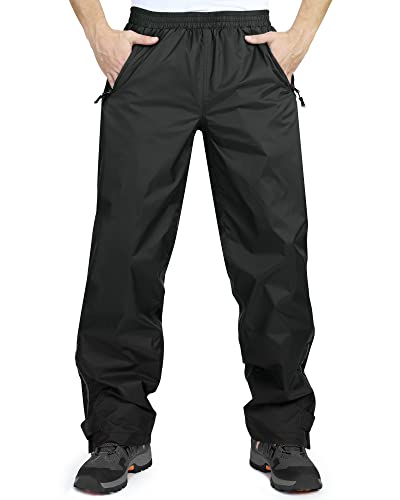
Comfortable: This breathable rain pants are made of mesh lining improving breathability by allowing air to circulate through your clothing; Breathability rating: 5000g/m2/24hr.

[Waterproof] 33,000ft Packable rain jacket for men features superior waterproof fabric and full heat seam-sealed construction, with 10000mm H2O in waterproof level. All zippers outside are 100% water resistant, keep your storage items dry. This shell allows you to dry completely even during downpour rain.

Waterproof & Breathable: Women's softshell jacket is made of 96% polyester and 4% elastane.High quality waterproof coating fabric paired with breathable inner lining design, which is water resistant, breathable, wear resistant, and dirt resistant. 8000mm waterproof and 1000g/m2/24hr breathable, jacket for women with hood can resist light rain and breeze, effectively keep dry and cool, and enjoy a comfortable wearing experience.
Hiking Pants and Shorts
Good hiking bottoms should allow an unrestricted stride, dry reasonably quickly and tolerate contact with rocks, brush and a backpack’s hip belt. Nylon and polyester blends are common because they combine durability with relatively fast drying. Stretch fabric can make steep steps and scrambling more comfortable.
Shorts provide excellent ventilation in hot weather but leave more skin exposed to sun, brush and insects. Lightweight hiking pants offer more coverage and may be the better choice on overgrown trails, in intense sun or in areas with ticks. Convertible pants provide both options without carrying a second garment.
Avoid pants that pinch at the knees, bind across the hips or bunch heavily under a pack’s hip belt. Pockets should also be positioned so that loaded items do not rub against your legs throughout the hike.
Footwear and Socks for Hiking
Footwear is one of the most important parts of hiking attire because poor fit can quickly cause hot spots, blisters and painful pressure points. Rather than choosing boots or shoes solely by appearance, consider fit, trail surface, weather, the weight you will carry and your own experience.
Hiking boots generally provide a stiffer platform and more coverage around the foot and ankle, which some hikers prefer on rocky trails, in wet conditions or while carrying heavier packs. Trail-running shoes and low hiking shoes are lighter and often more breathable, making them popular on maintained trails and among hikers who prefer flexible footwear.
Neither category is automatically right for every difficult trail. A well-fitting trail shoe may work better for one hiker than a heavy boot, while another person may value the stiffness and protection of a boot. The National Park Service recommends sturdy footwear on unpaved trails, but the exact design should still match the trip and wearer.
Products Worth Considering

Quality Material: Made from a durable blend of 70% wool, 23% polyester, 5% spandex, and 2% nylon, these hiking socks feature an integrated high-efficiency air circulation structure that combines natural warmth with moisture-wicking performance. The innovative HyperVentM System delivers enhanced dynamic zoned mesh ventilation—adapting to movement to boost airflow and keep feet dry and fresh during extended activity

Premium Merino Wool Blend + Breathable Design – All-Day Freshness: Crafted from 50% Merino wool mixed with tough nylon and polyamide, these hiking socks keep moisture under control and let your feet breathe easy. The breathable mesh helps you stay cool on spring hikes, summer camps, or any mild-weather adventure—no swampy, stuffy feet after hours on the trail

Moisture Control Fabric: Made from a blend of 70% wool, 23% polyester, 5% spandex, and 2% nylon, these socks provide durable comfort with natural temperature regulation and moisture control. The H-System ventilation channels keep feet dry and prevent unpleasant smells
Choose Hiking Socks Carefully
Socks should fit smoothly without bunching and should manage moisture inside the shoe. Merino wool and synthetic hiking socks are common choices. Thickness should match both the weather and the volume of your footwear; a sock that makes a shoe excessively tight can create its own pressure problems.
Try on hiking footwear with the same type of socks you plan to use on the trail. Make sure your heel is secure, your toes have room, and your foot is not sliding excessively during descents.
New footwear should be tested on shorter walks before an important hike. Modern trail shoes may need little traditional “breaking in,” but test mileage still helps reveal pressure points, sizing problems and sock combinations that do not work for you.
Accessories for Hiking

Accessories provide targeted protection that the main clothing layers cannot. Useful choices include a sun hat, sunglasses, gloves, gaiters and weather-appropriate headwear.
Sun protection matters even when the air feels cool. The CDC recommends protective clothing, hats and sunglasses as part of reducing ultraviolet exposure. A brimmed hat provides more coverage for the ears and neck than a standard cap, while sunglasses should provide appropriate UV protection.
Gloves become valuable in cold weather and can also provide some protection when scrambling over rough surfaces. Gaiters cover the opening around the lower leg and shoe or boot, helping keep out mud, loose debris and snow. They do not make ordinary footwear completely waterproof, but they can improve coverage.
In grassy, brushy or wooded areas where ticks are a concern, clothing can play another protective role. The CDC advises steps such as wearing protective clothing and using 0.5% permethrin-treated clothing and gear according to product directions. Permethrin intended for clothing should not be applied directly to skin.
A properly fitted backpack is also important because it allows you to carry rain protection, insulating layers, food, water and other essentials without putting all of the load on your shoulders. Adjust the hip belt and shoulder straps before setting out, particularly when carrying a heavier load.
What to Wear Hiking in Different Weather
Weather can change quickly, especially in mountains and exposed areas. Check the forecast and current trail conditions before leaving, then consider what could happen if the trip takes longer than expected. The National Park Service recommends carrying extra clothing and rain protection even on many short hikes because conditions can change.
Hot-Weather Hiking
Choose lightweight, breathable clothing that does not restrict airflow. A moisture-managing shirt and lightweight hiking shorts or pants can reduce the clammy feeling caused by trapped sweat. A brimmed hat, sunglasses and sun-protective clothing are useful on exposed routes.
Long, lightweight clothing can sometimes be more useful than bare skin when UV exposure, brush or biting insects are significant. The National Weather Service also recommends lightweight, loose-fitting clothing during hot conditions.
Cold-Weather Hiking
Cold-weather hiking usually calls for a base layer, an insulating mid layer and a protective outer layer. Add a warm hat, gloves and suitable socks as conditions require. Remove or vent layers before heavy sweating develops, then put insulation back on when your pace slows or you stop.
Keep spare clothing dry inside your pack. Wet clothes plus wind and falling temperatures can create dangerous cooling even when the hike did not begin in winter conditions.
Warning: Uncontrolled shivering, confusion, stumbling, unusual drowsiness or slurred speech can be warning signs of hypothermia. Stop exposure, get the person dry and sheltered, and seek emergency medical help when hypothermia is suspected. See Rocky Mountain National Park’s hypothermia guidance for additional information.
Rainy-Weather Hiking
For sustained rain, pair quick-drying inner clothing with a waterproof shell. Rain pants can be useful when vegetation is soaked, rainfall is heavy or temperatures are low. Keep an insulating layer or other essential dry clothing protected inside a waterproof pack liner or dry bag.
Waterproof footwear can help in cool, shallow wet conditions, but it is not always the fastest-drying option. In warm weather, some hikers prefer breathable trail shoes that drain quickly. Choose based on temperatures, trail conditions and how long your feet are likely to remain wet.
Windy and Changeable Mountain Weather
Wind can turn a comfortable temperature into a much colder-feeling situation, particularly after you have sweated. Carrying a wind-resistant or waterproof shell gives you a fast way to reduce heat loss on exposed ridges and summits.
Do not judge the entire hike by trailhead conditions. Elevation, shade, storms and sunset can all change the clothing you need later in the day.
Tips for Choosing the Right Hiking Attire
Start by matching your clothing to the trail, weather and trip length rather than buying the heaviest or most technical gear available. Comfortable, functional clothing matters more than style on the trail.
1. Check Conditions Before You Dress
Review the forecast, expected low and high temperatures, wind and chance of precipitation. For mountain hikes, also consider whether higher elevations are likely to be substantially colder or more exposed than the trailhead.
2. Build a Layering System
Start with a moisture-managing base layer, add insulation when temperatures require it, and carry an outer layer appropriate to the wind and precipitation risk. The value of layering is that each component can be added, removed or vented without changing your entire outfit.
3. Prioritize Fit and Movement
Squat, step up, raise your arms and walk while testing hiking clothes. Check whether waistbands, seams or pockets rub under a backpack. Clothing that feels fine for five minutes at home can become uncomfortable after hours of repetitive movement.
4. Test the Complete Outfit
Wear new clothing, socks, footwear and your loaded pack on a shorter outing before depending on them for a long hike. This is the easiest way to discover chafing, overheating, pressure points or awkward layering combinations while you are still close to home.
5. Carry a Small Margin for Bad Weather
Do not pack only for the most optimistic forecast. Extra insulation and rain protection are part of the National Park Service’s Ten Essentials guidance. The farther you travel from quick shelter, the more important that margin becomes.
If your hiking trip is part of a larger journey involving air travel, luggage organization can also matter. This guide on the best carry-on suitcase with a USB charger covers travel-luggage considerations that may help when organizing clothing and other gear before reaching the trail.
Love travel? Join Our Facebook Community
Frequently Asked Questions
What are the best clothes to wear for hiking?
For most hikes, choose moisture-managing synthetic or merino wool clothing that allows free movement and dries reasonably quickly. Add insulation and a waterproof or wind-resistant outer layer according to the weather, plus suitable socks, footwear and sun protection.
What should I wear as a base layer for hiking?
A synthetic or merino wool base layer is a practical choice because it manages moisture better than cotton in cold or wet conditions. Choose the fabric weight according to the temperature and your activity level.
What type of shirt is best for hiking?
A lightweight synthetic or merino wool shirt works well for many hikes. In sunny conditions, a breathable long-sleeve shirt can add skin coverage, while a short-sleeve shirt may feel cooler on shaded or mild-weather routes.
What type of pants are suitable for hiking?
Look for lightweight, durable pants that allow a full stride and dry reasonably quickly. Stretch hiking pants are comfortable on steep trails, while lightweight full-length pants provide additional protection from sun, brush and insects.
What kind of socks should I wear for hiking?
Merino wool or synthetic hiking socks are common choices because they manage moisture and come in different cushioning levels. Choose a thickness that works with your footwear without making the shoe or boot excessively tight.
What type of jacket is recommended for hiking?
The right jacket depends on conditions. A fleece or insulated jacket provides warmth, while a waterproof shell provides rain and wind protection. In changeable weather, carrying separate insulation and shell layers gives you more flexibility.
What kind of footwear is best for hiking?
Choose well-fitting footwear with traction appropriate to the trail. Trail shoes are light and flexible, while hiking boots offer a stiffer platform and more coverage. Terrain, weather, pack weight, fit and personal preference should guide the decision.
What accessories should I consider for hiking?
Useful clothing-related accessories include a sun hat, sunglasses, gloves, gaiters and suitable sun protection. Trekking poles and a properly fitted backpack are also useful on many trips, although they are hiking equipment rather than clothing.
Is cotton bad for hiking?
Cotton can be comfortable on a short, warm and reliably dry walk, but it absorbs moisture and dries slowly. Avoid relying on cotton or denim when cold, rain, wind or rapidly changing conditions could leave you wet and chilled.
What should I wear hiking in the rain?
Wear quick-drying base clothing with a waterproof, seam-sealed shell. Add rain pants when prolonged rain, cold temperatures or wet vegetation make them worthwhile. Keep an insulating or spare dry layer protected inside your backpack.
Sources
- U.S. National Park Service — Ten Essentials — supports carrying extra clothing, rain protection and sun-protection items.
- Rocky Mountain National Park — Hypothermia — supports wicking layers, avoiding moisture-holding clothing in cold or wet conditions, and recognizing hypothermia risks.
- CDC — Sun Safety Facts — supports protective clothing, hats, sunglasses and other UV-protection measures.
- CDC — Preventing Tick Bites — supports protective clothing and proper use of permethrin-treated clothing and gear.
- The North Face — DryVent Technology — verifies current DryVent terminology and waterproof-breathable construction.
- Patagonia — H₂No Performance Standard — explains Patagonia’s waterproofness, breathability and durability testing system.
