

Last Updated on July 27, 2026 by Daniel Globe
Skechers may be best known for comfort-focused casual and athletic shoes, but the company also sells hiking and outdoor boots. The important point is that Skechers hiking boots are not all built the same. Waterproofing, outsole design, materials, fit, and intended use vary by model, so the best choice depends on where and how you hike.
Quick Answer
Skechers hiking boots can be a good choice for day hikes, walking trails, travel, and general outdoor use when the specific model matches the conditions. Some models are waterproof and use lugged or Goodyear rubber outsoles, while others are only water-repellent. For rugged backpacking or technical terrain, compare support and construction carefully before buying.
Key Takeaways
- Skechers currently sells genuine trail and hiking boots for men and women.
- Do not assume every Skechers hiking boot is waterproof; some models are only water-repellent.
- Air-Cooled Memory Foam and Relaxed Fit are common comfort features on several current hiking models, but specifications vary.
- Traction also varies by model, from conventional lug-patterned rubber outsoles to Goodyear rubber outsoles on selected styles.
- Skechers can make sense for day hiking and mixed everyday/outdoor use, but hikers carrying heavy packs or tackling rough technical terrain should compare more supportive, purpose-built options.
Disclosure: As an Amazon Associate I earn from qualifying purchases. Some links on this page are affiliate links, at no extra cost to you.
The Evolution of Skechers Hiking Boots
Skechers was founded in 1992, and boots were part of the company’s story from the beginning. Skechers’ own history describes its early products as logger and utility boots before the brand expanded into casual, athletic, work, performance, and other footwear categories.
That history matters because hiking boots are not a completely unrelated addition to the Skechers lineup. The company now offers dedicated trail-hiking designs alongside its better-known walking and lifestyle shoes.
Current Skechers hiking footwear shows a greater focus on model-specific outdoor features than a simple comfort boot. Examples include waterproof seam-sealed construction, water-repellent uppers, lug-patterned rubber outsoles, selected Goodyear rubber outsoles, Air-Cooled Memory Foam cushioning, and Relaxed Fit designs.
Still, buyers should judge the exact model rather than assuming every Skechers boot has the same technology.
Features and Technology in Skechers Hiking Boots

Several current Skechers hiking boots combine comfort-oriented insoles with outdoor-specific uppers and traction outsoles. The exact mix changes from one model to another.
Air-Cooled Memory Foam
Current hiking models such as the Waterproof Relaxed Fit Trego – Trail Destination and Waterproof Relaxed Fit Relment – Pelmo list Skechers Air-Cooled Memory Foam insoles.
Skechers describes this cushioning system in terms of comfort, pressure relief, and breathability. That is a more defensible claim than saying memory foam automatically prevents fatigue, injuries, or impact-related problems during long hikes.
Waterproof vs. Water-Repellent Construction
This is one of the most important distinctions in the Skechers outdoor range.
- Waterproof models: Styles such as Trego – Trail Destination, Relment – Pelmo, Rickter – Branson, and Terraform – Emmett are currently labeled waterproof by Skechers.
- Water-repellent models: Styles such as Relment – Daggett are designed to resist some moisture but are not presented as fully waterproof.
Note: Skechers distinguishes water-repellent footwear from waterproof footwear. A water-repellent upper can help with light moisture, but it should not be treated as equivalent to a seam-sealed waterproof hiking boot.
Traction and Outsole Design
Traction is also model-specific. Relment – Pelmo uses what Skechers describes as a flexible rubber high-traction lug-patterned outsole. The Terraform – Emmett uses a Goodyear rubber outsole that Skechers says is designed to enhance traction, stability, and durability.
Aggressive tread can help on dirt, gravel, and uneven surfaces, but no shoe can eliminate the risk of slipping.
Warning: Do not rely on a “high-traction” or “anti-slip” label as a guarantee on wet rock, mud, ice, loose gravel, or steep terrain. The National Park Service recommends suitable hiking footwear with good tread, and trail conditions should always guide your footwear choice.
Relaxed Fit and Width Options
Many Skechers outdoor boots use the brand’s Relaxed Fit design. According to Skechers, Relaxed Fit keeps a more standard fit through the heel while providing extra room around the toe and forefoot.
That is different from choosing a true Wide or Extra Wide size, which increases room through more of the shoe. Availability varies by model.
Pro Tip: Try hiking boots with the socks you actually plan to wear. Your heel should feel secure, your toes should not hit the front on a downhill step, and there should be enough forefoot room for normal swelling during a longer hike.
Examples of Current Skechers Hiking Boots
| Model | Weather Protection | Comfort / Fit | Outsole / Trail Feature |
|---|---|---|---|
| Trego – Trail Destination | Seam-sealed waterproof design | Air-Cooled Memory Foam; Relaxed Fit | Durable traction outsole; mid-top trail design |
| Relment – Pelmo | Waterproof | Air-Cooled Memory Foam; Relaxed Fit | High-traction lug-patterned rubber outsole |
| Terraform – Emmett | Seam-sealed waterproof design | Air-Cooled Memory Foam; Relaxed Fit | Goodyear rubber high-traction outsole |
| Relment – Daggett | Water-repellent, not listed as waterproof | Air-Cooled Memory Foam; Relaxed Fit | Outdoor trail hiking-boot design |
Product availability and specifications can change, so confirm the current product page before ordering.
Comparing Skechers Hiking Boots to Other Brands
Brands such as Merrell, Salomon, and Columbia also have extensive hiking ranges, but comparing an entire brand against Skechers is not very useful. A lightweight day-hiking boot and a stiff backpacking boot are designed for different jobs even when they come from the same manufacturer.
A better comparison starts with the exact models and the conditions in which you will use them.
| Factor | What to Check on a Skechers Model | When a More Technical Boot May Make Sense |
|---|---|---|
| Terrain | Tread depth, outsole material, upper protection, and secure fit | Repeated steep, rocky, off-trail, or highly uneven terrain |
| Weather | Confirm whether the exact style says waterproof or merely water-repellent | Extended wet conditions, snow, or environments requiring specialized insulation or traction |
| Pack Weight | Check midsole firmness, foot hold, and how stable the boot feels under your normal load | Heavy multi-day backpacking loads that benefit from a stiffer, more supportive platform |
| Comfort | Air-Cooled Memory Foam and Relaxed Fit can offer an immediately cushioned feel | When long-term stability or underfoot protection matters more than soft cushioning |
| Price | Compare the current price of the exact style rather than assuming Skechers is always cheaper | Paying more may be worthwhile if a boot provides a feature your route genuinely requires |
For casual hikers, maintained trails, travel, and day hikes, the comfort-first approach of many Skechers models can be appealing. For serious backpacking, scrambling, prolonged rocky travel, or unusually heavy loads, look beyond brand name and compare construction, stiffness, foot protection, tread, and fit.
Customer Reviews and Feedback on Skechers Hiking Boots
Customer reviews can be useful, but they need to be read at the model level. It is misleading to say that all Skechers hiking boots receive the same feedback.
For example, during this July 2026 review, the official Skechers page for Relment – Daggett displayed a 3.5-out-of-5 review snapshot from 193 reviews. “Comfortable” and “Durable” appeared among common positive tags, while “Poor Quality” and “Wear Out Quickly” also appeared among common negative tags.
The useful lesson from customer feedback is not that all Skechers hiking boots are durable or fragile—it is that durability, fit, and cushioning experiences can differ substantially by model and user.
When reading reviews, focus on people using the boot in conditions similar to yours. A review from someone wearing a boot for commuting or casual walking tells you much less about performance on rocky trails than a review describing actual trail mileage, weather, pack weight, and terrain.
The Durability and Performance of Skechers Hiking Boots
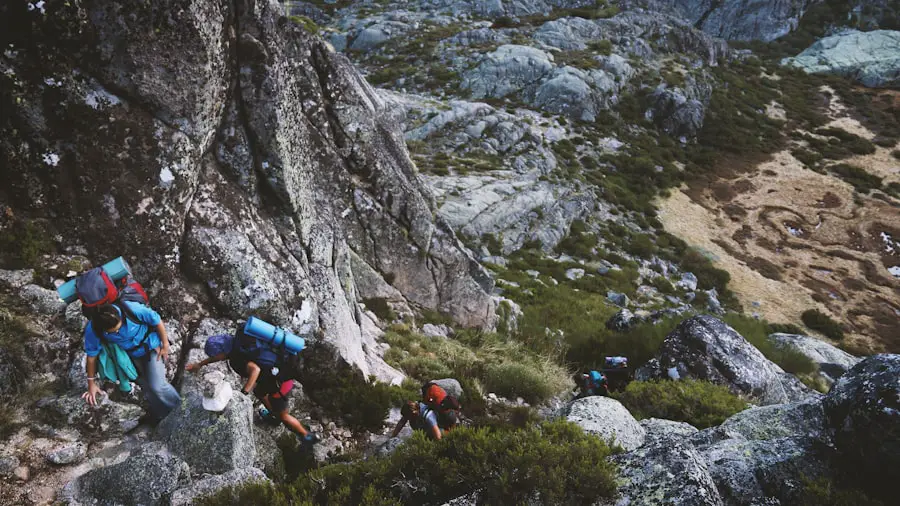
There is no single durability rating that applies to all Skechers hiking boots. Construction varies from synthetic and mesh uppers to combinations of suede, leather, woven materials, and synthetic overlays.
Relment – Pelmo, for example, combines suede, synthetic material, and mesh with a lug-patterned rubber outsole. Terraform – Emmett uses a leather and woven upper with a Goodyear rubber outsole. Those designs should be evaluated separately rather than grouped under a general statement that “Skechers hiking boots are durable.”
What Affects Hiking-Boot Durability?
- Terrain: Sharp rock and scree are harder on uppers and outsoles than maintained dirt paths.
- Mileage: Frequent hiking naturally accelerates tread and cushioning wear.
- Pack weight: Greater loads place more stress on cushioning, midsoles, and foot support.
- Water and mud: Repeated wetting and improper drying can shorten the useful life of materials and adhesives.
- Fit: Excessive heel movement or an incorrect width can create unusual wear while also causing discomfort.
When Should You Replace Hiking Boots?
Consider replacement when tread is worn smooth enough to reduce grip, the outsole is separating from the upper, seams are opening, the heel no longer feels secure, cushioning has collapsed, or a waterproof boot repeatedly leaks because of material or seam damage.
A boot does not need to look destroyed before its performance has declined.
How to Care for Skechers Hiking Boots
Remove loose dirt after hiking and follow the care directions for the specific materials in your boot. Skechers’ current weather-ready guidance recommends gentle cleaning with a soft cloth, mild soap, and water for water-repellent footwear and warns that aggressive washing can affect surface treatments.
Let wet boots air-dry away from direct high heat. Before storing them, make sure the uppers and interior are dry.
How to Choose the Right Skechers Hiking Boot
Start with the trail rather than the shoe’s appearance.
For Maintained Day-Hiking Trails
A comfortable trail boot with secure fit, appropriate tread, and enough underfoot protection may be all you need. Models such as Trego, Relment, or Terraform can be worth considering when their specifications match the route.
For Wet Trails
Choose a model specifically labeled waterproof rather than assuming a water-repellent upper will provide the same protection. Check the tongue and upper design as well, because water can still enter over the top of a boot.
For Rocky or Steep Terrain
Prioritize secure heel hold, outsole grip, protection around the foot, and a stable platform. The National Park Service recommends sturdy hiking footwear with good tread for many unpaved and rugged trails.
For Heavy Backpacking
Comfort alone is not enough. A heavy pack and multiple days on rough terrain can call for a stiffer midsole, stronger upper, and more structured support than a comfort-oriented day-hiking boot provides.
Skechers does not give one universal terrain rating for every hiking boot, so assess the individual model rather than assuming the brand is automatically suitable or unsuitable for backpacking.
Where to Purchase Skechers Hiking Boots
The most direct place to check current models, specifications, available widths, and colors is the official Skechers boots collection. Buying directly also makes it easier to compare the manufacturer’s current waterproofing and technology labels.
Skechers hiking footwear can also appear at third-party footwear and outdoor retailers. Zappos, for example, currently lists Skechers hiking boots. Inventory at retailers such as Dick’s Sporting Goods, Academy Sports + Outdoors, Amazon, and other stores can vary by model, location, and season, so confirm the style number rather than relying only on the product title.
When buying online, verify:
- The exact Skechers style name and style number.
- Whether the listing says waterproof or water-repellent.
- Available width options.
- The outsole and upper materials.
- The seller and return conditions.
Skechers’ U.S. online return policy currently allows eligible unworn items to be returned within the applicable return period, so try the boots indoors before taking them onto a trail if you are still evaluating the fit.
If you’re also putting together a broader camping setup, TakeTravelInfo has information on gear such as lightweight travel electronics, rechargeable hand warmers, and solar-powered camping lanterns.
Are Skechers Hiking Boots Worth It?
Skechers hiking boots can be worth considering when comfort, roomy fit options, everyday versatility, and day-hiking performance are the priorities. Current models prove that Skechers does offer real trail-hiking features, including waterproof construction, lugged outsoles, and—in selected styles—Goodyear rubber traction.
The mistake is buying based on the Skechers name alone. A Relment – Daggett that is labeled water-repellent is not interchangeable with a waterproof Relment – Pelmo, and neither should automatically be treated as equivalent to a stiff backpacking boot designed around heavy loads and rugged multi-day travel.
For maintained trails and moderate outdoor use, a properly fitted Skechers hiking boot may provide the comfort and traction you need. For technical terrain, long backcountry trips, heavy packs, ice, or demanding mountain routes, compare the exact Skechers model with purpose-built alternatives and choose the footwear that best matches the conditions.
Frequently Asked Questions
Are Skechers known for making hiking boots?
Skechers is widely associated with casual, walking, work, and athletic footwear, but it also sells dedicated trail-hiking boots. Current examples include the Trego, Relment, Rickter, and Terraform families.
What features do Skechers hiking boots typically have?
Features vary by model. Current hiking styles may include Air-Cooled Memory Foam cushioning, Relaxed Fit construction, waterproof or water-repellent uppers, lugged rubber traction outsoles, and selected Goodyear rubber outsoles. Always check the exact product specifications.
Are all Skechers hiking boots waterproof?
No. Skechers sells both waterproof and water-repellent outdoor footwear. Trego – Trail Destination, Relment – Pelmo, and Terraform – Emmett are examples of current waterproof hiking models, while Relment – Daggett is currently labeled water-repellent.
Do Skechers hiking boots come in different styles and colors?
Yes. Skechers offers multiple men’s and women’s outdoor styles, colors, heights, materials, and width choices. Exact combinations depend on the model and current inventory.
Are Skechers hiking boots good for wide feet?
Some can be. Relaxed Fit provides extra room around the toe and forefoot, while selected Skechers models also come in Wide or Extra Wide versions. Relaxed Fit and Wide Fit are not the same, so choose based on where your foot needs additional space.
Are Skechers hiking boots suitable for different types of hiking?
They can suit maintained trails, day hikes, travel, and moderate outdoor use when the specific model fits the conditions. For heavy backpacking, technical mountain terrain, prolonged off-trail travel, or winter ice, compare the boot’s structure and traction with footwear designed specifically for those demands.
Do Skechers hiking boots need to be broken in?
Break-in needs vary by model and foot shape. Even when a boot feels comfortable immediately, wear it on shorter walks before a long hike. A new boot should not require you to tolerate sharp pressure, heel slipping, numbness, or toes striking the front.
Where can I purchase Skechers hiking boots?
You can buy current models through Skechers’ official website and stores as well as third-party footwear retailers. Availability changes, so use the exact model and style number when comparing listings.
Sources
- Skechers — Brand History — supports the company’s 1992 origins and footwear history.
- Skechers — Weather-Ready Buyer’s Guide — explains the distinction between waterproof and water-repellent footwear.
- Skechers — Waterproof Relaxed Fit Trego – Trail Destination — supports waterproofing, Air-Cooled Memory Foam, Relaxed Fit, and traction specifications.
- Skechers — Waterproof Relaxed Fit Relment – Pelmo — supports waterproofing and lug-patterned outsole specifications.
- Skechers — Shoe Size and Fit Guide — supports width and fit guidance.
- U.S. National Park Service — Hike Smart — supports the recommendation to use suitable hiking footwear with appropriate tread on unpaved trails.

