Last Updated on July 27, 2026 by Daniel Globe
Waterproof hiking shoes can be a smart choice when rain, mud, wet grass, slush, or cold conditions are likely. But they are not automatically the best hiking shoes for every trip. In hot or dry weather, a breathable non-waterproof shoe may keep your feet more comfortable and dry faster if it gets soaked. The right choice depends on where you hike, the temperature, how long you will be out, and how much water you expect to encounter.
Quick Answer
You need waterproof hiking shoes when you regularly hike through rain, mud, wet vegetation, shallow puddles, slush, or cold and damp conditions. For hot, dry hikes or routes with repeated deep water crossings, breathable non-waterproof shoes often make more sense because they ventilate and dry faster.
Key Takeaways
- Choose waterproof hiking shoes for persistent rain, muddy trails, wet vegetation, shallow puddles, slush, and many cold-weather hikes.
- Choose breathable non-waterproof footwear more often for hot, dry climates and hikes where your shoes are likely to become fully flooded.
- A waterproof membrane is not insulation. Winter footwear may need separate insulation for warmth.
- Waterproof membranes can release moisture vapor, but they generally do not ventilate as freely as comparable non-waterproof mesh shoes.
- Fit, socks, outsole traction, support, durability, and waterproofing are separate factors. Do not choose a shoe based on the waterproof label alone.
Disclosure: As an Amazon Associate I earn from qualifying purchases. Some links on this page are affiliate links, at no extra cost to you.
Terrain and Weather Considerations
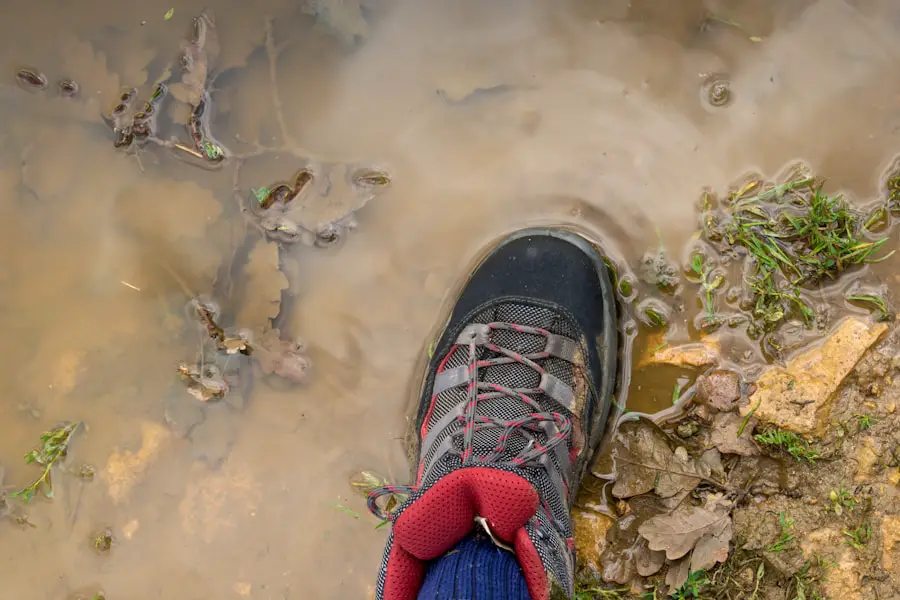
The strongest reason to choose waterproof hiking shoes is repeated exposure to moisture from outside the shoe. Rain-soaked trails, mud, wet grass, shallow puddles, melting snow, and damp shoulder-season conditions are where a waterproof membrane can provide a real comfort advantage.
Waterproof footwear can also be useful when conditions are both cold and wet. Keeping external water away from your socks reduces one source of heat loss and discomfort. In prolonged cold and wet conditions, keeping feet dry becomes a safety issue as well. The CDC/NIOSH cold-stress guidance notes that prolonged exposure to wet and cold conditions can contribute to trench foot.
Note: Waterproof does not mean insulated. A waterproof membrane is designed to block water while allowing some moisture vapor to escape. If you are hiking in genuinely cold winter conditions, look separately at insulation, sock warmth, boot height, and the manufacturer’s temperature or intended-use guidance.
Hot and dry environments create a different problem. Your feet may produce far more moisture from sweat than they encounter from rain. In those conditions, breathable non-waterproof hiking shoes or trail runners often feel cooler and can dry more quickly.
Water crossings also require some judgment. A waterproof shoe works well against splashes and shallow water that stays below the top of the shoe. It cannot prevent water from pouring over the collar. Once a low-cut waterproof shoe is flooded from above, the water has no easy drain path and drying may take longer than it would in highly ventilated footwear.
Waterproof or Non-Waterproof: Which Fits the Conditions?
| Conditions | Usually the Better Choice | Why |
| Steady rain and muddy trails | Waterproof | Helps block repeated external moisture. |
| Wet grass and morning dew | Waterproof | Repeated brushing against soaked vegetation can wet non-waterproof uppers quickly. |
| Cold rain, slush, or light snow | Waterproof; insulated if temperatures require it | Keeping external water out is valuable, but waterproofing alone does not provide insulation. |
| Hot, dry summer hiking | Non-waterproof | Better airflow can reduce heat and sweat buildup. |
| Frequent crossings above shoe height | Often non-waterproof, quick-drying footwear | If water will enter over the collar anyway, faster drainage and drying can become more useful than a membrane. |
| Mixed weather on a cool day hike | Waterproof is often convenient | Provides a useful buffer against surprise rain, puddles, and damp vegetation. |
Benefits of Waterproof Hiking Shoes
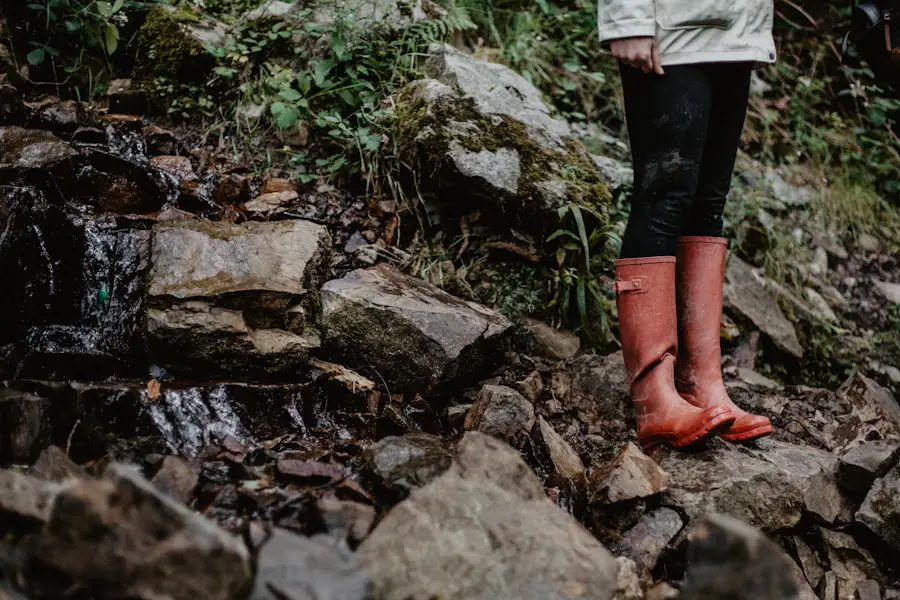
The main benefit of waterproof hiking shoes is simple: they reduce the amount of outside water that reaches your feet during normal wet-trail use. A properly constructed waterproof shoe can make rain, mud, wet grass, and shallow puddles far less bothersome.
Many waterproof hiking shoes use waterproof-breathable membranes. Technologies such as GORE-TEX are designed to block liquid water while allowing moisture vapor to escape. However, breathable does not mean the same thing as highly ventilated. REI’s hiking-footwear guidance notes that waterproof membranes generally reduce breathability compared with ventilated non-waterproof footwear.
Waterproof footwear can be especially useful on cool days because your socks are less likely to become soaked from rain or wet vegetation. That can improve comfort and reduce the amount of time your skin spends wet.
There is also a convenience benefit. On a short day hike through intermittent mud and puddles, stepping around every damp patch is unnecessary when your footwear is designed for those conditions.
Think of waterproofing as protection from outside moisture—not as a universal upgrade to every hiking shoe.
Other features often found on rugged waterproof footwear—such as protective toe caps, aggressive outsoles, or supportive midsoles—can also be useful. But those features come from the shoe’s overall design, not from waterproofing itself. A non-waterproof shoe can have excellent traction and durability, while a waterproof shoe can have an outsole poorly suited to a particular surface.
Drawbacks of Waterproof Hiking Shoes
| Drawback | What It Means on the Trail |
| Reduced Breathability | A membrane generally reduces airflow compared with open mesh, so feet may feel hotter and sweatier in warm conditions. |
| Slower Drying After Flooding | If water enters over the collar, the lining and enclosed construction may take longer to dry than a highly ventilated shoe. |
| Potential Weight Increase | A waterproof liner and associated construction can add some weight, although the difference varies greatly between models. |
| Heat and Sweat | Hot-footed hikers may prefer the airflow of non-waterproof shoes, especially in summer. |
| Higher Cost on Some Models | Waterproof versions of a footwear line may cost more, so paying for the membrane makes less sense if you rarely hike in wet conditions. |
Breathability is the main trade-off. Waterproof-breathable technology allows vapor transmission, but a waterproof shoe generally cannot match the airflow of an otherwise similar shoe with an open mesh upper. On a hot summer trail, sweat may become the main source of moisture inside your shoes.
This matters for blister prevention. The American Academy of Dermatology recommends properly fitting footwear and moisture-wicking socks to reduce friction and help prevent foot blisters.
Drying time also matters on multiday trips. A waterproof shoe that successfully keeps rain out can be excellent. A waterproof shoe that becomes completely flooded from a deep crossing may be frustrating because its enclosed construction is not designed to drain like a water shoe or airy trail runner.
Alternatives to Waterproof Hiking Shoes
Non-waterproof hiking shoes are not simply cheaper versions of waterproof shoes. In the right conditions, they are the better tool.
A breathable hiking shoe or trail-running shoe can work particularly well in hot, dry weather. Lightweight synthetic uppers often ventilate well and dry more quickly after sweat, splashes, or brief soaking.
Water-resistant footwear sits between the two categories. A tightly woven or treated upper may shed light moisture for a while without containing a fully waterproof membrane. This can be useful when you want some weather resistance without giving up as much ventilation.
Traditional leather hiking footwear can also offer useful water resistance, depending on the leather, construction, seams, treatments, and maintenance. However, leather should not automatically be treated as either fully waterproof or more breathable. Follow the manufacturer’s description for the exact model.
Gaiters are another useful tool. They cover the gap around the top of the footwear and can reduce the amount of rain, mud, snow, grit, and trail debris entering from above. They are particularly useful with boots in wet vegetation or snow.
Note: Gaiters do not turn a low-cut non-waterproof shoe into a submersible waterproof boot. Their performance depends on the gaiter design, footwear, fit, and depth of the water.
Choosing the Right Waterproof Hiking Shoes
Assessing the Type of Hiking
Start with the conditions you actually hike in rather than assuming waterproof is always better.
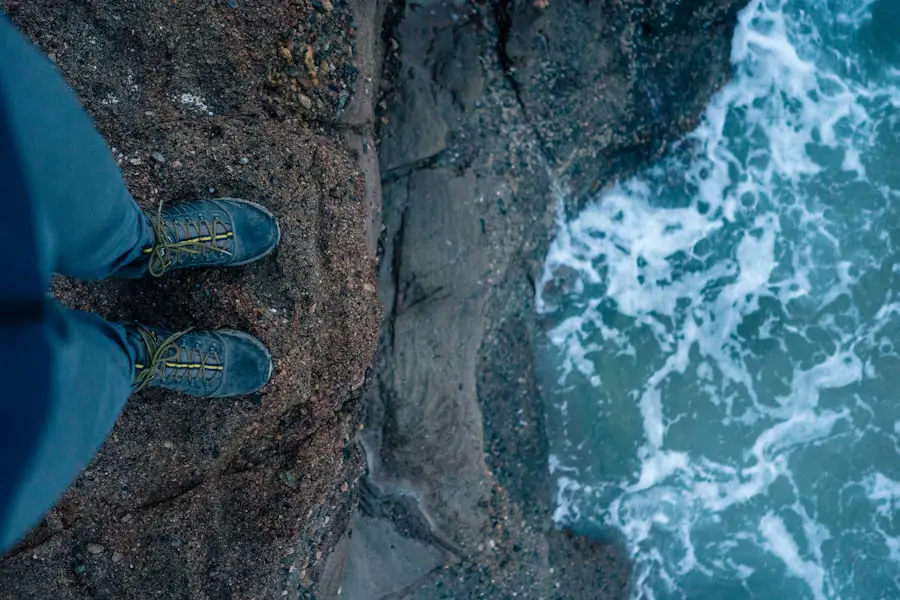
For cool, muddy, rainy routes, a waterproof hiking shoe or boot is often a practical choice. For steep or rugged terrain, also consider outsole grip, underfoot protection, fit, and the amount of structure you want around the foot and ankle.
For maintained summer trails, a lighter hiking shoe or trail runner may provide all the protection you need while reducing heat buildup. Longer backpacking trips add another consideration: how easily your footwear will dry overnight if it becomes saturated.
Waterproof vs. Water-Resistant vs. Non-Waterproof
A waterproof hiking shoe normally contains a waterproof barrier or membrane intended to prevent liquid water from passing through the shoe’s protected construction.
A water-resistant shoe may resist light rain, splashes, or damp vegetation but is not intended to provide the same water barrier as a waterproof model.
A non-waterproof shoe prioritizes other features such as airflow, low weight, drainage, and fast drying. It can become wet quickly, but that is not always a disadvantage when temperatures are warm and water crossings are frequent.
Fitting the Right Shoe
Fit matters more than the waterproof label. Shoes that slide at the heel, crush the toes, or create pressure points can cause discomfort regardless of how dry they keep your feet.
REI recommends hiking footwear that feels snug but not tight and leaves room to wiggle your toes. One useful length check is roughly a thumb’s width between your longest toe and the end of the insole.
- Try the shoes with the same sock thickness you plan to hike in.
- Shop or test fit later in the day when your feet may be slightly larger.
- Make sure your heel remains secure rather than lifting excessively.
- Walk downhill or on an incline to check that your toes do not hit the front.
- Do not assume a painful pressure point will disappear after break-in.
Pro Tip: Test new hiking shoes on several shorter walks before taking them on an all-day or multiday hike. Waterproofing cannot compensate for a poor fit.
Choose the Right Socks Too
Socks are part of the moisture-management system. The National Park Service recommends wool or synthetic moisture-wicking socks for longer hikes and suggests carrying an extra pair.
Avoid assuming that waterproof shoes allow you to ignore sweaty socks. Changing into a dry pair can make a major difference during a long wet day, especially if perspiration has built up inside the shoe.
Additional Considerations
Do not use the word “waterproof” as a shortcut for overall quality. Evaluate each important feature separately:
- Outsole: Look for a tread pattern and rubber compound suited to the surfaces you hike on.
- Underfoot protection: Rocky terrain may call for a firmer platform or protective plate.
- Upper durability: Abrasion-resistant material matters on rough rock and brush.
- Fit: The shape must match your foot, including width and overall volume.
- Weight: Lighter footwear can reduce fatigue, but extremely light models may provide less protection.
- Breathability: Hot-weather hikers should pay particular attention to ventilation.
- Waterproofing: Choose it when keeping outside moisture out is more important than maximum airflow and fastest drying.
When Waterproof Hiking Shoes Are Worth It
Waterproof hiking shoes make the most sense when your normal hiking conditions repeatedly expose your feet to external moisture without regularly flooding the shoes from above.
Good examples include:
- Rainy day hikes in cool or moderate temperatures.
- Muddy forest trails.
- Routes covered in wet grass, brush, or morning dew.
- Shallow puddles and small splashes.
- Cool shoulder-season hiking.
- Light snow or slush when the shoe is otherwise appropriate for the temperature.
They can also be convenient for hikers who dislike stopping to avoid every muddy or wet section of trail. In these situations, a waterproof membrane does what it is designed to do: create a barrier between your foot and normal external moisture.
When Non-Waterproof Hiking Shoes May Be Better
Non-waterproof footwear deserves serious consideration when heat, ventilation, or fast drying matters more than keeping occasional water out.
It is often a better choice for:
- Hot summer hikes.
- Dry desert environments.
- Humid climates where sweating is a major concern.
- Fast-paced hiking or trail running.
- Trips with repeated water crossings that will flood low-cut shoes regardless of the membrane.
- Hikers whose feet consistently run hot in waterproof footwear.
For a warm route with numerous unavoidable stream crossings, some hikers deliberately accept getting wet and use quick-drying footwear and moisture-wicking socks instead of trying to stay waterproof all day.
Warning: Do not treat wet feet as merely a comfort issue during prolonged cold exposure. Change wet socks, dry your feet when practical, and address numbness, unusual swelling, persistent pain, or other signs of cold injury promptly.
Maintenance and Care of Waterproof Hiking Shoes
Waterproof hiking shoes need regular cleaning because mud, grit, and contamination can affect the upper materials and the way the outer surface handles water. Always check the shoe manufacturer’s instructions first because leather, synthetic fabrics, membranes, adhesives, and treatments can require different care.
Clean Dirt and Mud After Hiking
For GORE-TEX footwear, the manufacturer’s current care guidance recommends removing the laces, shaking out dirt and gravel, removing the insole when possible, and brushing loose dirt away. The footwear can then be cleaned with lukewarm water and a small amount of liquid detergent.
Do not automatically put waterproof hiking shoes in a washing machine or use bleach. GORE-TEX footwear-care instructions specifically advise against both for its products.
Dry Them Without Excessive Heat
Let waterproof shoes dry naturally at moderate temperatures unless the manufacturer says otherwise. Remove the insoles to improve airflow if they are designed to come out.
Avoid placing footwear directly against a heater, stove, fireplace, or other intense heat source. Excessive heat can damage footwear components and adhesives.
Restore Water Repellency When Needed
The outer surface of waterproof footwear may have a durable water-repellent treatment that helps water bead and roll away. Over time, that treatment can wear down even when the internal waterproof barrier is still functioning.
For GORE-TEX footwear, the company recommends applying an appropriate water-based DWR restorative when water no longer beads on the surface. It specifically advises against waterproofing waxes or greases because they can affect breathability.
Leather footwear may have different requirements, so follow the shoe manufacturer’s treatment instructions instead of applying a generic waterproofing product.
Pro Tip: Clean and dry your footwear before assuming the waterproof membrane has failed. A dirty or worn outer water-repellent finish can make the upper look saturated even when the internal barrier is still preventing water from reaching your sock.
Making the Decision for Your Hiking Needs
Waterproof hiking shoes are valuable equipment, but they are not mandatory for every hiker. Their biggest advantage is protection from rain, mud, wet vegetation, slush, and other external moisture that stays below the shoe or boot collar. Their biggest trade-off is reduced ventilation compared with many non-waterproof alternatives.
Choose waterproof footwear when you expect cool, wet conditions and want to prevent outside water from soaking your socks. Choose non-waterproof footwear when the trail is hot and dry, when maximum airflow matters, or when repeated deep water crossings will make keeping the inside dry unrealistic.
Most importantly, judge the whole shoe. Good fit, moisture-wicking socks, suitable outsole traction, underfoot protection, and appropriate support can matter just as much as the waterproof membrane.
When deciding what to wear for your next hike, check the expected weather and recent trail conditions rather than relying on one type of footwear for every trip. A cool rainy forest, a dry desert trail, and a route with repeated creek crossings place very different demands on your feet.
Frequently Asked Questions
What are waterproof hiking shoes?
Waterproof hiking shoes are footwear designed with a water barrier, often a waterproof-breathable membrane such as GORE-TEX or eVent, to stop normal external moisture from reaching the inside while allowing some water vapor to escape.
Do I need waterproof hiking shoes?
Not for every hike. They are useful for rain, mud, wet vegetation, shallow puddles, slush, and cool damp weather. Breathable non-waterproof shoes are often more comfortable in hot and dry conditions or when repeated deep water crossings will flood your footwear anyway.
What are the benefits of waterproof hiking shoes?
Their main benefit is keeping rain, mud, wet grass, and shallow splashes away from your socks. This is particularly useful in cool or persistently wet conditions. Waterproofing itself does not guarantee better traction, support, durability, or insulation.
Can I use regular hiking shoes instead of waterproof ones?
Yes. Non-waterproof hiking shoes are often an excellent choice in warm, dry conditions. They usually provide more airflow and may dry faster after becoming wet. Choose based on the weather, terrain, temperature, pace, and expected water exposure.
Are there any drawbacks to waterproof hiking shoes?
Yes. Waterproof footwear is generally less ventilated than comparable non-waterproof mesh footwear and can feel hotter in warm weather. Some waterproof models are also heavier or more expensive, and they can take longer to dry after water enters over the collar.
Are waterproof hiking shoes good for summer?
They can be useful during a cool, rainy summer hike, but they are often unnecessary in hot, dry weather. If your feet run hot or sweat heavily, a breathable non-waterproof shoe may be more comfortable.
Can I cross streams in waterproof hiking shoes?
They can handle shallow splashes and water that stays below the protected upper and collar. If you step into water deep enough to enter over the top, the inside can still become soaked. Routes with repeated deep crossings may favor quick-drying footwear or a separate crossing strategy.
Do waterproof hiking shoes keep your feet warm?
Keeping external water out can help with comfort in cold conditions, but waterproofing is not the same as insulation. For cold-weather hiking, check whether the footwear has actual insulation and pair it with appropriate socks.
Sources
- REI Co-op — How to Choose Hiking Boots and Shoes — waterproof-membrane trade-offs, footwear types, terrain considerations, and fitting guidance.
- GORE-TEX — Footwear Care Instructions — cleaning, drying, and restoring water repellency on GORE-TEX footwear.
- American Academy of Dermatology — How to Prevent and Treat Blisters — footwear fit, moisture-wicking socks, friction, and blister prevention.
- CDC/NIOSH — Cold-Related Illnesses — risks associated with prolonged wet and cold exposure to the feet.
- National Park Service — Hike Smart — hiking footwear and moisture-wicking sock recommendations.