
Last Updated on July 27, 2026 by Daniel Globe
Frankfurt rewards visitors who look beyond its reputation as a banking centre. Within a compact part of the city, you can walk from reconstructed old-town lanes and an imperial coronation church to major art museums, riverside paths, apple-wine taverns and one of Germany’s most recognisable skylines. The best Frankfurt itinerary mixes its historical centre with the River Main, local food and at least one viewpoint or museum.
Quick Answer
The best things to do in Frankfurt include exploring Römerberg and the New Old Town, climbing Frankfurt Cathedral, visiting the Städel Museum, walking the River Main and Museumsufer, trying apple wine in Sachsenhausen, shopping on the Zeil, visiting Palmengarten and taking in the skyline from Main Tower.
Key Takeaways
- Römerberg, the New Old Town and Frankfurt Cathedral form the best starting point for a first visit.
- The Städel Museum and the wider Museumsufer make Frankfurt one of Germany’s strongest museum destinations.
- Sachsenhausen is the place to experience traditional Frankfurt apple-wine culture and regional food.
- For city views, walk the Main riverbank and visit Main Tower’s observation terrace.
- The Zeil, Kleinmarkthalle and Palmengarten add shopping, food and green space to a city-centre itinerary.
Disclosure: As an Amazon Associate I earn from qualifying purchases. Some links on this page are affiliate links, at no extra cost to you.
Explore Römerberg Square
Römerberg is the historic heart of Frankfurt and an ideal place to begin sightseeing. Its best-known building is the Römer, the distinctive gabled complex that has served as Frankfurt’s city hall since 1405.
The square looks medieval, but its history is more complicated. Much of Frankfurt’s Old Town was destroyed during air raids in 1944. Several buildings around Römerberg were later reconstructed, including the picturesque half-timbered eastern row. Knowing this makes the square more interesting rather than less so: it shows how Frankfurt has chosen to recover and reinterpret its historical centre.
At the centre stands the Fountain of Justice, with a figure of Justitia holding scales and a sword. The present bronze figure dates from 1887 and replaced an earlier stone version. At the southern edge of the square, Old St Nicholas Church traces its history to the 13th century and has a 47-bell carillon.
Pro Tip: Visit Römerberg early in the morning for quieter photos, then continue directly into the New Old Town and on to Frankfurt Cathedral. The three sights sit within a very compact area.
Römerberg becomes especially lively during the Frankfurt Christmas Market, when stalls extend through the historic centre and toward the Main. Dates change each year, so check the official Christmas Market page before planning a winter trip.
Walk Through the New Frankfurt Old Town
Between Römerberg and the cathedral lies Frankfurt’s New Old Town, one of the most important additions to the city’s visitor experience. Completed in 2018, the quarter contains 35 buildings, including 15 faithful historical reconstructions and 20 new buildings designed to fit the area’s older street plan.
Walk along Markt, historically part of the route used during imperial coronation ceremonies, and explore small squares, cafés and shops tucked between the buildings. The quarter also incorporates archaeological remains connected with Roman settlement and the Carolingian imperial palace.
The New Old Town is useful for understanding Frankfurt as a whole. Rather than pretending the destruction of World War II never happened, the district combines reconstruction, archaeological evidence and modern architecture in one small area. The official Frankfurt tourism guide provides more background on the project.
Visit the Iconic Frankfurt Cathedral
Frankfurt Cathedral, formally St Bartholomew’s Imperial Cathedral, is one of the city’s most important historical buildings. Strictly speaking, it is not a cathedral in the usual church-administration sense because Frankfurt was never a bishop’s seat. Its importance comes instead from its role in the Holy Roman Empire.
The church did not simply reach completion in the 14th century. Several religious buildings stood on this site over the centuries. The surviving Gothic church developed in stages, while construction of the large west tower began in 1415. The tower now rises about 95 metres above central Frankfurt.
From 1356, royal elections took place here under the rules of the Golden Bull. Between 1562 and 1792, ten Holy Roman emperors were crowned at the church’s coronation altar. The City of Frankfurt provides a concise history of its political and religious importance.
Visitors who are comfortable with stairs can climb roughly 328 steps toward the tower gallery for views over the Old Town and modern skyline. Access and opening periods can change, so check current information before your visit.
Note: The cathedral is still an active place of worship. Sightseeing access may be limited during services, religious events or maintenance.
Experience 700 Years of Art at the Städel Museum
The Städel Museum is one of Frankfurt’s essential cultural stops. Banker and businessman Johann Friedrich Städel established the institution as a civic foundation in 1815. Today its collection offers an overview of roughly 700 years of European art, from the early 14th century to the present.
Highlights include works associated with artists such as Rembrandt, Johannes Vermeer, Claude Monet, Pablo Picasso, Albrecht Dürer, Sandro Botticelli, Max Beckmann, Gerhard Richter and many others. The Städel Museum’s official history explains both the collection and the institution’s development.
The building is also worth noticing. In 2012, the Städel opened its Garden Halls for contemporary art. Rather than adding a conventional glass-fronted wing, the expansion extends beneath the museum garden, where circular skylights bring daylight into the exhibition space below.
Give the museum more time than a quick walk-through if art is one of your priorities. Its permanent collection stretches across centuries, and temporary exhibitions can add significantly to a visit.
Shop and Dine on the Zeil
The Zeil is Frankfurt’s best-known pedestrian shopping street. It combines department stores, international brands, smaller shops and several shopping centres in the heart of the city.
| Best For | Mainstream shopping, fashion, electronics and an easy city-centre stroll |
| Main Indoor Stop | MyZeil, with about 52,000 m² of retail space across eight levels |
| Good Pairing | Hauptwache, Kleinmarkthalle and the Old Town |
| Rainy-Day Value | High, thanks to large indoor shopping and dining areas |
MyZeil is the street’s architectural showpiece. Its huge curved glass entrance opens into a shopping centre with more than 52,000 square metres of retail space. Current store and dining information is available through Frankfurt’s official visitor site.
The Zeil is also close enough to Frankfurt’s historical centre that you do not need to devote an entire day to shopping. It works well as a link between Hauptwache, the Old Town and the nearby food market at Kleinmarkthalle.
Eat Your Way Through Kleinmarkthalle
For a more local food experience, walk a few minutes from the Zeil to Kleinmarkthalle. The indoor market brings together roughly 150 stalls selling produce, meat, cheese, baked goods, spices and foods from both the Rhine-Main region and around the world.
It is a good place to look for Frankfurt specialties such as Green Sauce, traditionally made with a mixture of fresh herbs, or to stop for a quick lunch rather than a formal restaurant meal. The market’s international selection also reflects Frankfurt’s multicultural character.
Because individual vendors and operating days can change, check the current Kleinmarkthalle visitor information before making a special trip.
Take a Stroll Along the River Main
The River Main gives Frankfurt a welcome break from its dense city centre. Paths along both banks are popular for walking, running, cycling and simply sitting near the water.
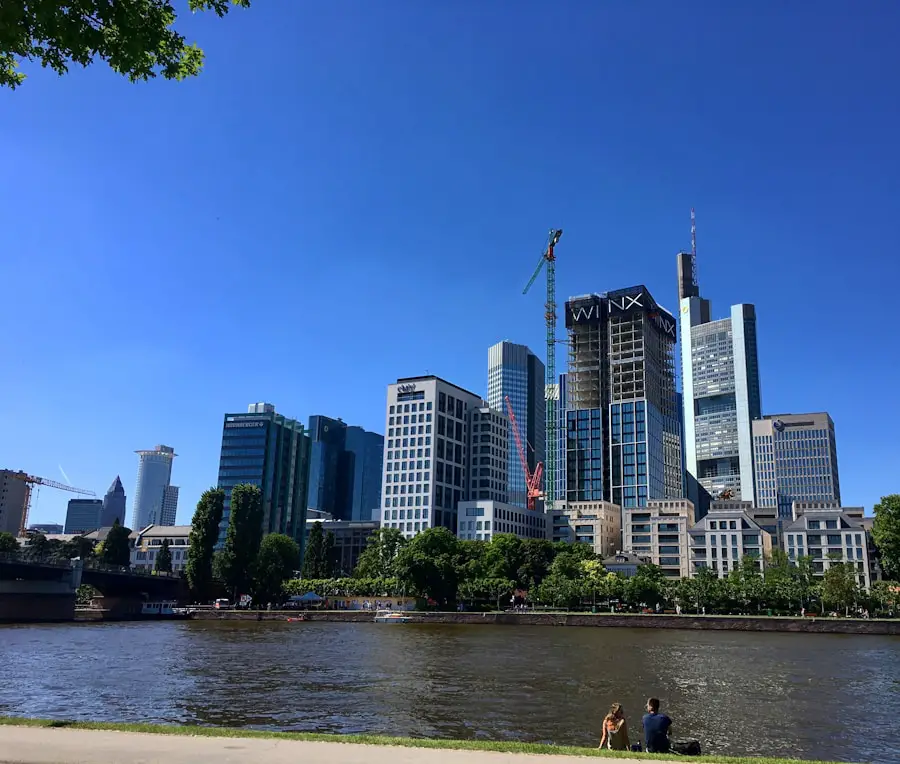
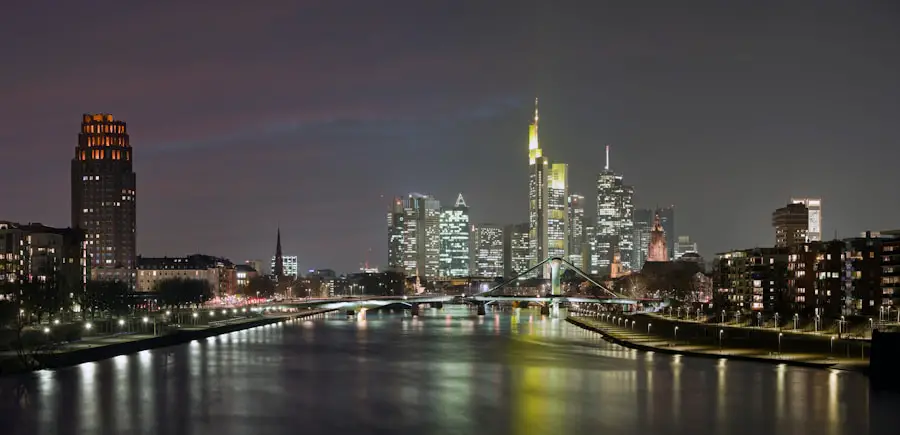
The river is also one of the best places to understand Frankfurt’s unusual cityscape. Look north and you can see modern office towers rising behind older churches and neighbourhoods. From the south bank, the skyline becomes especially clear.
Boat trips operate on the Main and provide another angle on the city, but a simple riverside walk costs nothing and is easy to combine with the Städel Museum, Sachsenhausen or the Old Town.
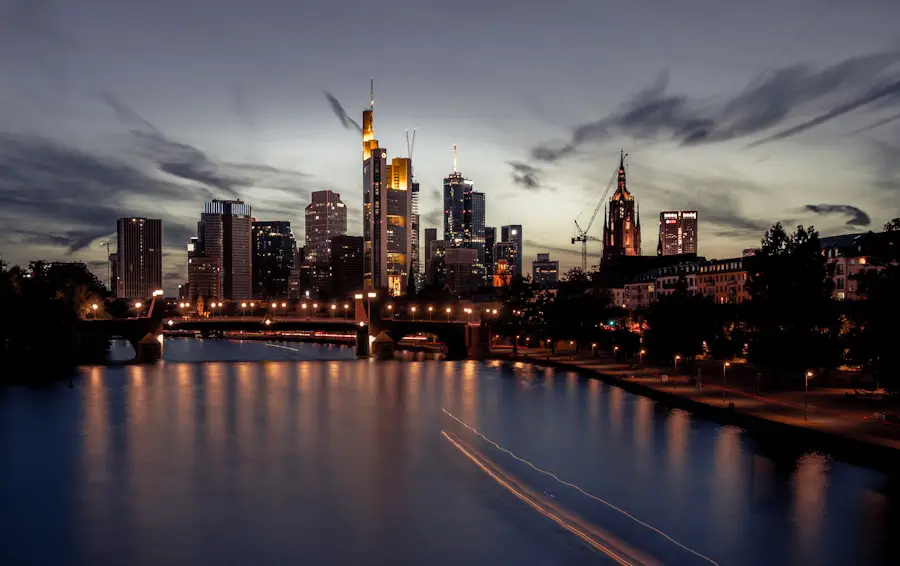
Pro Tip: Save your river walk for late afternoon or early evening. You can continue into Sachsenhausen for dinner or stay near the water as the skyline begins to light up.
Explore Frankfurt’s Museumsufer
The Städel is only one part of Frankfurt’s much larger museum landscape. The Museumsufer, or Museum Embankment, brings together museums and exhibition venues along the Main and in nearby parts of the city.
Frankfurt’s official Museumsufer network encompasses 39 museums and exhibition venues, with many of the central institutions within walking distance of one another.
On and around Schaumainkai you can find the Städel, Museum Angewandte Kunst, the Museum of Communication and DFF – Deutsches Filminstitut & Filmmuseum, among others. Museums on the north side of the river expand the choice further.
If museums are a major reason for your trip, consult the official Museumsufer overview and group two or three nearby institutions rather than crossing the city repeatedly.
Discover the Old Sachsenhausen District
Try Apple Wine and Frankfurt Specialties
Sachsenhausen, on the south side of the Main, is strongly associated with Frankfurt’s apple-wine culture. Locally, apple wine may be called Ebbelwei, Ebbelwoi, Äppler or Stöffche. Traditional taverns serve it from a blue-grey ceramic jug called a Bembel into ribbed glasses known as Gerippte.
Pair it with regional food such as Handkäs’ mit Musik, Frankfurt Green Sauce or other Hessian dishes. Apple wine contains alcohol, so travellers who do not drink should ask about non-alcoholic alternatives.
Explore Museums and Galleries
Sachsenhausen is not only a nightlife and dining district. It also sits beside many Museumsufer institutions. Film fans can visit DFF – Deutsches Filminstitut & Filmmuseum, whose permanent exhibition explores how moving images are created and experienced.
Experience Local Life
Old Sachsenhausen is most enjoyable when you treat it as a neighbourhood rather than a checklist attraction. Walk its smaller streets, choose a tavern that suits your atmosphere and combine dinner with an evening stroll back across the Main.
Frankfurt’s official tourism site has more background on Old Sachsenhausen and its apple-wine traditions.
Enjoy Palmengarten Botanical Garden
Palmengarten offers a quieter contrast to Frankfurt’s shopping streets and financial district. The garden covers roughly 19 hectares and contains around 9,000 plant species in outdoor landscapes and historic display houses.
The garden opened in 1871, although its Palm House is even older: the glasshouse opened in 1869. Today visitors can move between outdoor plantings and indoor environments that display plants adapted to different climates.
Walking paths, lawns, water features and seasonal displays make Palmengarten useful both for serious plant lovers and travellers who simply want a break from museums and city streets. Families can also check the garden’s current children’s programmes and events.
For current opening information and seasonal displays, use the official Palmengarten website.
Visit Goethe House
Johann Wolfgang von Goethe was born in Frankfurt on August 28, 1749, and his family home is now one of the city’s best-known literary attractions. The house introduces visitors to Goethe’s childhood, youth and early writing years.
The original building was destroyed during World War II and faithfully reconstructed after the war, reopening in 1951. Its period rooms help place Goethe’s work within the life of an affluent Frankfurt household in the 18th century.
The attraction is especially worthwhile for visitors interested in German literature, European cultural history or historical interiors. Check the current Goethe House visitor information for opening details.
Experience Frankfurt’s Modern Skyline
Frankfurt’s concentration of high-rise buildings gives it a skyline unlike that of most German cities. Seeing the towers from street level is interesting, but the clearest overview comes from Main Tower.
Main Tower rises 200 metres, or about 240 metres including its antenna. Its public viewing terrace is about 187 metres above the ground and provides broad views across Frankfurt and the surrounding region.
From above, the city’s contrasts make more sense. The financial district sits surprisingly close to the Römerberg, cathedral, river and residential neighbourhoods. Check the official Main Tower visitor listing before travelling, because observation access can be affected by weather, maintenance or special events.
2026 Note: Frankfurt RheinMain is World Design Capital 2026. The year-long programme includes exhibitions, workshops, talks and design projects across Frankfurt and the wider Rhine-Main region. Travellers visiting in 2026 can check the official WDC 2026 calendar for events taking place during their stay.
How to Plan a First Visit to Frankfurt
Frankfurt’s central attractions are close enough that you can cover a surprising amount on foot. A practical first-day route starts at Römerberg, continues through the New Old Town to Frankfurt Cathedral, then heads toward Kleinmarkthalle and the Zeil. In the afternoon, walk to the Main, visit the Städel or another Museumsufer institution, and finish in Sachsenhausen.
On another half-day, visit Palmengarten, Goethe House and Main Tower according to your interests and the weather.
Using Public Transport
Frankfurt has an extensive network of S-Bahn trains, U-Bahn trains, trams and buses. For the historical centre, Dom/Römer is one of the most convenient stations.
Visitors who expect to use transit frequently and visit paid attractions can compare ordinary RMV fares with the Frankfurt Card. The standard Frankfurt Card includes local public transport within Frankfurt, including the airport zones covered by the card, plus discounts at participating attractions. A separate Frankfurt Card Basic offers discounts without public transportation.
Choosing the Best Time to Visit
There is no single best month for everyone. April through June is appealing for mild-weather sightseeing and gardens. Summer brings long days and outdoor events but can also be busier and warmer. September and early autumn work well for walking and cultural trips.
Late November and December are especially attractive to travellers interested in the Frankfurt Christmas Market and seasonal atmosphere. Winter days are shorter, so plan outdoor sightseeing earlier and save museums, restaurants and taverns for later in the day.
For more travel-planning information from this site, you can also visit TakeTravelInfo.
Frequently Asked Questions
What are the top things to do in Frankfurt?
Top Frankfurt attractions include Römerberg, the New Old Town, Frankfurt Cathedral, the Städel Museum, Museumsufer, the River Main, Sachsenhausen, Palmengarten and Main Tower. First-time visitors should also consider Goethe House and Kleinmarkthalle.
What is the best time to visit Frankfurt?
Spring and early autumn are excellent for comfortable sightseeing, while summer offers long days and many outdoor events. Late November and December are ideal for travellers who want to experience Frankfurt’s Christmas Market and seasonal atmosphere.
What are some popular cultural attractions in Frankfurt?
Popular cultural attractions include the Städel Museum, Goethe House, DFF – Deutsches Filminstitut & Filmmuseum, the wider Museumsufer, Frankfurt Cathedral, the Historical Museum and the city’s many performing-arts venues.
What outdoor activities can you do in Frankfurt?
Visitors can walk or cycle along the River Main, explore Palmengarten, relax in the city’s parks, take a river cruise or spend time in Frankfurt City Forest. The riverside paths are among the easiest outdoor activities to combine with central sightseeing.
What are some family-friendly activities in Frankfurt?
Good family choices include Senckenberg Nature Museum, Frankfurt Zoo, Palmengarten, Frankfurt Young Museum, Experiminta ScienceCenter and a boat trip on the River Main. The former Explora Museum is not an option because it closed permanently in 2016.
Is Frankfurt easy to explore on foot?
Yes. Römerberg, the New Old Town, Frankfurt Cathedral, Kleinmarkthalle, the Zeil and the River Main are close enough to combine on foot. Public transport is helpful for Palmengarten, Senckenberg Museum, the airport and attractions farther from the centre.
How many days do you need in Frankfurt?
One full day is enough for the Old Town, riverfront and one major museum or viewpoint. Two days give you a more relaxed visit and time for Palmengarten, Goethe House, additional Museumsufer attractions and an evening in Sachsenhausen.
Sources
- City of Frankfurt — Römer — verifies the city hall’s history and the 1405 acquisition.
- City of Frankfurt — Imperial Cathedral — supports the cathedral’s history, elections and imperial coronations.
- Städel Museum — supports the museum’s 1815 foundation, collection history and 2012 expansion.
- Frankfurt Tourism — Museum Embankment — supports current Museumsufer information and participating institutions.
- Palmengarten Frankfurt — supports the garden’s size, plant collection and historical development.
- World Design Capital Frankfurt RheinMain 2026 — supports current 2026 design-program information.
