
Last Updated on July 30, 2026 by Daniel Globe
ICEHOTEL in Jukkasjärvi, northern Sweden, is the original hotel and art exhibition built from snow and ice. Its seasonal winter structure is recreated beside the Torne River each year, while ICEHOTEL 365 lets visitors see ice art and sleep in subzero rooms throughout the year. A stay is memorable, but it works best when you understand the room setup, shared facilities, clothing, transport, and seasonal conditions before booking.
Quick Answer
ICEHOTEL is the world’s first hotel made from snow and ice, founded in Jukkasjärvi in 1989. Winter rooms are rebuilt each season, while ICEHOTEL 365 stays frozen year-round. Cold rooms remain near -5°C (23°F), and guests sleep on mattresses, reindeer hides, and insulated sleeping bags.
Key Takeaways
- ICEHOTEL began in 1989 as an ice-and-snow art gallery beside the Torne River.
- ICEHOTEL Winter normally operates from December to April, while ICEHOTEL 365 is open year-round.
- Cold rooms are kept at about -5°C (23°F), but guests receive warm sleeping bags and sleep on mattresses covered with reindeer hides.
- Most cold rooms do not have private bathrooms, electrical outlets, or luggage storage; warm shared facilities are nearby.
- Popular activities include ice sculpting, dog sledding, snowmobiling, cross-country skiing, ice fishing, sauna rituals, and Northern Lights excursions.
Planning at a Glance
| Location | Jukkasjärvi, about 17 km (11 miles) east of Kiruna, Sweden |
| Cold-Room Temperature | About -5°C (23°F) |
| Season | ICEHOTEL Winter: usually December-April; ICEHOTEL 365: year-round |
| Recommended Stay | One night in a cold room plus one or more nights in warm accommodation |
| Nearest Travel Hub | Kiruna Airport or Kiruna Train Station |
Disclosure: As an Amazon Associate I earn from qualifying purchases. Some links on this page are affiliate links, at no extra cost to you.
How ICEHOTEL Began
The story started in 1989, not in the early 1980s. Founder Yngve Bergqvist opened Arctic Hall, an art gallery made from ice and snow beside the frozen Torne River. When local cabins were full, several visitors were allowed to sleep inside the gallery with reindeer hides, warm sleeping bags, and instructions for spending the night in the cold. That experiment became ICEHOTEL.
Since then, the winter hotel has been rebuilt in a new form each year. Artists from many countries submit ideas for rooms and installations, and selected creators gather in Jukkasjärvi to turn river ice and snow into a temporary art exhibition. In spring, the seasonal structure melts and its water returns to the river. The official history of ICEHOTEL explains this cycle and the hotel’s development.
ICEHOTEL is both a place to sleep and a temporary art exhibition: the winter building is redesigned, rebuilt, and eventually returned to the Torne River each season.
The Unique Architecture and Design
ICEHOTEL is built with natural ice from the Torne River and “snice,” a strong mixture of snow and ice. The construction process begins long before winter. Large river-ice blocks are harvested in spring, stored in a cold warehouse, and later used for walls, sculptures, furniture, drinking glasses, and serving pieces.
The winter structure is not made simply by stacking loose blocks. Builders use molds to form rooms and corridors, and the snow-and-ice mixture hardens into self-supporting arches. Artists then carve, shape, and illuminate the interiors. Every art suite has its own concept, so the design changes from one winter to the next.
The seasonal hotel relies on Arctic temperatures, while the permanent ICEHOTEL 365 uses mechanical cooling during warmer months. Solar panels help power that cooling system, allowing the ice suites and ICEBAR to remain frozen even under the summer midnight sun. These construction details are described on ICEHOTEL’s building and creative-process page and ICEHOTEL 365 guide.
ICEHOTEL Winter vs. ICEHOTEL 365
The name “ICEHOTEL” now covers two different cold-accommodation experiences, plus conventional warm rooms and cabins.
| Option | What to Expect |
| ICEHOTEL Winter | A seasonal hotel rebuilt each winter, usually open from December to April. It includes standard ice rooms, individually designed art suites, public art spaces, and a Ceremony Hall. Winter rooms generally use curtains rather than solid doors. |
| ICEHOTEL 365 | A permanent, refrigerated ice-art hall open year-round. It includes art suites, deluxe suites, and the original ICEBAR. Deluxe suites have private heated relaxation areas; bathroom and sauna features vary by suite. |
| Warm Accommodation | Heated hotel rooms and cabins located on the property. Many visitors combine one cold night with additional warm nights. |
Note: A standard cold room is very different from a Deluxe Suite 365. Do not assume every ice room includes a private bathroom, sauna, solid door, or space for luggage.
The ICEHOTEL Experience
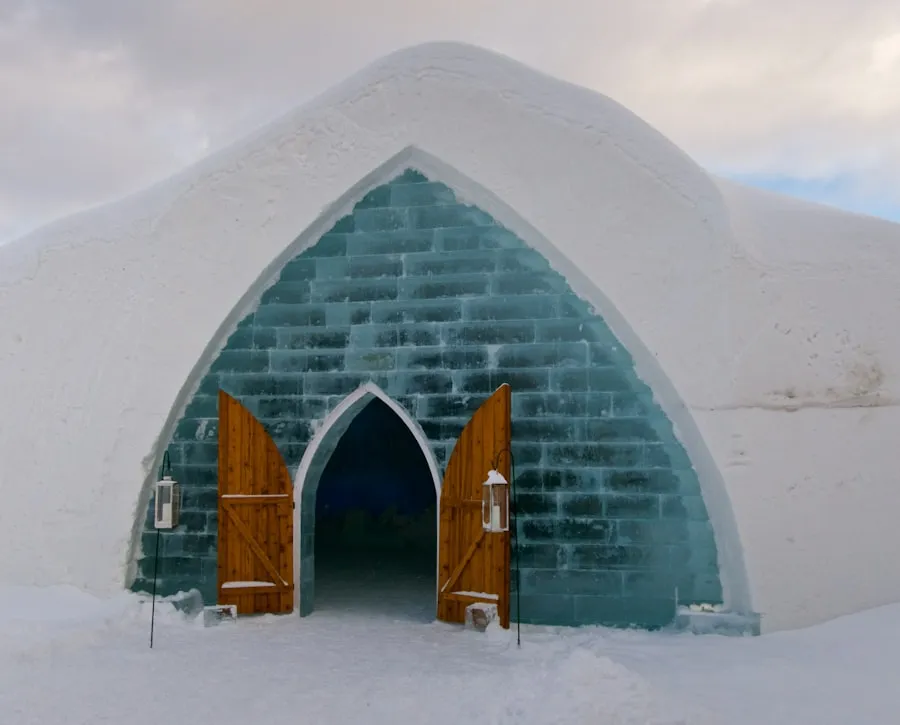
Staying overnight in a cold room is designed to be an adventure rather than a conventional luxury-hotel night. The temperature is kept at about -5°C (23°F). Beds have wooden frames and mattresses, with reindeer hides placed on top. Guests sleep inside insulated sleeping bags provided by the hotel.
The cold rooms and art suites are open to daytime visitors before overnight guests receive private access. According to the hotel’s current guide, cold-room access begins after the public area closes in the evening. The experience is quiet and visually striking, but privacy and facilities depend on the room category.
Bathrooms, Luggage, and Electrical Outlets
Standard ice rooms and art suites do not contain toilets or luggage storage. Guests use Riverside, a warm building beside the ice hotel, where there are lockers or changing booths, toilets, showers, and saunas. There are also no electrical outlets inside the cold rooms, so phones, cameras, and power banks should be charged before bedtime. Deluxe Suites 365 provide a private heated relaxation area, but the exact bathroom and sauna setup varies.
How the Night Usually Works
- Store most luggage and valuables in the assigned warm storage area.
- Change into a dry base layer, warm socks, and a hat.
- Collect the provided sleeping bag shortly before going to bed.
- Place personal items needed overnight inside or close to the sleeping bag so batteries and toiletries do not become excessively cold.
- Use the warm Riverside facilities if you become uncomfortable during the night.
- After waking, return to the warm building for a shower, sauna, and breakfast.
Pro Tip: Book one cold night for the signature experience, then spend the rest of the trip in a heated room or cabin. ICEHOTEL itself recommends this balance for most visitors.
Activities and Attractions at ICEHOTEL
| Activity or Attraction | What It Involves |
| Ice Sculpting | A guided class using clear Torne River ice and hand tools. |
| Dog Sledding | Short rides, transfers, and longer wilderness tours may be offered, with age and fitness rules varying by excursion. |
| Northern Lights Tours | Guided snowmobile, photography, dining, horseback, or wilderness experiences that seek dark skies. Aurora sightings are never guaranteed. |
| Snowmobiling | Guided wilderness tours ranging from short outings to meal-based excursions. Drivers must meet license and age requirements. |
| Ice Fishing | Available on selected winter excursions, including some snowmobile-and-lunch tours. |
| Cross-Country Skiing and Snowshoeing | Lower-speed ways to explore the snowy landscape, subject to trail and snow conditions. |
| Sauna Ritual | A guided Swedish sauna experience suited to visitors who want a calmer activity. |
Activity schedules change with daylight, snow depth, temperature, wildlife conditions, and guide availability. The hotel may cancel or replace outdoor excursions during severe weather. The official winter-activities page lists current tours and restrictions.
Warning: Northern Lights sightings depend on solar activity, cloud cover, darkness, and local weather. Treat an aurora tour as a chance to see the lights, not a guarantee.
The ICEBAR and Restaurants
ICEBAR BY ICEHOTEL is inside ICEHOTEL 365 and remains open as a year-round frozen attraction. Its bar, furniture, artwork, and drinking glasses are made from natural Torne River ice. Drinks include alcoholic and nonalcoholic options, and they are served in handcrafted ice glasses.
The main dining spaces are warm rather than carved entirely from ice. ICEHOTEL Restaurant serves seasonal food inspired by northern Sweden, with ingredients such as reindeer, Arctic char, local caviar, and cloudberries appearing when available. The Ice Menu is a multicourse dinner in which selected dishes are served on plates made from Torne River ice. Vegetarian and pescetarian versions may be available, while allergy and dietary requests should be provided when reserving.
Menus, opening hours, and dining concepts change by season, so avoid relying on a single named dish. Review the current ICEHOTEL dining guide and reserve popular meals before arrival.
The Ceremony Hall and Weddings
The winter hotel includes a Ceremony Hall, sometimes informally described as an ice chapel. It is redesigned by selected artists each season and normally opens from December to April. The hall holds about 35 to 40 guests and can host civil or religious weddings, vow renewals, blessings, christenings, and naming ceremonies.
ICEHOTEL says it hosts around 80 ceremonies each year. International couples who want a legally recognized Swedish marriage must complete the required paperwork in advance. The hotel currently asks for documents such as passports, birth certificates, and a certificate of no impediment well before the event, with its wedding coordinators helping couples through the process. Requirements can change, so couples should use the current official wedding guidance.
Sustainability and Environmental Impact
The Torne River is central to ICEHOTEL’s construction. The hotel reports harvesting around 5,000 tons of natural ice when the river is at its thickest. The ice is stored near the river and later used for the winter hotel, art, glasses, and other installations. When the seasonal building melts, its water returns to the river.
ICEHOTEL 365 requires refrigeration during warmer months. The property uses solar panels to help power summer cooling and says it purchases 100% renewable energy. It also uses heat-recovery and energy-saving systems in its buildings. These measures reduce impact, but they do not make a stay impact-free: guest flights, road transfers, food, construction, and mechanical cooling still have environmental costs.
The most accurate way to describe the property is as a tourism business working to reduce its footprint while depending on a healthy Arctic environment. Details of its current energy and transport measures appear on the official ICEHOTEL sustainability page.
ICEHOTEL in Popular Culture
ICEHOTEL’s temporary architecture, sculpted rooms, and changing art have made it a recurring subject for travel documentaries, photography, design coverage, and commercial shoots. Its strongest cultural importance, however, comes from the way it treats a hotel as a seasonal exhibition. Guests do not return to the same building each winter; they encounter a new collection of rooms and installations created for that edition.
The property has also expanded its design identity through ICEBAR projects and ice-art installations outside Jukkasjärvi. That reach has helped make the idea of a hotel built from ice familiar around the world, while the Swedish site remains the original location.
How to Prepare for a Stay at ICEHOTEL
Preparation is less about bringing expedition equipment and more about staying dry, choosing the right layers, and understanding what is provided. ICEHOTEL lends warm outer clothing for many stays and activities, but guests still need suitable base and mid layers.
What to Pack
- Breathable wool or synthetic thermal top and bottoms
- Warm, dry socks plus a spare pair
- A close-fitting hat for sleeping
- A fleece or wool mid layer for people who feel cold easily
- Gloves or mittens, a neck warmer, and weather-appropriate outerwear
- Comfortable indoor clothing for restaurants and warm buildings
- Moisturizer and lip balm for dry Arctic air
- A power bank kept warm and fully charged
- Any essential medication in packaging that can tolerate cold conditions
Loose, breathable layers work better than tight clothing. Avoid cotton next to the skin because it holds moisture. Do not overdress inside the sleeping bag; sweating can make you colder later. ICEHOTEL’s official clothing guide recommends wool or synthetic layers and warns against becoming sweaty.
Reservations and Timing
Book cold accommodation, popular meals, transfers, and major excursions early for peak winter dates. Prices change by room type, date, and package, so a fixed cost quoted in a general guide would become outdated quickly. Overnight room rates normally include breakfast and admission to the ice exhibition, while loaned outerwear is included under the hotel’s current booking terms. Check the final booking confirmation for exactly what your rate covers.
Tips for Staying Warm in an Ice Room
- Change into completely dry clothes. Even slightly damp socks or base layers can make the night uncomfortable.
- Wear a base layer, socks, and a hat. Add a light mid layer only if needed.
- Use the sleeping bag correctly. Close it around your shoulders and keep your face outside the bag to reduce moisture inside.
- Limit bulky clothing inside the bag. The bag works by trapping body heat, and too many layers can cause sweating.
- Keep batteries warm. Cold drains phones and cameras quickly, so charge them first and keep small devices inside an insulated bag or clothing pocket.
- Use the warm facilities when needed. Riverside is available if you become too cold or uncomfortable.
- Stay hydrated and avoid excess alcohol. Alcohol can impair judgment and make it harder to respond appropriately to cold.
Warning: Cold exposure can cause hypothermia and frostbite. Move to a warm area and seek help if someone develops persistent shivering, confusion, loss of coordination, unusual drowsiness, numbness, or pale and waxy skin. Travelers with medical conditions affected by cold should seek medical advice before booking a cold-room stay.
Best Time to Visit
The best time depends on the experience you want:
- December to February: Deep winter, limited daylight, snowy activities, and long dark periods that can improve aurora-viewing opportunities when skies are clear.
- March to early April: Longer daylight, often milder winter conditions, and continued access to the seasonal hotel and snow activities, depending on weather.
- Late spring and summer: ICEHOTEL 365 remains open, while river rafting, fishing, hiking, cycling, and midnight-sun experiences replace many snow-based tours.
- Autumn: ICEHOTEL 365 is available, and darker nights can bring aurora opportunities before the full winter hotel opens.
ICEHOTEL Winter’s exact opening and closing dates vary with construction and weather. ICEHOTEL 365 makes the destination possible outside the traditional December-to-April season.
How to Get to ICEHOTEL
ICEHOTEL is at Marknadsvägen 63 in Jukkasjärvi, about 17 km east of Kiruna. Most international visitors connect through Kiruna Airport or arrive at Kiruna Train Station. A prebooked hotel transfer or taxi typically takes about 15 to 20 minutes from either hub during the winter transfer season.
Travelers can also reach Kiruna by overnight train from Stockholm, although schedules and journey times vary. Drivers should prepare for winter road conditions and watch for reindeer, moose, and other wildlife. Current transfer instructions and transport links are available on ICEHOTEL’s official directions page.
The Future of ICEHOTEL
ICEHOTEL’s future combines two models: a temporary winter building shaped by natural conditions and a permanent, refrigerated art space that operates year-round. The seasonal hotel will continue to depend on reliable cold, river-ice harvesting, skilled construction, and artist collaboration. ICEHOTEL 365 gives the business a way to host visitors even when outdoor temperatures are above freezing.
Climate change makes honest environmental reporting increasingly important. The hotel’s solar power, renewable-energy purchasing, heat recovery, and lower-impact activities are useful steps, but future progress will also depend on reducing emissions linked to transport, food, refrigeration, and construction. The property’s long-term appeal will rest on protecting the Arctic environment that makes the experience possible.
If your wider trip includes golf, the existing guide to the 5 Best Hard Case Golf Travel Bags for Spring 2025 covers protective cases for transporting clubs.
Frequently Asked Questions
What is ICEHOTEL?
ICEHOTEL is a hotel and art exhibition in Jukkasjärvi, Sweden. Its seasonal winter section is rebuilt from snow and Torne River ice each year, while ICEHOTEL 365 provides permanent subzero suites and an ice bar throughout the year.
Where is ICEHOTEL located?
It is in Jukkasjärvi in northern Sweden, about 17 km east of Kiruna and north of the Arctic Circle.
When is ICEHOTEL open?
ICEHOTEL 365 is open year-round. The rebuilt winter hotel normally operates from December to April, although exact dates depend on weather and construction.
How cold are the rooms?
Cold rooms are kept at about -5°C (23°F). Guests sleep on mattresses and reindeer hides inside insulated sleeping bags supplied by the hotel.
Do ice rooms have private bathrooms?
Most standard ice rooms and art suites do not. Guests use warm shared toilets, showers, saunas, changing areas, and luggage storage at Riverside. Deluxe Suites 365 have private heated relaxation areas, with features that vary by suite.
Can children stay overnight?
Children can stay in cold rooms, but ICEHOTEL recommends that they be older than seven. Individual activities have separate age, height, and supervision rules.
Can I see the Northern Lights from ICEHOTEL?
The location offers good opportunities during dark, clear nights, and guided aurora excursions are available. A sighting is never guaranteed because cloud cover and solar activity change.
How many nights should I spend in a cold room?
One cold night is enough for most first-time visitors. Pairing it with one or more nights in warm accommodation provides more comfort and time for activities.
What activities are available?
Depending on the season, options may include ice sculpting, dog sledding, snowmobiling, cross-country skiing, ice fishing, sauna rituals, Northern Lights tours, rafting, hiking, cycling, and fishing.
Sources
- ICEHOTEL: The Story of ICEHOTEL — founding, art selection, river-ice harvesting, snice, molds, and arches.
- ICEHOTEL: How Does It Work? — room temperature, sleeping bags, luggage, shared facilities, outlets, and recommended stay length.
- ICEHOTEL 365 — year-round suites, private relaxation areas, ICEBAR, and summer cooling.
- ICEHOTEL Winter Activities — current dog sledding, snowmobile, ice sculpting, skiing, fishing, sauna, and aurora experiences.
- ICEHOTEL Sustainability — ice harvesting, solar panels, renewable energy, and transport measures.
- CDC/NIOSH Cold Stress Guidance — cold-related illness risks and warning signs.
