
Last Updated on July 27, 2026 by Daniel Globe
Vaduz is compact enough to explore in a day, yet it combines several of Liechtenstein’s best-known experiences in a small area. You can walk toward Vaduz Castle for Rhine Valley views, explore modern art along the Museum Mile, taste wine from the princely winery, try traditional Liechtenstein food, and use the capital as a base for the nearby Alps.
Quick Answer
The best things to do in Vaduz include walking toward Vaduz Castle, exploring the Museum Mile and Kunstmuseum Liechtenstein, visiting St. Florin Cathedral, tasting wine at the Princely Wine Cellar, trying Käsknöpfle or Ribel, and adding an Alpine trip to Malbun or the Fürstensteig if time and conditions allow.
Key Takeaways
- Vaduz Castle is the princely family’s residence and is not normally open for interior tours, but the uphill public approach offers excellent views.
- Central Vaduz is easy to explore on foot, with museums, public art, government buildings, shops, cafés, and St. Florin Cathedral close together.
- The Princely Wine Cellar offers organized tastings and tours; the historic Princely Art Collections are a separate institution.
- Käsknöpfle and Ribel are two of the most characteristic Liechtenstein dishes to look for.
- The Fürstensteig is a serious Alpine hike, while Malbun has easier walking options as well as winter sports.
Disclosure: As an Amazon Associate I earn from qualifying purchases. Some links on this page are affiliate links, at no extra cost to you.
Visit Vaduz Castle and Walk the Scenic Approach
Vaduz Castle sits roughly 120 meters above the capital and is one of Liechtenstein’s most recognizable landmarks. According to Liechtenstein’s official tourism authority, the castle’s origins probably reach back to the 12th century. Its residential tower can be dated to 1287, while the castle itself first appears in written records in 1322.
The property changed considerably over the centuries. The House of Liechtenstein acquired it in 1712, major restoration work took place from 1905 to 1912, and Prince Franz Josef II made the castle habitable before moving there with his family in 1939.
For modern visitors, the most important fact is simple: Vaduz Castle remains a residence of the princely family and is not normally open for public tours. You can still walk toward it from central Vaduz and enjoy views over the capital and Rhine Valley along the way.
Note: Do not plan on entering the castle or treating its private grounds as a public garden. The official visitor route is the uphill approach from the town center. The walk takes about 20 minutes, and there is no public visitor parking or regular bus service directly at the castle.
If you want to see more of the interior, Liechtenstein Tourism also promotes the “Princely Moments” film at the Altes Kino in Vaduz, which provides a filmed look behind the castle walls.
Pro Tip: Walk toward the castle earlier in the day if you are visiting in warm weather. The climb is short but noticeably uphill, and the views over Vaduz and the Rhine Valley are a major part of the experience.
Enjoy the Princely Vineyard and Wine Cellar
The Princely Wine Cellar, or Hofkellerei, gives visitors a more accessible way to experience the traditions of the princely estate. The winery in Vaduz produces wines from the Rhine Valley and operates organized tasting experiences rather than simply opening all vineyard areas for unrestricted wandering.
Pinot Noir is particularly important in Vaduz. The winery’s Herawingert vineyard is associated with Pinot Noir, while Chardonnay also appears among its wines. The area benefits from the Rhine Valley’s Alpine setting and local conditions that have supported viticulture for centuries.
The most reliable way to explore is through an official Hofkellerei wine experience. At the time of verification in July 2026, the public Cellar Door Tasting was listed at 3:00 p.m. Monday through Friday and 2:00 p.m. on Saturday. The listed experience lasts about 90 minutes and costs CHF 19 per person. Schedules and prices can change, so check the winery before building the rest of your day around a tasting.
Larger groups can arrange more detailed programs that may include guided vineyard and cellar visits and tastings of several wines. These organized experiences are a better choice than assuming that every vineyard path or row is freely accessible.
Discover Art and Culture at Kunstmuseum Liechtenstein
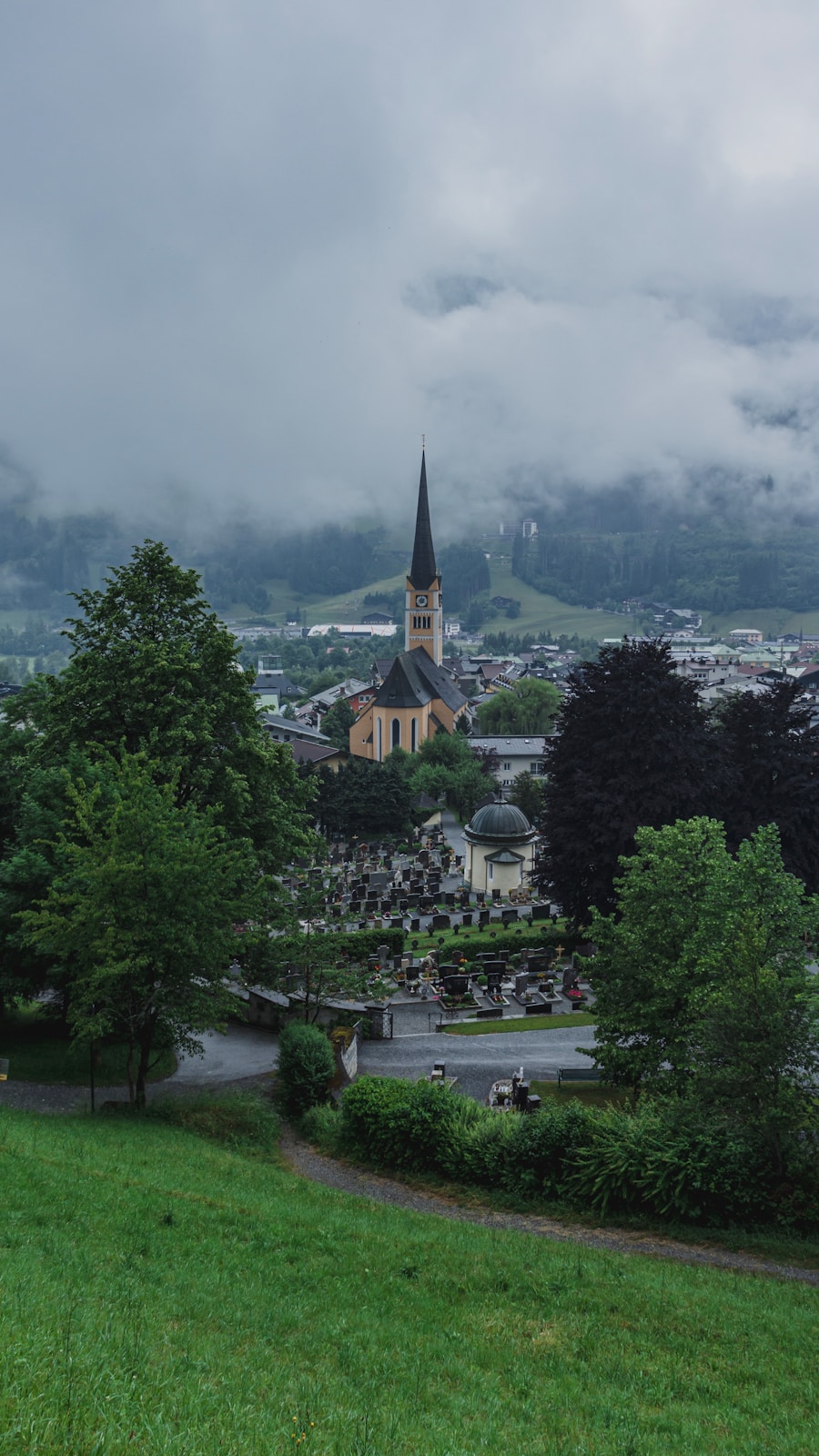
The image above is a general Alpine-town scene rather than a photograph of the Kunstmuseum building.
Kunstmuseum Liechtenstein is one of the main cultural attractions in central Vaduz. Opened in 2000, it serves as Liechtenstein’s state museum of modern and contemporary art. Its dark, minimalist building is a striking contrast to the older architecture elsewhere in the capital.
The museum’s collection covers international modern and contemporary art, with particular strength in sculpture, installations, and other three-dimensional work. Exhibitions rotate, so it is better to check the current program than to visit expecting a fixed list of famous artists.
The museum has presented exhibitions involving major figures including Joseph Beuys and Andy Warhol. In 2015, the adjoining Hilti Art Foundation exhibition building expanded the cultural complex. Its private collection adds important works of classical modernism and contemporary art.
Because the two institutions share a central location, visitors can cover a wide span of art history without traveling across the city. Before visiting, check Kunstmuseum Liechtenstein for the current exhibitions, opening hours, admission, tours, and special events.
Stroll Through Vaduz City Center and the Museum Mile
Vaduz at a Glance
| Time for Core Sights | About one full day |
| Vaduz Castle Interior | Not normally open to the public |
| Castle Approach | About 20 minutes uphill from central Vaduz |
| Nearest Main Rail Connections | Sargans, Buchs SG, or Feldkirch, then LIEmobil bus |
| Currency | Swiss franc (CHF) |
Central Vaduz is compact and pedestrian-friendly. The Städtle area places museums, shops, cafés, public sculptures, government buildings, and visitor services within a comfortable walking area.
One landmark worth adding to your walk is the Cathedral of St. Florin. The present natural-stone church was built in the 19th century in the neo-Gothic style and became the cathedral of the Archdiocese of Vaduz in 1997. Its pointed tower creates one of the most distinctive silhouettes in the center of the capital.
Art and history continue along Vaduz’s Museum Mile. Liechtenstein Tourism describes six museums within a few hundred meters, making this one of the easiest parts of the capital to explore without a car. In addition to Kunstmuseum Liechtenstein, the area includes institutions devoted to the country’s history, stamps, and princely treasures.
The original idea of exploring Vaduz through its markets is still worthwhile, but visitors should not expect a fixed farmers’ market every Saturday. Official municipal and tourism calendars show markets and fairs as scheduled seasonal events. For example, Vaduz hosted a Lokal+Fair Spring Market on April 25, 2026, while the annual Vaduz fair is scheduled separately in autumn.
Note: Check the official Vaduz event calendar before your trip if a market, street festival, or food event is important to you. Market dates, vendor counts, and hours are event-specific rather than a dependable weekly schedule.
Go Hiking and Explore the Liechtenstein Alps
Vaduz is an easy base for reaching Liechtenstein’s mountain region, but the country’s hiking routes vary greatly in difficulty. A short valley walk and an exposed Alpine ridge route should not be treated as the same kind of outing.
The famous Fürstensteig is a good example. The official Fürstensteig–Drei Schwestern route is an 11.9 km mountain tour with about 819 meters of ascent, substantial descent, secured rocky sections, and an estimated walking time of around 5½ hours. It reaches just over 2,050 meters.
Warning: The Fürstensteig is not a casual sightseeing walk. Liechtenstein Tourism recommends it for sure-footed hikers, and the route includes exposed or secured rocky passages. Check the current trail conditions before starting because snow can remain into late spring.
Travelers looking for gentler scenery can head to Malbun instead. The mountain village is roughly 30 minutes from Vaduz by car or bus and serves as a starting point for several walks and hikes. One official Malbun circular route is about 7 km and takes roughly two hours when using the Sareis chairlift for the main ascent.
In winter, Malbun becomes Liechtenstein’s main ski area. Current tourism information lists 23 km of pistes ranging from easier runs to more challenging terrain, along with skiing, snowboarding, winter walking, and other snow activities.
Summer and autumn also bring opportunities for cycling and mountain biking elsewhere in the principality. Whatever activity you choose, check weather, lift operation, trail closures, and seasonal conditions before leaving the valley.
Indulge in Local Cuisine and Wine Tasting
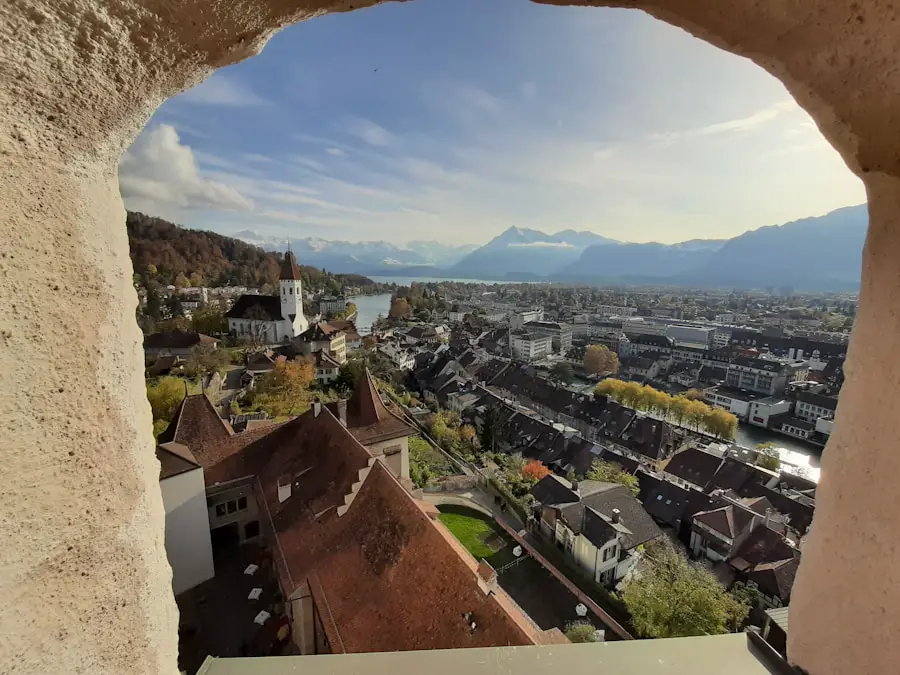
The image above is a general town-and-lake panorama and is not used here as evidence of a specific Vaduz landmark.
Liechtenstein’s food reflects its position between Switzerland and Austria, but several dishes have a particularly strong connection to the principality. Two of the best choices for visitors are Käsknöpfle and Ribel.
Käsknöpfle are small dumpling-like noodles layered or mixed with cheese and commonly served with browned onions. Apple sauce is a traditional accompaniment. The dish is rich and filling, which makes it especially appealing after a cool day outdoors.
Ribel is made from corn flour and has deep roots in Liechtenstein’s rural food history. It was once an everyday staple and is now treated as a traditional specialty. Depending on how it is served, it may come with apple sauce, fruit, dairy products, or other accompaniments.
You may also encounter Älplermagronen, a hearty combination of pasta, potatoes, cream, cheese, and onions. It fits the wider Alpine food tradition, although it is more useful to think of Käsknöpfle and Ribel as the most destination-specific Liechtenstein choices.
Local wine fits naturally into the meal. Restaurants often carry wines from Liechtenstein and nearby regions, while the Hofkellerei offers a more structured tasting experience. Culinary and wine festivals also take place during the year, but dates change, so check the current events calendar instead of relying on a fixed annual timetable.
Visit the Prince of Liechtenstein’s Winery and Understand the Princely Collections
The Prince of Liechtenstein’s winery in Vaduz and the Princely Collections are both connected to the princely family, but they are separate visitor experiences.
At the Hofkellerei, the focus is wine. Guided experiences explain vineyard management, cellar work, wine production, and the history of the estate. Depending on the program, a visit may include the vineyard, cellar, and tastings of several wines.
The princely art holdings should not be described as a public gallery inside the winery. LIECHTENSTEIN. The Princely Collections encompass more than 30,000 objects built up over centuries. Their permanent public presentations are associated primarily with the Liechtenstein Garden Palace and City Palace in Vienna, while thousands of works can also be explored through the collection’s online database.
Note: Book the Vaduz winery for wine tasting and cellar experiences. Do not expect the tasting visit itself to include a tour of the family’s historic art collection.
Plan a One-Day Vaduz Itinerary
Vaduz works especially well as a one-day stop because most central attractions are close together. A simple plan keeps walking time low while leaving room for museums, food, views, and wine.
- Start in the Städtle: Walk the central pedestrian area, see the government quarter, public sculptures, and St. Florin Cathedral.
- Spend late morning at the museums: Visit Kunstmuseum Liechtenstein and add another Museum Mile attraction that matches your interests.
- Have a Liechtenstein lunch: Look for Käsknöpfle, Ribel, or another regional dish.
- Walk toward Vaduz Castle: Allow time for the uphill route, photographs, and views over the Rhine Valley before returning to town.
- Finish with wine: On a day when the Hofkellerei tasting schedule fits your plans, end the afternoon with a booked or available tasting.
If you prefer the mountains to museums, shorten the city portion and continue to Malbun. The Fürstensteig requires far more time, fitness, and preparation and is better treated as its own hiking day.
Getting to and Around Vaduz
You do not need a car to explore central Vaduz. According to official Vaduz visitor information, the nearest useful railway stations are Sargans and Buchs SG in Switzerland and Feldkirch in Austria. LIEmobil buses connect these stations with Vaduz.
Once you arrive, walking is usually the simplest way to cover the Museum Mile, Städtle, cathedral, government quarter, restaurants, and shops. The castle approach is also walkable, although it climbs above the town.
Drivers can use public parking facilities near central Vaduz, including the Zentrum and Marktplatz garages and parking around Äulestrasse. The official currency is the Swiss franc (CHF), and card payment is common in shops, cafés, and restaurants.
Best Time to Visit Vaduz
There is no single best month because the right season depends on your plans. Late spring through early autumn is convenient for city sightseeing and mountain hiking, although high routes may still hold snow early in the season. Winter suits travelers combining Vaduz with skiing or snow activities in Malbun.
August 15 is a special case because Liechtenstein celebrates National Day. The atmosphere is exceptional, but Vaduz is much busier and normal transport or access arrangements may change.
Experience National Day and Seasonal Festivals
Liechtenstein’s National Day takes place every August 15 and brings one of the country’s largest public celebrations to Vaduz. The day combines an official state ceremony with a large folk festival in the Städtle, food stands, cultural programming, music, and evening celebrations.
For 2026, the official National Day program lists the state ceremony at 10:30 a.m., with addresses by Hereditary Prince Alois and Landtag President Manfred Kaufmann. Access to the ceremony on the Schlosswiese is controlled by ticketing.
The folk festival begins in central Vaduz at noon. In the evening, the organizers plan the traditional mountain fires and torch procession from about 9:15 p.m., followed by the large fireworks display at 10:00 p.m. Weather, safety, or organizational conditions can still affect outdoor events, so check the official program shortly before attending.
Other events appear throughout the year, from food festivals and local fairs to Advent and Christmas activities. These celebrations are a good way to experience local culture, but schedules vary from year to year.
Practical Packing Notes for Vaduz
What you pack depends heavily on the season and whether you plan to stay in central Vaduz or continue into the mountains. Comfortable walking shoes are useful even for a city-focused trip because the route toward the castle climbs above the center.
For cold-weather travel, a rechargeable hand warmer for travel can be useful during outdoor sightseeing, winter walks, or time in Malbun.
A travel fishing pole only makes sense if fishing is already part of your wider itinerary. Do not assume that carrying fishing equipment gives you permission to use every river or lake; check the relevant local access, season, and permit rules first.
For additional trip-planning questions, you can also contact us.
Frequently Asked Questions
What are the top things to do in Vaduz, Liechtenstein?
Top experiences include walking toward Vaduz Castle, visiting Kunstmuseum Liechtenstein and the Museum Mile, exploring the Städtle and St. Florin Cathedral, tasting wine at the Princely Wine Cellar, trying local Käsknöpfle or Ribel, and taking a mountain trip toward Malbun.
Is Vaduz Castle open to the public?
No. Vaduz Castle is a residence of the princely family and is not normally open for public interior tours. Visitors can walk uphill toward the castle and enjoy views of Vaduz and the Rhine Valley from the public approach.
What can I see at Kunstmuseum Liechtenstein?
Kunstmuseum Liechtenstein presents modern and contemporary art and serves as the country’s state art museum. Its collection has particular strength in sculpture, installations, and objects. The adjoining Hilti Art Foundation broadens the experience with classical-modern and contemporary works. Exhibitions rotate, so check the current program before visiting.
Are there outdoor activities near Vaduz?
Yes. Options range from easy valley and Malbun walks to demanding Alpine hikes such as the Fürstensteig. Malbun also offers skiing and snowboarding in winter. Choose a route that matches your fitness and experience, and always check mountain conditions before starting.
What is the best way to explore central Vaduz?
Walking is usually the easiest option. The Städtle, Museum Mile, government quarter, cathedral, cafés, shops, and many public sculptures are close together. LIEmobil buses are useful for reaching Vaduz from nearby railway stations and for continuing to other parts of Liechtenstein.
How long do I need in Vaduz?
One full day is enough for the main central sights, a museum visit, the walk toward Vaduz Castle, lunch, and possibly a wine tasting. Add another day if you want a substantial Alpine hike or more time in Malbun.
Can visitors tour the Princely Wine Cellar in Vaduz?
Yes. Hofkellerei Vaduz offers public tastings and organized group experiences. The schedule, availability, program, and prices can change, so confirm the current options directly with the winery before your visit.
Does Vaduz have a main train station?
Most visitors arriving by rail use Sargans or Buchs SG in Switzerland or Feldkirch in Austria and continue to Vaduz by LIEmobil bus. Central Vaduz itself is best explored on foot once you arrive.
Sources
- Liechtenstein Tourism — Vaduz Castle — castle history, access, walking time, and visitor restrictions.
- Hofkellerei Liechtenstein — Princely Wine Cellar Vaduz — public tastings, tours, schedules, and winery visitor information.
- Kunstmuseum Liechtenstein — museum exhibitions, collection information, programs, and visitor details.
- Liechtenstein Tourism — Fürstensteig and Drei Schwestern — route distance, time, elevation, conditions, and hiking difficulty.
- Liechtenstein Tourism — Gastronomy — traditional cuisine, including Käsknöpfle and Ribel.
- Official Liechtenstein National Day website — August 15 program, state ceremony, folk festival, and current event information.
