
Last Updated on July 27, 2026 by Daniel Globe
The Historic Center of Mexico City, known as the Zócalo, is a UNESCO World Heritage site that encapsulates the rich tapestry of the city’s past. This area is not just the heart of the city; it is a living museum where ancient history and modern life intertwine seamlessly. As you stroll through the cobblestone streets, you are greeted by stunning colonial architecture, vibrant plazas, and significant landmarks that tell the story of Mexico’s evolution from the Aztec Empire to contemporary times.
Quick Answer
The top things to do in Mexico City include exploring the historic Zócalo and Templo Mayor, discovering world-class artifacts at the National Museum of Anthropology, taking a day trip to the ancient pyramids of Teotihuacan, visiting Frida Kahlo’s Casa Azul in Coyoacán, and experiencing a high-energy Lucha Libre match at Arena México.
Key Takeaways
- The Historic Center of Mexico City is an essential starting point for ancient Aztec ruins and Spanish colonial architecture.
- The National Museum of Anthropology and Frida Kahlo Museum offer unmatched cultural and artistic insights.
- Attending a Lucha Libre wrestling match provides a fun, authentic look into Mexican pop culture.
- A short day trip to Teotihuacan allows visitors to walk among Mesoamerica’s most monumental pyramids.
- Sampling local street food—like tacos al pastor—is crucial for experiencing Mexico City’s culinary heritage.
The Zócalo itself is one of the largest public squares in the world, surrounded by impressive structures such as the Metropolitan Cathedral and the National Palace, which houses Diego Rivera’s famous murals depicting Mexican history. Walking through this historic area, one cannot help but be captivated by the juxtaposition of old and new. The remnants of Tenochtitlan, the Aztec capital, lie beneath the modern city, with archaeological sites like the Templo Mayor offering a glimpse into a civilization that thrived centuries ago.
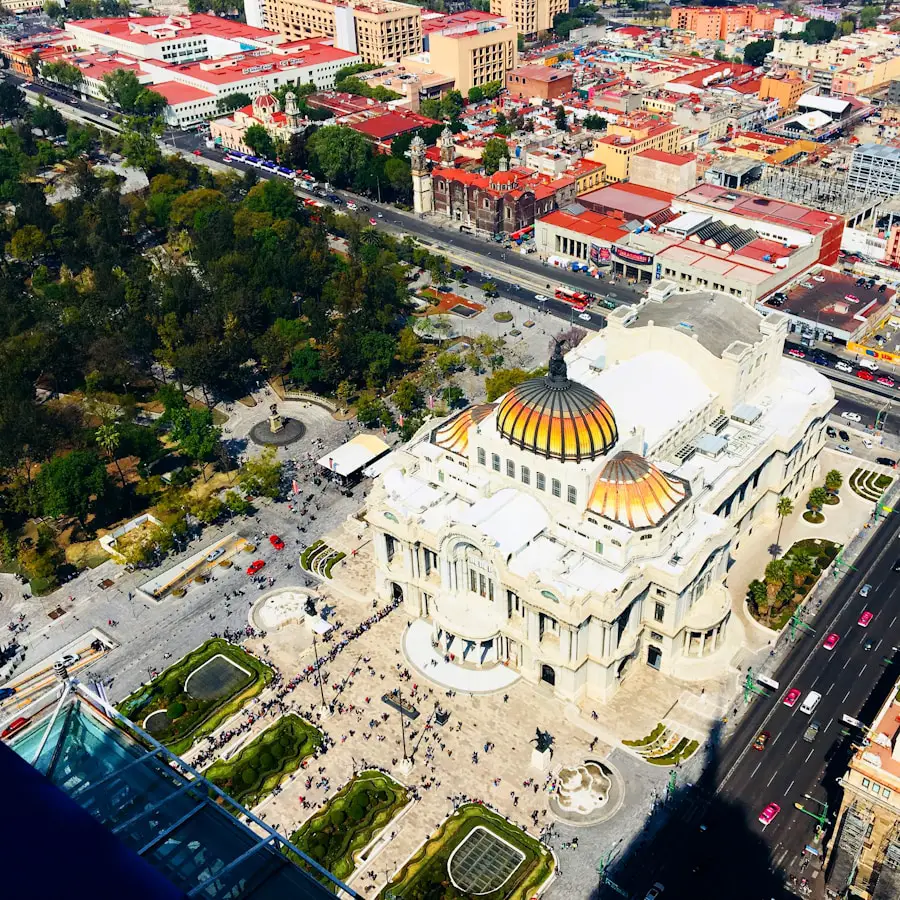
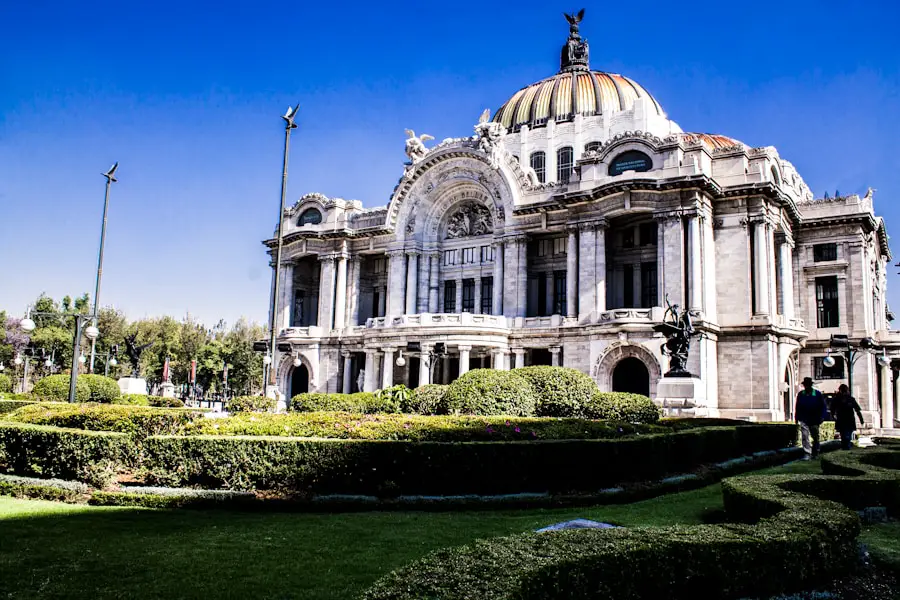
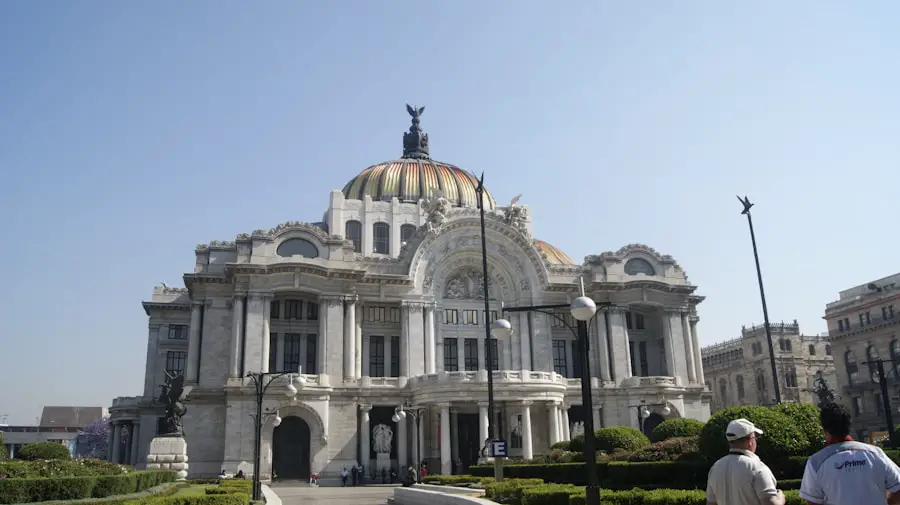
Visitors can explore the ruins and learn about the rituals and daily life of the Aztecs. The Historic Center is also home to numerous museums, galleries, and cultural institutions that showcase Mexico’s artistic heritage. The Palacio de Bellas Artes, with its stunning Art Deco architecture and vibrant stained glass, hosts performances ranging from opera to ballet, making it a cultural hub that attracts both locals and tourists alike.
Disclosure: As an Amazon Associate I earn from qualifying purchases. Some links on this page are affiliate links, at no extra cost to you.
Visit the National Museum of Anthropology
The National Museum of Anthropology (Museo Nacional de Antropología) is a treasure trove of artifacts that narrate the story of Mexico’s diverse cultures and civilizations. While the original national collection was established in 1823, the current iconic museum building in Chapultepec Park opened in 1964 and remains one of the most important cultural institutions in Latin America.
Its extensive collection spans pre-Columbian times to the present day. Among its most notable exhibits is the Aztec Calendar Stone (Piedra del Sol), a massive monolithic basalt sculpture that serves as a famous symbol of Mexico’s indigenous heritage.
The museum’s layout takes visitors on a chronological journey through time, showcasing artifacts from various regions and epochs, including the Olmec, Maya, and Zapotec civilizations. In addition to its impressive collection of physical artifacts, the museum offers interactive displays and educational programs that engage visitors of all ages. The vast array of pottery, textiles, and tools provides direct insight into the daily lives and spiritual beliefs of ancient peoples.
One can spend hours marveling at the intricacies of these objects, each telling a unique story about its creator and culture. The museum’s courtyard gardens are equally enchanting, featuring outdoor sculptures and installations that reflect Mexico’s rich artistic traditions. A visit to this museum is not merely an educational experience; it is an opportunity to connect with the deep roots of Mexican identity and heritage.
Experience the Lucha Libre Wrestling
Lucha Libre wrestling is an iconic aspect of Mexican culture that combines athleticism with theatrical flair. This high-energy sport features masked wrestlers known as “luchadores,” who perform acrobatic moves and engage in dramatic storylines that captivate audiences. Attending a Lucha Libre match is an exhilarating experience that immerses spectators in a world where good battles evil in a colorful spectacle filled with music, cheers, and vibrant costumes.
The Arena México, often referred to as the “Cathedral of Lucha Libre,” is one of the best places to witness this electrifying sport firsthand. The atmosphere inside Arena México is electric, with fans passionately supporting their favorite luchadores while jeering at their rivals. The matches are not just about physical prowess; they are steeped in tradition and cultural significance.
Each luchador adopts a persona that reflects their character—heroes (técnicos) and villains (rudos)—and these roles play out in dramatic fashion within the ring. The masks worn by luchadores symbolize their identity and heritage, making each match a celebration of Mexican culture. For those seeking an authentic experience, indulging in some nachos or street tacos while cheering for your favorite wrestler adds to the excitement of this unique event.
Pro Tip: Major Lucha Libre matches at Arena México take place on Tuesday nights, Friday nights, and Sunday afternoons. Buy tickets in advance via Ticketmaster or at the arena box office, and avoid bringing large bags or professional cameras, as they are not permitted inside.
Take a Day Trip to Teotihuacan
At a Glance: Teotihuacan Excursion
| Distance from Mexico City | 50 kilometers (~30 miles) |
| Estimated Travel Time | 1 to 1.5 hours (by bus or car) |
| Cost of Round Trip Transit | Average of $10–$20 per person |
| Entrance Fee | 95 MXN (~$5 USD) per person |
| Recommended Duration | 4 to 6 hours |
| Key Attractions | Pyramid of the Sun, Pyramid of the Moon, Avenue of the Dead |
A day trip to Teotihuacan offers an extraordinary opportunity to explore one of the most significant archaeological complexes in the Americas. Located about 30 miles northeast of Mexico City, this ancient metropolis was once one of the largest urban centers in the world, flourishing around 500 AD. Visitors can wander through its vast expanse, marveling at monumental structures such as the Pyramid of the Sun and the Pyramid of the Moon.
Walking along the site provides a deep appreciation for the scale and architectural grandeur of this ancient civilization. Teotihuacan remains steeped in mystery; its original builders left no written records, leading historians to analyze its urban design and artifacts to understand its culture. The Avenue of the Dead serves as a central thoroughfare lined with ceremonial temples and residential complexes.
Guided tours often delve into Mesoamerican mythology surrounding Teotihuacan, including its importance to later civilizations like the Aztecs, who revered the site. Engaging with local guides can enhance your understanding of this archaeological treasure, as they share insights passed down through generations.
Enjoy the Street Food and Markets
Mexico City is world-renowned for its vibrant street food culture, offering an array of flavors that reflect the nation’s regional diversity. From bustling neighborhood markets to food stalls lining busy avenues, visitors can indulge in a culinary journey prepared with time-honored recipes.
Tacos al pastor—featuring thin slices of marinated pork roasted on a vertical spit (trompo) and served with pineapple, chopped onions, and fresh cilantro—are an essential taste of the capital.
Markets such as La Merced and Mercado de San Juan are incredible hubs for food lovers. La Merced is one of Latin America’s largest traditional markets, where vendors sell everything from fresh produce and regional chilies to prepared local specialties. Mercado de San Juan specializes in gourmet ingredients, fine cheeses, and exotic meats, making it a favorite stop for culinary enthusiasts.
Sampling local street food delicacies like tamales, blue-corn quesadillas, tlacoyos, or fresh churros allows travelers to connect directly with everyday Mexican culture.
Wander through Chapultepec Park
Chapultepec Park (Bosque de Chapultepec) is one of the largest urban parks in the Western Hemisphere, acting as an essential green lungs for Mexico City. Spanning over 1,700 acres, this historical park offers a wealth of recreational and cultural attractions for visitors.
The park is divided into distinct sections. Section I houses the park’s primary historic monuments, including Chapultepec Castle, the National Museum of Anthropology, and peaceful boating lakes shaded by ancient cypress trees.
As you wander through Chapultepec Park, you can visit acclaimed modern art spaces like the Museum of Modern Art (MAM) or the Tamayo Museum. Sitting atop Chapultepec Hill, Chapultepec Castle provides panoramic views of Paseo de la Reforma and houses the National Museum of History, detailing Mexico’s past from the Spanish Conquest to the 1910 Revolution.
Discover the Frida Kahlo Museum
The Frida Kahlo Museum, affectionately known as La Casa Azul (The Blue House), is situated in the historic neighborhood of Coyoacán. This vibrant cobalt-blue house was Kahlo’s birthplace, childhood residence, and eventual workplace alongside her husband, painter Diego Rivera.
Warning: Tickets for the Frida Kahlo Museum are NOT sold at the door. You must purchase timed-entry tickets online weeks in advance through the official museum website to secure admission.
The museum preserves personal belongings, traditional Mexican folk art, clothing, easel setups, and original paintings by Kahlo and Rivera. Her artwork deeply reflects her personal life—including her struggles with physical pain, her complex marriage, and her passion for Mexican folk identity (Mexicanidad).
Walking through the preserved rooms and tranquil courtyard garden offers an intimate window into Frida Kahlo’s artistic process and lasting cultural legacy.
Attend a Traditional Mexican Ballet Folklorico Show
Experiencing a performance by the Ballet Folklórico de México provides a colorful celebration of Mexico’s regional cultural heritage through traditional dance and music. Each performance showcases iconic folk dances from various Mexican states through intricate choreography, vibrant traditional dress, and live musical accompaniment.
The flagship venue for these performances is the magnificent Palacio de Bellas Artes in downtown Mexico City. The dances incorporate ancient indigenous traditions alongside historic Spanish and regional influences. For instance, dances from Jalisco feature mariachi music and sweeping traditional dresses, while dances from Veracruz highlight Afro-Caribbean rhythmic influences. Attending a Ballet Folklorico performance is an unforgettable cultural highlight of any visit to Mexico City.
Note: If you are planning an extended trip around Mexico City, ensure you stay hydrated using recommended gear like these 5 Portable Water Bottles and keep your phone charged during long sightseeing days with a reliable power bank for travel.
Frequently Asked Questions
What are the top things to do in Mexico City?
Some of the top things to do in Mexico City include exploring the Historic Center (Zócalo), walking through Chapultepec Park and Castle, visiting the National Museum of Anthropology, exploring Frida Kahlo’s Casa Azul in Coyoacán, taking a day trip to Teotihuacan, and enjoying the city’s legendary street food scene.
What are some must-see landmarks in Mexico City?
Key landmarks include the Metropolitan Cathedral, National Palace, Palacio de Bellas Artes, Templo Mayor ruins, the Angel of Independence monument along Paseo de la Reforma, and the ancient pyramids of Teotihuacan located just outside the city.
What cultural experiences can be found in Mexico City?
Cultural experiences include watching a Lucha Libre match at Arena México, attending a Ballet Folklórico performance at Palacio de Bellas Artes, listening to Mariachi bands at Plaza Garibaldi, and exploring the historic neighborhood markets of San Juan and Coyoacán.
What outdoor activities are available in Mexico City?
Outdoor enthusiasts can rent rowboats or cycle through Chapultepec Park, ride a traditional trajinera boat along the historic canals of Xochimilco, or hike in nearby national parks such as Desierto de los Leones and Ajusco.
What is the best time of year to visit Mexico City?
The best time to visit Mexico City is during the dry season between November and April. During these months, the weather is pleasantly mild with minimal rainfall, making it ideal for walking tours and sightseeing.
Sources
- UNESCO World Heritage Centre — Historic Centre of Mexico City and Xochimilco Designation
- Instituto Nacional de Antropología e Historia (INAH) — Museo Nacional de Antropología Official Guide
- Museo Frida Kahlo — Official Visitor Guidelines and Ticketing Rules
