
Last Updated on July 27, 2026 by Daniel Globe
Dubai combines record-breaking architecture, major shopping and entertainment districts, waterfront neighborhoods, desert landscapes, and historic trading areas in one city. First-time visitors can see the modern side at Burj Khalifa, Dubai Mall, Palm Jumeirah, and Dubai Marina, then explore older Dubai around the Gold Souk and Dubai Creek.
Quick Answer
The top attractions in Dubai include Burj Khalifa, Dubai Mall, Palm Jumeirah, Dubai Fountain, Dubai Marina, the Gold Souk, the Dubai desert, and Dubai Creek. For a first visit, group Downtown Dubai sights together, combine Palm Jumeirah with the Marina, and give Old Dubai and a desert safari their own half-days.
Key Takeaways
- Burj Khalifa remains the world’s tallest completed building at 828 meters and offers observation experiences on Levels 124, 125, and 148.
- Dubai Mall combines more than 1,200 retail outlets with dining and attractions such as Dubai Aquarium & Underwater Zoo, Dubai Ice Rink, and Play DXB.
- Palm Jumeirah and Dubai Marina are best for waterfront views, resorts, restaurants, and promenades.
- Dubai Fountain is operating after its 2025 renovation pause, with scheduled afternoon and evening performances.
- Old Dubai around the Gold Souk and Dubai Creek provides a very different experience from the modern skyline.
- Desert safaris are popular, but dune bashing is not suitable for every traveler, so check health restrictions before booking.
Disclosure: As an Amazon Associate I earn from qualifying purchases. Some links on this page are affiliate links, at no extra cost to you.
Burj Khalifa: Dubai’s Record-Breaking Skyscraper
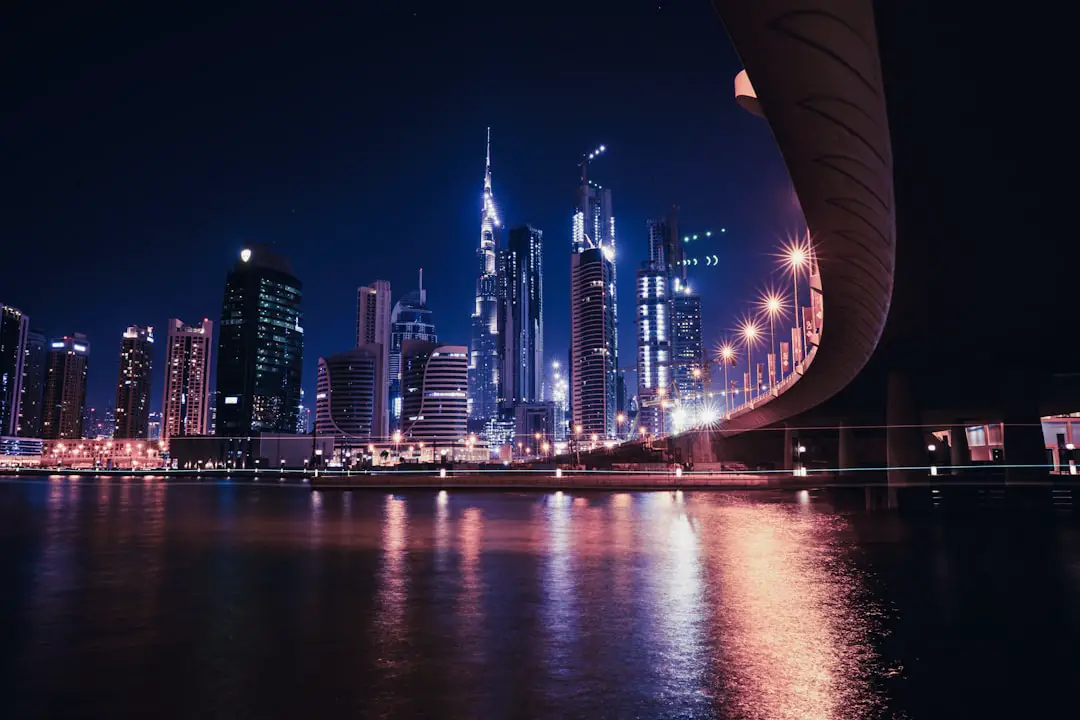
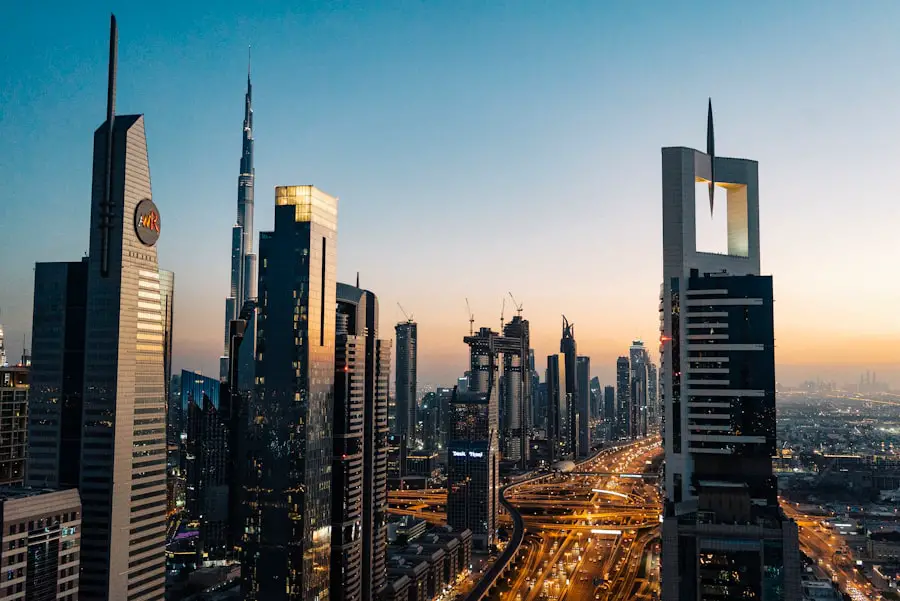
At 828 meters, Burj Khalifa remains the world’s tallest completed building. It opened in 2010 and has become the defining landmark of Downtown Dubai.
The tower was designed by Skidmore, Owings & Merrill. According to SOM, its form combines local cultural influences with a design inspired by the geometry of a regional desert flower and patterns found in Islamic architecture. Its Y-shaped plan and buttressed core also help the building resist wind forces at extreme height.
For visitors, the main draw is the view. At The Top covers Levels 124 and 125, while the premium SKY experience includes Level 148. Higher Lounge experiences are also offered on Levels 152, 153, and 154. The official Burj Khalifa fact sheet states that its observatory elevators travel at up to 10 meters per second.
From the observation levels, visitors can look across Downtown Dubai, the surrounding city, and the Arabian Gulf when visibility is good. Interactive displays and viewing equipment help identify landmarks below.
Pro Tip: Burj Khalifa uses timed admission. Sunset is one of the most popular periods, so compare the different observation-deck packages and reserve your preferred time before the day of your visit.
At 828 meters, Burj Khalifa has held the title of the world’s tallest completed building since 2010.
The Dubai Mall: Shopping and Entertainment in Downtown Dubai
Next to Burj Khalifa, Dubai Mall is one of the world’s largest retail and entertainment destinations. Its current official information lists more than 1,200 retail outlets and more than 200 international dining experiences.
The mall ranges from international luxury brands and major fashion retailers to family entertainment and casual dining. Visitors who are not interested in shopping can still spend several hours here because major attractions include Dubai Aquarium & Underwater Zoo, Dubai Ice Rink, and Play DXB.
Dubai Mall also works as a practical base for exploring Downtown Dubai. It provides access to Burj Khalifa attractions and leads directly toward the Dubai Fountain promenade. This makes it easy to combine all three sights during a single afternoon and evening.
Because of its size, decide which shops or attractions matter most before arriving. Walking from one side of the mall to another can take longer than expected, especially during busy evenings, weekends, and major events.
The Palm Jumeirah: Dubai’s Famous Man-Made Island
Palm Jumeirah is one of Dubai’s best-known engineering and waterfront developments. Master developer Nakheel says the project was launched in 2001 and today covers about 560 hectares while extending roughly five kilometers into the Arabian Gulf.
The development takes the form of a palm tree with a trunk, fronds, and a surrounding crescent. It contains luxury residences, hotels, beach clubs, restaurants, marinas, shopping areas, and leisure attractions.
One of its best-known resorts is Atlantis, The Palm, which is also home to Aquaventure World and other resort attractions. Visitors who prefer a wider view of the island can also visit The View at The Palm.
The Palm Monorail runs along the island and connects key stops including Gateway, Al Ittihad Park, Nakheel Mall, and Atlantis Aquaventure. It can be useful for sightseeing because road traffic on the Palm can become slow during busy periods.
Note: Palm Jumeirah is much larger than it appears in photographs. Choose one or two specific stops instead of expecting to explore the entire island on foot.
The Dubai Fountain: Water, Music, and Light in Downtown Dubai
| Aspect | Details |
| Location | Burj Lake, Downtown Dubai |
| Length | About 275 meters (over 900 feet) |
| Water Height | Jets can reach about 150 meters (500 feet) |
| Lighting | More than 6,600 lights and 25 color projectors in the original system specification |
| Afternoon Shows | Saturday–Thursday: 1:00 PM and 1:30 PM; Friday: 2:00 PM and 2:30 PM |
| Evening Shows | Daily from 6:00 PM to 11:00 PM at 30-minute intervals, according to Emaar’s current visitor information |
| Promenade Viewing | Free; paid Boardwalk and Lake Ride experiences are also available |
Dubai Fountain is a choreographed water, music, and light attraction at the foot of Burj Khalifa beside Dubai Mall. Designed by WET, the system stretches about 275 meters across Burj Lake, with jets capable of reaching about 150 meters.
The fountain temporarily stopped operating in 2025 for renovation work and reopened on October 1, 2025. Emaar’s current visitor information again lists regular afternoon performances and evening shows every 30 minutes.
The standard promenade is free, making the fountain one of the easiest major Dubai attractions to add to an evening itinerary. Paid options include the floating Dubai Fountain Boardwalk and a traditional abra Lake Ride for closer views.
Pro Tip: Combine Dubai Mall, Burj Khalifa, and Dubai Fountain on the same day. They are clustered together, so this saves travel time and lets you finish with an evening fountain performance.
The Dubai Marina: A Modern Waterfront Community
Dubai Marina is one of the city’s best areas for skyline views, restaurants, waterside walks, and boat trips. Tall residential and hotel towers line the marina, creating a very different atmosphere from both Downtown Dubai and Old Dubai.
Visit Dubai describes roughly seven kilometers of paved waterfront paths around the area. Marina Walk is popular for strolling, jogging, dining, and watching boats move between the towers.
Visitors can also find yacht cruises, traditional dhow trips, and other water activities in and around the Marina. Nearby Jumeirah Beach Residence and The Beach make it easy to combine the waterfront with restaurants, shopping, and beach time.
Dubai Metro and Dubai Tram are usually more practical than driving during busy periods. RTA also operates marine services in the Marina area, although routes and operating hours can change.
The Gold Souk: Jewelry and Traditional Market Shopping
Dubai’s Gold Souk in Deira is one of the city’s best-known traditional shopping districts. Its lanes contain numerous retailers selling gold jewelry, diamonds, gemstones, silver, and other precious-metal pieces in styles ranging from simple everyday jewelry to elaborate bridal and ceremonial designs.
Bargaining is common, particularly around workmanship and retailer margins. Compare several stores, ask for an itemized price, and confirm weight, purity, and documentation before making an expensive purchase. Visit Dubai advises shoppers to buy from established stores within the souk rather than informal street sellers.
Dubai should not be treated as universally “tax-free.” The UAE’s standard VAT rate is 5%. However, eligible visitors may be able to claim VAT refunds on qualifying goods bought from retailers participating in the Federal Tax Authority’s Tourist Tax Refund Scheme, subject to its eligibility and validation rules.
Note: Gold prices, workmanship charges, VAT-refund conditions, and store policies can change. Ask for the complete price before agreeing to a purchase and keep the required tax documents if you plan to request a tourist VAT refund.
The Dubai Desert: Dunes, Safaris, and Outdoor Adventure
The desert outside central Dubai provides a striking contrast with the city’s towers and shopping districts. Organized safaris commonly combine a four-wheel-drive dune experience with activities such as sandboarding, camel riding, sunset stops, and visits to desert camps.
Packages vary considerably. Some focus on a short morning trip, while evening tours may include dinner and entertainment. Quad bikes and dune buggies are often optional extras rather than part of the base price, so check exactly what a tour includes before booking.
For a more nature-focused experience, some operators visit the Dubai Desert Conservation Reserve, where tours can include wildlife spotting alongside desert activities.
Warning: Dune bashing is a vigorous off-road activity. Official Dubai tourism listings warn that it may be unsuitable for pregnant travelers and people with certain back, neck, heart, or other medical conditions. Check the operator’s restrictions before booking and choose a licensed safari provider.
Summer temperatures can also make outdoor activities uncomfortable. Follow the operator’s instructions, carry water, use sun protection, and choose appropriate footwear for activities such as sandboarding.
The Dubai Creek: Old Dubai, Abras, and Traditional Souks
Dubai Creek is one of the best places to understand the city’s trading history. The waterway separates Deira from Bur Dubai and remains an active transport and sightseeing corridor surrounded by markets, heritage areas, and traditional commercial districts.
One of the simplest experiences is a ride on a traditional abra. Dubai’s Roads and Transport Authority currently lists AED 1 fares on key motorized traditional-abra crossings between Bur Dubai and Deira. Fares and routes can change, so check RTA information before traveling.
On the Deira side, visitors can combine the creek with the Gold Souk, Spice Souk, and surrounding commercial streets. Across the water, the Al Fahidi Historical Neighbourhood offers lanes, courtyards, wind-tower architecture, museums, cafés, and cultural spaces.
Al Fahidi Fort, the historic home of Dubai Museum, requires extra planning. The UAE National Cultural Map states that the fort is undergoing rehabilitation and is expected to reopen with a redesigned museum experience in 2026. Check its official status before making it the centerpiece of an Old Dubai itinerary.
Walking beside the creek near sunset is a good way to see the contrast between working boats, traditional neighborhoods, and Dubai’s modern skyline.
How to Plan Your Dubai Sightseeing
Group Attractions by Area
Dubai covers a large area, so grouping sights reduces time spent in traffic.
- Downtown Dubai: Burj Khalifa, Dubai Mall, and Dubai Fountain.
- Palm and Marina: Palm Jumeirah, Dubai Marina, JBR, and nearby waterfront attractions.
- Old Dubai: Dubai Creek, Gold Souk, Spice Souk, and Al Fahidi Historical Neighbourhood.
- Desert: Treat a safari as a separate half-day or evening because transfers take you well outside the central sightseeing districts.
Book Timed Attractions Before You Arrive
Burj Khalifa and organized desert safaris are the two attractions in this guide most likely to benefit from advance booking. For Burj Khalifa, compare observation levels and choose a specific entry time. For a safari, compare transfer arrangements, dune activities, meals, insurance conditions, age limits, and health restrictions.
Use Public Transport Where It Makes Sense
Dubai Metro is useful for Downtown Dubai and the Marina area, while Dubai Tram serves parts of Dubai Marina and JBR. Palm Monorail connects major Palm Jumeirah stops. In Old Dubai, traditional abras are both useful transport and a sightseeing experience. Taxis and ride-hailing remain useful where rail connections are less direct.
Plan Around the Heat
Outdoor sightseeing can be demanding during Dubai’s hotter months. Use the middle of very hot days for indoor attractions such as Dubai Mall, then schedule promenades, souks, viewpoints, and desert activities for cooler morning or evening periods where possible.
How Many Days Do You Need?
A first-time visitor can cover the attractions in this guide in about three to four well-planned days without rushing every stop. One day can focus on Downtown Dubai, another on Palm Jumeirah and Dubai Marina, a third on Old Dubai, and a separate afternoon or evening can be reserved for the desert.
Note: Attraction hours, ticket prices, fountain schedules, transport timetables, and temporary closures can change. Check the official attraction or transport website shortly before your visit rather than relying on an old itinerary.
Frequently Asked Questions
What are the top attractions in Dubai?
Popular first-time attractions include Burj Khalifa, Dubai Mall, Palm Jumeirah, Dubai Fountain, Dubai Marina, the Gold Souk, the Dubai desert, and Dubai Creek. These give visitors a mix of architecture, shopping, waterfront areas, traditional markets, history, and outdoor scenery.
What is the Burj Khalifa?
Burj Khalifa is an 828-meter skyscraper in Downtown Dubai and the world’s tallest completed building. Visitor experiences include observation areas on Levels 124 and 125, a premium Level 148 experience, and higher Lounge levels.
What is there to do at Dubai Mall besides shopping?
Dubai Mall includes restaurants and entertainment such as Dubai Aquarium & Underwater Zoo, Dubai Ice Rink, and Play DXB. It is also directly connected with the wider Downtown Dubai sightseeing area near Burj Khalifa and Dubai Fountain.
What is Palm Jumeirah?
Palm Jumeirah is a palm-shaped man-made island developed by Nakheel. It contains homes, resorts, beaches, restaurants, marinas, shopping destinations, the Palm Monorail, Atlantis, The Palm, and other leisure attractions.
Is the Dubai Fountain free to watch?
Yes. Watching from the main Downtown Dubai promenade is free. Paid experiences such as the Dubai Fountain Boardwalk and Lake Ride provide closer views.
What time are the Dubai Fountain shows?
Emaar’s current schedule lists afternoon performances at 1:00 PM and 1:30 PM from Saturday through Thursday, with Friday shows at 2:00 PM and 2:30 PM. Evening shows run daily from 6:00 PM to 11:00 PM at 30-minute intervals. Check the official schedule before visiting because times can change.
What is Dubai Marina known for?
Dubai Marina is a modern waterfront district known for high-rise towers, Marina Walk, restaurants, yacht and dhow cruises, waterside views, and its proximity to JBR and The Beach.
Is shopping at the Dubai Gold Souk tax-free?
Not automatically. The UAE has a standard 5% VAT. Eligible tourists may request refunds on qualifying purchases made through participating retailers when they meet the Federal Tax Authority’s Tourist Tax Refund Scheme requirements.
Is a Dubai desert safari suitable for everyone?
Not necessarily. Dune bashing can be physically demanding, and operators may restrict participation for pregnant travelers, very young children, or people with certain back, neck, heart, or other medical conditions. Review the operator’s rules before booking.
How much does a traditional Dubai Creek abra cost?
Dubai RTA currently lists AED 1 per passenger on key traditional motorized-abra routes between Bur Dubai and Deira. Other marine routes use different fares, so check the latest RTA timetable before traveling.
Is Dubai Museum at Al Fahidi Fort open?
Al Fahidi Fort has been undergoing a major rehabilitation and museum redevelopment project scheduled for reopening in 2026. Because the status can change as work is completed, check the official UAE cultural listing before planning your visit.
Sources
- Burj Khalifa — Observation Decks — current visitor levels and observation experiences.
- Dubai Mall — About Dubai Mall — current retail, dining, and destination information.
- Nakheel — Palm Jumeirah — development scale, history, transport, and attractions.
- Emaar — Dubai Fountain — current operating schedule, viewing options, and visitor information.
- Dubai Roads and Transport Authority — Marine Transport — traditional abra routes and fares.
- UAE Federal Tax Authority — VAT Refund for Tourists — current tourist tax-refund rules and eligibility.
