
Last Updated on September 10, 2026 by Daniel Globe
Choosing hiking boots starts with matching the footwear to the trips you actually take. A light, flexible hiking shoe can work well on maintained day-hike trails, while rough terrain, longer distances, heavier packs, snow, or technical travel can justify a more protective boot. Fit still matters more than any feature list: the right pair should feel secure without pinching, rubbing, or letting your toes strike the front on descents.
Quick Answer
Choose hiking boots by matching the footwear to your terrain, trip length, pack weight, weather, and foot shape. Prioritize a secure, pressure-free fit with room for your toes, then compare traction, stiffness, waterproofing, weight, and durability. For snow or technical terrain, also confirm insulation and traction-device compatibility.
Key Takeaways
- Use hiking shoes or light day-hiking boots for easier trails; choose stiffer backpacking or mountaineering boots as terrain, load, and technical demands increase.
- Fit is the first priority. Your heel should stay secure, your toes should have room to move, and there should be no pressure points or rubbing.
- Waterproof membranes are useful in sustained wet or cold conditions, but non-waterproof footwear is often cooler and can dry faster in hot weather.
- Outsole rubber, lug shape, midsole stiffness, shanks, and rock plates affect traction, protection, and underfoot stability.
- High collars can add structure, but collar height alone should not be treated as a guarantee against ankle sprains.
- Clean boots after dirty hikes, dry them away from direct heat, and use only care products that are compatible with the boot’s materials and waterproof membrane.
Hiking Footwear at a Glance
| Maintained day hikes | Hiking shoes, trail-running shoes, or flexible day-hiking boots |
| Rocky or rugged day hikes | Day-hiking boots with firmer midsoles, protective uppers, and terrain-appropriate traction |
| Multiday trips or heavier loads | Supportive backpacking boots with stiffer midsoles and durable construction |
| Hot, dry conditions | Breathable, non-waterproof footwear when weather and terrain allow |
| Snow, ice, or mountaineering | Insulated or mountaineering footwear selected for the route, with verified traction-device or crampon compatibility when needed |
Disclosure: As an Amazon Associate I earn from qualifying purchases. Some links on this page are affiliate links, at no extra cost to you.
Match Hiking Boots to Your Hiking Needs
Start with the type of hiking you plan to do most often. A casual walk on a smooth local trail does not demand the same footwear as a steep, rocky route, a multiday backpacking trip, or a snow-covered climb. Distance, elevation, trail condition, weather, pace, and the weight you carry all influence how much protection and stiffness you may want.
Occasional hikers may value comfort, versatility, and low weight. Frequent backpackers may prioritize durable uppers, supportive midsoles, and underfoot protection. Technical alpine travel adds another layer: footwear may need insulation, a rigid or semi-rigid sole, and compatibility with the traction equipment required for the route.
A useful rule is to buy for your normal hiking, not for the most extreme trip you might someday take. Overbuilt boots can feel unnecessarily heavy and hot on easy trails, while underbuilt footwear can leave your feet less protected on rough terrain. REI’s current footwear guide likewise recommends matching footwear to trip duration, terrain, and load. REI: How to Choose Hiking Boots and Shoes.
Different Types of Hiking Boots and Shoes
Hiking footwear ranges from low-cut, flexible shoes to rigid mountaineering boots. There is no single category that is best for everyone.
Hiking Shoes and Trail-Running Shoes
Low-cut hiking shoes are usually lighter and more flexible than boots. They work well for day hiking, maintained trails, faster walking, and hikers who prefer less bulk. Trail-running shoes are even lighter and more flexible, with aggressive outsoles designed for off-road use. Their tradeoff is generally less underfoot protection and less structure than heavier hiking or backpacking boots.
Day-Hiking Boots
Day-hiking boots are commonly mid- or high-cut and are intended for day hikes or short backpacking trips with lighter loads. They can provide more protection from rocks, brush, and trail debris than low-cut shoes while remaining more flexible than backpacking boots.
Backpacking Boots
Backpacking boots are built for longer trips and heavier loads. They usually have stiffer midsoles, more durable uppers, and a more structured feel underfoot. That stiffness can reduce how much sharp rocks and uneven ground are felt through the sole, but it also adds weight and often requires more break-in time.
Mountaineering Boots
Mountaineering boots are specialized footwear for snow, ice, glaciers, and alpine climbing. They are typically much stiffer than ordinary hiking boots and may be insulated. Do not choose them simply because they look more supportive; their stiffness and weight can be uncomfortable for ordinary trail hiking.
Consider Materials and Construction
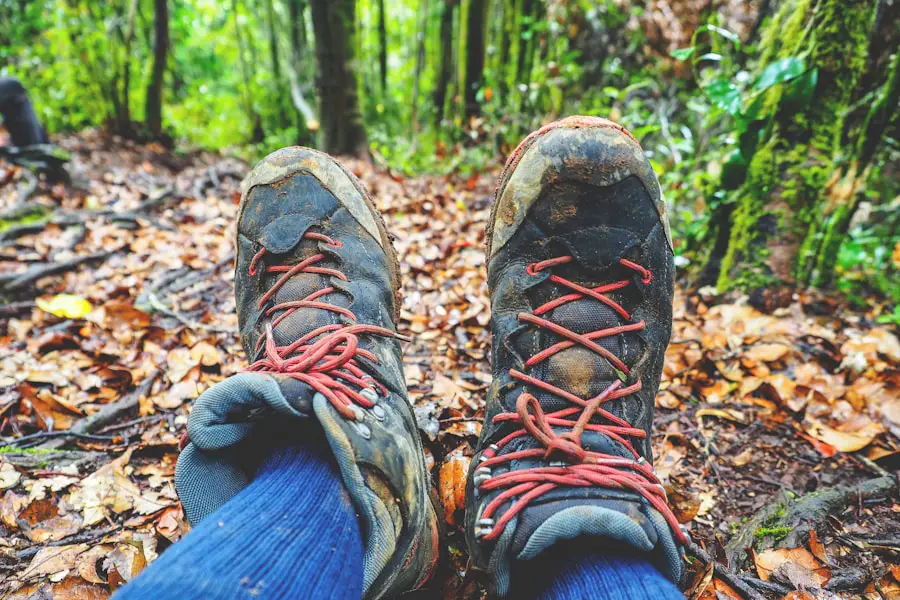
The materials used in hiking boots affect weight, breathability, water resistance, break-in time, and durability. Common upper materials include full-grain leather, nubuck, split-grain leather, nylon, polyester, and other synthetics. Rubber is the most common outsole material.
Leather vs. Synthetic Uppers
Full-grain leather is known for abrasion resistance, durability, and good water resistance, which is why it is common in rugged backpacking footwear. It is also heavier, less breathable, and slower to break in than many synthetic designs. Nubuck is full-grain leather that has been buffed for a softer surface; it remains durable but still needs appropriate care.
Synthetic uppers such as nylon and polyester are usually lighter, dry faster, and need less break-in time. Their durability varies by model, construction, and how much stitching or mesh is exposed. Instead of assuming one material is always better, choose the balance of weight, protection, breathability, and longevity that suits your hiking.
Waterproof Membranes
Waterproof/breathable membranes such as GORE-TEX are designed to block liquid water while allowing water vapor to escape. They can be valuable in rain, wet brush, shallow puddles, and cold conditions. However, membrane-lined footwear is typically less ventilated than comparable mesh footwear, and once water enters over the top of the boot, drying can take time.
Note: Waterproof is not automatically better. For hot, dry trails or trips where footwear is likely to get soaked repeatedly, many hikers prefer breathable, quick-drying shoes. For sustained cold and wet conditions, waterproof footwear is often the better match.
GORE describes its footwear membranes as waterproof and breathable, but it also advises following the footwear manufacturer’s specific care instructions. GORE-TEX Footwear.
Midsoles, Shanks, and Rock Plates
The midsole supplies cushioning and contributes heavily to stiffness. EVA is generally lighter and softer, while TPU or polyurethane-based midsoles are usually firmer and more durable. Some boots also contain a shank to add load-bearing stiffness. Rock plates add protection and torsional rigidity, helping shield the foot from sharp rocks and reduce excessive twisting on uneven ground.
Outsoles and Lug Patterns
Rubber outsoles use lugs—the raised tread blocks—to create traction. Deep, widely spaced lugs tend to shed mud well, while multidirectional lugs can help on loose and uneven ground. Do not assume that the deepest tread is best everywhere: on smooth, wet rock, outsole rubber compound and surface contact also matter. A pronounced heel brake can improve control on descents.
Finding the Right Fit
Fit Check at a Glance
| Toe room | Toes can wiggle; they do not hit the front on a downhill test |
| Length check | About a thumb’s width between the longest toe and the end of the removable insole is a useful starting check |
| Heel | Secure with little unwanted lift or rubbing when walking uphill |
| Width and volume | No side pinching, forefoot pressure, or excess space over the top of the foot |
| Test setup | Try boots later in the day with your normal hiking socks, insoles, and orthotics |
An ill-fitting boot can create friction, hot spots, blisters, toe impact, and general discomfort. Try footwear toward the end of the day, when feet are often a little larger, and wear the same thickness of socks you expect to use on the trail. If you use custom orthotics or aftermarket insoles, bring those too.
The boot should feel snug but not tight. Your heel should remain secure, your forefoot should not be squeezed, and your toes should have room to move. REI suggests removing the insole and standing on it as one length check; roughly a thumb’s width between your longest toe and the end of the insole is a useful starting point. Then walk on an incline or store test ramp if available. Your toes should not slam into the front when descending.
“Hiking footwear should fit snug everywhere but tight nowhere.” — REI
Use Lacing to Fine-Tune, Not Rescue, the Fit
Lacing can improve heel hold or relieve a pressure point, but it cannot fix a boot that is fundamentally the wrong length, width, or volume. If you have to overtighten the laces to stop movement, try another size, width, or model.
Break Boots In Before a Big Trip
Flexible hiking shoes may need little break-in time, while stiff leather backpacking or mountaineering boots can need much more. Wear new boots around the house, then on short walks, then on easy hikes while gradually increasing distance and pack weight. A break-in period will not transform a poor fit into a good one. REI’s break-in guidance recommends increasing use gradually rather than trying shortcuts such as soaking boots.
Pro Tip: Test both boots. Many people have one foot that is slightly larger. Fit the larger foot first, then use lacing or an appropriate insole to fine-tune the smaller side if needed.
Support and Stability Features
Support comes from more than collar height. Midsole stiffness, heel hold, the shape of the last, shanks, rock plates, outsole geometry, and overall fit all influence how planted a boot feels on uneven terrain. A stiffer platform can be useful under a heavy pack or on sharp, rocky ground, while a more flexible shoe can feel natural and efficient on easier trails.
Mid- and high-cut collars can add structure around the ankle and may limit some movement, but the claim that a higher collar by itself prevents ankle sprains is too strong. Reviews of footwear and ankle-injury research have found the relationship between shoe collar height and actual sprain risk to be uncertain. A 2021 review in the National Library of Medicine likewise notes that it is unclear whether collar height changes ankle-sprain risk.
Warning: Do not rely on a tall boot to compensate for an unstable ankle, poor balance, an unsuitable trail, or an overloaded pack. If you have recurrent ankle injuries or significant pain, get individualized guidance from a qualified health professional before a demanding hike.
Weather and Terrain Considerations
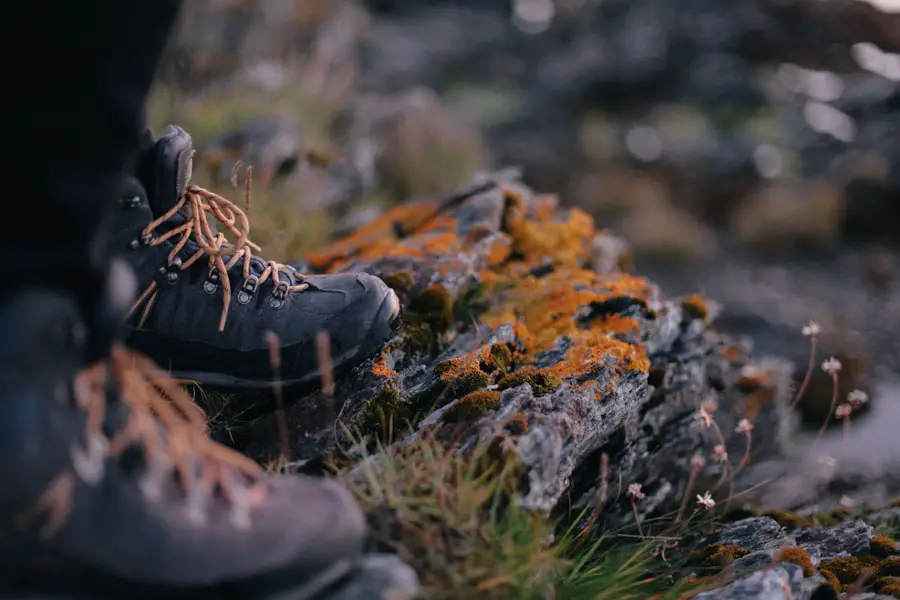
Weather and terrain should guide your choice of waterproofing, insulation, outsole tread, stiffness, and overall protection. The National Park Service recommends sturdy footwear with non-slip tread for hiking and calls for waterproof, insulated footwear in snow or rain at Mount Rainier. National Park Service hiking safety guidance.
Wet and Muddy Trails
For sustained rain, wet vegetation, mud, and shallow water, a waterproof membrane can help keep outside moisture out. Look for an outsole that sheds mud rather than packing solid. Keep in mind that water can still enter over the collar, and waterproof footwear usually dries more slowly once fully soaked.
Hot and Dry Trails
In warm weather, breathability can matter more than waterproofing. Mesh-heavy hiking shoes and non-waterproof boots often ventilate better and dry faster. Pair them with moisture-managing hiking socks rather than cotton socks that stay wet longer.
Rock, Scree, and Steep Descents
Rocky terrain rewards underfoot protection and predictable traction. A firmer midsole, rock plate, protective toe cap, and multidirectional lugs can improve comfort and control. On descents, enough toe room is critical because repeated toe impact against the front of the boot can become painful.
Snow, Ice, and Crampon Compatibility
Winter hiking may call for insulation, waterproofing, and additional traction. For mountaineering or travel on firm snow and ice, do not assume any winter boot will accept any crampon. Compatibility depends on sole stiffness, boot shape, welts, and the crampon binding system. Petzl’s current guidance shows different binding systems for boots with and without toe or heel welts. Petzl: Choosing Your Crampons.
Warning: Technical snow, glacier, and ice travel requires more than warm boots. Use traction equipment that is specifically compatible with your footwear and appropriate for the route, and get instruction before entering terrain where a fall could have serious consequences.
Durability and Longevity
Durability depends on the materials, construction, fit, terrain, care, and how often the footwear is used. Full-grain leather generally resists abrasion well, while lightweight mesh and highly flexible footwear may trade some durability for lower weight and faster drying. Stitching quality, rand and toe protection, outsole wear, and the bond between the upper and sole are all worth inspecting.
There is no reliable universal mileage at which every hiking boot should be replaced. Instead, watch for tread worn smooth, a compressed or uneven midsole, cracking or delamination, failed waterproofing that cleaning and approved treatment cannot restore, damaged eyelets, and persistent fit changes. If the upper is still sound, some traditional boots can be resoled; check with the manufacturer or a qualified cobbler before applying waxes or treatments that could interfere with future adhesive work.
A familiar brand name does not guarantee that a particular model will fit or last for your use. Construction details and fit matter more than marketing claims, so inspect the exact model and read its care and warranty guidance.
Maintenance and Care Tips
Proper care can extend the useful life of hiking boots and keep the outsole, upper, and waterproofing working as intended. After muddy or gritty hikes, remove the laces and insoles, brush away loose dirt, and clean the upper with products approved for its material. Grit left in folds can abrade fabric and leather as the boot flexes.
- Remove dirt: Brush off mud, sand, and debris, including material trapped in the outsole lugs.
- Clean appropriately: Use lukewarm water and a cleaner recommended for the boot. Leather and waterproof membranes can require different care.
- Dry gently: Remove insoles and let the boots air-dry at a moderate temperature. A fan can speed drying.
- Restore water repellency when needed: Reapply a compatible DWR or waterproofing treatment when the outer material stops beading water, following the footwear and treatment manufacturer’s directions.
- Store correctly: Keep boots in a dry, ventilated place at normal temperatures rather than in a hot car trunk, damp basement, or near a heater.
For GORE-TEX footwear, the brand recommends brushing off loose dirt, cleaning with lukewarm water and a small amount of liquid detergent, drying naturally at moderate temperatures, and avoiding direct heat. It also warns against waterproofing waxes or greases that can affect breathability. GORE-TEX footwear care instructions.
Warning: Do not speed-dry hiking boots next to a campfire, radiator, heater, or other strong heat source. Excess heat can damage leather and weaken footwear adhesives.
If you are looking for the best hiking boots for your next outdoor adventure, start with the trail and your feet rather than a brand name. Compare several models that match your terrain, weather, and pack load, then choose the pair that fits securely without pressure points. A quality pair that truly fits is more useful than a heavier or more expensive boot with features you do not need.
Love travel? Join Our Facebook Community For More Tips.
Frequently Asked Questions
What are hiking boots?
Hiking boots are outdoor footwear designed to provide traction, underfoot protection, and durability on trails. Depending on the model, they may also add waterproofing, insulation, a stiffer platform, or a higher collar for rough terrain, backpacking, or mountain travel.
What are the key features of hiking boots?
Key features include a trail-specific rubber outsole, supportive midsole, secure heel hold, protective upper, and a fit that leaves room for the toes. Depending on the intended use, a boot may also include a waterproof membrane, insulation, a rock plate, a shank, or crampon-compatible features.
What are the different types of hiking footwear?
Common options include trail-running shoes, hiking shoes, day-hiking boots, backpacking boots, and mountaineering boots. Lighter shoes favor flexibility and low weight, while backpacking and mountaineering boots add stiffness, protection, and durability for heavier loads or more technical terrain.
How should hiking boots fit?
They should feel secure without squeezing. Your heel should stay mostly in place, your forefoot should not be pinched, and your toes should be able to move without hitting the front on descents. Try them with your hiking socks and any insoles or orthotics you plan to use.
Are waterproof hiking boots always better?
No. Waterproof boots are useful in sustained wet, muddy, snowy, or cold conditions, but they are usually less ventilated and can take longer to dry after water enters. Breathable non-waterproof footwear can be more comfortable for hot, dry hiking or trips where quick drying is a priority.
Do high-cut hiking boots prevent ankle sprains?
A higher collar can add structure and limit some ankle movement, but research has not established collar height alone as reliable protection against ankle sprains. Fit, terrain, balance, fatigue, pack weight, prior ankle injury, and overall footwear design also matter.
How should hiking boots be maintained?
Brush off dirt after hikes, clean the upper with products approved for its material, remove insoles for drying, and let the boots dry away from direct heat. Reapply compatible water-repellent treatment when needed and store the boots in a dry, ventilated place at normal temperatures.
Sources
- REI — How to Choose Hiking Boots and Shoes — footwear types, components, terrain, fit, and lug guidance.
- REI — How to Break in Your Hiking Boots — gradual break-in guidance and fit cautions.
- GORE-TEX — Footwear Care Instructions — cleaning, drying, and water-repellent treatment guidance.
- National Park Service — Hiking Safety — sturdy footwear and wet/snowy-condition safety guidance.
- National Library of Medicine — Ankle Sprain Prevention Review — evidence limits around shoe collar height and ankle-sprain risk.
- Petzl — Choosing Your Crampons — boot and crampon binding compatibility.

