
Last Updated on July 26, 2026 by Daniel Globe
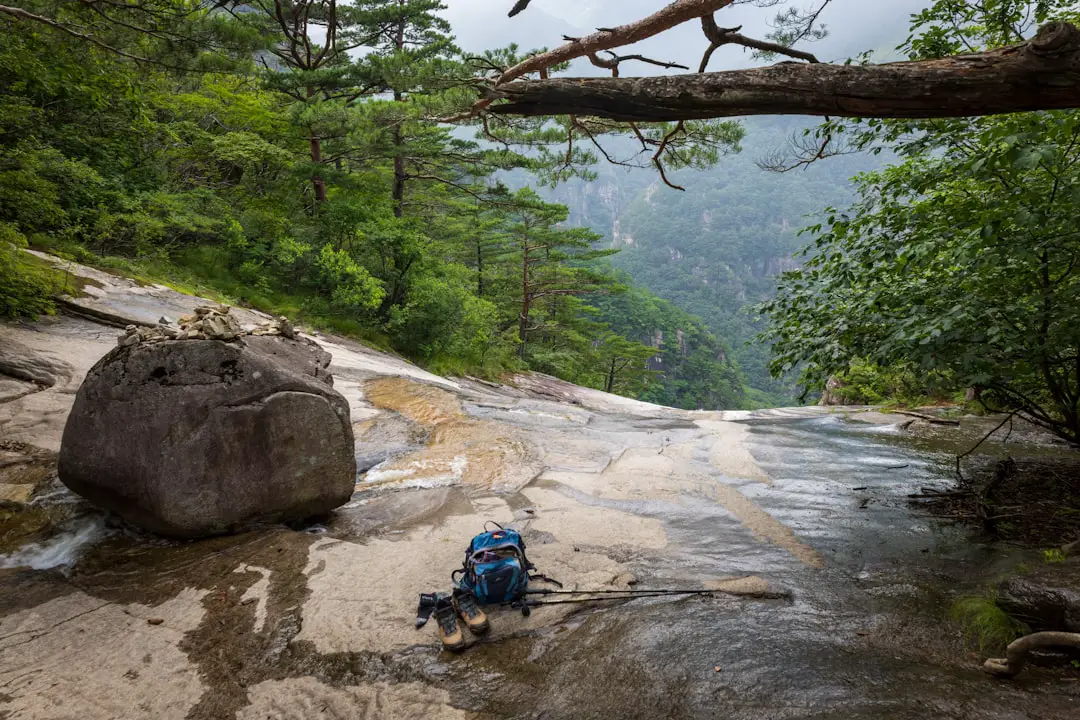
Flying with hiking sticks is possible, but the correct packing method depends on the pole tip, the security rules at every airport on your route, and the operating airline’s baggage limits. The safest plan is to check the exact rules before departure and pack the poles so they can be checked at the last minute if cabin carriage is refused.
Quick Answer
Yes. Under current TSA guidance, blunt-tipped hiking poles may go in carry-on or checked bags, but sharp-tipped poles must be checked. The airline can still reject a pole that does not fit its cabin-baggage rules, and security officers make the final checkpoint decision. International rules can be different.
Key Takeaways
- TSA currently permits blunt-tipped hiking poles in carry-on and checked baggage.
- Sharp-tipped poles are not permitted in carry-on baggage and should be securely packed in checked luggage.
- Collapsible construction helps a pole fit inside a bag, but collapsibility alone does not determine whether TSA will allow it.
- Airlines may apply separate size, weight, storage, and baggage-fee rules.
- Check the rules for departure, connection, and return airports because international policies vary.
At a Glance
| Time Required | About 10 to 20 minutes to inspect, collapse, protect, and label the poles |
| Difficulty | Easy |
| Tools Needed | Tip protectors, padding or a pole sleeve, straps, and a luggage tag |
| Cost | Usually $0 to $30 for protective supplies, plus any airline baggage fee |
Disclosure: As an Amazon Associate I earn from qualifying purchases. Some links on this page are affiliate links, at no extra cost to you.
TSA Regulations for Hiking Sticks and Trekking Poles
The Transportation Security Administration’s current hiking-pole guidance says blunt-tipped hiking poles are allowed in carry-on and checked bags. Sharp-tipped hiking poles are not allowed in carry-on bags. All poles must be screened, and the TSA officer at the checkpoint makes the final decision.
Warning: A removable rubber cap may not automatically make a pointed trekking pole acceptable. Security staff may inspect the underlying tip, so check the complete tip design rather than relying only on the cover.
| Pole condition | U.S. carry-on | U.S. checked bag |
| Blunt-tipped hiking pole | Generally permitted by TSA, subject to screening and airline acceptance | Permitted when packed safely |
| Sharp-tipped hiking pole | Not permitted | Permitted when the tip is protected |
| Pole used as a disability-related mobility aid | May qualify as an assistive device, subject to security and safe stowage rules | May be transported as an assistive device if cabin stowage is not possible |
TSA security approval and airline approval are separate. TSA decides whether an item may pass through the checkpoint. The airline decides whether it fits the carrier’s cabin-baggage allowance and whether it can be safely stored on the aircraft.
Types of Hiking Sticks Allowed on Flights
Trekking poles commonly use telescoping sections, folding sections, or a fixed-length shaft. Collapsible poles are usually easier to place fully inside luggage, but TSA does not make collapsibility the deciding factor. The important security distinction is whether the pole is blunt or sharp at the tip.
Collapsible and Folding Poles
These are often the easiest poles to fly with because they pack down into a suitcase, duffel, or permitted carry-on bag. Lock every section in its shortest position, secure loose segments, and keep the pole from opening during handling.
Fixed-Length Poles
Fixed-length poles can be accepted as checked baggage if they fit the airline’s size rules and are packed safely. They are less practical for cabin baggage because they may not fit under a seat or in an overhead bin, even when the tip itself is permitted by security.
Sharp, Carbide, and Exposed Metal Tips
Many trekking poles have carbide or metal tips designed to grip rock and soil. If the tip is sharp, pack the pole in checked baggage and cover the point with a sturdy protector. A thin rubber walking cap helps prevent damage, but the pole should also be wrapped or enclosed so the cap cannot fall off in transit.
Packing Hiking Sticks for Air Travel
| Item | Best practice |
| Hiking sticks | Collapse or disassemble them when the manufacturer permits, then lock or bundle the sections |
| Tips | Cover sharp or exposed points with sturdy protectors and additional padding |
| Packaging | Place the poles inside a durable bag, hard-sided case, or padded sleeve whenever possible |
| Checked baggage | Confirm the airline’s size, weight, fee, and special-item rules before departure |
| Cabin baggage | Use only when security permits the tip and the packed pole fits the airline’s cabin allowance |
- Clean the poles. Remove mud, loose soil, and debris before packing, especially when traveling internationally.
- Inspect the tips. Identify whether the actual ends are blunt or sharp after any removable caps are taken off.
- Collapse or disassemble them. Follow the manufacturer’s instructions so the locking system is not damaged.
- Secure loose parts. Remove or tighten baskets only when the manufacturer permits, and place small parts in a labeled pouch.
- Protect the tips and grips. Use purpose-made tip covers, cloth, foam, or bubble wrap. Secure the padding so it cannot slide off.
- Place the poles inside luggage. Internal packing is safer than leaving poles exposed on the outside of a backpack.
- Add identification. Put your name and contact details on the case or sleeve.
Pro Tip: Pack the poles so the entire bundle can move from your carry-on to a checked bag without being repacked. This gives you a backup if the airline or checkpoint officer refuses cabin carriage.
Avoid attaching poles loosely to the outside of a backpack. Exposed poles can snag conveyor equipment, strike other bags, or be damaged during handling. If external attachment is unavoidable for a checked pack, use a protective travel cover that encloses the pack and poles together.
Checking Hiking Sticks as Baggage
Checking hiking sticks is the most predictable choice for sharp-tipped or long poles. Airlines may treat the packed poles as part of a normal checked bag, as sporting equipment, or as a separate oversized item. Fees and size limits depend on the carrier, route, fare, and aircraft.
Use a hard-sided case when the poles are expensive, fixed-length, or easy to bend. A padded sleeve inside a suitcase is usually adequate for compact poles, provided the tips cannot puncture the bag. Photograph the poles before check-in and keep the baggage receipt until the equipment is returned.
A small baggage tracker may help you see the location of a checked bag. The FAA’s baggage-tracker guidance limits the batteries permitted in checked baggage and advises passengers to confirm the device with the airline.
Carrying Hiking Sticks in the Cabin
Confirm the Pole Tip and Packed Length
For a U.S. departure, cabin carriage is most realistic when the poles have blunt tips, collapse fully, and fit inside the airline’s permitted carry-on bag. Do not assume a pole is accepted simply because another airport allowed it on an earlier trip.
Inform Airline Staff When Needed
You do not normally need special advance notice for ordinary recreational poles. Contact the airline before travel when the poles are unusually long, packed as a separate item, used as a mobility aid, or likely to require special cabin storage.
Use Safe Onboard Storage
Once aboard, keep the poles completely inside an approved storage space. They must not block an aisle, protrude from an overhead bin, lean against a seat, or remain loose during takeoff and landing. Cabin crew can require a different storage location or gate-check the item if it cannot be safely stowed.
Hiking Poles Used as Mobility Aids
A walking cane or pole used by a passenger with a disability may be treated as an assistive device rather than ordinary recreational equipment. Under current U.S. Department of Transportation guidance, assistive devices may be carried in the cabin when they fit in an approved storage space, do not count against the passenger’s baggage limit, and may be transported in the baggage compartment without an extra charge when cabin stowage is not possible.
Note: This protection applies to a genuine disability-related assistive device. Do not describe recreational trekking poles as medical equipment simply to avoid a baggage rule or fee.
Passengers who need screening assistance can contact the airline’s accessibility desk and review TSA Cares information before departure. At the airport, clearly explain that the device is needed for mobility and ask how it will be screened and stored.
International Travel With Hiking Sticks
Rules can change when a trip starts, connects, or ends outside the United States. The security authority at each departure airport applies its own policy, and the operating airline can add baggage restrictions.
- Canada: The Canadian Air Transport Security Authority permits hiking sticks in carry-on and checked baggage, including collapsible and retractable models, but restricts pointed or sharp ends longer than 6 cm.
- United Kingdom: Current UK government hand-luggage guidance lists walking and hiking poles as not allowed in hand luggage but allowed in hold luggage.
Check every airport on the itinerary, including the return airport and any connection where you must pass through security again. A pole accepted on the outbound flight may not be accepted in the cabin on the way home.
Tips for Bringing Hiking Sticks on a Flight
- Check the security authority’s current item list shortly before travel.
- Read the operating airline’s carry-on, checked-bag, and sporting-equipment pages.
- Measure the pole after it is fully collapsed, not only when extended.
- Save screenshots or offline copies of the relevant official guidance, but remember that checkpoint staff still make the final security decision.
- Arrive with enough time to return to the ticket counter if the poles must be checked.
- Carry a small pouch for baskets, caps, and removable accessories.
- Do not pack prohibited outdoor items, such as fuel canisters or certain sprays, with the poles without checking separate hazardous-material rules.
The best travel plan is not “carry-on only at all costs.” It is a packing setup that can be checked quickly if the rules or aircraft storage make cabin carriage impossible.
Alternatives to Bringing Hiking Sticks on a Flight
Renting poles at the destination is often the simplest option for carry-on-only travel. Outdoor shops, guide services, and some lodging providers near major hiking areas may rent or lend trekking poles. Confirm availability, opening hours, deposit requirements, and return arrangements before relying on a rental.
Buying an inexpensive pair after arrival can also work when rental choices are limited. For short, easy routes, some hikers may choose to go without poles. Do not cut live vegetation or remove natural objects where local rules prohibit it. A branch found beside a trail is not a dependable replacement for a properly fitted pole and may break under load.
Potential Issues When Flying With Hiking Sticks
Additional Screening
Poles may need a closer inspection because of their length, internal sections, or tip design. Keep them accessible in the bag so security staff can inspect them without unpacking everything else.
Airline Refusal After Security Approval
Passing security does not guarantee that the airline will allow the poles in the cabin. The packed item still has to meet the carrier’s size rules and be safely stowed on the aircraft.
Different Rules on the Return Trip
International airports may use a stricter policy than TSA. Check the return and connection airports before leaving home, not after reaching the destination.
Damage or Loss in Checked Baggage
Protect tips, locking levers, grips, and thin carbon sections. Keep photographs and receipts for valuable equipment, label the case, and report visible damage before leaving the airport.
What to Do If Security Refuses the Poles
Stay calm and ask whether the poles can be returned to the airline counter for checking. Depending on the airport and available time, the alternatives may be checking the item, placing it in a shipping service, giving it to a non-traveling companion, or surrendering it. Do not argue that an online rule guarantees acceptance because the screening officer has final authority at the checkpoint.
Conclusion and Final Considerations
You can fly with hiking sticks, but the safest method depends on the tips and the route. For U.S. departures, current TSA guidance permits blunt-tipped poles in carry-on and checked baggage while requiring sharp-tipped poles to be checked. The airline can still apply its own baggage and storage limits.
Collapse the poles when possible, protect every tip, place the equipment inside a durable bag, and prepare a backup checked-baggage plan. For international travel, check every security authority and operating airline on the itinerary. Careful preparation lets you reach the trail with the equipment intact and without avoidable airport delays.
Once your hiking poles are packed, review the rest of your compact travel kit. A small personal-care item can also save space, so this guide to the best travel toothbrushes may help with the final packing list.
Frequently Asked Questions
Can you fly with hiking sticks?
Yes. Hiking sticks can usually travel in checked baggage. Under current TSA guidance, blunt-tipped hiking poles may also travel in carry-on baggage, subject to screening and the airline’s cabin-baggage rules.
Are hiking sticks allowed in carry-on luggage?
For U.S. TSA screening, blunt-tipped hiking poles are generally allowed in carry-on luggage, while sharp-tipped poles are not. The airline must also accept the packed length and storage method.
Can I pack hiking sticks in checked luggage?
Yes. Collapse or disassemble the poles when permitted, cover sharp tips, pad fragile sections, and place them fully inside a suitcase, duffel, or protective case. Check the airline’s size, weight, and fee rules.
Do hiking sticks have to be collapsible to fly?
No TSA rule says every hiking stick must be collapsible. Collapsible poles are simply easier to fit inside approved luggage. A fixed-length pole may need to be checked and may be subject to oversized-item rules.
Does a rubber tip make a trekking pole safe for carry-on?
Not necessarily. Security staff may inspect the actual tip beneath a removable rubber cover. A pole with an underlying sharp point may still need to be checked.
Are the rules the same outside the United States?
No. Canada permits many hiking sticks through screening with a tip-length restriction, while UK guidance lists walking and hiking poles as hold-luggage items rather than hand-luggage items. Check every departure and connection airport.
Should I notify the airline before bringing hiking sticks?
Advance notice is usually unnecessary for ordinary poles packed within the normal baggage allowance. Contact the airline when the poles are oversized, separately packed, used as a mobility aid, or likely to need special storage.
Sources
- Transportation Security Administration: Hiking Poles: U.S. carry-on and checked-bag screening rules
- U.S. Department of Transportation: Assistive Device Stowage: cabin storage, baggage limits, and fees for disability-related devices
- Canadian Air Transport Security Authority: Hiking Stick/Poles: Canadian screening rules and sharp-tip restriction
- GOV.UK: Hand Luggage Restrictions for Sports Equipment: UK hand-luggage and hold-luggage treatment of walking and hiking poles
- Delta Air Lines: Other Restricted or Potentially Hazardous Items: airline acceptance subject to TSA and standard baggage allowances
- Federal Aviation Administration: Baggage With Lithium Batteries: checked-bag tracker battery limits

