

Last Updated on July 27, 2026 by Daniel Globe
You do not automatically need hiking boots every time you step onto a trail. The right footwear depends on what kind of running shoes you own, how rough the trail is, the weather, your pack weight, and how securely the shoes fit. A road-running shoe and a rugged trail-running shoe can perform very differently once the pavement ends.
Quick Answer
Yes, you can wear running shoes for some hikes. Road-running shoes are best limited to paved, firm, or easy dry trails, while trail-running shoes can handle many light-to-moderate hiking trails. For loose rock, deep mud, snow, technical terrain, or heavier packs, hiking shoes or boots may provide better traction, protection, and stability.
Key Takeaways
- Road-running shoes and trail-running shoes are not the same. Trail runners have tread and protective features designed for off-road surfaces.
- Trail runners are often a good choice for light-to-moderate hikes when you carry a relatively light pack.
- For rocky, loose, muddy, snowy, or highly technical terrain, choose footwear with enough tread, underfoot protection, and stability for the conditions.
- A higher boot collar can provide coverage and a feeling of support, but collar height alone does not guarantee prevention of an ankle sprain.
- Fit comes first. Your heel should stay secure, your toes should have room, and the shoe should not create pressure points or rubbing during a test walk.
At a Glance
| Paved paths and firm urban trails | Comfortable road-running shoes can be reasonable when the surface is dry, predictable, and nontechnical. |
| Maintained dirt, gravel, roots, and moderate trails | Trail-running shoes or hiking shoes are usually better choices because their outsoles are designed for off-road grip. |
| Loose, rocky, steep, or muddy terrain | Use a rugged trail runner or hiking shoe with aggressive tread, good foot retention, and enough rock and toe protection for the route. |
| Heavy pack, severe terrain, snow, or cold conditions | More structured hiking footwear or boots may be preferable. Check current trail and park recommendations before leaving. |
Disclosure: As an Amazon Associate I earn from qualifying purchases. Some links on this page are affiliate links, at no extra cost to you.
Running Shoes vs. Trail Running Shoes vs. Hiking Shoes
The biggest mistake is treating every running shoe as if it were built the same way. A road-running shoe is mainly designed for pavement and other predictable surfaces. A trail-running shoe is designed for off-road terrain and usually adds more outsole grip, protection, and stability.
REI’s trail-running shoe guidance explains that trail shoes commonly use outsole lugs for traction on dirt, mud, gravel, roots, and rock. More rugged models can also use toe caps, tougher uppers, fuller rubber coverage, and plates or guards that help protect the foot from rocks.
Hiking shoes sit between many trail runners and traditional boots. They are generally low-cut but tend to emphasize durability, underfoot support, traction, and protection. Hiking boots are usually heavier and may add a higher collar, stiffer construction, weather protection, and more support under heavier loads.
That means the useful question is not simply, “running shoes or hiking boots?” It is, “Which type of running shoe do I have, and does it match this trail?”
Pros and Cons of Wearing Running Shoes for Hiking
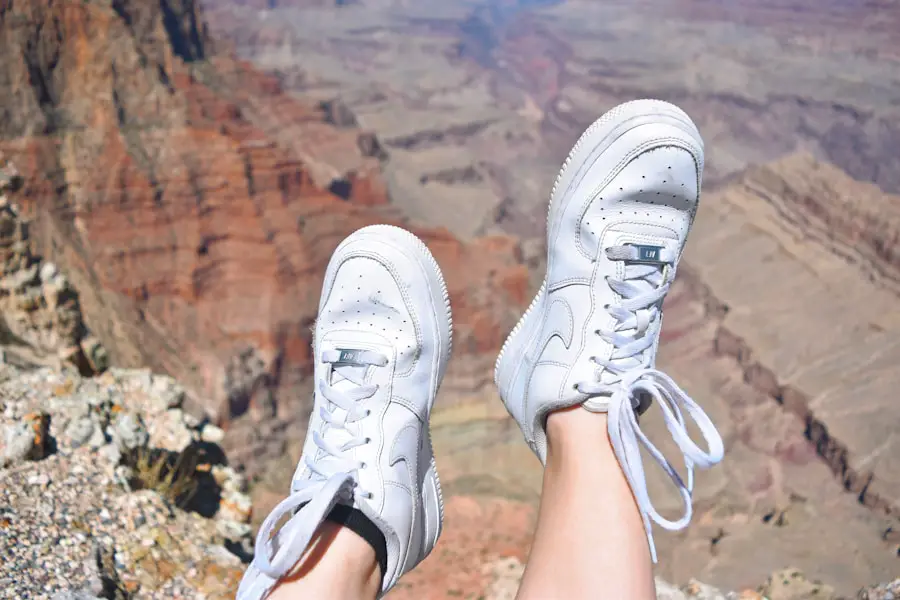
Running shoes can be comfortable hiking footwear when the shoe and trail are a good match. Their main strengths are low weight, flexibility, cushioning, and breathability. Those characteristics can feel especially good on long, dry walks where the trail is maintained and your pack is light.
Advantages
- Lower weight: Lightweight footwear can feel less tiring than a heavy boot during an easy or moderate day hike.
- Breathability: Mesh-heavy road and trail shoes often release heat better than waterproof boots.
- Flexibility: Some hikers prefer the freer movement of low-cut footwear.
- Comfort: A well-fitting running shoe may already match your foot shape better than a stiff boot.
- Fast drying: Non-waterproof trail runners can drain and dry more quickly after getting wet than many waterproof shoes.
Disadvantages
- Traction varies widely: A road shoe with a smooth or pavement-oriented outsole may slide more easily on mud, loose gravel, or wet rock.
- Less protection: Lightweight shoes may provide less protection from sharp rocks, roots, and trail debris.
- Lower durability: Exposed midsole foam and lightweight uppers can wear faster on abrasive trails than more protective hiking footwear.
- Less structure under load: A soft or flexible shoe can feel less stable as terrain becomes rougher or pack weight increases.
- Limited weather protection: Highly breathable running shoes provide little warmth or moisture protection in cold, wet, or snowy conditions.
Warning: Do not choose footwear based on comfort alone when a route includes steep loose slopes, scrambling, deep mud, snow, ice, or exposed terrain. Check the trail’s current conditions and any park-specific footwear recommendations first.
When Are Regular Road Running Shoes Okay for Hiking?
Road-running shoes can be acceptable for an easy hike when the surface resembles the type of terrain the shoe can safely handle. Examples include paved park paths, compact gravel roads, smooth dry trails, and short routes with few rocks, roots, steep grades, or slippery sections.
The National Park Service’s Hike Smart guidance distinguishes between footwear for easier paved pathways and more substantial footwear for dirt and gravel trails. Individual parks can have stricter recommendations based on local terrain.
Before using a road shoe, inspect its outsole. If much of the bottom is smooth, worn flat, or made of exposed foam with little gripping rubber, it is a poor choice for a loose or slippery trail even if it feels excellent on pavement.
Why Trail Running Shoes Are Usually the Better Running-Shoe Option
If you specifically want running-shoe comfort on hiking trails, trail runners are normally a better starting point than road shoes. Their tread is designed to interact with dirt and uneven ground rather than pavement alone.
For relatively hard, dry trails, shallow and closely spaced lugs can provide a smoother ride. For mud or loose ground, deeper and more widely spaced lugs can bite into the surface and shed debris more effectively. Rugged models may also add toe protection, tougher materials, and underfoot guards.
Trail runners are not automatically suitable for every hike. A very soft, high-stack model may feel unstable to one hiker on angled rocks, while a firmer shoe with a broader platform may feel secure. Fit, sole design, terrain, load, and the hiker’s experience all matter.
Tips for Choosing the Right Running Shoes for Hiking
| Factor | What to Look For |
| Fit | A secure heel, no pinching or rubbing, and enough toe room that your toes do not hit the front on descents. |
| Support and stability | A platform that feels stable on uneven ground and holds your foot securely without excessive side-to-side movement. |
| Traction | Enough rubber coverage and tread depth for the expected dirt, gravel, rock, or mud. |
| Waterproofing | Useful for some cold and damp conditions, but non-waterproof shoes usually breathe and drain better in warm weather or full water crossings. |
| Weight | Light enough for comfortable walking without sacrificing the protection needed for the route. |
| Comfort | No pressure points, numbness, heel slip, or rubbing during a test walk. |
| Durability | A protected toe, durable upper, and adequate outsole rubber if you expect abrasive rock or frequent trail use. |
Fit should be your first filter. A technically impressive shoe is still the wrong shoe if your heel slides, your toes strike the front, or an upper seam creates a hot spot.
Try footwear with the same type of socks you intend to hike in. Shopping later in the day can also be useful because feet commonly swell during daily activity. Walk around, use an incline or test ramp when available, and pay particular attention to heel movement and toe clearance on a downhill angle.
Pro Tip: Do not automatically buy a larger shoe just because you plan to wear thicker socks. Try the exact sock-and-shoe combination. A shoe that is too large can allow sliding and friction just as a shoe that is too small can cause toe pressure.
Look Closely at the Outsole
Traction comes from the outsole, not from an insole. For hiking, look at how much durable rubber contacts the ground and whether the tread pattern suits the trail. Deep, widely spaced lugs are generally more useful in loose or muddy conditions, while shallower tread can work well on hard-packed surfaces.
Consider Underfoot and Toe Protection
For rocky trails, a trail runner with a protective toe cap and some form of underfoot rock protection can reduce how much sharp stones and roots are felt through the shoe. Easy dirt paths may not require as much protection.
Match the Shoe to Your Pack
The heavier your pack becomes, the more noticeable a soft or highly flexible shoe may feel on irregular terrain. A light day pack places different demands on footwear than a multiday backpack. If your shoes feel unstable during a loaded test walk, move toward a more structured trail runner, hiking shoe, or boot.
How to Prepare Your Running Shoes for Hiking
Start by inspecting the outsole and upper. Replace footwear with badly worn tread, separating soles, torn uppers, damaged laces, or other problems that could become worse several miles from the trailhead.
- Check the route: Review terrain, elevation, weather, water crossings, and current trail reports.
- Inspect the tread: Make sure the outsole still has enough usable rubber and tread for the expected surface.
- Test the fit: Wear your hiking socks and walk on stairs, slopes, and uneven ground before the trip.
- Adjust the lacing: Your heel should stay secure while your forefoot remains comfortable.
- Take a short shake-down walk: Even when a trail-running shoe does not need a traditional break-in period, a trial outing can reveal rubbing, instability, or pressure points.
- Pack basic foot care: On longer hikes, blister treatment or moleskin can help address a hot spot before it becomes a larger problem.
Note: An aftermarket insole may improve fit, comfort, or underfoot support for some people, but it does not improve the shoe’s external grip. If traction is inadequate, you need a more suitable outsole or different footwear.
Do You Need Waterproof Running Shoes?
Not always. Waterproof trail shoes can be useful in cool, damp conditions, wet grass, shallow puddles, and melting snow. The tradeoff is reduced airflow. They may feel warmer in mild weather and can hold water if it enters over the collar during a deeper crossing.
Non-waterproof trail runners usually breathe, drain, and dry faster. That can make them more comfortable in hot weather or on routes where your feet are likely to get fully wet anyway.
If you want to apply a water-repellent treatment, follow the shoe manufacturer’s care instructions. Do not assume a generic waterproofing spray is suitable for every mesh, membrane, adhesive, or upper material.
Potential Risks of Wearing Running Shoes for Hiking
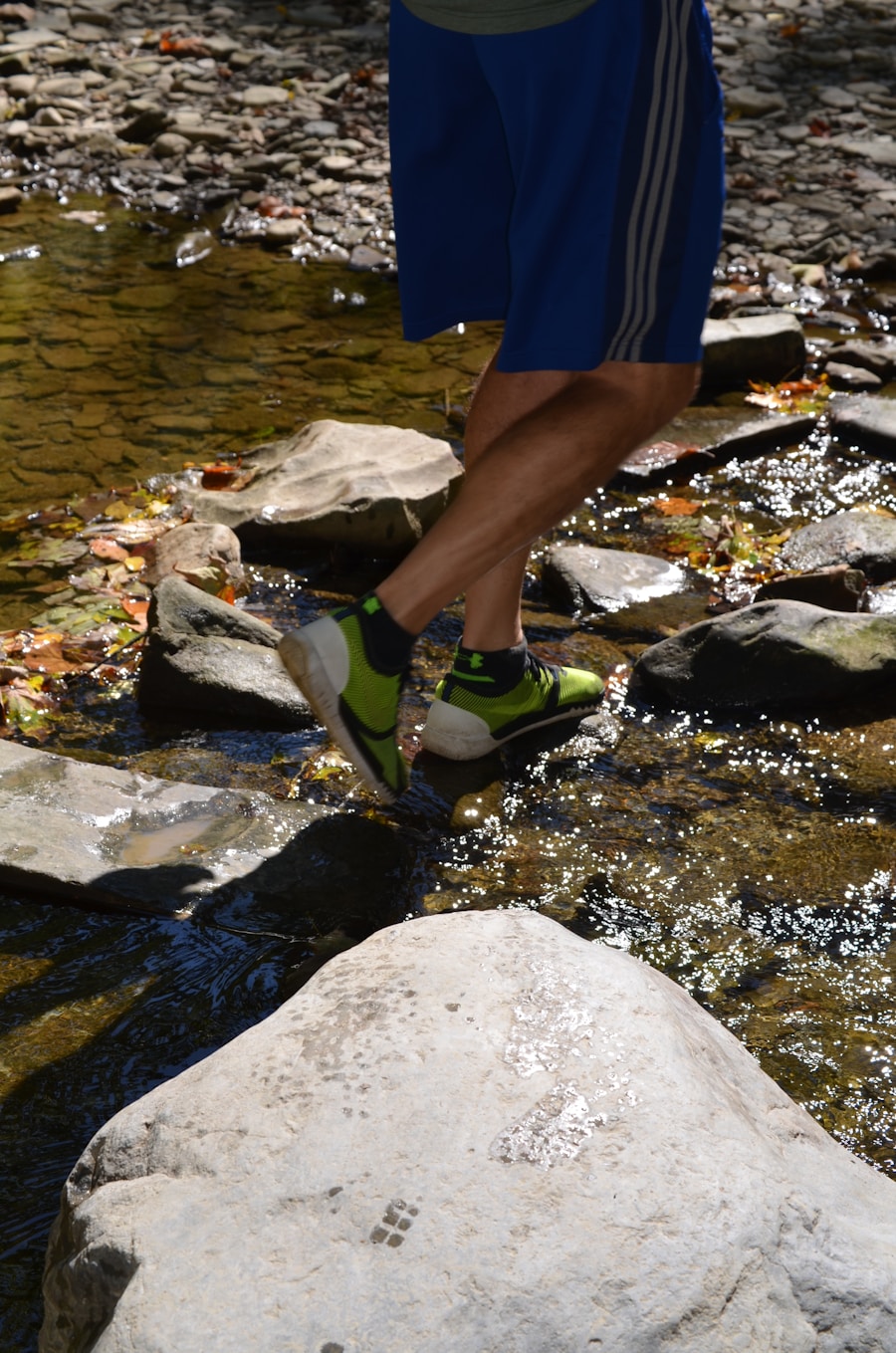
The main risks come from using a shoe beyond the terrain it was designed to handle. A comfortable road shoe can become a poor choice when smooth pavement gives way to wet stone, loose gravel, mud, or sharp rock.
Slips and Falls
A pavement-oriented outsole may not grip loose or slippery terrain as well as a trail outsole. The National Park Service advises hikers in many parks to use sturdy footwear with enough tread for good traction and warns against smooth-soled footwear on uneven terrain.
Less Protection From Rocks and Debris
Lightweight running shoes may have thin uppers, exposed foam, and minimal toe protection. On rough trails, that can mean more impact from rocks and roots and more wear on the shoe itself.
Stability and Ankle Injuries
Low-cut running shoes provide less material around the ankle than mid- or high-cut boots. That does not mean a high collar automatically prevents an ankle sprain. Footwear research suggests collar height can change ankle mechanics, but the effect on real-world stability and injury prevention is more complicated than “high equals safe.”
Underfoot stiffness, outsole shape, fit, terrain, fatigue, pack weight, previous injuries, and your own balance all matter. If you have recurring ankle instability, significant foot pain, or a recent injury, get individualized guidance from an appropriate medical professional before a demanding hike.
Cold, Snow, and Ice
Breathable running shoes offer limited insulation. They are also not a substitute for winter traction. The National Park Service recommends traction devices when trails are covered by hard-packed snow or ice in locations where those conditions require them.
Warning: Never assume that an aggressive-looking shoe outsole makes ice, wet rock, exposed scrambling, or steep loose terrain safe. Turn around when conditions exceed your footwear, equipment, or experience.
Alternatives to Running Shoes for Hiking
If ordinary running shoes do not provide enough traction or protection, you still have several options besides a heavy traditional boot.
Trail Running Shoes
Trail runners retain much of the light, flexible feel people like about running shoes while adding trail-oriented tread and protection. Depending on the model, they can work well for maintained trails, moderate terrain, fast hiking, and lightweight backpacking.
Hiking Shoes
Low-cut hiking shoes are a useful middle ground. They are generally more structured and durable than lightweight running shoes while remaining lighter and less restrictive than many boots.
Day Hiking Boots
Mid-cut day hiking boots provide more coverage and often more structure and weather protection. They can be useful when terrain becomes rougher or when you simply prefer a more substantial shoe.
Backpacking or Specialized Boots
For heavy loads, severe terrain, cold conditions, or specialized mountain travel, more substantial boots may be appropriate. Match specialized footwear to the route rather than assuming one boot works for every situation.
Barefoot or Minimalist Trail Shoes
Minimalist shoes are another option for people who are already adapted to them, but they provide less cushioning and underfoot protection than conventional trail footwear. Switching suddenly from highly cushioned shoes to minimalist footwear for a long hike can place unfamiliar demands on the feet and lower legs.
Making the Right Choice for Your Hiking Adventure
Running shoes can work for hiking, but the answer depends heavily on the type of shoe. Comfortable road runners may be perfectly adequate for a paved park route or easy dry path. Once a trail adds loose soil, mud, roots, rocks, steep grades, or other obstacles, a purpose-built trail runner or hiking shoe usually makes more sense.
Look beyond labels. Check fit, tread, rubber coverage, underfoot protection, weather resistance, pack weight, and the actual trail conditions. If the route is rugged, snowy, icy, or technically demanding, choose footwear and additional traction equipment appropriate for those hazards and follow local land-manager guidance.
The best footwear is the pair that fits your feet well and matches the demands of the hike—not simply the lightest shoe or the tallest boot.
If your hiking trip also includes fishing, the site’s guide to the best travel fishing rod covers compact rod options that are easier to pack for travel and outdoor trips.
Frequently Asked Questions
Can I wear running shoes for hiking?
Yes. Running shoes can work for some hikes, especially easy, dry, well-maintained routes. Trail-running shoes are generally better suited to natural trails than road-running shoes because they have off-road tread and often add more protection.
What are the advantages of wearing running shoes for hiking?
Running shoes are often lightweight, flexible, breathable, and well cushioned. Those qualities can make them comfortable on easy hikes, particularly in warm weather and when carrying a light pack.
What are the disadvantages of wearing running shoes for hiking?
Road-running shoes in particular may provide less traction, toe protection, underfoot protection, and durability on rough trails. Lightweight shoes can also feel less stable when terrain becomes irregular or a backpack becomes heavier.
What type of hiking is best suited for running shoes?
Road-running shoes are best reserved for paved paths and easy, predictable surfaces. Trail-running shoes can be suitable for many light-to-moderate hiking trails, depending on their tread, protection, fit, the weather, and the load you are carrying.
What should I consider when choosing to wear running shoes for hiking?
Consider the trail surface, steepness, weather, pack weight, trip length, outsole tread, foot protection, shoe stability, and fit. Current trail conditions matter more than the footwear category printed on the box.
Are trail running shoes better than road running shoes for hiking?
Usually, yes, when the hike is on natural trail surfaces. Trail runners are designed with off-road tread and often have stronger uppers, toe protection, and underfoot guards that road-running shoes may lack.
Do I need high-top boots for ankle support?
Not for every hike. A higher collar can provide coverage and may change how the ankle moves, but it does not guarantee that an ankle sprain will be prevented. Fit, sole stability, terrain, load, fatigue, conditioning, and previous injuries also affect stability.
Should running shoes for hiking be waterproof?
It depends. Waterproof trail shoes can help in cold, damp conditions, but they are usually warmer and less breathable. Non-waterproof trail shoes often drain and dry more quickly after full water crossings and may be more comfortable in warm weather.
Sources
- National Park Service — Hike Smart — general hiking preparation and footwear guidance.
- National Park Service — Hovenweep Safety — supports the importance of sturdy footwear and adequate tread on uneven terrain.
- National Park Service — Hiking With Traction Devices — guidance for hard-packed snow and icy trails.
- REI — How to Choose Hiking Boots and Shoes — footwear types, terrain, fit, support, materials, and break-in guidance.
- REI — Trail-Running Shoes Buying Guide — road-versus-trail differences, outsole lugs, protection, fit, and terrain categories.
- PubMed — Effects of Shoe Characteristics on Dynamic Stability — research relevant to sole characteristics, collar height, and walking stability.

