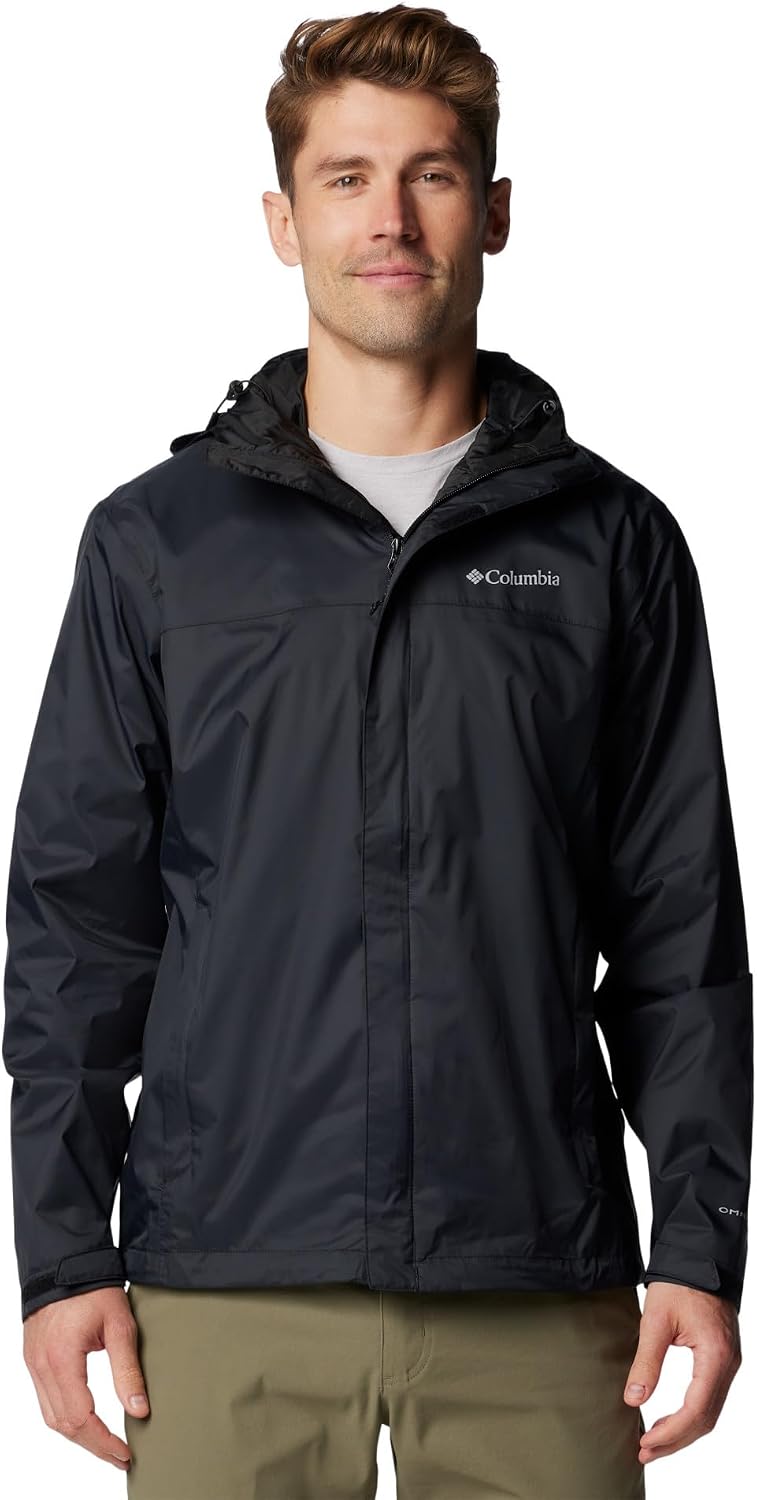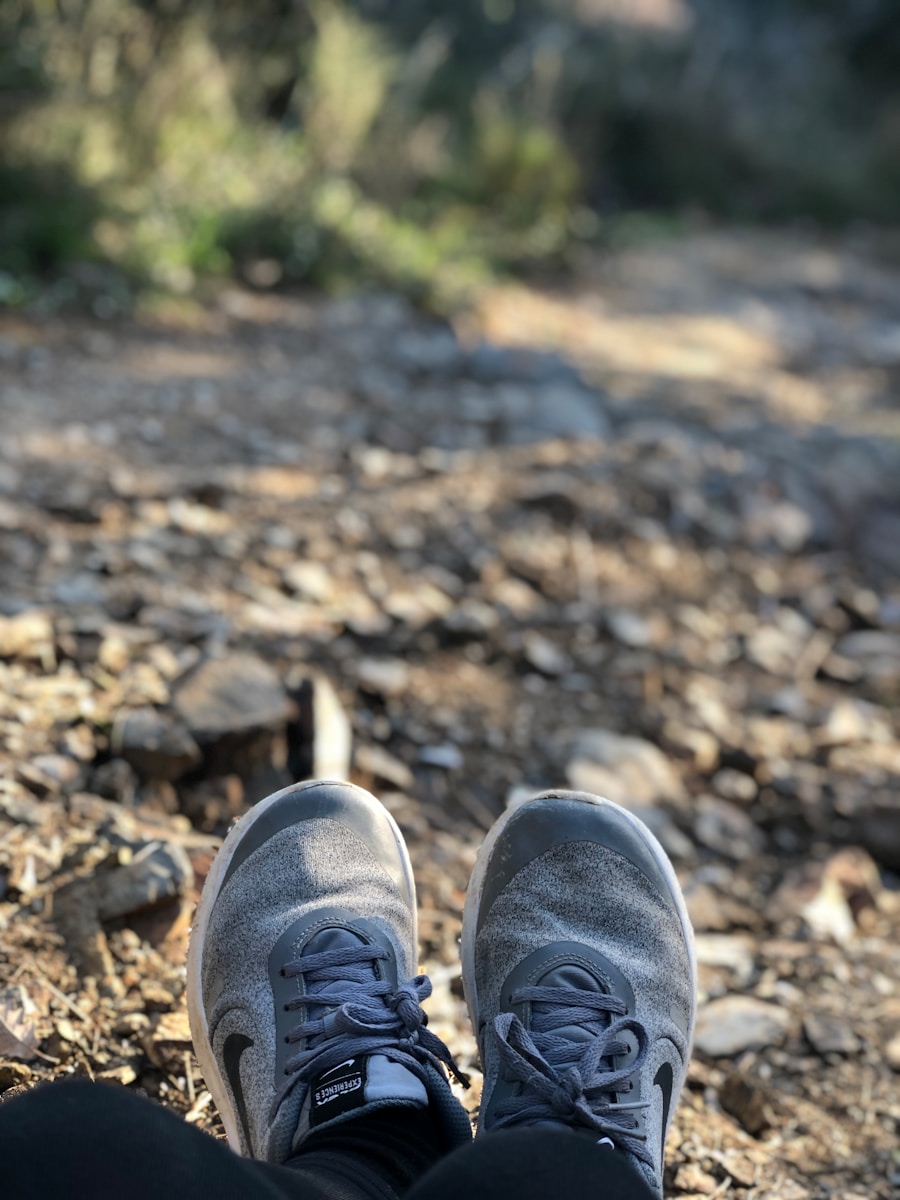
Last Updated on July 27, 2026 by Daniel Globe
Hiking shoes are built for walking over trails, rocks, roots, mud, and other uneven surfaces. Many use durable uppers, protective toe areas, grippy outsoles, and firmer midsoles than typical running shoes. That makes them useful for hiking, but it does not automatically make them ideal for running. Some modern hiking shoes are light and flexible enough for an occasional jog, while others feel heavy and stiff once you start running. The best choice depends on the shoe, the terrain, how far you plan to run, and what feels comfortable on your feet.
Quick Answer
Yes, you can run short distances in some hiking shoes, especially lightweight, flexible models on trails. However, hiking shoes are usually heavier and stiffer than trail-running shoes. For regular runs, long distances, speed work, or pavement, a running shoe or trail-running shoe is normally the more comfortable and efficient choice.
Key Takeaways
- Hiking shoes prioritize trail grip, durability, underfoot protection, and stability; running shoes prioritize repetitive running motion, lower weight, cushioning, and responsiveness.
- A lightweight hiking shoe can work for an occasional short run, but a trail-running shoe is usually better for people who regularly run off-road.
- Low-cut hiking shoes should not be assumed to prevent ankle sprains. Higher collars are mainly a feature of hiking and backpacking boots, and footwear alone cannot guarantee injury prevention.
- Weight, stiffness, fit, traction, terrain, and your own comfort matter more than the label printed on the shoe box.
- Test unfamiliar footwear gradually. Stop if you develop persistent pain, numbness, significant heel slip, toe impact, or recurring hot spots.
Disclosure: As an Amazon Associate I earn from qualifying purchases. Some links on this page are affiliate links, at no extra cost to you.
Running Shoes vs. Hiking Shoes: What Is the Difference?
Running shoes and hiking shoes overlap in some areas, but they are designed around different movement patterns and trail demands. Modern footwear also covers a wide spectrum, so a light hiking shoe may feel closer to a trail runner than it does to a heavy backpacking boot.
Design Features of Running Shoes
Running shoes are designed for thousands of repeated running strides. They generally emphasize low weight, cushioning, flexibility or controlled stiffness, and a smooth heel-to-toe transition. Road-running shoes normally use an outsole suited to pavement, while trail-running shoes add more aggressive traction and protection for dirt, rocks, roots, and mud.
There is no single running-shoe shape that fits every runner. Modern models range from low-profile racing shoes to highly cushioned trainers, so features such as stack height, heel-to-toe drop, stiffness, and cushioning vary widely.
Design Features of Hiking Shoes
Hiking shoes are typically low-cut shoes made for walking at a slower to moderate pace over light or moderately difficult terrain. According to REI’s current hiking-footwear guidance, they commonly use durable uppers, moderately flexible midsoles, trail-oriented outsoles, and more protection than everyday sneakers.
Some models include rock plates or other internal structures to reduce pressure from sharp rocks. Outsoles may use deeper or multidirectional lugs for grip. Waterproof models can use membranes that block water more effectively, although those membranes generally reduce ventilation compared with open mesh.
Note: A hiking shoe is not the same thing as a hiking boot. Hiking shoes are normally low-cut. Hiking, backpacking, and mountaineering boots extend higher around the ankle and tend to be heavier and stiffer.
Trail-Running Shoes: The Middle Ground
Trail-running shoes combine running-focused construction with off-road traction. They are generally lighter and more flexible than hiking shoes while still offering tread patterns and, in some models, rock plates designed for trails. That makes them the most natural compromise for someone who wants to both hike and run in one pair.
They are not automatically better in every situation. A hiking shoe can offer more durable uppers and firmer underfoot protection, while a boot may be more appropriate for difficult terrain, heavy loads, snow, or mountaineering. The right choice depends on the activity rather than the footwear category alone.
| Footwear | Best General Use |
| Road-running shoe | Regular pavement running, treadmill running, long runs, and speed-focused workouts. |
| Trail-running shoe | Running on dirt, gravel, roots, rocks, and changing trail surfaces; also popular for fast hiking. |
| Hiking shoe | Day hiking and walking on light to moderate trails where durability, traction, and underfoot protection matter. |
| Hiking or backpacking boot | Rougher terrain, heavier loads, and conditions where a higher, more structured boot is useful. Usually a poor choice for sustained running. |
Impact of Running in Hiking Shoes

Running in hiking shoes can feel noticeably different from running in purpose-built running footwear. A firmer midsole may flex less during toe-off, and a heavier shoe requires you to move more mass with every stride. These differences do not automatically make hiking shoes unsafe, but they can make running feel less natural or more tiring for some people.
There is good evidence that shoe mass can influence running efficiency. In a controlled study of trained runners, adding 100 grams to each shoe impaired running economy and high-intensity running performance. The study does not prove that every hiking shoe will slow every runner, but it supports the practical advantage of lighter footwear when running performance matters. See the 2020 Frontiers in Physiology study on shoe mass and running economy.
For running, extra shoe mass is not just something you feel: controlled research shows that increasing mass can measurably increase the energy cost of running.
Traction can be an advantage on dirt, loose soil, mud, or rocky trails. Hiking outsoles often use deeper or more widely spaced lugs than road-running shoes. On pavement or another smooth surface, however, a strongly lugged hiking outsole may feel less smooth and less efficient than a road-running outsole.
Footwear can also change how a run feels, but it is too simplistic to say that a stiff hiking shoe will automatically change your gait enough to cause an injury. Running-related injury risk depends on many interacting factors, including training load, previous injury, fitness, terrain, recovery, and footwear comfort. A review in the Journal of Athletic Training cautions against treating shoe features as a simple injury-prevention formula.
Warning: Stop or change footwear if running produces persistent pain, numbness, repeated blistering, major heel slip, toes striking the front of the shoe, or a feeling that the shoe is forcing an uncomfortable movement pattern. People with recurring ankle instability, significant foot problems, or prescribed orthotics may benefit from advice from a qualified medical or foot-care professional.
Benefits of Running in Hiking Shoes
| Potential Benefit | Why It Can Help |
| Durability | Hiking shoes often use more abrasion-resistant uppers and protective overlays than lightweight road shoes. |
| Traction | Trail-oriented lugs can provide useful grip on loose dirt, mud, and uneven ground. |
| Underfoot stability | A firmer platform can feel steady when walking or jogging over rough terrain, although this should not be confused with guaranteed ankle-injury prevention. |
| Protection | Toe guards, durable uppers, firm midsoles, and optional rock plates can reduce the discomfort of contact with rocks and trail debris. |
| Weather protection | Water-resistant or waterproof models can be useful in wet grass, shallow mud, and rainy conditions, although waterproof membranes are usually warmer and less breathable. |
The biggest advantage appears when the terrain matches what the hiking shoe was built to handle. If you occasionally need to jog along a rocky trail, move quickly between trail sections, or combine hiking and short bursts of running, a lightweight hiking shoe may work perfectly well.
Durability can also be valuable for runners who spend time in abrasive environments. Reinforced uppers, toe protection, and firmer sole materials can tolerate trail contact that may damage a light road-running shoe more quickly.
That said, hiking shoes should not be credited with automatic ankle protection. Low-cut hiking shoes sit at or below the ankle, and research comparing high- and low-top athletic footwear has not established shoe height as a reliable stand-alone method of preventing ankle sprains. A secure fit and appropriate traction matter, but neither guarantees that an injury will not occur.
Drawbacks of Running in Hiking Shoes
The most obvious drawback is often weight. Hiking shoes vary considerably, but models built for durability and protection can weigh more than comparable running shoes. Because running repeats the same leg movement thousands of times, even modest extra mass can become noticeable over time.
Stiffness can also matter. A firmer hiking midsole can protect the foot from uneven ground, but runners accustomed to a flexible or more responsive running shoe may find it less comfortable during sustained running. This is particularly noticeable on long, smooth stretches where the added protection provides little benefit.
Waterproofing is another tradeoff. A waterproof membrane may be useful in cold rain, wet vegetation, or shallow mud, but it usually reduces airflow. During warm-weather running, a breathable non-waterproof trail shoe may feel cooler and may dry more quickly after water enters from above the collar.
Fit can become more demanding once you start running. A hiking shoe that feels fine while walking may allow heel movement at a faster pace, press on the toes during descents, or create friction after your feet swell. Running footwear should hold the heel and midfoot securely without crushing the forefoot or toes.
Tips for Running in Hiking Shoes
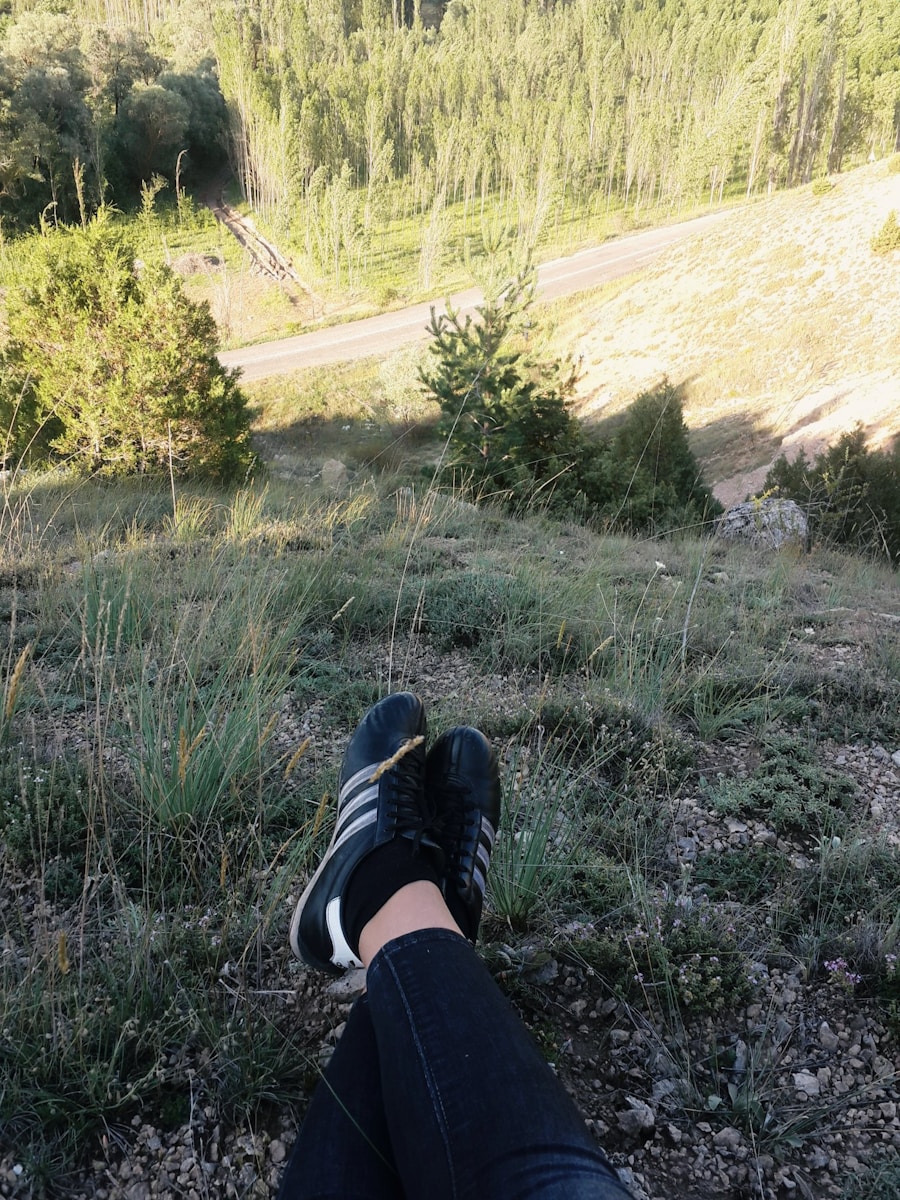
If hiking shoes are the footwear you already own or you want one pair for mixed hiking and occasional running, you can reduce problems by testing them methodically instead of taking them straight into a long run.
- Check the fit while walking first. The heel should stay secure, the midfoot should not slide, and the toes should have room to move.
- Use the socks you will actually run in. A change in sock thickness can change heel hold, toe room, and friction.
- Start with a short, easy run. A brief jog on familiar terrain tells you far more about running comfort than standing in the shoe.
- Increase distance gradually. This is about adapting to unfamiliar footwear and catching fit problems early, not assuming every hiking shoe needs a traditional break-in period.
- Let your stride remain natural. Do not deliberately force a different foot strike simply because the shoe feels stiffer. If you cannot run comfortably without changing your movement, the shoe may not be a good running choice.
- Match the outsole to the surface. Trail lugs make more sense on dirt and loose ground than on a treadmill or long paved route.
- Inspect your feet after the run. Red areas, blisters, numbness, bruised toes, or repeated hotspots are signs that the fit or shoe choice needs attention.
Pro Tip: If you want one pair for both day hiking and regular trail running, start your search in the trail-running category rather than trying to make a heavy hiking shoe behave like a running shoe. Trail runners are designed for faster movement while retaining off-road traction.
Choosing the Right Hiking Shoes for Running
If you still prefer a hiking shoe, focus on the characteristics that make it easier to run rather than simply choosing the most rugged model.
Choose a Lighter, More Flexible Model
Heavy backpacking footwear offers benefits that an occasional runner may not need. A relatively light hiking shoe with moderate forefoot flex is usually easier to jog in than a rigid model designed around maximum support and load carrying.
Match the Tread to Your Terrain
Deep, widely spaced lugs can be useful in mud, while multidirectional lugs help on uneven trails. Smooth pavement generally calls for a running outsole with more continuous ground contact. No tread pattern performs best on every surface.
Prioritize Fit Over Labels
Footwear should feel secure without being tight. REI’s current fitting guidance recommends room for the toes and notes that feet tend to swell during activity. Trying footwear later in the day can therefore provide a more realistic fit check.
The heel should not lift excessively while running, and your toes should not hit the front on descents. If you use custom orthotics, test the shoes with those orthotics installed rather than assuming the original fit will remain the same.
Think About Waterproofing Carefully
A waterproof membrane makes sense when keeping outside moisture out is a priority. For warm-weather running, however, a breathable non-waterproof upper may be more comfortable. Water can also enter any low-cut shoe from the top during deep crossings, regardless of the membrane.
Notice Heel-to-Toe Drop and Cushioning
Changing suddenly to footwear with a very different heel-to-toe drop, cushioning level, or sole stiffness can feel unfamiliar. There is no single drop that is correct for everyone. Comfort and gradual adaptation are more useful guides than choosing a shoe solely because it is marketed as “natural,” “supportive,” or “minimalist.”
The American Podiatric Medical Association likewise recommends selecting sport-specific footwear that fits correctly rather than assuming one design works equally well for every activity.
When Hiking Shoes Work for Running—and When They Do Not
| Situation | Recommendation |
| Short jog during a hike | Usually reasonable if the hiking shoes fit well and feel flexible enough. |
| Easy running on dirt or packed trail | A lightweight hiking shoe can work, but a trail-running shoe is usually more efficient for repeated use. |
| Technical trail running | Choose a trail-running shoe designed for the terrain, grip, protection, and faster directional changes you need. |
| Regular road running | Use a road-running shoe in most cases. Hiking traction and protection offer little benefit on normal pavement. |
| Treadmill running | Running shoes are normally the better option because aggressive outdoor tread and heavy protective construction are unnecessary. |
| Long runs or speed workouts | Choose running-specific footwear unless you have already tested a particular hiking shoe extensively and know it works for you. |
| Running in hiking boots | Generally unsuitable for sustained running because boots are normally heavier, higher-cut, and stiffer than hiking shoes. |
Can You Run in Hiking Shoes?
Yes, you can run in hiking shoes, but whether you should depends on the shoe and the type of running. A light, flexible hiking shoe can handle short runs and mixed hike-run outings, particularly on trails where its grip and protection are useful. The heavier and stiffer the shoe becomes, the less attractive it usually is for sustained running.
If running is a regular part of your routine, purpose-built running footwear is normally the better choice. Road runners are optimized for pavement, while trail-running shoes provide a useful combination of running comfort, trail grip, and protection. Hiking shoes make the most sense when hiking remains the primary activity and running is secondary.
Most importantly, judge the footwear by how it performs on your feet rather than by broad claims about “support” or injury prevention. A shoe that fits securely, matches your terrain, and remains comfortable as distance increases is more useful than one selected solely because it belongs to a particular category.
If your hiking and running are part of a larger trip, staying connected can also make it easier to check trail conditions, maps, accommodations, and transportation. The existing guide to portable WiFi hotspots for international travel covers connectivity options for travelers who need internet access away from home.
Frequently Asked Questions
What are hiking shoes?
Hiking shoes are generally low-cut outdoor shoes designed for walking on trails. They commonly combine durable uppers, trail-oriented traction, moderate flexibility, and more underfoot protection than everyday sneakers. They should not be confused with higher-cut hiking, backpacking, or mountaineering boots.
Can I run in hiking shoes?
Yes. A lightweight, flexible hiking shoe can be suitable for occasional short runs, particularly on trails. For frequent running, longer distances, pavement, or faster workouts, running-specific footwear is normally lighter and more comfortable.
What are the differences between hiking shoes and running shoes?
Hiking shoes usually place more emphasis on trail durability, underfoot protection, and traction. Running shoes are designed around repeated running strides and normally emphasize lower weight, cushioning, and an efficient transition through each step. Trail-running shoes combine running-focused construction with off-road grip.
Can I use hiking shoes for trail running?
You can use some lightweight hiking shoes for occasional trail running, but trail-running shoes are normally the better choice for regular running. They are designed to be lighter and more flexible while still providing trail traction and protection.
What should I consider when choosing footwear for running or hiking?
Consider the terrain, distance, pace, weather, fit, shoe weight, outsole grip, cushioning, flexibility, and how much protection you need. Your heel should remain secure, your toes should have room, and the shoe should not create persistent pressure or friction as your feet warm up and swell.
Are trail-running shoes better than hiking shoes for running?
Usually, yes. Trail-running shoes are specifically designed for running on uneven outdoor surfaces, so they generally provide a better balance of low weight, flexibility, cushioning, traction, and protection. Hiking shoes may still be preferable when walking durability and firmer underfoot protection matter more than running performance.
Can I run in hiking boots?
A brief jog in hiking boots may be possible when necessary, but most hiking and backpacking boots are poor choices for sustained running because they are heavier, stiffer, and higher-cut than running shoes or low hiking shoes.
Sources
- REI Co-op — How to Choose Hiking Boots and Shoes — current guidance on hiking shoes, boots, trail-running shoes, fit, soles, waterproofing, and terrain.
- Frontiers in Physiology — Influence of Shoe Mass on Performance and Running Economy in Trained Runners — evidence on added footwear mass and running economy.
- Journal of Athletic Training — Can the “Appropriate” Footwear Prevent Injury in Leisure-Time Running? — review of running footwear and injury-risk evidence.
- American Podiatric Medical Association — Choosing Shoes for Sports — activity-specific footwear and fit guidance.
- American Journal of Sports Medicine — High- versus Low-Top Shoes for the Prevention of Ankle Sprains — randomized evidence showing no strong relationship between shoe type and ankle-sprain incidence.