

Last Updated on July 27, 2026 by Daniel Globe
Bed bugs are small, flat, reddish-brown insects that feed on the blood of people and other warm-blooded animals. They are difficult to notice because they hide in mattress seams, bed frames, furniture joints, luggage and other narrow spaces. Their ability to hide inside movable objects is the main reason they spread so easily between rooms, apartments and homes.
Quick Answer
Yes. Bed bugs can move from one home to another by hiding in luggage, clothing, bedding, boxes, used furniture and other belongings. In apartments or attached housing, they may also crawl into nearby units through gaps around walls, doors, pipes and wiring. They cannot fly or jump, and they usually do not live on people.
Key Takeaways
- Bed bugs usually reach a new home by hitchhiking inside luggage, clothing, furniture, bedding, boxes and bags.
- They can also crawl between nearby apartments through wall voids and gaps around doors, baseboards, pipes and electrical wiring.
- Bed bugs cannot fly or jump, and they do not normally remain on a person or pet after feeding.
- Bites alone cannot confirm an infestation. Look for live bugs, eggs, shed skins, dark fecal spots and rusty stains.
- High dryer heat, careful inspection, sealed bags and early professional treatment can reduce the risk of spreading an infestation.
At a Glance: Post-Travel Bed Bug Check
| Time Required | About 15–30 minutes, plus drying time |
| Difficulty | Easy for inspection and containment; professional help may be needed if bugs are found |
| Tools Needed | Flashlight, sealable plastic bags, dryer access, vacuum and a light-colored inspection surface |
| Cost | Usually $0–$20 for basic inspection supplies; professional treatment costs vary by infestation and location |
Disclosure: As an Amazon Associate I earn from qualifying purchases. Some links on this page are affiliate links, at no extra cost to you.
How Bed Bugs Travel
Bed bugs have no functional wings and cannot fly. They also cannot jump like fleas. They spread in two main ways: passive hitchhiking inside movable objects and active crawling across short distances.
Human-Assisted Travel
The most common method is hitchhiking. A bed bug may hide in a suitcase seam, overnight bag, folded shirt, blanket, cardboard box, upholstered chair or piece of used furniture. When that object is moved, the hidden bug moves with it.
The Centers for Disease Control and Prevention notes that bed bugs can spread in the seams and folds of luggage, clothing, bedding and furniture. A traveler may therefore carry a bug home without being bitten or realizing that it is present.
Bed bugs are more likely to hide in belongings than to remain on a person’s skin. Unlike lice, they do not normally live on the human body. They usually feed for a short period and then return to a crack, seam or other sheltered location.
Local Crawling and Movement
Bed bugs can crawl from a hiding place to a sleeping or resting host. The U.S. Environmental Protection Agency reports that they readily travel several feet from an established hiding place to feed.
The CDC also notes that a bed bug may travel farther in a night under some conditions, although infestations usually remain concentrated near beds, couches and other places where people rest for long periods.
Movement Between Apartments
In multi-unit buildings, bed bugs may crawl through wall voids and gaps around baseboards, entry doors, pipes, heating lines and electrical wiring. They may also enter hallways and move into another unit.
A published apartment study found marked bed bugs in units above, below, beside and across the hall from infested apartments. This means treatment in a multi-family building may fail if surrounding units are not inspected when appropriate.
Note: A clean home can still develop bed bugs. Cleanliness does not determine whether bed bugs are present, although clutter gives them more places to hide and makes inspection and treatment harder.
Can Bed Bugs Travel Between Homes?

Yes, bed bugs can travel between homes, but the most likely route depends on the type of housing.
Apartments, Condominiums and Attached Homes
Active crawling is a genuine concern in buildings with shared walls, floors, ceilings, utility lines or hallways. Bed bugs may move into a nearby unit, particularly when an infestation is established or disturbed.
Residents should report a confirmed or suspected infestation to the landlord, property manager or housing authority promptly. Building management may need to arrange inspection of nearby units and coordinate treatment so bugs are not simply moved from one apartment to another.
Detached Houses
In detached homes, bed bugs are more likely to arrive inside an object than to crawl across a yard from another house. Common sources include overnight luggage, used furniture, second-hand mattresses, moving boxes, visitors’ belongings and clothing that has been stored near an infestation.
Common Ways Bed Bugs Reach a New Home
| Route | How the Spread Happens | Relative Concern |
| Luggage and travel bags | Bugs hide in seams, pockets, folds, zippers and stored clothing. | High after exposure to an infested sleeping area |
| Used furniture and mattresses | Live bugs or eggs remain hidden in joints, seams, fabric folds and screw holes. | High if the item is not carefully inspected or treated |
| Clothing and bedding | Bed bugs hide in folded fabric and move when the fabric is carried elsewhere. | Moderate to high after direct exposure |
| Shared walls and utilities | Bugs crawl through gaps around doors, baseboards, pipes, outlets and wiring. | Important in apartments and attached housing |
| Boxes and personal belongings | Small cracks, folds and clutter provide temporary hiding places. | Varies with where the items were stored |
Factors That Affect Bed Bug Movement
Several conditions affect where bed bugs hide, how easily they are transported and how difficult an infestation is to contain. None of these factors can reliably prevent an infestation by itself.
| Factor | Effect on Movement or Spread |
| Movable belongings | Luggage, clothing, furniture and boxes allow hidden bed bugs to move long distances without crawling there themselves. |
| Availability of hosts | Bed bugs tend to gather near places where people or animals regularly sleep or rest. However, removing a host does not immediately eliminate the bugs. |
| Clutter | Clutter does not cause bed bugs, but it creates more hiding places and makes inspection, treatment and monitoring harder. |
| Building connections | Shared walls, hallways and utility openings can provide crawling routes between units. |
| Temperature | Normal indoor temperatures allow bed bugs to remain active. Changing the thermostat is not a dependable prevention or treatment method. |
| Treatment disturbance | Incomplete pesticide or heat treatment may leave survivors and can sometimes cause bugs to move into new hiding places. |
How to Prevent Bed Bugs From Traveling Home
Inspect a Hotel or Guest Room
Before unpacking, place luggage on a hard surface or an inspected luggage rack away from the bed. Use a flashlight to examine:
- Mattress seams, piping, labels and folds
- The box spring and visible bed-frame joints
- Cracks and screw holes in the headboard
- The luggage rack, especially straps and joints
- Nearby upholstered chairs and bedside furniture
Look for live insects, pale eggs, shed skins, black or dark-brown fecal spots and rusty stains. The EPA’s travel guidance recommends checking the mattress, headboard and luggage rack before sleeping.
Pro Tip: Keep your suitcase closed when it is not in use and do not place it on the bed, upholstered furniture or carpet beside the bed. A luggage rack is helpful only after you inspect it.
What to Do If You Find a Bed Bug While Traveling
- Take a clear photo or safely contain a specimen if possible.
- Notify the hotel, host or property manager immediately.
- Keep your belongings sealed and separate from the suspected area.
- Request another room that is not directly beside, above or below the suspected room, or change accommodations if necessary.
- Inspect and contain your luggage before placing it in a vehicle or bringing it home.
Check Belongings When You Return Home
- Do not place luggage on a bed, couch or bedroom carpet.
- Unpack on a hard, light-colored surface where escaping insects are easier to see.
- Place washable clothing and suitable fabrics directly into a dryer.
- Run the dryer on high heat for at least 30 minutes when the fabric allows it. Washing alone may not kill every bed bug or egg.
- Inspect suitcase seams, folds, handles, pockets, wheels and zippers with a flashlight.
- Vacuum the luggage if appropriate, then seal and discard the vacuum contents in an outdoor trash container.
- Store the suitcase away from bedrooms and sleeping areas.
Inspect Second-Hand Items
Check used furniture, mattresses, bed frames, clothing and boxes before bringing them indoors. Examine seams, joints, undersides, screw holes, upholstery folds and cracks. Avoid taking discarded mattresses or upholstered furniture from streets, dumpsters or unknown sources.
If an item cannot be thoroughly inspected and safely treated, leaving it outside the home is safer than taking the chance. Do not donate or sell a known infested item without clearly disclosing the problem and following local disposal requirements.
Reduce Movement Between Apartments
The EPA recommends sealing cracks around baseboards, light sockets and other wall openings and installing door sweeps where appropriate. These measures cannot guarantee protection, but they can reduce possible movement routes.
Do not move potentially infested belongings into a hallway, another bedroom or a neighbor’s home. Seal items in sturdy bags or containers before transporting them for treatment.
Signs of a Bed Bug Infestation

Physical evidence is more dependable than skin reactions. According to the EPA’s bed bug identification guidance, important signs include:
- Live bed bugs: Adults are flat, oval and reddish-brown, while young nymphs are smaller and paler.
- Dark fecal spots: Small black or brown marks may bleed into fabric like ink.
- Rusty or reddish stains: These may appear where a fed bug was crushed.
- Eggs and eggshells: Bed bug eggs are tiny, pale and often attached inside cracks or seams.
- Shed skins: Nymphs leave pale exoskeletons as they grow.
- A sweet or musty odor: This can occur in an established or heavy infestation but should not be expected in every case.
Note: Bite marks cannot confirm bed bugs. Reactions vary widely, may appear days after exposure and can resemble mosquito bites, flea bites, hives or other skin conditions. Some people show no visible reaction.
What to Do If You Suspect Bed Bugs
- Confirm the insect. Collect a specimen in a sealed container or take a detailed photo. A pest professional or university extension office may help identify it.
- Contain exposed belongings. Put clothing, bedding and small washable items in sealed bags until they can be treated.
- Avoid spreading the infestation. Do not carry loose items into another room or another home.
- Notify the responsible party. Apartment residents should contact the landlord or property manager promptly.
- Inspect nearby sleeping areas. Check beds, couches, recliners and furniture where people regularly rest.
- Arrange treatment. Established infestations usually require a coordinated plan and repeated monitoring.
Products Worth Considering

ENVIRONMENTAL BED BUG SCREENING KIT – This rapid test kit is designed to detect bed bug-derived antigens from environmental surface samples collected from beds, mattresses, furniture crevices, and other suspected areas. It is intended for environmental hygiene monitoring, not for human specimen testing.

EARLY DETECTION MADE SIMPLE: Detect bed bugs at the first sign; protect bedrooms, hotels, dorms, and rentals; ideal for treatment follow-up and prevention plans
Treating Bed Bug Infestations
Bed bug treatment works best as an integrated pest management plan that combines inspection, containment, physical removal, heat where appropriate, monitoring and carefully selected pesticides. A single spray or one cleaning session is rarely enough for an established infestation.
Products Worth Considering

READY-TO-USE APPLICATOR: Apply this bed bug spray for homes using the included Comfort Wand to target tight and hard-to-reach places where bed bugs hide
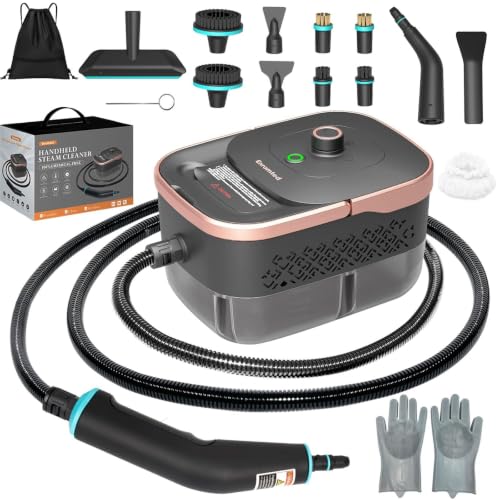
【15-SECOND INSTANT HEAT TO STERILIZE & DISINFECT】 Powered by a rapid-heating 1500W heating core, this pressurized steam cleaner generates continuous 221°F (105°C) high-velocity steam in just 15 seconds. High-temperature pressurized thermal vapor penetrates deep into porous surfaces to melt away baked-on grease, remove stubborn grime, and effectively disinfect and sterilize everyday household surfaces without chemical residue.

【Smart Allergen Sensor & Visualized Cleaning】More than just basic dust removal, our mattress vacuum uses real-time LED intelligent sensing to clearly show hidden dust and allergen levels on fabric surfaces. The intuitive indicator allows you to see cleaning results at a glance, so you always know exactly when your bed, sofa or fabric is truly fresh and thoroughly clean
Dryer and Laundry Treatment
Suitable bedding and clothing can be placed in a dryer on high heat for at least 30 minutes. The dryer load should not be packed so tightly that heat cannot circulate. Store treated items in clean, sealed bags or containers until the infestation is under control.
Washing may help clean items, but washing alone is not considered a dependable way to kill every life stage.
Vacuuming
Vacuum mattresses, box springs, bed frames, furniture joints, baseboards, carpeting edges and other hiding areas. Vacuuming can remove visible bugs and debris, but eggs may remain attached to surfaces.
Immediately seal the vacuum bag or dust-cup contents in a plastic bag and place it in an outdoor trash container. Clean the vacuum attachments according to the manufacturer’s instructions.
Steam and Professional Heat
Steam may be useful on seams, cracks, furniture and other suitable surfaces when the steam reaches an effective temperature without a forceful airflow that scatters bugs. Protect materials that can be damaged by heat or moisture.
Whole-room heat treatment requires specialized equipment and temperature monitoring. Every hiding place must reach a lethal temperature for enough time to kill adults, nymphs and eggs. The EPA describes professional and controlled heat options in its integrated pest management guidance.
Warning: Do not attempt to heat an infested room with a fireplace, oven, propane heater or ordinary space heaters. Do not use gasoline, kerosene or rubbing alcohol. These methods are dangerous, can cause fires or explosions and may fail to heat hidden bugs evenly.
Mattress Encasements and Interceptors
Bed-bug-resistant encasements can trap bugs already inside a mattress or box spring and remove many hiding places. Choose a durable encasement designed for bed bugs, close it completely and check it regularly for holes.
Interceptor cups placed beneath bed or furniture legs can help detect movement and monitor whether treatment is working. Move the bed slightly away from walls and prevent sheets or blankets from touching the floor so bugs do not have an alternate route.
Pesticide Safety
If pesticides are used in the United States, choose only an EPA-registered product that lists bed bugs on the label. Follow every direction concerning application sites, amounts, protective equipment, ventilation, children and pets.
Some bed bug populations are resistant to commonly used pyrethrins or pyrethroids. A pest management professional may use products with different modes of action as one part of a broader treatment plan. More information is available in the EPA’s bed bug pesticide guide.
Warning: Never apply a bed bug pesticide or insect repellent to your skin unless the product label specifically permits that use. Do not use outdoor or agricultural pesticides indoors. Foggers and bug bombs should not be the only treatment because their spray often fails to reach the cracks where bed bugs hide.
When to Call a Professional
Contact an experienced, licensed pest management professional when:
- Live bugs or eggs are found in more than one area
- The infestation is in an apartment or multi-unit building
- DIY efforts have not stopped new evidence
- Heat treatment or pesticide application is being considered
- Infested furniture or belongings cannot be treated safely
- Children, older adults, pets or people with health conditions may be exposed to treatment products
Ask how the company confirms bed bugs, which methods it uses, how many visits may be required and how it will monitor the home after treatment.
Can Bed Bugs Travel on People, Pets and Vehicles?
Can Bed Bugs Travel on Clothing?
Yes, a bed bug can hide in a fold, cuff, pocket or seam and be transported with the clothing. However, bed bugs do not normally remain attached to a person in the way that lice do. Clothing stored on or beside an infested bed is more concerning than clothing being actively worn.
Can Bed Bugs Travel on Pets?
Bed bugs may feed on dogs, cats and other animals, but they usually leave the host after feeding and hide in the surrounding environment. They are less adapted to remaining in fur than fleas or ticks.
A pet’s bed, blanket, carrier or fabric toy is a more likely transportation route than the animal’s body. Inspect and safely treat these items when a home has a confirmed infestation. Do not apply household bed bug pesticides directly to an animal.
Can Bed Bugs Travel in Cars?
A bed bug can enter a vehicle inside luggage, clothing, boxes, car seats or other belongings. A vehicle is not usually the original source, but repeated transport of infested items can allow bugs to hide in upholstery seams or cracks.
Remove and contain the suspected item rather than spraying the entire vehicle without confirming an infestation. A pest professional can advise on safe treatment if live bugs or repeated signs are found.
Can Bed Bugs Spread on Buses or Trains?
Bed bugs have been found in many places where people and belongings gather, including buses and trains. Transport is possible when a bug hides in a bag or loose clothing, but sleeping environments such as homes, hotels and dormitories provide more favorable long-term hiding and feeding opportunities.
Do Travel Accessories Prevent Bed Bugs?
No. Travel accessories such as travel pants with hidden pockets, a portable water bottle or a portable Wi-Fi hotspot may be useful for comfort, organization or security, but they do not prevent bed bugs. Effective prevention depends on inspection, careful luggage placement, sealed containment, high-heat drying and prompt treatment.
Conclusion and Summary
Bed bugs can travel from one home to another, but they do not fly or jump. Most long-distance spread happens when they hide in luggage, clothing, furniture, bedding, boxes or other movable belongings. In apartments and attached housing, they can also crawl through gaps and shared building spaces into neighboring units.
Early detection offers the best chance of stopping an infestation before it spreads. Inspect sleeping areas and second-hand items, keep luggage away from beds, dry suitable travel clothing on high heat and report suspected apartment infestations promptly. When bed bugs are confirmed, use an integrated plan rather than depending on one spray, fogger or improvised heat treatment.
Bed bugs are excellent hitchhikers, but careful inspection, containment and early treatment can interrupt their trip before they establish a new infestation.
Frequently Asked Questions
What are bed bugs?
Bed bugs are small, flat, wingless insects in the genus Cimex. They feed on the blood of people and other warm-blooded animals, usually while the host is sleeping or resting. The common bed bug is scientifically known as Cimex lectularius.
Can bed bugs travel from house to house?
Yes. They most often reach another house inside luggage, clothing, furniture, bedding, boxes or visitors’ belongings. In apartments and attached homes, they may also crawl into nearby units through gaps and shared building spaces.
How do bed bugs spread from one home to another?
The main route is passive hitchhiking. A bug hides in an object and is carried to the next location. Active crawling through wall voids, utility openings, hallways and door gaps is also possible in multi-unit buildings.
Can bed bugs fly or jump?
No. Bed bugs do not have functional wings and cannot fly. They also cannot jump. They move by crawling or by hiding inside an object that a person carries elsewhere.
Can bed bugs travel on pets?
Bed bugs can feed on pets, but they normally leave after feeding and hide nearby. A pet bed, blanket or carrier is a more likely transport route than the animal’s fur. Never apply a household pesticide to a pet unless a veterinarian-approved product label allows it.
Can someone carry bed bugs without being bitten?
Yes. A bed bug may hide in luggage or clothing without feeding, and some people do not develop a visible reaction after a bite. The absence of bite marks does not prove that belongings are free of bed bugs.
Does washing clothing kill bed bugs?
Washing may remove some bugs, but washing alone may not kill every bed bug or egg. For suitable fabrics, the EPA recommends high dryer heat for at least 30 minutes. Follow the garment’s care instructions.
How can I stop bed bugs from spreading to another room?
Do not carry loose clothing, bedding or furniture into another room. Seal exposed items in sturdy bags or containers, treat suitable fabrics in a dryer, vacuum carefully and arrange a complete inspection. Apartment residents should also notify building management.
Are bed bugs a sign of a dirty home?
No. Bed bugs can occur in clean or cluttered homes, budget lodging and luxury hotels. Clutter does not cause an infestation, but it provides more hiding places and makes inspection and treatment harder.
When should I seek medical care for bed bug bites?
Most bites need only basic itch relief and protection from scratching. Seek medical care for trouble breathing, widespread swelling, a severe allergic reaction, fever, increasing pain, pus or other signs of a secondary skin infection.
Sources
- Centers for Disease Control and Prevention: About Bed Bugs — identification, health effects, hiding places and common transport routes.
- U.S. Environmental Protection Agency: Tips for Travel — hotel inspection, luggage placement and return-home precautions.
- U.S. Environmental Protection Agency: How to Find Bed Bugs — physical signs, hiding places and limitations of bite-based identification.
- U.S. Environmental Protection Agency: Protecting Your Home From Bed Bugs — second-hand furniture, encasements, clutter reduction and multi-family prevention.
- U.S. Environmental Protection Agency: Integrated Pest Management — dryer heat, controlled heat treatment, monitoring and pesticide use.
- Cooper, Wang and Singh: Movement of Bed Bugs Within and Between Apartments — field evidence of active dispersal into neighboring units.
