
Last Updated on July 27, 2026 by Daniel Globe
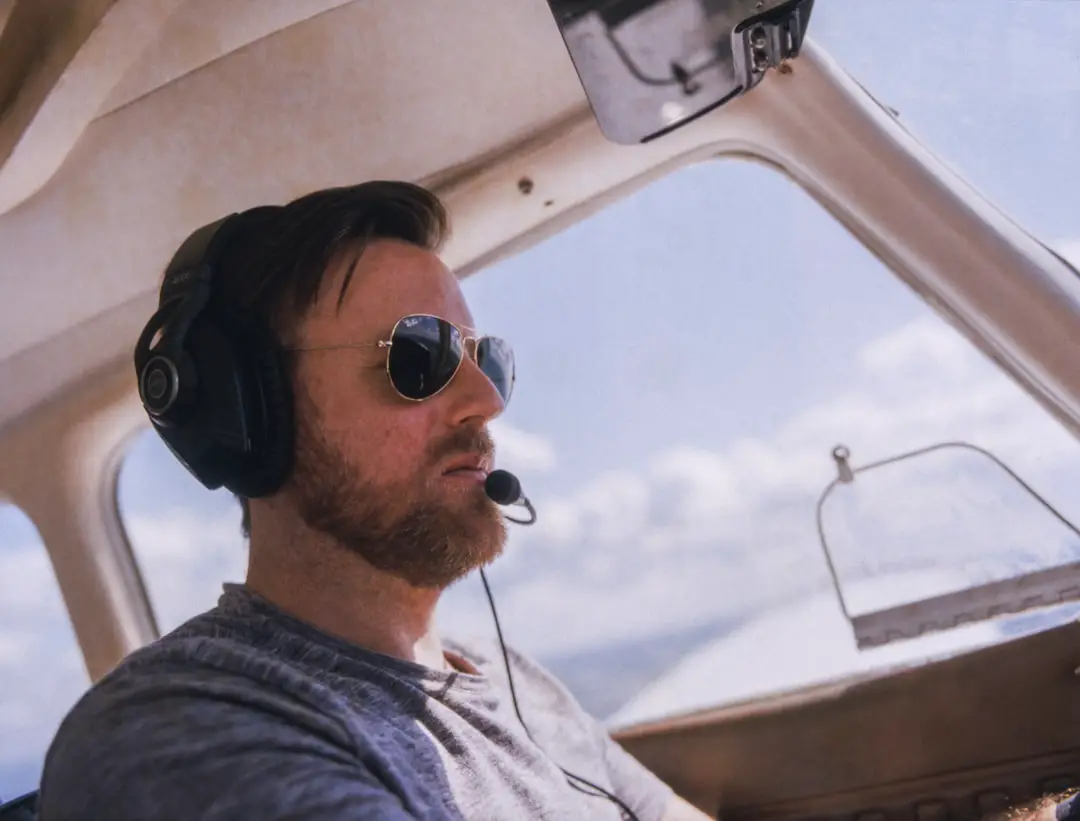
Airline pilot grooming standards have long required a clean-shaven look, but that traditional rule is increasingly challenged by newer scientific research, evolving equipment design, and shifting workplace norms. This guide examines how the historical beard ban began, the oxygen mask safety science behind it, and how policies differ across major carriers today.
Quick Answer
Most major U.S. passenger airlines—including Delta, United, American, Southwest, JetBlue, and Spirit—require pilots to be clean-shaven, citing emergency oxygen mask seal safety. However, carriers like Air Canada, British Airways, Hawaiian, Allegiant, and several major cargo operators allow neatly trimmed beards. Recent studies from Embry-Riddle Aeronautical University and Simon Fraser University found no compromise in oxygen delivery for bearded pilots using modern positive-pressure masks, driving an ongoing industry debate.
Key Takeaways
- Airline pilot grooming standards originated in the mid-20th century to project military-style discipline and passenger confidence.
- Beard restrictions were historically based on concerns that facial hair breaks the airtight seal of rapid-decompression oxygen masks.
- The FAA has no direct law banning beards; policies are set by individual airline flight operations manuals.
- Recent studies by Embry-Riddle Aeronautical University and Simon Fraser University demonstrated that short-to-moderate beards do not cause oxygen mask leaks or hypoxia during high-altitude emergencies.
- Carrier rules vary globally, with European, Canadian, and cargo airlines generally adopting more permissive facial hair guidelines than U.S. major passenger carriers.
- Religious, cultural, and medical accommodations (such as PFB shaving profiles) are increasingly influencing policy reviews across international aviation.
Disclosure: As an Amazon Associate I earn from qualifying purchases. Some links on this page are affiliate links, at no extra cost to you.
History of Airline Pilot Grooming Standards
Grooming standards for commercial aviators trace back to the early decades of passenger flight. In the mid-20th century, airlines sought to project an image of absolute discipline, professionalism, and safety. Because early commercial aviation recruited heavily from military flight programs, airlines adopted military-style uniforms and strict personal appearance codes. A clean-shaven face, crisp uniform, and polished shoes quickly became the global industry archetype.
This appearance standard wasn’t merely cosmetic; it served as a powerful branding tool. In an era when commercial flight was novel and intimidating to many travelers, airlines relied on a standardized, authoritative look to instill confidence in passengers entrusting their lives to the flight crew. Over subsequent decades, these expectations were formalized into strict operational manuals across global fleets.
Reasons for Banning Beards in Aviation History
While brand consistency played a role, the primary rationale behind facial hair restrictions was rooted in aviation safety equipment requirements.
A beard’s biggest potential liability in the cockpit isn’t appearance — it’s the airtight seal an emergency oxygen mask requires during rapid cabin depressurization.
During an emergency depressurization at high altitudes, pilots must don quick-donning oxygen masks within five seconds to prevent hypoxia. In 1987, the Federal Aviation Administration (FAA) published Advisory Circular 120-43, citing earlier testing showing that facial hair lying between the mask cushion and skin could degrade the seal, allowing ambient air or smoke leakage. Because flight safety operates under minimal risk tolerances, airlines adopted strict clean-shave mandates.
Note: The Federal Aviation Administration does not have an explicit federal regulation barring pilot beards. FAA regulations require only that emergency oxygen equipment functions properly. Individual airlines choose to enforce beard bans within their own FAA-approved flight operations manuals.
The Science of Oxygen Mask Seals and Modern Safety Research
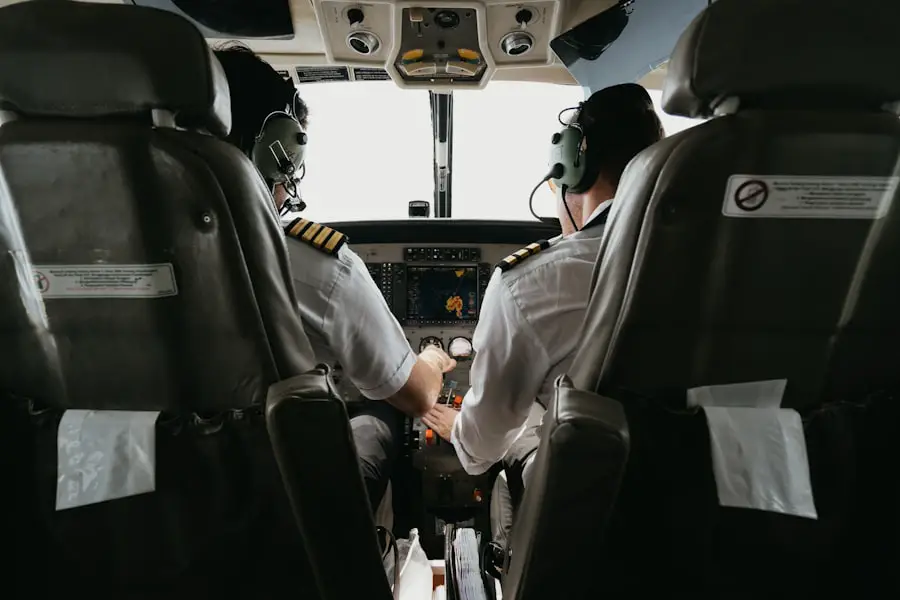
In recent years, aerospace researchers have revisited the original 1970s and 1980s mask safety data to determine whether modern quick-donning positive-pressure oxygen masks are affected by facial hair.
How Modern Positive-Pressure Masks Work
Older aviation masks relied heavily on suction created by the wearer’s inhalation, meaning any small gap created by facial hair could allow ambient air or toxic smoke to enter the mask. Modern commercial flight deck equipment, however, utilizes positive-pressure delivery systems. These advanced masks actively push oxygen into the facepiece under continuous pressure. If a microscopic seal gap occurs, gas escapes outward rather than allowing harmful ambient air or smoke to leak inward.
Recent Scientific Studies Debunking the Mask Leak Myth
A landmark study conducted by researchers at Embry-Riddle Aeronautical University (published in Aerospace Medicine and Human Performance) tested commercial pilots and subjects with clean-shaven faces, short beards (<10mm), and longer beards (>10mm) in a normobaric hypoxia chamber simulating 30,000 feet altitude.
The Embry-Riddle study found no measurable difference in blood oxygen saturation levels (SpO2) or time required to don masks between clean-shaven and bearded pilots, with zero smoke or chemical penetration detected.
These findings supported earlier research commissioned by Air Canada and performed at Simon Fraser University in 2016. That hypobaric chamber study similarly proved that trimmed beards up to 12.5mm do not compromise the safety of modern aviation oxygen masks, prompting Air Canada to revise its corporate policy in 2018.
Warning: Policy consensus is not universal. A safety review commissioned by Qantas from defense consultancy QinetiQ concluded that facial hair could still introduce seal variability under severe head movement or extreme ventilatory demand at altitudes exceeding 25,000 feet, leading Qantas to maintain strict facial hair restrictions across its operations.
Current Grooming Standards Across Airlines Today
Grooming standards for commercial pilots vary significantly by region, airline culture, and operational policy.
At a Glance: Airline Facial Hair Policies
| British Airways | Allows neatly trimmed beards up to 1.5cm; neck must remain clean-shaven. |
| Air Canada | Permits short, well-groomed beards trimmed under 1.25cm length. |
| Hawaiian Airlines & Allegiant | Allows neatly maintained, non-patchy full beards and goatees. |
| Cargo & Corporate Operators (UPS, NetJets) | Generally more permissive; neat goatees and trimmed beards permitted subject to company fit testing. |
| Delta, United, American, Southwest, JetBlue, Spirit | Strict clean-shaven requirement; neat mustaches within mouth corners permitted. |
Cargo Airlines and Corporate Aviation Rules
Unlike passenger-focused legacy carriers, cargo operators (such as UPS Airlines) and private corporate charter fleets frequently enforce more flexible grooming guidelines. Because cargo flights operate without commercial passenger interactions, appearance codes prioritize functional safety over traditional corporate aesthetics. Cargo pilots are often permitted to grow goatees or short beards, provided they successfully pass periodic quantitative mask fit testing during recurrent training.
Medical Shaving Waivers (Pseudofolliculitis Barbae)
A critical consideration in pilot grooming policies involves medical shaving profiles. Pseudofolliculitis Barbae (PFB) is a painful inflammatory skin condition caused by curved facial hair curving back into the skin after close shaving, predominantly affecting Black male aviators. Both military flight branches and commercial carriers maintain formal medical exemption protocols. Pilots granted a medical shaving waiver are permitted to maintain facial hair trimmed to a short, uniform length (typically 1/4 inch) while undergoing mandatory mask sealing verification.
Arguments Surrounding Airline Beard Bans
The debate over updating grooming standards involves multiple perspectives across safety management, human resources, and pilot advocacy.
Arguments for Allowing Beards in the Cockpit
- Scientific Evidence: Modern research confirms positive-pressure aviator masks maintain effective seals with short-to-moderate facial hair.
- Recruitment & Retention: Allowing personal grooming choices enhances job satisfaction and helps airlines attract diverse talent during global pilot shortages.
- Inclusivity & Accommodation: Clean-shave mandates can create barriers for pilots whose faith practices require facial hair, such as Sikh, Muslim, and Orthodox Jewish aviators.
- Military Precedents: Defense forces, including the Royal Australian Air Force and U.S. Air Force (via medical waivers), permit controlled facial hair without compromising operational readiness.
Pro Tip: Prospective pilots with religious or medical facial hair requirements should review airline-specific exemption procedures and fit-testing protocols prior to applying, as accommodation policies vary by carrier jurisdiction.
Arguments for Retaining Clean-Shave Policies
- Abundance of Caution: Risk-averse carriers prefer zero-tolerance policies to eliminate any hypothetical variance in emergency equipment performance.
- Brand Identity: Traditional carriers prioritize a standardized, traditional uniform image as part of their heritage brand positioning.
- Regulatory Uniformity: Maintaining single-standard grooming rules simplifies compliance auditing across regional and mainline operations.
Diversity, Cultural Equity, and Industry Outlook
As airlines seek to broaden their recruitment pipelines, grooming policies are increasingly evaluated through the lens of diversity, equity, and inclusion. Modern pilot unions and industry groups continue to advocate for evidence-based policies that accommodate religious observance and personal expression without sacrificing safety.
With major carriers like British Airways, Air Canada, and Virgin Australia demonstrating successful operations under updated grooming rules, industry analysts expect more airlines to transition toward length-limited, well-maintained facial hair standards in coming years.
Conclusion and Potential Future Changes in Grooming Standards
The conversation around pilot grooming standards represents a classic balance between legacy tradition and evolving safety science. While historical rules were established under older mask technologies, modern research demonstrates that neatly trimmed beards are fully compatible with current flight deck oxygen systems. If you are preparing for flight crew training or airline interviews, keeping a dependable travel razor remains essential for carriers that continue to mandate clean-shaven compliance.
Frequently Asked Questions
Can airline pilots have beards?
It depends on the airline. International carriers such as British Airways, Air Canada, Hawaiian Airlines, and Allegiant permit neatly trimmed beards within strict length limits. However, major U.S. passenger carriers like Delta, United, and American Airlines currently require pilots to be clean-shaven.
Why were beards originally banned for pilots?
Beards were restricted due to safety concerns that facial hair would break the airtight seal of rapid-decompression emergency oxygen masks. This policy was supported by a 1987 FAA Advisory Circular based on older mask designs.
Does the FAA explicitly ban pilots from having beards?
No. The Federal Aviation Administration has no federal regulation prohibiting facial hair. The FAA requires only that emergency oxygen masks function effectively. Facial hair restrictions are established independently by individual airlines in their operational manuals.
What do modern scientific studies say about pilot beards and safety?
Recent studies by Embry-Riddle Aeronautical University and Simon Fraser University found no evidence that short or moderate beards impair oxygen mask performance, cause leaks, or lower blood oxygen saturation during simulated high-altitude emergencies using modern positive-pressure masks.
What facial hair restrictions apply where beards are allowed?
Airlines that allow facial hair typically mandate strict limits, such as maximum length (e.g., under 1.25cm at Air Canada or 1.5cm at British Airways), non-patchy growth, clean-shaven necks, and mandatory fit testing.
Sources
- FAA Flight Standards — Advisory Circular 120-43 Document Repository — Official FAA guidance on the influence of beards on oxygen mask efficiency.
- Aerospace Medicine and Human Performance Journal — Peer-reviewed study analyzing aviator oxygen mask efficacy across varying beard lengths in hypoxia chambers.
- FLYING Magazine — Beard Safety for Airline Pilots Supported in New Study — Aerospace industry coverage of modern oxygen mask research.
- Simon Fraser University Environmental Medicine & Physiology Unit — Research report on Air Canada hypobaric oxygen mask fit testing.
