

Last Updated on July 31, 2026 by Daniel Globe
Airline pilot pay can be highly rewarding, but a single “average salary” does not tell the whole story. Earnings depend on the airline’s contract, a pilot’s seniority, whether the pilot is a first officer or captain, the aircraft flown, monthly trip credit, and extra compensation such as per diem or profit sharing.
Quick Answer
In the United States, airline pilots, copilots, and flight engineers had a 2025 median wage of $232,140. Their 2025 mean wage was $288,650. Actual pay can be much lower or higher because first officers, senior captains, aircraft types, airlines, monthly credit, and contract benefits differ substantially.
Key Takeaways
- The current 2025 national median wage for airline pilots, copilots, and flight engineers is $232,140.
- There is no reliable official national “starting salary average” because first-year pay varies by airline contract, equipment, training status, and monthly credit.
- Seniority, captain upgrades, aircraft assignments, premium trips, per diem, retirement contributions, and profit sharing can materially change total compensation.
- A published hourly rate is not the same as the number of hours a pilot spends working or away from home.
- Training costs, medical eligibility, commuting, reserve duty, contract stability, and the Part 121 age-65 limit should be considered alongside salary.
Disclosure: As an Amazon Associate I earn from qualifying purchases. Some links on this page are affiliate links, at no extra cost to you.
Airline Pilot Salary at a Glance
The latest national figures available as of July 2026 use 2025 wage data. The figures below are wages, not a guarantee of total compensation for a specific airline, aircraft, or seniority year.
| Measure | Current National Figure | What It Means |
|---|---|---|
| 2025 median wage | $232,140 | Half of workers in the occupation earned more and half earned less. |
| 2025 mean wage | $288,650 | The arithmetic average, which is pulled upward by highly paid pilots. |
| 2025 commercial-pilot median | $123,220 | A separate occupation that includes charter, tour, corporate, and other non-airline flying. |
| 2024–2034 outlook | 4% growth | BLS projection for airline and commercial pilots combined, with about 18,200 openings per year. |
Note: Median wage, mean wage, base pay, and total compensation are not interchangeable. Retirement contributions, profit sharing, bonuses, per diem, and travel benefits may not be fully reflected in a headline wage figure.
How Airline Pilot Pay Works
Airline pilots are commonly paid under a contract that lists an hourly rate for each aircraft, seat, and year of service. “Seat” means whether the pilot serves as a captain or first officer. The rate usually rises with longevity and may change when a pilot moves to a larger aircraft or upgrades to captain.
A pilot’s monthly pay is based largely on credited hours rather than every hour spent at work. Credit can come from scheduled flying, a monthly guarantee, training, vacation, deadheading, reassignment, or contract protections. The exact rules vary by airline.
A simplified estimate looks like this:
Contractual hourly rate × credited hours = estimated base pay before per diem, premiums, bonuses, retirement contributions, taxes, and deductions.
For example, a $200 contractual rate multiplied by 75 credited hours equals $15,000 in estimated monthly base pay, or $180,000 when annualized. This is only an illustration—not a statement about any airline’s current contract.
Compensation Beyond the Hourly Rate
- Monthly guarantee: A minimum amount of pay credit, especially important for reserve pilots.
- Premium pay: Extra compensation for open trips, reassignment, holidays, junior assignments, or other contract-defined flying.
- Per diem: An allowance for meals and incidental costs while away from base.
- International or override pay: Additional compensation offered under some contracts for specific operations or duties.
- Training and instructor pay: Compensation for simulator instruction, checking, standards work, or training assignments.
- Profit sharing and bonuses: Variable payments tied to airline or employee performance.
- Retirement contributions: Employer contributions that may add substantial value beyond cash wages.
Pro Tip: Never compare two pilot jobs by hourly rate alone. Compare the guarantee, expected credit, retirement contribution, upgrade time, work rules, training pay, profit sharing, base options, and commuting costs.
Factors Affecting Pilot Salaries
Seniority and Years at the Airline
Seniority is one of the strongest influences on airline pilot pay and quality of life. A pilot generally moves up the pay scale with each year of service. Seniority also affects aircraft bidding, captain upgrades, base assignments, vacation choices, schedules, and the ability to avoid reserve duty.
Seniority normally belongs to the pilot’s position at a particular airline. Changing airlines usually means starting near the bottom of the new carrier’s seniority list, even when the pilot has years of previous experience.
Captain Versus First Officer
Captains carry final responsibility for the flight and normally receive a higher contractual rate than first officers on the same aircraft. However, a senior first officer on a large aircraft may sometimes earn more than a junior captain at another airline or on smaller equipment.
Aircraft Type
Many airline contracts assign different rates to different aircraft groups. Wide-body international aircraft often have higher rates than smaller narrow-body or regional aircraft, but the exact relationship depends on the contract. Aircraft size alone does not determine a pilot’s entire compensation package.
Airline and Operating Model
Regional, major, low-cost, ultra-low-cost, cargo, and charter operators use different pay scales and work rules. A carrier with a lower headline rate could still offer a favorable schedule or faster captain upgrade, while another may provide higher retirement contributions or stronger premium-pay provisions.
Monthly Credit and Schedule
Two pilots with the same contractual rate may earn different amounts because they receive different monthly credit. Trip construction, reserve assignments, premium flying, vacation, training, sick leave, and voluntary extra trips can all affect pay.
Average Starting Salaries for Airline Pilots
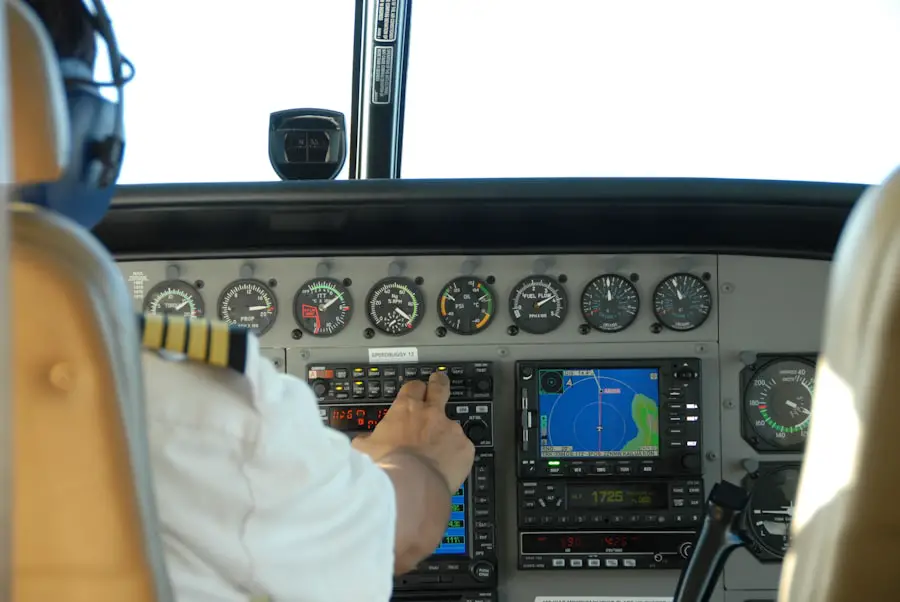
There is no official national dataset that reports a single average salary specifically for first-year airline pilots. BLS and O*NET combine pilots at every seniority level, from newly hired first officers to senior wide-body captains.
Current national percentile data can show the broad wage distribution, but they should not be treated as formal career stages:
| National Percentile | 2025 Annual Wage | How to Use It |
|---|---|---|
| 10th percentile | $106,710 | A broad lower-end national benchmark, not an official first-year salary. |
| 25th percentile | $182,280 | One-quarter earned less and three-quarters earned more. |
| Median | $232,140 | The midpoint for the occupation across all experience levels. |
| 75th percentile | $384,440 | A higher-end benchmark that may include senior captains and high-credit pilots. |
| 90th percentile | $463,830 | An upper-end national benchmark, not a typical or guaranteed salary. |
To estimate first-year earnings, review the airline’s current collective bargaining agreement or published pay scale. Confirm the first-year hourly rate, minimum monthly guarantee, training pay, expected trip credit, per diem, retirement contribution, and whether a signing or retention bonus has conditions attached.
The Air Line Pilots Association’s pay and benefits information can provide a useful starting point for comparing carrier-specific rates, but applicants should verify every figure against the latest contract and official recruiting materials.
Average Salaries for Mid-Career Airline Pilots
No federal wage series defines “mid-career” as five to ten years or publishes a national average for that group. A pilot with several years of airline seniority may remain a first officer, upgrade to captain, change aircraft, move to a new base, or leave for another airline. Each decision can change earnings.
Mid-career compensation is commonly shaped by:
- The pilot’s year on the airline’s longevity scale
- Whether the pilot has upgraded to captain
- The aircraft and operation selected through seniority bidding
- Average monthly credit and access to premium trips
- Reserve or lineholder status
- Retirement contributions, profit sharing, and bonuses
- Whether changing employers resets seniority
A mid-career pilot may fall below or above the national median. The percentile figures above are more defensible than assigning a universal $70,000-to-$120,000 range, but they still do not map neatly to years of experience.
Average Salaries for Experienced Airline Pilots
Experienced captains at major passenger or cargo airlines can earn well above the national median, especially when they fly higher-paying equipment, maintain strong monthly credit, accept premium assignments, or receive profit sharing. Senior first officers may also earn substantial compensation without upgrading if their aircraft and schedule preferences make that choice worthwhile.
Additional roles may include check airman, instructor, standards captain, chief pilot, or management assignments. These positions can include special pay, but they may also bring extra administrative work and responsibility.
The national median is a midpoint—not a pay ceiling and not a promise of what a new hire will earn.
Career timing also matters. Under current federal rules, a pilot may not serve in Part 121 operations after reaching age 65. A person entering airline employment later in life may therefore have fewer years to build seniority and reach the highest-paying positions.
Regional Disparities in Airline Pilot Salaries

“Regional airline” and “regional pay difference” are not the same thing. A regional airline generally operates smaller aircraft or feeder service under its own certificate, sometimes on behalf of a larger airline. A geographic region refers to where a pilot lives, is based, or works.
Airline pay scales are usually determined more directly by the employer’s contract than by a city’s cost of living. Pilots at different domiciles within the same airline commonly use the same contractual pay scale for the same seat, aircraft, and longevity.
Location can still have a major financial effect through:
- Housing costs near the assigned base
- State and local taxes
- Commuting flights, hotels, crash-pad expenses, and meals
- Access to major, cargo, regional, or low-cost employers
- The probability of holding a preferred aircraft or schedule at that base
- Time spent away from home because of commuting
A higher salary in an expensive city may not produce more disposable income than a similar contract at a lower-cost base. Pilots should compare both compensation and the practical cost of reporting to work.
Additional Income Opportunities for Airline Pilots
Extra income usually comes first from opportunities covered by the airline’s contract. These may include premium trips, open-time flying, holiday assignments, reassignment pay, instructor work, checking duties, special projects, profit sharing, or management roles.
Some pilots also maintain flight-instructor qualifications or perform other aviation work. However, outside commercial flying is not automatically available on every day off. It must comply with the pilot’s employment agreement, fatigue responsibilities, medical qualifications, and all applicable FAA flight, duty, and rest rules.
Warning: Do not plan on outside charter or instructional income until the airline’s policies and applicable FAA limits have been reviewed. Protecting required rest and fitness for duty must come before side work.
Benefits and Perks for Airline Pilots
Benefits can add significant value beyond wages. The exact package varies by airline and employment agreement, but common benefits include:
- Medical, dental, vision, life, and disability coverage
- Employer retirement contributions or matching contributions
- Profit sharing or performance bonuses
- Paid vacation and sick leave
- Per diem and lodging while traveling on company assignments
- Employee and eligible-family travel privileges
- Jumpseat or reciprocal travel arrangements, subject to rules and availability
- Loss-of-license or long-term disability protection under some plans
Employee travel is often space-available rather than a guaranteed free seat. Taxes, service charges, international fees, dress requirements, eligibility rules, and boarding priority may apply.
Salary Comparison With Other Aviation Careers
Airline-pilot wages are among the highest in aviation, but each occupation has different certification, scheduling, responsibility, and working-condition requirements.
| Occupation | 2025 National Median Wage | Important Distinction |
|---|---|---|
| Airline pilots, copilots, and flight engineers | $232,140 | Primarily scheduled-airline and related operations. |
| Air traffic controllers | $148,080 | Ground-based traffic-management occupation with separate federal requirements. |
| Commercial pilots | $123,220 | Includes charter, corporate, tour, agricultural, and other non-airline flying. |
| Aircraft mechanics and service technicians | $79,870 | Maintenance occupation requiring its own technical training and certifications. |
These figures compare occupational medians, not starting salaries or total benefit packages. They also should not be used to decide which career is “better” without considering training time, work schedules, medical requirements, job location, and personal interests.
Training, Certification, and Career Costs
Reaching an airline cockpit requires more than earning a private pilot certificate. A typical path includes instrument and commercial privileges, multiengine experience, substantial flight-hour accumulation, airline training, and an Airline Transport Pilot certificate or qualifying restricted ATP.
Federal rules generally require at least 1,500 hours of total pilot time for an unrestricted airplane ATP certificate. Authorized military and aviation-degree pathways may qualify for a restricted ATP with fewer total hours. An unrestricted ATP generally requires age 23, while certain restricted ATP privileges are available beginning at age 21.
Applicants must also meet knowledge, practical-test, training, security, experience, and medical requirements applicable to their position. Airline hiring standards may exceed the regulatory minimums.
Warning: Do not take on flight-training debt based only on a senior captain’s pay. Compare the full cost of training, financing charges, time-building income, medical eligibility, hiring cycles, relocation, and the number of working years available before the Part 121 age limit.
Work Schedule, Flight-Time Limits, and Quality of Life
BLS reports that airline pilots average about 75 flight hours per month and spend roughly another 150 hours on duties such as planning, weather review, recordkeeping, and aircraft-related responsibilities. These are broad averages; an individual schedule can vary widely.
Pilots may work nights, weekends, holidays, multi-day trips, reserve periods, and irregular operations. Hotels and ground transportation are normally arranged when a trip requires an overnight stay away from base, while contract terms determine per diem and other protections.
FAA Part 117 rules address flight duty periods, flight-time limits, fatigue risk management, and required rest for applicable passenger operations. Contract rules may provide additional protections beyond the federal minimum.
Quality of life often improves with seniority because senior pilots may have more control over:
- Days off and vacation periods
- Trip length and report times
- Reserve versus lineholder status
- Aircraft and domicile
- Commuting exposure
- Whether to pursue a captain upgrade
How to Compare Airline Pilot Job Offers
A strong offer is more than a high first-year rate. Review the entire employment package before accepting a position.
| Item to Compare | Questions to Ask |
|---|---|
| Pay scale | What are the rates by seat, aircraft, and longevity year? |
| Guarantee and credit | What is the minimum guarantee, and how are trips, training, reassignment, and deadheading credited? |
| Upgrade outlook | How long have recent upgrades taken, and could fleet or hiring changes alter that timeline? |
| Retirement | Is the employer contribution direct, matching, variable, or subject to vesting? |
| Training pay | How much is paid during initial training, and when do contractual rates begin? |
| Base and commuting | Can you live in base, and what would commuting cost in time, hotels, and missed flexibility? |
| Work rules | How do reserve, cancellations, reassignment, sick leave, vacation, and premium trips work? |
| Financial stability | How exposed is the airline to fleet reductions, contract loss, furloughs, or business-cycle changes? |
Future Outlook for Airline Pilot Salaries
The U.S. Bureau of Labor Statistics projects 4% employment growth for airline and commercial pilots combined from 2024 through 2034. It estimates about 18,200 openings per year, on average, with many openings resulting from workers transferring occupations or leaving the labor force.
This outlook does not guarantee uninterrupted hiring or annual pay increases. Airline employment is cyclical and can be affected by recessions, fuel prices, aircraft availability, mergers, route changes, contract disputes, public-health events, and shifts in travel demand.
Collective bargaining, airline profitability, retirement patterns, training capacity, and the supply of qualified applicants may all affect future compensation. Applicants should be cautious with broad “pilot shortage” claims and use current contracts and official hiring information when making career decisions.
Conclusion and Final Thoughts on Airline Pilot Salaries
Airline piloting can provide high earnings, but the most useful salary estimate is built from a specific airline’s contract—not a generic career-stage range. Current national data place the 2025 median wage at $232,140 and the mean at $288,650, yet a new first officer and a senior captain can have very different compensation.
Prospective pilots should evaluate hourly rates, monthly guarantees, captain-upgrade prospects, retirement contributions, work rules, commuting costs, training debt, medical eligibility, and career timing together. That approach gives a more realistic view of both annual income and long-term career value.
Separate travel resource: For readers interested in an unrelated outdoor-travel topic, this site also offers a guide to the best solar-powered camping lanterns.
Frequently Asked Questions
What is the average salary of an airline pilot?
The 2025 national mean wage for airline pilots, copilots, and flight engineers was $288,650. The median was $232,140. The median is often the more useful benchmark because half earned more and half earned less.
What is a first-year airline pilot’s salary?
There is no official national first-year average. Starting earnings depend on the airline, aircraft, contractual rate, monthly guarantee, training pay, per diem, trip credit, and bonuses. Applicants should use the airline’s current contract rather than a generic online range.
How is airline pilot pay calculated?
Base pay is commonly estimated by multiplying the applicable contractual hourly rate by credited hours. Monthly guarantees, training credit, premium trips, per diem, profit sharing, bonuses, and retirement contributions can then affect total compensation.
Do captains earn more than first officers?
Captains normally have higher contractual rates than first officers on the same aircraft and seniority step. However, aircraft type, airline, monthly credit, premium flying, and longevity can make cross-airline comparisons less straightforward.
Do airline pilots receive benefits besides salary?
Many receive health coverage, retirement contributions, paid leave, per diem, disability protection, profit sharing, and employee travel privileges. The value and eligibility rules vary by airline and contract.
Can airline pilots increase their earnings?
Yes. Earnings may rise with longevity, captain upgrades, higher-paying aircraft, additional trip credit, premium assignments, instructor or check-airman duties, profit sharing, and negotiated contract improvements.
What is the difference between an airline pilot and a commercial pilot?
In federal wage data, airline pilots, copilots, and flight engineers form one occupation. Commercial pilots form another and may work in charter, corporate, sightseeing, agricultural, emergency, or other operations outside scheduled airlines.
At what age must airline pilots retire?
Under current federal rules, a pilot may not serve in operations conducted under Part 121 after reaching age 65. Other aviation work may follow different rules and qualification requirements.
Sources
- O*NET OnLine: Airline Pilots, Copilots, and Flight Engineers — 2025 national median wage and occupation outlook.
- U.S. Bureau of Labor Statistics: May 2025 National Occupational Employment and Wage Estimates — national mean wages for airline and commercial pilots.
- BLS Occupational Outlook Handbook: Airline and Commercial Pilots — duties, schedules, benefits, education, and 2024–2034 outlook.
- Air Line Pilots Association: Pilot Pay and Benefits — carrier-specific compensation factors and contract comparisons.
- Federal Aviation Administration: Airline Transport Pilot Training — ATP and restricted ATP pathways.
- Electronic Code of Federal Regulations: 14 CFR §121.383 — current Part 121 pilot age limitation.
