

Last Updated on September 11, 2026 by Daniel Globe
Yes, you can generally combine Dhuhr and Asr while travelling when you qualify as a traveller according to your school of Islamic law. You may also shorten Dhuhr, Asr, and Isha from four units to two units during travel. The exact conditions differ among scholars, so learning the basic rules helps you pray correctly and confidently on the road.
Quick Answer
Travellers may combine Dhuhr and Asr according to widely accepted Islamic rulings, either by praying them together earlier or later depending on the situation. Travellers may also shorten four-unit prayers when the required travel conditions are met. Details can vary between scholars and schools of thought.
Key Takeaways
- Combining prayers and shortening prayers are separate concessions.
- Dhuhr, Asr, and Isha are the prayers commonly shortened by travellers.
- Conditions for travel prayer vary among Islamic scholars.
- Keep intention, prayer order, and respect for prayer times in mind.
At a Glance
| Time Required | A few minutes for each prayer. |
| Difficulty | Easy once the rules are understood. |
| Tools Needed | Prayer space, Qiblah direction when possible, and knowledge of your ruling. |
| Cost | No cost. |
Can You Combine Dhuhr and Asr While Traveling?
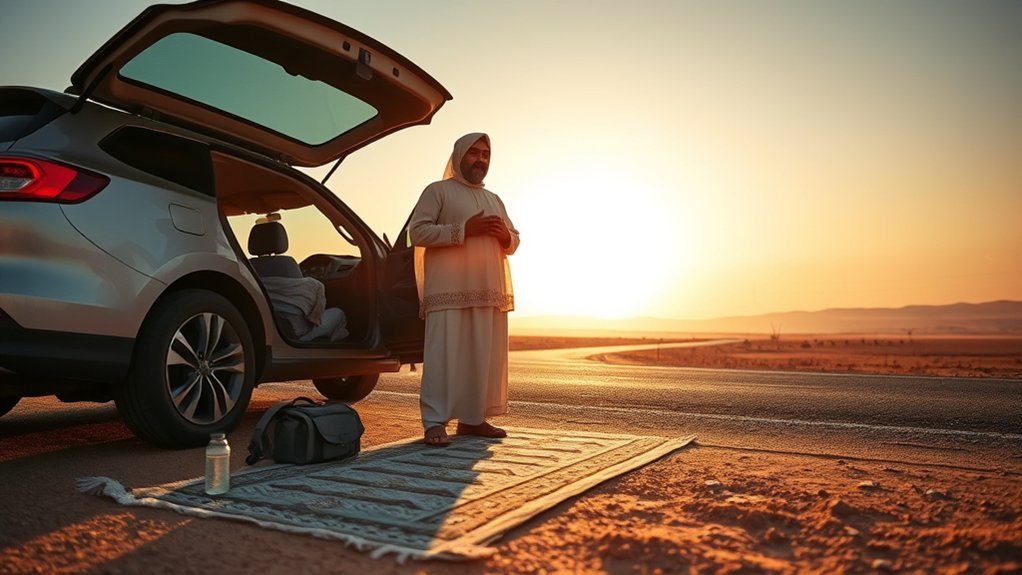
Yes, combining Dhuhr and Asr while travelling is a recognized concession in Islamic practice. The traveller may combine them by praying both during Dhuhr time (jam’ taqdeem) or delaying Dhuhr until Asr time (jam’ ta’kheer), depending on circumstances and scholarly guidance.
The purpose of this concession is to reduce difficulty during travel while maintaining the obligation of prayer. You should make the intention clearly and follow the prayer method accepted by your school of thought.
Pro Tip: Before travelling, learn the prayer rules followed by your local scholars or school of thought so you can avoid confusion during your journey.
When Can Travelers Shorten Prayers?
Shortening prayer, known as qasr, means reducing the four-unit prayers of Dhuhr, Asr, and Isha to two units. This concession applies to travellers who meet the required conditions.
Islamic scholars differ on some details, including travel distance and how long someone remains considered a traveller. Because of this, it is better to follow a trusted scholarly opinion rather than rely on a single universal number.
Warning: Do not assume every journey automatically allows shortened or combined prayers. Traveller status and conditions should be understood before applying the concession.
Should You Use Jam’ Taqdeem or Jam’ Ta’kheer?
Both methods are used in Islamic travel prayer discussions:
- Jam’ taqdeem: praying Dhuhr and Asr together during Dhuhr time.
- Jam’ ta’kheer: delaying Dhuhr and praying it with Asr time.
The better choice depends on your travel situation, schedule, and the guidance you follow. The goal is to preserve prayer while using the available concession responsibly.
Are Sunnah Prayers Still Prayed During Travel?
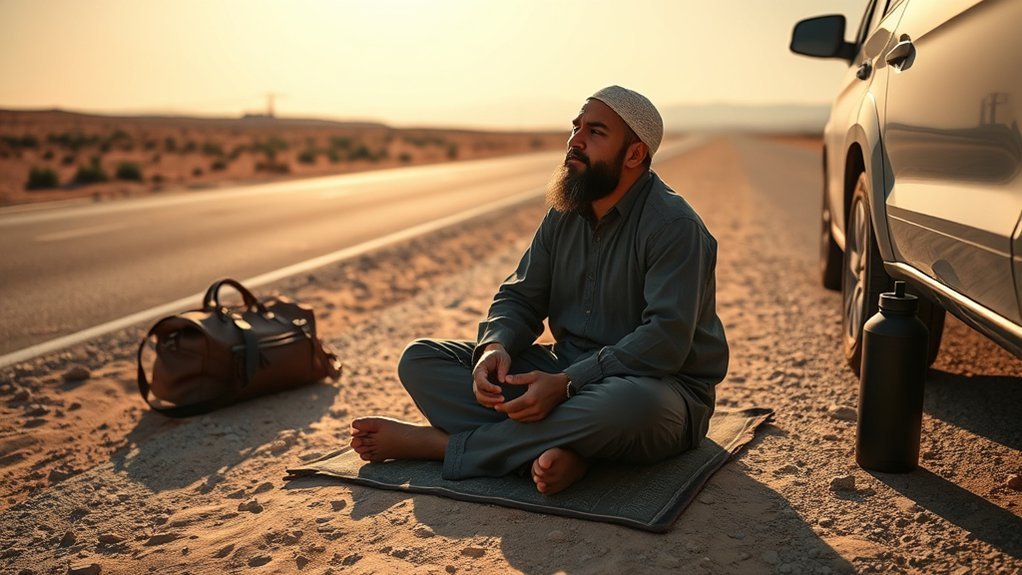
Travel does not mean abandoning all voluntary prayers. Many scholars emphasize maintaining important Sunnah prayers, especially Witr and the two Sunnah units before Fajr.
| Prayer | Guidance |
|---|---|
| Witr | Generally maintained. |
| Fajr Sunnah | Strongly emphasized. |
| Other Sunnah prayers | May depend on circumstances and scholarly view. |
Can You Pray in a Car, Train, or Sitting Down?
When possible, obligatory prayers should be performed in a proper prayer position and with the required conditions fulfilled. If a traveller cannot stand or cannot safely leave a vehicle, scholars discuss allowances based on necessity.
Try to choose a safe location where you can face the Qiblah and pray with concentration. If you must pray while seated, preserve the prayer as much as you are able.
Frequently Asked Questions
Can you combine Zuhr and Asr as a traveller?
Yes, travellers may combine Zuhr and Asr according to recognized Islamic rulings, while following the conditions and guidance of their school of thought.
Are you allowed to combine Dhuhr and Asr?
Yes, combining Dhuhr and Asr during travel is a recognized concession in Islamic law, although details differ among scholars.
Which salah can be combined when travelling?
Commonly discussed combinations include Dhuhr with Asr and Maghrib with Isha when the traveller qualifies for the concession.
Conclusion
Travel prayer rules provide flexibility while preserving the importance of salah. You may be able to combine Dhuhr and Asr, shorten certain prayers, and choose the method that fits your journey. Because some details differ among scholars, learning the conditions and following reliable guidance helps you worship with confidence wherever you travel.
Sources
- Sahih Muslim — The Book of Prayer: Travellers — traveller prayer narrations and shortening guidance.
- Dar al-Ifta Egypt — Combining and shortening prayers — traveller status discussion.
