

Last Updated on July 27, 2026 by Daniel Globe
Feeling winded on a climb does not necessarily mean your lungs are too small. In healthy adults, actual lung capacity is largely determined by factors such as body size, age, anatomy, and health. What you can improve much more readily is how efficiently your heart, lungs, breathing muscles, and working muscles handle sustained effort. For hikers, that means building aerobic fitness, practicing useful breathing techniques, strengthening the respiratory muscles when appropriate, and acclimatizing safely before high-altitude trips.
Quick Answer
You usually cannot dramatically enlarge healthy adult lungs, but you can become much less winded while hiking. Regular aerobic training, hill work, controlled breathing, optional inspiratory-muscle training, good hydration, and gradual altitude acclimatization can improve breathing efficiency, exercise tolerance, and hiking endurance.
Key Takeaways
- For healthy hikers, improving cardiorespiratory fitness and breathing efficiency matters more than trying to make the lungs physically larger.
- Diaphragmatic and pursed-lip breathing can improve breath control, especially when you start feeling winded.
- Regular hiking, brisk walking, cycling, running, or swimming builds the aerobic endurance needed for longer climbs.
- Inspiratory-muscle resistance training may strengthen breathing muscles, but it should supplement—not replace—normal aerobic conditioning.
- Being very fit does not make you immune to altitude sickness. Gradual acclimatization is still essential.
- Food and water support training and recovery, but no ordinary food or supplement is a proven shortcut for dramatically increasing healthy lung capacity.
At a Glance
| Time Required | 20–60 minutes per workout; noticeable conditioning improvements usually require several weeks of consistent training. |
| Difficulty | Easy to moderate at first; progress gradually to longer hikes and harder hills. |
| Tools Needed | Walking or hiking shoes and access to hills, stairs, treadmill incline, bike, pool, or similar cardio equipment. An inspiratory-muscle trainer is optional. |
| Cost | Usually free if you walk or hike outdoors; optional equipment can add cost. |
Disclosure: As an Amazon Associate I earn from qualifying purchases. Some links on this page are affiliate links, at no extra cost to you.
What Lung Capacity Means for a Hiker
In medicine, lung volume is described using measurements such as tidal volume, inspiratory reserve volume, expiratory reserve volume, and residual volume. These combine into capacities such as vital capacity and total lung capacity. The National Library of Medicine defines total lung capacity as the amount of air in the lungs after a maximal inhalation.
That is different from aerobic fitness. During a hard climb, oxygen must move through several steps: air enters the lungs, oxygen crosses into the bloodstream, the heart pumps that oxygenated blood, and the working muscles use the oxygen to produce energy. The National Heart, Lung, and Blood Institute explains that the lungs, diaphragm, blood vessels, respiratory muscles, and circulation all participate in this process.
For most healthy hikers, the realistic goal is not “bigger lungs.” It is better aerobic fitness, stronger breathing muscles, better pacing, and more efficient use of the lung capacity you already have.
This distinction becomes even more important at altitude. Lower atmospheric pressure reduces the partial pressure of oxygen, so each breath provides less usable oxygen. Even a highly trained hiker will normally perform below their sea-level maximum at sufficiently high elevation.
Note: Unexplained shortness of breath can also come from asthma, anemia, heart disease, respiratory infection, or other health problems. Seek medical advice if breathlessness is new, worsening, occurs at rest, causes fainting or chest pain, or seems excessive for your activity level.
Breathing Techniques to Improve Breath Control
Breathing exercises can help you control respiratory rate and use the diaphragm more deliberately. They should not be marketed as a guaranteed way to dramatically enlarge healthy lungs, but they can make breathing feel more controlled when effort rises.
Diaphragmatic Breathing
The diaphragm is the main muscle used for breathing. To practice diaphragmatic breathing, lie down or sit comfortably. Place one hand on your upper chest and the other over your abdomen just below the rib cage.
- Relax your shoulders and neck.
- Inhale slowly through your nose.
- Let your abdomen expand while keeping excessive upper-chest movement to a minimum.
- Exhale slowly and comfortably.
- Practice for a few minutes at a time before trying the same pattern during easy walking.
The original book-on-the-abdomen drill can also provide feedback: a light book placed on the abdomen should gently rise as you inhale and lower as you exhale. Do not use a heavy object or force an unnaturally large breath.
Pursed-Lip Breathing
Pursed-lip breathing is commonly taught to people who become short of breath. MedlinePlus recommends inhaling slowly through the nose and exhaling more slowly through lips held as though you were going to whistle.
- Inhale gently through your nose for about two counts.
- Pucker your lips without tightly closing them.
- Exhale slowly for about four counts or longer.
- Do not force all the air out or hold your breath.
On a steep hike, this technique can be useful when you need to slow a rushed breathing pattern and regain control.
Pro Tip: Practice breathing drills while rested first. Once they feel natural, use them during easy walking and then on moderate climbs. A technique that feels awkward at rest is unlikely to become easier when you are already breathing hard.
Exercises to Strengthen the Respiratory Muscles

The diaphragm and other respiratory muscles can fatigue just like skeletal muscles elsewhere in the body. Inspiratory muscle training, or IMT, applies resistance as you inhale. Research reviews have found that respiratory-muscle training can improve respiratory-muscle strength and endurance, although the size of any hiking-performance benefit varies by training method and population.
A review of respiratory-muscle training in healthy people found improvements in endurance performance in a number of exercise settings. A separate study of respiratory training at simulated altitude reported improved exercise endurance after respiratory-muscle training. See the systematic review of respiratory muscle training and exercise performance and the altitude endurance study.
Using an Inspiratory-Muscle Trainer
A threshold or resistance-breathing device can provide a repeatable load against inhalation. Follow the manufacturer’s instructions and begin conservatively. The purpose is to train the breathing muscles, not to deprive yourself of oxygen or make every workout feel suffocating.
Respiratory training works best as an accessory to hiking and aerobic conditioning. It should not replace time spent walking hills, cycling, running, swimming, or performing another activity that trains the entire oxygen-delivery system.
What About Balloons and Humming?
Blowing up a balloon requires controlled exhalation, while humming encourages a long, steady exhalation. These activities can be used as simple breath-control drills, and humming can make you more aware of exhalation length. However, evidence that either one meaningfully increases hiking performance or healthy-adult lung capacity is much weaker than the evidence for structured aerobic exercise or resistance-based respiratory-muscle training.
Note: A breathing-resistance device and an altitude simulator are not the same thing. Restricting airflow makes the breathing muscles work harder but does not reproduce all of the physiological effects of living or exercising in genuinely low-oxygen conditions.
Build Hiking Endurance with Cardiovascular Training
| Cardiovascular Training Tip | Why It Helps |
|---|---|
| Start Slow and Gradually Increase Intensity | Builds endurance while giving muscles, tendons, and joints time to adapt. |
| Incorporate Interval Training | Adds controlled periods of harder effort and improves tolerance for steep climbs. |
| Include Different Types of Cardio | Allows you to build aerobic fitness without stressing the same tissues every day. |
| Stay Consistent with Training | Regular training produces more reliable endurance gains than occasional very hard workouts. |
| Listen to Your Body and Rest When Needed | Recovery helps reduce overuse problems and allows adaptation between sessions. |
Cardiovascular training is the foundation for becoming less winded on the trail. Running, cycling, swimming, brisk walking, stair climbing, and hiking can all challenge the heart and circulatory system while increasing the amount of work you can sustain.
As a general health baseline, the CDC recommends that adults accumulate at least 150 minutes of moderate-intensity aerobic activity per week, or 75 minutes of vigorous activity, plus muscle-strengthening work on at least two days. A hiking plan can build from that baseline according to current fitness and trail goals.
Make Your Cardio Specific to Hiking
Flat-road fitness helps, but hiking adds repeated climbing, descending, uneven surfaces, and often a backpack. As your fitness improves, include hills, stairs, treadmill incline, and progressively longer walks or hikes.
If you expect to carry a pack, add weight gradually rather than jumping immediately to your full trip load. The goal is to adapt to the specific task without creating unnecessary knee, foot, back, or tendon problems.
The Role of Proper Nutrition in Hiking Endurance
No normal food has been shown to suddenly enlarge healthy lungs. Nutrition matters because sustained hiking requires energy, recovery, healthy blood formation, and adequate intake of essential nutrients.
A balanced pattern built around fruits, vegetables, whole grains, protein-rich foods, nuts, seeds, and healthy fats supplies nutrients that support general health. Fruits and vegetables provide antioxidants, while fish, walnuts, flax, and other foods can provide omega-3 fatty acids. NIH-supported research has found an association between higher omega-3 levels and slower lung-function decline, but this should not be interpreted as proof that eating one particular food will rapidly increase lung capacity.
For active hikers, sufficient carbohydrate can also help fuel longer or harder sessions, while adequate protein supports muscle repair. Extreme diets and unnecessary supplements are rarely a substitute for consistent training and adequate overall nutrition.
Note: Magnesium is involved in normal muscle and nerve function, but eating magnesium-rich foods such as whole grains, legumes, nuts, seeds, bananas, and avocados should not be advertised as a direct method for increasing healthy lung capacity.
Utilizing Altitude Training and Acclimatization
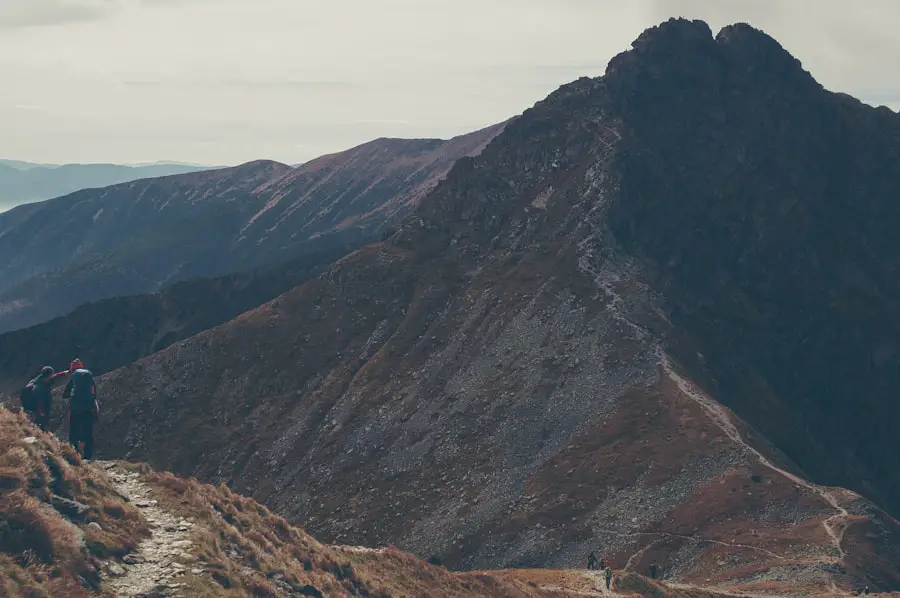
Physiological Adaptations
At high elevation, atmospheric pressure is lower, which reduces the partial pressure of oxygen. The body responds by increasing ventilation and making other changes that improve oxygen delivery and tolerance over time.
These changes are called acclimatization. According to the CDC Yellow Book, the early acclimatization response includes increased ventilation and improved oxygenation. Increased production of red blood cells is not the primary mechanism during the acute first phase.
Being aerobically fit can make the physical work of hiking easier, but it does not make you immune to altitude illness. The CDC specifically notes that physical training and fitness do not determine a traveler’s susceptibility to acute altitude illness.
Simulation Methods
True hypoxic systems reduce the oxygen available in the air being breathed and can be used in specialized training programs. Hypoxic tents and controlled chambers are examples. Their use is more complex than ordinary aerobic conditioning and is not necessary for most recreational hikers.
By contrast, common “elevation training masks” that simply restrict airflow should not be treated as genuine altitude simulators. A published study found that this type of mask did not produce the expected altitude-related changes in hemoglobin or hematocrit and behaved more like a respiratory-resistance device.
Enhanced Performance
Altitude exposure may have a place in a carefully planned training program, particularly for athletes or hikers preparing for high elevations. However, the most important preparation for an actual high-altitude trek is still a sensible itinerary that allows the body time to acclimatize.
The CDC recommends avoiding an abrupt jump from low elevation to a sleeping elevation above about 9,000 feet (2,750 meters) when possible. Once above roughly 9,850 feet (3,000 meters), its current guidance recommends increasing sleeping elevation by no more than about 1,600 feet (500 meters) per day and adding an extra acclimatization day for every additional 3,300 feet (1,000 meters) gained.
Warning: Do not try to “push through” worsening altitude illness. Headache accompanied by nausea, dizziness, unusual fatigue, or loss of appetite after ascent can indicate acute mountain sickness. Do not ascend to a higher sleeping altitude while symptomatic. Confusion, loss of coordination, or breathlessness at rest can signal life-threatening high-altitude cerebral or pulmonary edema and require urgent descent and medical help.
Incorporating Interval Training to Enhance Hiking Endurance
Interval training alternates harder efforts with easier recovery periods. For hikers, it can prepare the body for steep pitches where effort rises sharply before dropping again on flatter terrain.
A beginner-friendly example is to warm up thoroughly, walk briskly or climb uphill at a challenging but controlled effort for about one minute, then recover with two or three minutes of easy movement. Repeat several times. As conditioning improves, the hard segments can gradually become longer.
A more experienced hiker might use several one- to three-minute uphill efforts with easy walking between repetitions. You should still be able to maintain safe form and recover between intervals. Doing every workout at maximum intensity is unnecessary and can interfere with recovery.
Steady aerobic training remains important because hiking commonly requires hours of continuous submaximal work. The two methods complement each other rather than compete.
The Importance of Proper Hydration for Lung Capacity and Endurance
Hydration does not directly enlarge your lungs, but it matters for endurance, circulation, temperature regulation, and general physical performance. Dehydration can make exercise feel harder, especially during long or hot hikes.
Carry enough fluid for the conditions and drink regularly according to your thirst, sweat losses, temperature, duration, and access to water. Long or very sweaty outings may also require sodium and other electrolytes from food or an appropriate drink.
At the same time, more water is not always better. Drinking far beyond your losses can dilute blood sodium and contribute to exercise-associated hyponatremia. An individualized hydration strategy is safer than forcing a fixed universal amount.
Hydration also helps support normal moist airway surfaces. Dry environments and heavy mouth breathing can make the mouth and upper airway feel uncomfortable, which is common during prolonged exertion.
Pro Tip: Test your food, fluid, pace, breathing strategy, shoes, and backpack on training hikes. Your longest or highest trip should not be the first time you discover how your body responds to them.
A 6-Week Hiking Breathing and Endurance Plan
This sample progression is designed for generally healthy adults who already tolerate ordinary walking. Adjust the duration and intensity to your current fitness rather than forcing the numbers.
Weeks 1–2: Build Consistency
- Complete three easy-to-moderate aerobic sessions each week using brisk walking, hiking, cycling, swimming, or similar activity.
- Include one longer easy walk or hike.
- Practice diaphragmatic breathing for a few minutes on most days.
- Practice pursed-lip breathing so you can use it comfortably when winded.
- Add two basic full-body strength sessions if your routine does not already include them.
Weeks 3–4: Add Hills
- Keep two or three aerobic sessions each week.
- Make one session hill-, stair-, or incline-focused.
- Gradually lengthen the weekly hike.
- Add a light backpack if your planned trip requires one.
- If desired, begin a properly instructed inspiratory-muscle-training routine.
Weeks 5–6: Add Specific Intensity
- Keep most training at a sustainable aerobic effort.
- Add one short interval session each week if recovery is good.
- Perform one hike that resembles your upcoming trail in elevation gain, terrain, or pack use without trying to duplicate the entire trip.
- Continue breathing practice, hydration testing, and recovery days.
Before a major hiking trip, avoid the temptation to cram several exhausting workouts into the final days. Fitness adaptations require recovery, and arriving sore or injured defeats the purpose of training.
How to Measure Your Progress
You do not need laboratory testing to see whether your hiking fitness is improving. Repeat the same hill, stair route, or treadmill incline under similar conditions and track practical changes.
- Breathing: Can you maintain the same pace with less gasping?
- Talk test: Can you speak more comfortably at a pace that previously left you breathless?
- Recovery: Does your breathing settle more quickly after a steep section?
- Pace: Can you complete the same climb faster at a similar perceived effort?
- Duration: Can you hike longer before fatigue becomes limiting?
- Pack tolerance: Can you carry your planned load without a large drop in pace or form?
Clinical lung-capacity measurements require pulmonary-function testing. If you are concerned about actual lung function rather than ordinary exercise conditioning, a healthcare professional can determine whether spirometry or other testing is appropriate.
Protect the Lung Function You Already Have
Training is only part of respiratory health. Avoid smoking and vaping, limit unnecessary exposure to smoke and respiratory irritants, and follow appropriate medical treatment for asthma or other lung disease. These habits may matter far more to long-term lung health than any single breathing drill.
If you have diagnosed heart or lung disease, significant anemia, unexplained exercise intolerance, or a history of severe altitude illness, discuss strenuous or high-altitude plans with a qualified healthcare professional before the trip.
If you’re looking to improve your lung capacity for hiking, you may also be interested in planning hiking adventures more effectively and finding new trails to explore. This guide on how to choose the best travel guidebook can help with the trip-planning side of your next hiking adventure.
Frequently Asked Questions
What is lung capacity and why is it important for hiking?
Lung capacity describes how much air the lungs can hold under specific conditions. It matters to respiratory function, but hiking performance depends on much more than lung volume. Cardiovascular fitness, oxygen transport, muscle efficiency, pacing, terrain, heat, hydration, and altitude all influence how winded you feel.
Can I actually increase my lung capacity for hiking?
Healthy adult lung capacity is largely determined by anatomy and other individual factors, so dramatic increases are unlikely. What you can usually improve much more is aerobic fitness, respiratory-muscle performance, breathing control, and tolerance for sustained hiking.
How can I improve my breathing and endurance for hiking?
Train consistently with hiking, brisk walking, running, cycling, swimming, stairs, or other aerobic exercise. Gradually add hills and longer sessions. Diaphragmatic breathing, pursed-lip breathing, and optional inspiratory-muscle resistance training can complement this conditioning.
Are there specific breathing techniques that help while hiking?
Diaphragmatic breathing can improve breathing awareness, while pursed-lip breathing can help slow an uncontrolled breathing pattern when you feel winded. Practice both at rest and during easy walking before relying on them during a hard climb.
Is there a specific diet that increases lung capacity?
No specific food has been proven to dramatically increase normal adult lung capacity. A balanced diet with adequate calories, protein, fruits, vegetables, whole grains, healthy fats, and fluids supports training, recovery, and long-term health.
How long does it take to breathe easier on hikes?
There is no universal timeline. Beginners often notice that familiar walks or climbs feel easier after several weeks of consistent conditioning, while larger endurance gains take longer. Your starting fitness, training frequency, recovery, terrain, and health all affect the rate of progress.
Will getting fitter prevent altitude sickness?
No. Fitness may make hiking itself easier, but it does not make you immune to acute mountain sickness. Gradual ascent and adequate acclimatization remain important even for highly trained hikers.
Do elevation training masks prepare me for high altitude?
A typical airflow-restricting exercise mask does not reproduce genuine altitude physiology. It may make breathing more difficult and act somewhat like respiratory resistance, but it should not be treated as a replacement for real acclimatization or a controlled hypoxic-training system.
Sources
- CDC Yellow Book — High-Altitude Travel and Altitude Illness — acclimatization, altitude-illness risk, symptoms, and ascent guidance.
- National Library of Medicine — Physiology, Lung Capacity — lung-volume and lung-capacity definitions.
- National Heart, Lung, and Blood Institute — How the Lungs Work — breathing, gas exchange, and respiratory-system function.
- MedlinePlus — How to Breathe When You Are Short of Breath — pursed-lip breathing technique.
- PubMed — Respiratory Muscle Training and Exercise Performance — systematic review of respiratory-muscle training in healthy individuals.
- CDC — Adult Physical Activity Guidelines — general aerobic and strength-training recommendations.

