

Last Updated on September 27, 2026 by Caleb Warren
Finding the best winter jacket for skiing means balancing warmth, weather protection, and freedom of movement. Your jacket should keep snow out without making every turn feel restrictive.
Our featured pick is the FREE SOLDIER Men’s Waterproof Ski Winter Jacket. It combines an insulated, fleece-lined design with a water-repellent outer fabric, detachable hood, and inner snow skirt. Its multiple pockets also give you room for small slope essentials.
We checked the product listing, construction details, and ski-specific features, focusing on weather protection, insulation, storage, and fit.
Winter Jackets for Skiing Compared
| Product | Best for | Insulation | Snow protection |
|---|---|---|---|
| Insulated resort skiing and snowy outdoor activities | Cotton padding and fleece lining | DWR-treated shell, TPU film, inner snow skirt |
| FREE SOLDIER Men’s Waterproof Ski Winter Jacket | Best All-Weather Protection | Waterproof Design: Yes | Insulation: Cotton padding | Hood: Adjustable and detachable | VIEW LATEST PRICE | Read Our Analysis |
More Details on Our Top Picks
FREE SOLDIER Men’s Waterproof Ski Winter Jacket
If you’re looking for a winter jacket that combines functionality and style, the FREE SOLDIER Men’s Waterproof Ski Winter Jacket is a top choice for outdoor enthusiasts. Its soft, warm cotton padding keeps you cozy, while the durable, windproof Teflon fabric guarantees high heat retention. With a waterproof design, you’re protected against rain and snow. Plus, the adjustable and detachable hood provides extra head protection. You’ll appreciate the 11 pockets for all your essentials, making it perfect for hiking, skiing, or any outdoor adventure. Rated 4.5 out of 5 stars, this jacket is both reliable and versatile for winter activities.
- Waterproof Design:Yes
- Insulation:Cotton padding
- Hood:Adjustable and detachable
- Pockets:11 pockets
- Windproof:Yes
- Material:100% Polyester, Fuzzy Fleece Lined
- Additional Feature:Fuzzy fleece lined interior
- Additional Feature:Adjustable drawstring hem
- Additional Feature:Stand collar with chin guard
Bottom line: The FREE SOLDIER Men’s Waterproof Ski Winter Jacket is suited to recreational skiers who want an insulated coat with built-in snow protection. Its adjustable hood, snow skirt, and pocket layout make it useful for resort skiing and other cold-weather activities.
Key Specs
- Shell: 100% polyester with DWR treatment and TPU film, designed to resist wet weather.
- Insulation: Cotton padding with fleece lining, providing an insulated inner layer.
- Hood: Adjustable and detachable, allowing different coverage options.
- Pockets: 10 pockets as described in the current listing, including hand, chest, sleeve, and inner storage.
- Snow protection: Inner snow skirt and adjustable hem, helping limit snow entry.
The outer fabric combines a water-repellent treatment with a TPU film. Together with the front closure and protective collar, these features help reduce exposure to wind and moisture.
The cotton padding and fleece lining provide insulation during colder activities. The inner snow skirt is particularly useful when skiing in fresh snow or after a fall.
Storage is another practical feature. Hand, chest, sleeve, and inner pockets let you separate small items instead of keeping everything in one compartment. Check the pocket layout against what you normally carry, especially if you use a lift pass or larger phone.
Pros and Cons
- Insulated construction with a fleece-lined interior.
- Water-repellent shell with TPU film.
- Adjustable, detachable hood for flexible coverage.
- Inner snow skirt and adjustable hem help block snow.
- Multiple pockets provide organized storage.
- The insulated design offers less layering flexibility than an uninsulated shell.
- A specific waterproof and breathability rating is not established in the listing.
- Helmet compatibility should be checked before purchase.
Which Winter Jacket Should You Buy?
Your usual skiing conditions should guide your choice. This article currently features one jacket, so the following guide explains where it fits rather than treating it as the answer for every skier.
- For cold resort days: Consider the FREE SOLDIER Men’s Waterproof Ski Winter Jacket if you prefer built-in insulation.
- For snowy conditions: Its inner snow skirt, adjustable hem, and protective hood are useful features.
- For carrying small essentials: Its separate pocket locations can help organize your pass, phone, and accessories.
- For high-output skiing: Compare uninsulated, breathable shells instead of relying on a heavily insulated jacket.
- For skiing with a helmet: Confirm hood compatibility and shoulder movement before choosing your size.
How We Chose
We focused on features that matter when selecting a winter jacket for skiing:
- Weather protection: Outer fabric, water-repellent treatment, and features that limit wind and snow entry.
- Warmth: Insulation and lining materials suited to cold-weather use.
- Mobility: Adjustable fit and room for skiing movements and layers.
- Practical storage: Secure pockets that can hold small essentials.
- Product verification: The live Amazon listing, published product details, and relevant product-safety records.
We also considered established ski-clothing guidance on layering, ventilation, and snow protection. This is a feature-based buying guide, not a claim of hands-on product testing.
Factors to Consider When Choosing a Winter Jacket for Skiing: Top Picks for Comfort & Warmth
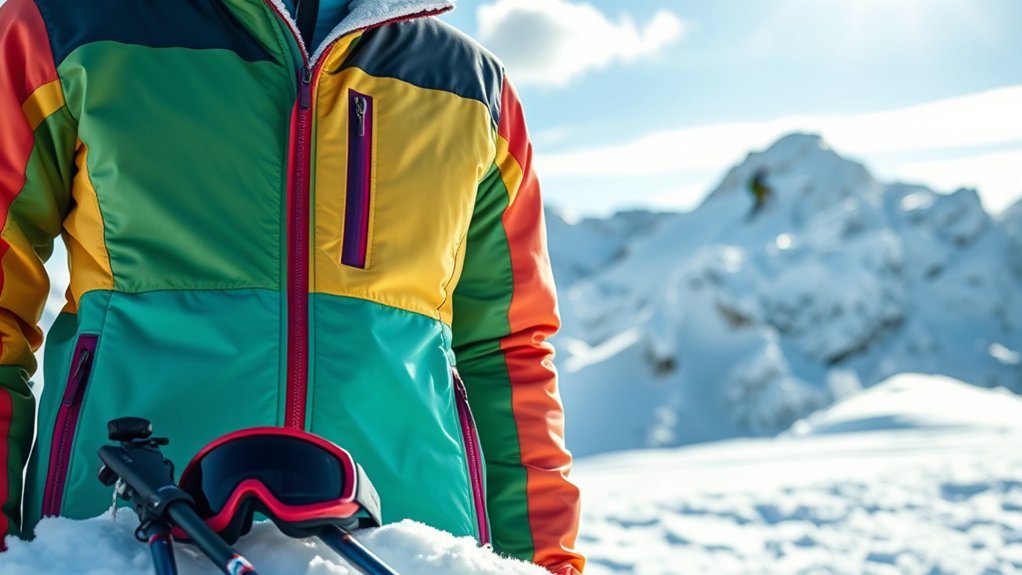
The best winter jacket for skiing should match your local weather, activity level, and layering needs. Insulation, moisture protection, breathability, and fit all affect how comfortable you feel on the slopes.
Insulation and Warmth
Insulation helps retain warmth during cold chairlift rides and slower periods. Common options include down, synthetic insulation, fleece, and padded jacket constructions.
Down offers excellent warmth for its weight but needs appropriate moisture protection. Synthetic insulation is often practical for damp winter conditions. A fleece lining adds comfort and can contribute to the jacket’s overall warmth.
The FREE SOLDIER Men’s Waterproof Ski Winter Jacket uses cotton padding and a fleece-lined interior. Its protective collar and adjustable hood also help limit cold air entering around your neck and head.
If you tend to overheat during active skiing, consider how easily you can adjust your layers rather than choosing insulation alone.
Weather Resistance Features
A ski jacket needs to protect you from snow, wind, and changing mountain weather. Look beyond a simple waterproof claim and check the actual construction.
A Durable Water-Repellent (DWR) treatment helps water bead on the outer fabric. A waterproof membrane or film provides an additional barrier. Sealed seams, protective zipper flaps, and adjustable closures can also help reduce water entry.
The featured FREE SOLDIER jacket uses a DWR-treated outer fabric and TPU film. Its inner snow skirt and adjustable hem help stop loose snow from entering below the jacket.
For frequent wet-weather skiing, also check whether the manufacturer provides a waterproof rating and details about seam sealing. A DWR coating alone does not establish that a garment is fully waterproof.
Storage Options Available
Think about what you carry before choosing a jacket. Useful storage includes zippered hand pockets, chest pockets, inner compartments, and a sleeve pocket for small items.
The featured FREE SOLDIER jacket’s current listing describes 10 pockets, counting the top and side entries of its hand pockets separately.
Pocket placement matters more than the total number. Check whether your phone fits comfortably, your lift pass is easy to reach, and your wallet stays secure while you move.
Try opening the main pockets while wearing gloves. A pocket that is difficult to access on the slopes may not be very useful.
Fit and Comfort
Your ski jacket should fit comfortably over your usual layers without restricting your shoulders, elbows, or waist.
Raise your arms, bend forward, and imitate a skiing stance when checking the fit. The hem should stay reasonably secure without pulling tightly across your back.
Adjustable cuffs, hoods, and hems help fine-tune the fit. A stand collar and chin guard can improve comfort when the wind picks up.
If you wear a helmet, check hood compatibility with your actual helmet. An adjustable or detachable hood is not automatically helmet-compatible.
Breathability and Ventilation
Skiing generates body heat, especially during long runs or climbs. Your jacket should let excess heat and moisture escape.
Look for breathable construction and, when available, underarm ventilation zippers. These can help you cool down without removing the entire jacket.
Breathability becomes more important for high-output activities such as ski touring. An uninsulated shell with adjustable layers may be more practical than a warm, padded jacket in those conditions.
Versatile Usage Scenarios
A good ski jacket can also work for winter walks, hiking, camping, and casual cold-weather use.
For mixed activities, look for weather protection, useful pockets, and adjustable closures. The detachable hood on the FREE SOLDIER jacket adds flexibility when you move between different conditions.
However, a jacket suited to resort skiing may feel too warm for strenuous uphill travel. Match the insulation to the activity you do most often.
Mistakes to Avoid When Buying a Winter Jacket
- Buying by appearance alone: Check the weather protection and construction details.
- Ignoring your layers: Try the jacket over the clothing you actually wear skiing.
- Assuming every hood fits a helmet: Verify compatibility with your helmet.
- Focusing only on pocket count: Check location, access, and usable storage space.
- Choosing maximum insulation automatically: Consider your activity level and ventilation needs.
FAQs
What Materials Are Best for Insulation in Winter Jackets?
Down and synthetic insulation are common choices for winter jackets. Down provides excellent warmth for its weight when properly protected from moisture. Synthetic insulation is often easier to manage in damp conditions. Fleece is another useful layer, while padded designs provide built-in warmth. For skiing, consider both insulation and the jacket’s outer weather protection.
How Do I Properly Care for My Ski Jacket?
Follow the manufacturer’s care label because different fabrics and coatings require different treatment. Close zippers and fasteners before washing, and use a cleaner suitable for technical outerwear. Avoid fabric softener unless the manufacturer specifically permits it. Dry the garment as directed and restore its DWR treatment when water stops beading on the surface.
What Is the Difference Between Waterproof and Water-Resistant Jackets?
Water-resistant jackets repel some moisture but may let water through during prolonged exposure. Waterproof jackets use a barrier designed to prevent water penetration under specified conditions. Their performance still depends on construction, seams, closures, and maintenance. For wet skiing conditions, look for a documented waterproof rating and seam-sealing information rather than relying only on marketing terms.
Can I Wear My Ski Jacket for Everyday Use?
Yes. Ski jackets can be useful for commuting, winter walks, travel, and other cold-weather activities. Their insulation and weather-resistant features provide practical everyday protection. However, snow skirts, large hoods, and heavier construction may feel unnecessary during mild weather. A detachable hood or adjustable hem can make a ski jacket more comfortable for casual use.
How Should a Ski Jacket Fit for Optimal Performance?
A ski jacket should allow a comfortable range of motion while leaving space for your base and mid layers. Check the shoulders, chest, sleeves, and hem while moving. It should not pull tightly when you bend or raise your arms. Adjustable cuffs and hems help control drafts without requiring an excessively tight overall fit.
Do I Need a Snow Skirt in My Ski Jacket?
A snow skirt is useful if you regularly ski in powder or expect falls in deep snow. It creates a barrier around your waist to limit snow entering from below. The FREE SOLDIER jacket includes an inner stretchy snow skirt. For casual winter walking, this feature may be less important than insulation and a comfortable fit.
Should a Ski Jacket Have Ventilation Zippers?
Ventilation zippers are useful if you ski actively, run warm, or experience changing temperatures. They allow excess heat to escape without removing the jacket. They are especially helpful on insulated garments. If a jacket does not provide dedicated vents, consider whether its overall warmth and breathability are appropriate for your usual skiing conditions.
Does a Ski Jacket Hood Need to Fit Over a Helmet?
A helmet-compatible hood is useful when you want extra protection during windy or snowy conditions. However, not every adjustable hood fits over a ski helmet. Check the manufacturer’s sizing guidance or test the combination before purchase. The FREE SOLDIER jacket has an adjustable, detachable hood, but compatibility with your particular helmet should be confirmed.
Final Verdict
The FREE SOLDIER Men’s Waterproof Ski Winter Jacket is a practical option for recreational skiing when built-in warmth, snow protection, and storage are priorities. Its padded construction, fleece lining, DWR-treated outer fabric, and inner snow skirt make it worth considering for cold resort days.
Check the sizing and helmet fit before choosing your variant. If you mainly ski uphill or prefer adjustable layering, compare uninsulated shells as well.
