

Last Updated on September 27, 2026 by Caleb Warren
The best winter jacket for layering should keep you warm without making your outfit bulky. A lightweight fleece works well as a midlayer beneath a protective winter coat, giving you flexibility as temperatures change.
Our featured pick is the TACVASEN Women’s Lightweight Fleece Jacket with Pockets. Its soft polyester fleece, full-zip front, and practical pockets make it a useful option for everyday layering.
We focused on fabric, layering comfort, fit, storage, and weather protection, using the available product specifications to identify what this jacket can and cannot do.
Winter Jackets for Layering Compared
| Product | Best for | Material | Design and storage |
|---|---|---|---|
| Lightweight everyday layering | 100% polyester fleece | Full zip, stand collar, four pockets |
| TACVASEN Women’s Lightweight Fleece Jacket with Pockets | Best Lightweight Warmth | Material: Polyester with Fleece inner | Style: Outdoor/Casual | Size Availability: M-2XL | VIEW LATEST PRICE | Read Our Analysis |
More Details on Our Top Picks
TACVASEN Women’s Lightweight Fleece Jacket with Pockets
When you’re looking for the best winter jacket for layering, the TACVASEN Women’s Lightweight Fleece Jacket with Pockets stands out, especially for those who enjoy outdoor activities. Made from soft polyester with a cozy fleece inner, it keeps you warm without bulk. Available in sizes M-2XL, it fits a variety of body types comfortably. This jacket’s casual style makes it perfect for hiking, cycling, or just lounging around. Plus, it’s machine washable, ensuring easy care. Just keep in mind that colors might vary slightly due to different screens. Embrace your winter adventures with this versatile jacket!
- Material:Polyester with Fleece inner
- Style:Outdoor/Casual
- Size Availability:M-2XL
- Care Instructions:Machine Wash
- Pockets:Yes
- Occasions:Outdoor activities, casual wear
- Additional Feature:Lightweight and easy to wear
- Additional Feature:Full zip design
- Additional Feature:Suitable for casual wear
Bottom line: The TACVASEN Women’s Lightweight Fleece Jacket with Pockets is a practical choice if you want a soft, lightweight layer beneath your winter coat. Its full-zip design helps you adjust your warmth, while its pockets provide convenient storage.
Key Specs
- Material: 100% polyester, providing a lightweight fleece layer.
- Closure: Full-length zipper, making temperature adjustments easier.
- Pockets: Four, including two zippered outer pockets.
- Collar: Stand collar, adding coverage around your neck.
- Care: Machine washable, making routine cleaning simpler.
The jacket’s main advantage is its flexible layering design. Wear it over a light base layer during cool weather or beneath a larger winter coat when temperatures fall. Its full zipper lets you open the front when you get warm without removing every layer.
The stand collar, elastic cuffs, and adjustable hem help limit drafts. Two zippered outer pockets keep small items secure, while two inner pockets add storage. These features make the jacket useful for walking, travel, casual outings, and other everyday activities.
However, this is primarily a lightweight fleece layer, not a substitute for a fully insulated, waterproof winter shell. In heavy rain, snow, or strong wind, pair it with suitable protective outerwear.
- Lightweight polyester fleece is suitable for layering.
- Full zipper allows easy temperature adjustments.
- Two zippered outer pockets and two inner pockets.
- Stand collar, elastic cuffs, and adjustable hem.
- Machine-washable fabric simplifies regular care.
- Lightweight fleece may not provide enough warmth alone in severe cold.
- Not a replacement for a waterproof outer shell.
- Layering comfort depends on choosing the correct size.
Which Winter Jacket Should You Buy?
Your ideal winter jacket depends on how you plan to use it. The TACVASEN fleece is the featured option here, but you should also consider your outer coat and the weather you expect.
- For lightweight everyday layering: Get the TACVASEN Women’s Lightweight Fleece Jacket with Pockets to wear over a base layer.
- For changing indoor and outdoor temperatures: Choose the TACVASEN fleece for its full-zip front, which lets you adjust ventilation.
- For casual outdoor activities: Consider the TACVASEN fleece jacket when you want warmth without a heavy insulated coat.
- For wet winter conditions: Wear the TACVASEN fleece beneath a suitable waterproof shell rather than relying on fleece alone.
How We Chose
We evaluated the featured jacket using product specifications and practical layering requirements. We did not conduct independent laboratory or hands-on testing.
- Fabric and warmth: We considered how the polyester fleece works as a lightweight insulating layer.
- Layering comfort: We looked at the jacket’s full-zip design, collar, cuffs, and fit considerations.
- Practical features: We checked the pocket arrangement and machine-washable construction.
- Weather protection: We distinguished the jacket’s insulating function from the protection offered by dedicated waterproof outerwear.
- Product verification: We checked the linked Amazon product details, available manufacturer information, and relevant public recall records.
Factors to Consider When Choosing a Winter Jacket for Layering
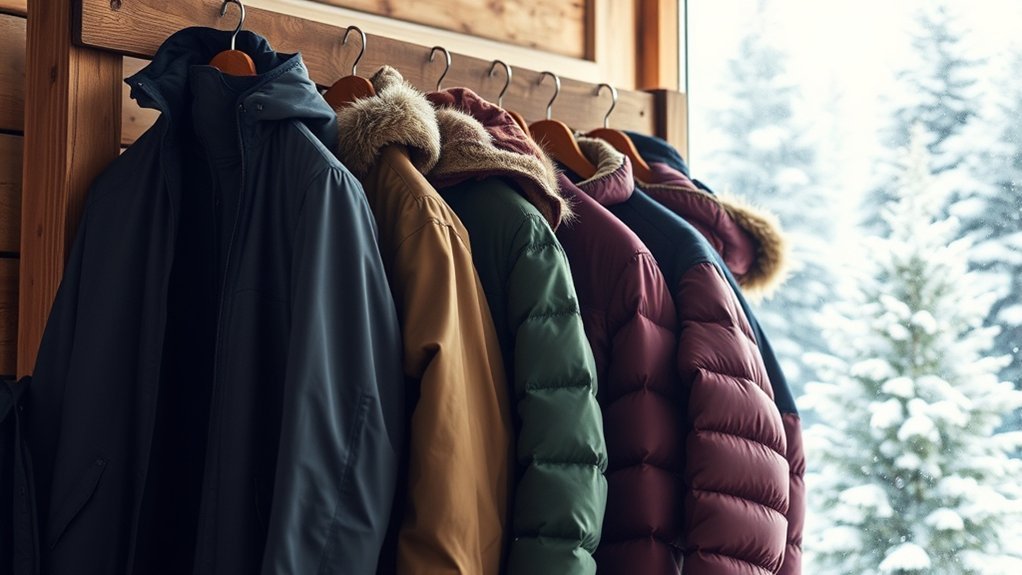
Choosing the right winter jacket for layering means balancing insulation, fit, breathability, and protection from the elements. Your fleece or insulated midlayer should work with your base layer and outer coat rather than replacing every layer.
Consider the weather you’ll face, how active you’ll be, and how much room your outer jacket provides. These details will help you stay comfortable without carrying unnecessary bulk.
Insulation Material Importance
The right insulation material affects how well your jacket retains warmth and handles moisture.
Down insulation offers an excellent warmth-to-weight ratio and compressibility. It’s useful when you want a warm layer that packs down easily. However, untreated down loses much of its insulating ability when wet.
Synthetic insulation generally retains more warmth when damp and dries faster. It can be useful for wet conditions and outdoor activities where moisture is a concern.
Fleece is another practical midlayer option. It provides warmth, allows moisture to move through the fabric, and is easy to combine with a protective shell. The TACVASEN Women’s Lightweight Fleece Jacket with Pockets uses polyester fleece for this purpose.
Remember that insulation thickness and loft affect warmth. A thin fleece may be comfortable while you’re moving, but very cold conditions may call for additional insulation.
Fit and Size Considerations
Finding the right fit is crucial when you plan to layer for warmth. Your jacket should accommodate the clothing underneath without restricting your shoulders, arms, or chest.
Try your usual base layer beneath the jacket. Raise your arms, bend your elbows, and move naturally. If the fabric pulls tightly or bunches up, consider a different size or cut.
Jacket length also matters. Longer styles provide more coverage, while shorter designs can offer greater freedom of movement. A relaxed fit often allows more layering room than a closely tailored cut.
Always compare your measurements with the brand’s size chart. For the TACVASEN fleece, check both the garment measurements and the specific size selected on the Amazon listing.
Layering Versatility and Style
A versatile jacket lets you adjust your warmth as conditions change. Lightweight fleece layers are useful because they can fit beneath many winter coats without adding excessive bulk.
A full-zip design also makes temperature control easier. Open the jacket when you’re warm or close it when temperatures drop.
For everyday wear, choose colors and styles that complement your outerwear. Neutral shades are easy to coordinate, while brighter colors can add contrast to a winter outfit.
The TACVASEN fleece has a casual design that suits travel, walking, and everyday activities. Its pockets add convenience without requiring a separate bag for every small item.
Weather Resistance Features
Weather protection is especially important when selecting a winter layering system. A warm fleece and a waterproof shell perform different jobs.
Water-resistant materials can help with light moisture, but they are not necessarily suitable for prolonged rain. A waterproof outer layer provides more dependable protection when conditions become wet.
Wind protection matters too. Cold air moving through your clothing can reduce comfort, particularly when you’re standing still.
Look for adjustable cuffs, hems, and hoods when choosing an outer shell. These features help limit drafts and improve coverage.
Breathability is equally important. During physical activity, moisture from perspiration needs a way to escape. Wearing too many heavy or poorly ventilated layers can leave you damp and uncomfortable.
For wet winter trips, use the TACVASEN fleece jacket as an insulating layer beneath suitable protective outerwear.
Pockets and Storage Options
Pockets make a winter jacket more practical, especially when you need quick access to small essentials.
Zippered pockets help keep items secure while you’re walking, cycling, or traveling. Internal pockets can also provide additional storage for belongings you prefer to keep close to your body.
The TACVASEN fleece has two zippered outer pockets and two inner pockets. This arrangement provides several places to store small items without filling your pants pockets.
Consider pocket placement before buying. A pocket that is comfortable to reach while standing may be harder to access when you’re wearing a backpack or a long outer coat.
Breathability and Temperature Control
A good layering system should help you stay warm without trapping too much moisture.
Start with a suitable base layer, add an insulating midlayer, and finish with an outer shell when the weather calls for one. Adjust the layers as your activity level changes.
For active pursuits, avoid wearing so much insulation that you begin sweating heavily. Damp clothing can make you feel colder when you stop moving.
A full-zip fleece is useful because you can open the front to release excess heat. The TACVASEN jacket provides this adjustment without requiring you to remove the entire layer.
Care and Maintenance Tips
Taking care of your winter jacket helps preserve its comfort, appearance, and insulating performance.
Always follow the manufacturer’s care label. Different materials require different washing and drying methods, so one routine will not suit every winter jacket.
For machine-washable fleece, use an appropriate gentle detergent and the recommended wash setting. Avoid bleach and fabric softeners unless the care label specifically permits them.
Dry the jacket according to its instructions. Air drying is suitable for many fleece garments, while some insulated jackets require specific tumble-drying methods to restore their loft.
Store your jacket in a clean, dry place. Avoid compressing insulated garments for long periods, and make sure everything is completely dry before putting it away.
Mistakes to Avoid When Buying Winter Jackets
- Buying a fit that’s too tight: Make sure your jacket accommodates your usual base layer without restricting movement.
- Confusing fleece with waterproof outerwear: Use an appropriate shell when you need dependable rain or snow protection.
- Choosing warmth without considering activity: Match insulation to how much you’ll move and how often you’ll stop.
- Ignoring pocket placement: Check that you can access your essentials while wearing your other layers.
- Skipping the care label: Follow the correct washing and drying instructions to protect the fabric and insulation.
Frequently Asked Questions
What Materials Are Best for Winter Jacket Insulation?
Down, synthetic insulation, fleece, and wool are useful materials for winter clothing, but each serves a different purpose. Down provides excellent warmth for its weight, while synthetic insulation handles damp conditions better. Fleece works well as a breathable midlayer. Choose based on the weather, your activity level, and the protective layers you plan to wear.
How Do I Properly Clean and Maintain My Winter Jacket?
Check the manufacturer’s care label before washing your winter jacket. Use an appropriate detergent and follow the recommended wash cycle and water temperature. Avoid fabric softeners when the manufacturer advises against them. Dry the garment as directed, since fleece, down, and synthetic insulation may require different methods. Store the jacket only when completely dry.
Can I Wear a Winter Jacket in Rainy Weather?
Yes, but your jacket needs suitable water protection for the conditions. Water-resistant fabric may handle light moisture, while prolonged rain calls for a waterproof outer layer. If you’re wearing a fleece jacket, add a compatible rain shell rather than relying on the fleece alone. Check the manufacturer’s weather-protection specifications before heading outside.
What Are the Best Colors for Winter Jackets?
Black, navy, and charcoal are practical choices because they coordinate easily with other clothing and can make everyday dirt less noticeable. Olive, brown, and burgundy offer alternatives to neutral shades. Bright colors can also improve your visibility outdoors. Choose a color that works with your existing layers and the activities you enjoy.
How Should a Winter Jacket Fit for Layering?
A winter jacket should fit comfortably over your planned layers without restricting movement. Check the shoulders, chest, sleeves, and waist while wearing the clothing you normally use underneath. You should be able to raise your arms and bend comfortably. Avoid a fit so tight that it compresses your insulation or prevents you from moving naturally.
Should Fleece Be a Base Layer or Midlayer?
Fleece is generally more useful as a midlayer. Wear a suitable moisture-managing base layer against your skin, then add fleece for insulation. A protective outer shell completes the system when wind or precipitation becomes a concern. This arrangement lets you adjust your warmth without relying on one heavy garment for every condition.
Is a Fleece Jacket Warm Enough for Freezing Weather?
A fleece jacket can contribute useful warmth in freezing weather, but a lightweight fleece may not provide enough insulation on its own. Your comfort depends on wind, moisture, activity level, and the other clothing you’re wearing. For colder conditions, combine fleece with an appropriate insulated coat or weather-resistant shell rather than treating it as your only winter layer.
Are Fleece Jackets Waterproof?
Most ordinary fleece jackets are not waterproof. Polyester fleece can provide useful insulation, but its construction generally allows water to pass through unless the garment includes a dedicated protective membrane or other waterproof construction. For prolonged rain or wet snow, wear a waterproof outer shell over your fleece. Check the exact jacket specifications instead of assuming all fleece offers the same protection.
Final Verdict
The best winter jacket for layering should work comfortably with your existing clothes while giving you enough flexibility for changing temperatures.
The TACVASEN Women’s Lightweight Fleece Jacket with Pockets is a practical lightweight choice for everyday layering. Its polyester fleece, full zipper, stand collar, and four pockets provide useful features without the bulk of a heavily insulated coat.
Remember that fleece is primarily an insulating layer. For severe cold, heavy rain, or snow, pair it with suitable protective outerwear.
