

Last Updated on November 4, 2026 by Mason Reed
Finding the best winter backpacking tent means balancing weather protection, pack weight, interior space, and setup requirements. The BISINNA 4 Season Tent is a practical two-person option with a snow skirt, while the Camppal MT051 offers extra length for solo campers. The Naturehike Opalus UL provides a roomy vestibule, and the Underwood and Clostnature models offer additional cold-weather features. Below, you can compare six winter-oriented tents and learn how to choose the right shelter for your conditions.
Disclosure: As an Amazon Associate I earn from qualifying purchases. Some links on this page are affiliate links, at no extra cost to you.
Quick Answer: Which Winter Backpacking Tent Should You Choose?
For two-person cold-weather camping, start with the BISINNA 4 Season Tent. It combines a snow skirt, two doors, and a double-wall design. For a tall solo camper, consider the Camppal MT051, but confirm that your selected variant includes the snow skirt. If you need a large vestibule for equipment, the Naturehike Opalus UL is worth comparing.
Important: These recommendations are based on published specifications and design features, not independent field testing. None should be assumed suitable for extreme alpine winds or heavy snow loads without confirmed manufacturer guidance.
Key Takeaways
- Best starting point for two campers: BISINNA 4 Season Tent, with a snow skirt and two doors.
- Best for taller solo campers: Camppal MT051, thanks to its approximately 8.2-foot interior length.
- Best for a roomy vestibule: Naturehike Opalus UL, especially when carrying bulky winter gear.
- Best for a compact solo dome: Underwood 4-Season One-Person Tent.
- Check winter features: Snow skirts, guyline points, full-coverage rainflies, and reliable anchoring matter more than a four-season label alone.
- Plan your sleep system separately: A tent does not replace a properly rated sleeping bag and insulated sleeping pad.
Our Top Winter Tent Picks
These six models offer different advantages for cold-weather backpacking. Compare their size, advertised weather protection, and practical limitations before choosing.
| BISINNA 4 Season Lightweight Backpacking Tent for 2 |  |
Best for Two Campers | Capacity: 2 persons | Weight: Approx. 6.4 lbs | Waterproof: PU 3000mm | Check Price on Amazon | Read Our Analysis |
| Camppal 1 Person Tent for All-Season Camping |  |
Best for Tall Solo Campers | Capacity: 1 person | Weight: Approx. 4.0-4.2 lbs by variant | Waterproof: 3500-4000mm by fabric | Check Price on Amazon | Read Our Analysis |
| Underwood Lightweight 4-Season Backpacking Tent |  |
Best for a Compact Two-Person Setup | Capacity: 2 persons | Weight: Verify exact packed weight | Waterproof: PU 5000mm | Check Price on Amazon | Read Our Analysis |
| Clostnature Ultralight Waterproof 4-Season Backpacking Tent | 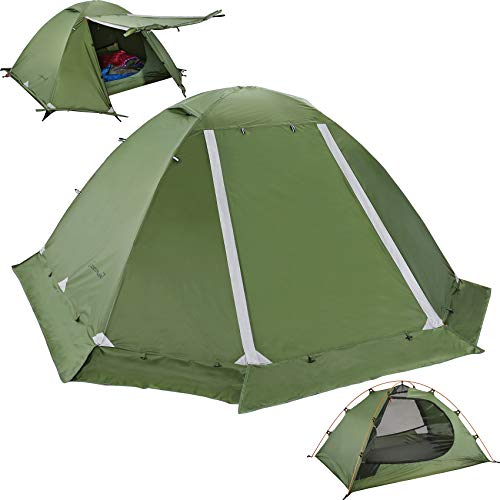 |
Best for Two-Door Access | Capacity: 2 persons | Weight: Approx. 6.28 lbs packed | Waterproof: PU 5000mm | Check Price on Amazon | Read Our Analysis |
| Underwood 4-Season Backpacking Tent for One Person | 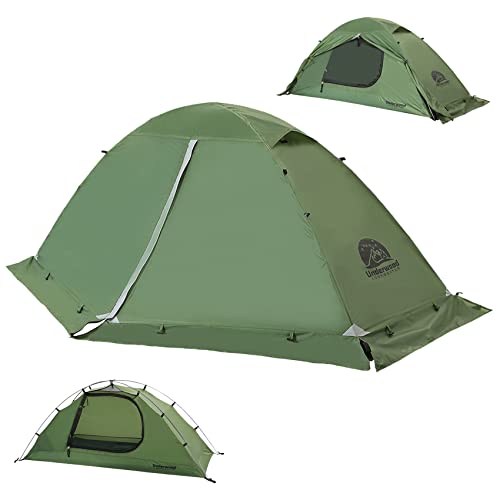 |
Best Solo Dome Option | Capacity: 1 person | Weight: Approx. 4.4 lbs advertised | Waterproof: PU 5000mm | Check Price on Amazon | Read Our Analysis |
| Naturehike Opalus UL 4 Season Camping Tent |  |
Best for Vestibule Space | Capacity: 2 persons for linked variant | Weight: Approx. 4.54 lbs, 2P | Waterproof: 1500mm+ fly; 3000mm+ floor | Check Price on Amazon | Read Our Analysis |
Comparison note: Weights are approximate published figures, not measurements from independent testing. Manufacturers may use different definitions of packed weight and minimum trail weight. Always confirm the precise size, color, included accessories, and winter configuration before buying.
Winter Camping Safety Note: A four-season marketing label does not guarantee a tent can withstand heavy snow or extreme wind. For severe alpine weather, choose a shelter with documented performance appropriate to the forecast and terrain. Never use a fuel-burning stove, barbecue, or heater inside a tent or its vestibule because of carbon monoxide and fire hazards.
More Details on Our Top Picks
-
BISINNA 4 Season Lightweight Backpacking Tent for 2
The BISINNA 4 Season Lightweight Backpacking Tent is a practical option for two campers who want a double-wall shelter with winter-specific features. Its rollable snow skirt helps reduce wind-driven snow entering near the bottom of the fly. The tent also uses a PU 3000mm-coated polyester fabric and aluminum poles.
At approximately 6.4 pounds, it is heavier than many three-season backpacking tents. However, two people can split some components between their backpacks. The advertised packed size is approximately 18 x 7 x 7 inches, which should be considered when planning your load.
The freestanding dome structure simplifies initial positioning, while two doors make entry and exit more convenient. Its mesh and fabric openings also allow you to manage ventilation in changing weather.
Why You’ll Like It
The combination of a snow skirt, two doors, and a roomy two-person floor makes this a useful choice for general cold-weather camping where some snowfall may occur.
Best for: Two people planning lower-elevation winter camping or cold-weather backpacking in manageable conditions.
Consider before buying: Its weight is noticeable on long hikes. The published snow-skirt and waterproof features do not establish a verified heavy-snow-load rating.
- Capacity:2 persons
- Weight:Approximately 6.4 lbs
- Waterproof Rating:PU 3000mm
- Packed Size:Approximately 18 x 7 x 7 inches
- Structure:Freestanding dome
- Material:210T polyester
- Additional Feature:Rollable snow skirt
- Additional Feature:Two doors and ventilation openings
- Additional Feature:Vestibule storage
-
Camppal 1 Person Tent for All-Season Camping
For taller solo campers, the Camppal MT051 four-season tent offers a useful advantage: an interior length of approximately 8.2 feet. Its narrow, low-profile design can accommodate a long sleeping pad while reducing unnecessary floor space.
The manufacturer lists polyester fly fabric with approximately 3500mm water resistance and floor fabric rated around 4000mm. It also uses an aluminum pole and a relatively straightforward pitching system.
Depending on configuration, manufacturer figures indicate approximately 4.0 pounds without a snow skirt and 4.2 pounds with one. The skirted version is the more relevant configuration for snowy conditions.
Why You’ll Like It
The long sleeping area is useful if you are tired of cramped solo tents. The single-pole layout may also appeal to backpackers who prefer a straightforward shelter design.
Best for: Tall solo campers who need extra sleeping length and want a compact cold-weather shelter.
Consider before buying: Camppal sells configurations with and without a snow skirt. Verify which version the Amazon listing supplies. The narrow floor and limited sitting height may feel restrictive on extended trips.
Setup note: Although some listings describe the tent as freestanding, its design still requires proper staking and guyline tension for reliable use.
- Capacity:1 person
- Weight:Approximately 4.0-4.2 lbs by configuration
- Waterproof Rating:3500mm fly; 4000mm floor
- Interior Length:Approximately 8.2 feet
- Structure:Single-ridge-pole design
- Material:Polyester with aluminum pole
- Additional Feature:Snow-skirt version available
- Additional Feature:Long sleeping area
- Additional Feature:Compact solo shelter
-
Underwood Lightweight 4-Season Backpacking Tent
The Underwood Lightweight 4-Season Backpacking Tent offers a two-person dome layout with a snow skirt, an advertised PU 5000mm waterproof coating, and aluminum poles. Its freestanding structure can make initial assembly straightforward, although proper anchoring remains essential.
The published interior dimensions for the two-person version are approximately 86.6 x 59.1 inches, with a peak height around 45.3 inches. This gives you a useful starting point when checking whether two winter sleeping pads will fit side by side.
One concern is inconsistent published weight information. Different listings show figures ranging from approximately 5.7 pounds to 6.6 pounds. Confirm the complete packed weight for your exact version rather than relying on the 4.4-pound figure previously associated with this product.
Why You’ll Like It
The snow skirt and compact dome layout make this a reasonable option to compare when you want a winter-oriented shelter without carrying an oversized tent.
Best for: Two campers who want an affordable-style, compact four-season design for moderate winter outings.
Consider before buying: Verify the packed weight, snow-skirt configuration, number of included guy lines, and actual interior space. Its waterproof rating alone does not prove high-wind or heavy-snow performance.
- Capacity:2 persons
- Weight:Confirm exact packed weight
- Waterproof Rating:PU 5000mm advertised
- Floor Length:Approximately 86.6 inches
- Floor Width:Approximately 59.1 inches
- Structure:Freestanding dome
- Additional Feature:Snow skirt
- Additional Feature:Aluminum poles
- Additional Feature:Ventilation openings and storage features
-
Clostnature Ultralight Waterproof 4-Season Backpacking Tent
The Clostnature 4-Season Backpacking Tent combines a roomy two-person interior, snow flaps, and a double-wall design. Its two D-shaped doors and two vestibules are especially useful when both campers need access to their gear without constantly climbing over one another.
The polyester rainfly and floor use an advertised PU 5000mm coating, with factory-sealed seams intended to help resist moisture. The snow flaps provide additional protection against wind-driven snow near the edges of the shelter.
The manufacturer lists a total weight of approximately 6.28 pounds and a lower minimum trail weight when certain accessories are excluded. Although the product name includes the word ultralight, the complete packed tent is not especially light compared with many backpacking shelters.
Why You’ll Like It
Separate doors and vestibules provide practical convenience during longer nights. You can keep boots and certain equipment outside the sleeping compartment while maintaining easier access.
Best for: Two campers who value independent access, gear storage, and snow-flap protection.
Consider before buying: The complete packed weight is relatively high for long solo carries. Confirm the exact variant and interior dimensions, especially if you use wide winter sleeping pads.
- Capacity:2 persons
- Weight:Approximately 6.28 lbs total
- Minimum Trail Weight:Approximately 5.33 lbs advertised
- Waterproof Rating:PU 5000mm
- Structure:Freestanding dome
- Material:Polyester with sealed seams
- Additional Feature:Snow flaps
- Additional Feature:Two doors and two vestibules
- Additional Feature:Pole repair kit listed
-
Underwood 4-Season Backpacking Tent for One Person
If you prefer a compact dome rather than a long, narrow solo shelter, consider the Underwood 4-Season Backpacking Tent for One Person. Its advertised floor dimensions are approximately 86.6 x 31.8 inches, with a center height of 35.8 inches.
The tent uses aluminum poles, a full-coverage rainfly, and an advertised PU 5000mm waterproof coating. Its snow skirt and adjustable ventilation features are intended for use in changing seasonal conditions.
At roughly 4.4 pounds according to some seller descriptions, it is compact enough for many solo trips, although buyers should confirm the complete packed weight. Its freestanding dome arrangement may be easier to position than a tunnel tent before securing the anchors.
Why You’ll Like It
This tent provides a separate one-person option for campers who prefer a dome shape with a winter-oriented fly rather than the Camppal’s longer ridge-pole configuration.
Best for: Solo backpackers who want a compact dome-style shelter for cold-weather camping.
Consider before buying: The narrow floor may leave little room for large gear bags. Its height limits sitting space, and its published four-season classification is not proof of extreme-weather capability.
- Capacity:1 person
- Weight:Approximately 4.4 lbs advertised
- Waterproof Rating:PU 5000mm
- Floor Size:Approximately 86.6 x 31.8 inches
- Peak Height:Approximately 35.8 inches
- Structure:Freestanding dome
- Additional Feature:Snow skirt
- Additional Feature:Full-coverage rainfly
- Additional Feature:Storage pocket and ventilation features
-
Naturehike Opalus UL 4 Season Camping Tent
The Naturehike Opalus UL 4 Season Camping Tent stands out for its tunnel-style layout and spacious vestibule. The two-person model has an advertised total packed weight of approximately 4.54 pounds, making it relatively easy to divide between two backpackers.
Naturehike specifies a 15D nylon outer tent with silicone treatment and a waterproof rating of PU 1500mm+, along with a 20D nylon floor rated PU 3000mm+. Its three-pole construction and multiple guyline points are intended to support a stable pitch when correctly anchored.
The two-person version provides an interior floor area of approximately 2.59 square meters and a vestibule area around 1.87 square meters. This extra sheltered space is useful for storing backpacks, boots, and other winter gear.
Unlike a freestanding dome, its tunnel structure relies on proper staking and tension. This is particularly important on snow, frozen ground, or exposed campsites.
Why You’ll Like It
The generous vestibule helps keep bulky equipment out of the sleeping area. The lightweight fabric and packed dimensions also appeal to hikers who want to reduce carrying bulk.
Best for: Two-person backpacking trips where sheltered gear storage is a priority and secure anchoring is practical.
Consider before buying: The 15D fabric is lightweight and requires careful handling. Confirm the exact two-person configuration, and do not assume the shelter is rated for heavy snow accumulation. The larger three-person version has different dimensions and weight.
Safety note: Although the vestibule offers equipment storage, do not operate a fuel-burning stove or heater inside it.
- Capacity:2 persons for linked variant
- Weight:Approximately 4.54 lbs, 2P version
- Fly Waterproof Rating:PU 1500mm+
- Floor Waterproof Rating:PU 3000mm+
- Structure:Staked tunnel design
- Material:15D nylon fly; 20D nylon floor
- Additional Feature:Large vestibule
- Additional Feature:Three aluminum poles
- Additional Feature:Multiple guyline and anchor points
Factors to Consider When Choosing a Winter Backpacking Tent

A good winter backpacking tent needs more than a waterproof fabric. You should assess its structure, wind protection, anchoring system, interior space, ventilation, and total weight. The right design depends on the conditions you expect to encounter.
At a Glance: Winter Tent Buying Checklist
| Feature | What to Check |
|---|---|
| Season Rating | Actual winter construction and manufacturer guidance, not the label alone |
| Wind and Snow Protection | Pole arrangement, fly coverage, guyline points, and documented limitations |
| Water Resistance | Fly and floor ratings, seam protection, and overall construction |
| Packed Weight | Total weight including poles, stakes, guy lines, and storage bags |
| Interior Dimensions | Usable sleeping space for winter pads and equipment |
| Setup | Ability to pitch and anchor securely in cold or snowy conditions |
| Ventilation | Adjustable vents and enough airflow to manage condensation |
Weather Resistance Ratings
A tent’s waterproof rating is generally measured in millimeters of hydrostatic head. This indicates the water pressure a fabric can resist under standardized testing conditions. For example, PU 3000mm describes fabric water resistance, not the tent’s ability to hold 3000mm of snow.
Higher ratings can provide additional protection against wet conditions, but they do not automatically make a tent safer for winter mountaineering. Seam sealing, fly coverage, floor construction, and correct pitching also affect performance.
Snow-load resistance is a separate concern. Heavy snow can bend poles, damage fabric, or cause structural collapse. Look for a strong pole arrangement, multiple guyline points, and manufacturer guidance on the weather conditions the tent is designed to withstand.
If your trip may involve sustained snowfall, high winds, or exposed alpine terrain, prioritize documented storm resistance over an attractive waterproof rating.
Tent Material Quality
Winter tents commonly use polyester or nylon fabrics with protective coatings. Polyester generally stretches less when wet, while many lightweight nylon constructions offer a favorable strength-to-weight balance. Actual durability depends on fabric denier, weave, coatings, reinforcement, and construction quality.
Aluminum poles are common because they combine useful strength with manageable weight. However, the number of poles, their diameter, attachment points, and the overall tent geometry also influence structural performance.
When evaluating materials, check for reinforced stress points, reliable zippers, protected seams, appropriate floor fabric, and a rainfly that provides sufficient coverage.
Important: A flame-retardant treatment or material classification does not make a tent safe for open flames, indoor cooking, or fuel-burning heaters. Keep combustion appliances outside the tent and vestibule.
Weight and Portability
Winter backpacking tents often weigh more than comparable three-season shelters because they may use additional fabric coverage, stronger poles, snow skirts, and extra anchors.
Always compare the same weight measurement:
- Packed weight: The complete tent package, normally including its poles, stakes, guy lines, and bags.
- Minimum trail weight: A reduced equipment weight that may exclude certain accessories needed for an actual trip.
- Per-person carried weight: The load each camper carries after dividing tent components.
For solo backpacking, every extra pound can matter over long distances. For two people, sharing poles, fly, and other components can help distribute the load.
Check the packed dimensions as well. A relatively light tent may still be difficult to fit inside a smaller backpack if its poles or fabric bundle are long.
Setup Ease and Speed
Cold fingers, wind, and limited daylight can make tent setup more difficult. A straightforward design with clearly identifiable poles, clips, and guyline points can reduce pitching mistakes.
Freestanding tents are convenient because their basic structures can often stand before final anchoring. However, freestanding does not mean anchor-free. Snow and strong wind can move or damage an unsecured tent.
Tunnel and other non-freestanding designs may depend on properly tensioned stakes and guy lines to maintain their intended shape.
Practice pitching your tent at home before your winter trip. Check every component and learn how to use snow anchors or buried anchors when conventional stakes cannot hold securely.
Do not assume a manufacturer’s short advertised setup time will be achievable in snow, frozen ground, or strong wind.
Ventilation and Airflow
Condensation is a major concern during winter camping. Moisture from breathing and damp equipment can collect on cold tent surfaces and eventually freeze.
Look for adjustable vents, double-wall construction, and ways to maintain airflow without allowing excessive wind-driven snow into the sleeping compartment.
Two doors or multiple vent locations may improve airflow, although their effectiveness depends on the tent’s orientation and weather conditions.
Keep vents open when conditions permit, maintain separation between the inner tent and rainfly, and avoid pressing sleeping bags against wet tent walls.
Pro Tip: Some condensation can occur even in a well-designed winter shelter. Good ventilation reduces moisture buildup but cannot eliminate it in every environment.
Capacity and Interior Space
A two-person tent does not always provide enough room for two people and all their winter equipment. Thick sleeping pads, bulky sleeping bags, and additional clothing can make a small interior feel cramped.
Check usable floor width and length rather than relying only on the advertised occupancy number.
For solo trips, a longer one-person tent may be sufficient. For two campers carrying substantial equipment, a wider floor or large vestibule can make daily camp routines easier.
Measure your sleeping pads before buying. Two wide winter pads may not fit side by side in every two-person shelter.
Snow Skirts, Guy Lines, and Anchoring
Snow skirts, sometimes called snow flaps, extend from the tent fly toward the ground. They can help reduce drifting snow and wind entering beneath the fly.
However, snow skirts are not structural reinforcements. They do not replace strong poles, proper guyline tension, or secure anchoring.
Before heading into snowy conditions, determine whether the tent can be anchored with suitable snow stakes, buried anchors, or other manufacturer-approved methods.
Make sure you can also clear accumulated snow from the shelter safely. Never assume a tent can support prolonged snow accumulation without verified guidance.
Warning: Choose the Right Tent for the Forecast
A lightweight four-season tent may be appropriate for relatively sheltered winter camps but unsuitable for severe alpine storms. If heavy snowfall, strong winds, or dangerous exposure are forecast, consider changing the location or postponing your trip rather than relying on unverified shelter performance.
For more guidance on season classifications, read REI’s backpacking tent selection guide.
How to Choose the Right Winter Tent for Your Trip
Use your expected campsite and weather conditions to narrow your options rather than choosing only by weight or marketing claims.
For Solo Winter Backpacking
Look for a compact shelter with enough sleeping length, suitable wind protection, and manageable packed weight. The Camppal MT051 and the Underwood one-person dome are different configurations worth comparing.
The Camppal emphasizes sleeping length, while the Underwood provides a more conventional dome arrangement.
For Two-Person Cold-Weather Camping
Prioritize enough floor space for both sleeping pads, convenient entry and exit, and a practical way to divide carrying weight. The BISINNA, Underwood two-person, and Clostnature models all provide relevant configurations.
If you want separate doors and vestibules, compare the BISINNA and Clostnature designs closely.
For Backpackers Carrying Bulky Winter Gear
Consider a tent with more sheltered storage space. The Naturehike Opalus UL offers a large vestibule relative to its sleeping area.
However, its tunnel construction requires secure anchoring. Check whether you can establish an appropriate pitch in the conditions you expect.
For Exposed Alpine or Heavy-Snow Conditions
Choose a purpose-built mountaineering shelter with verified structural guidance appropriate for the terrain, snowfall, and wind forecast. Do not rely on a lightweight tent’s four-season label, snow skirt, or waterproof coating as proof of extreme-weather suitability.
Before You Buy: Final Checklist
- Confirm the exact Amazon listing matches the intended model and capacity.
- Verify whether a snow skirt is included or sold as a separate configuration.
- Compare complete packed weight rather than relying only on minimum trail weight.
- Measure the usable sleeping area against your sleeping pad dimensions.
- Check the listed number of poles, anchors, guy lines, and vestibules.
- Review the manufacturer’s recommendations for winter use and weather limitations.
- Confirm current warranty, returns, and replacement-part support directly with the seller or manufacturer.
- Practice pitching the tent and inspect all components before traveling.
Buying Tip: Check the seller’s current product details before ordering. Colors and capacities can have different specifications, and some listings combine multiple tent variants on one product page.
Frequently Asked Questions
What Materials Are Best for Winter Backpacking Tents?
Durable nylon and polyester fabrics with suitable waterproof treatments are common choices. Aluminum poles are also widely used. Look beyond material names and examine reinforced seams, pole construction, guyline attachment points, and fly coverage.
How Much Does a Winter Backpacking Tent Typically Weigh?
Weight varies widely by capacity and purpose. Many compact winter-oriented backpacking tents weigh roughly 4 to 7 pounds, while specialized mountaineering shelters may be heavier or lighter depending on their construction. Compare complete packed weights and confirm what is included.
Can I Use a Summer Tent in Winter Conditions?
A three-season tent may work during mild, dry, sheltered winter conditions, depending on its design. However, it may lack the structural strength and fabric coverage needed for heavy snow or severe wind. For challenging winter trips, use a shelter specifically suited to the expected weather.
What Temperature Ratings Should I Look for in a Winter Tent?
Backpacking tents generally do not have standardized minimum-temperature ratings like sleeping bags. Instead, evaluate wind resistance, snow-load suitability, weather protection, ventilation, and overall construction.
Choose a suitable sleeping bag or quilt and an insulated sleeping pad for the temperatures you expect. Your complete sleep system, clothing, and campsite conditions play major roles in keeping you warm.
How Do I Properly Ventilate a Winter Backpacking Tent?
Open adjustable vents whenever conditions allow, maintain an air gap between the inner tent and rainfly, and avoid blocking ventilation openings with equipment. Balance airflow against wind-driven snow and precipitation.
Do Winter Tents Need Snow Skirts?
Not always. Snow skirts can help limit drifting snow and wind entering under the fly, but they are not required on every winter tent design. Structural strength, anchoring, weather protection, and suitable ventilation are also important.
Are Four-Season Tents Always Safe in Heavy Snow?
No. Four-season marketing labels do not guarantee a particular snow-load capacity. Check the manufacturer’s published limitations and use a purpose-built mountaineering tent when conditions demand one.
Can I Cook Inside a Winter Tent or Vestibule?
No. Fuel-burning stoves and heaters can produce dangerous carbon monoxide and create fire hazards. Never operate them inside a tent or vestibule. Follow the manufacturer’s instructions and cook outdoors in a suitable location away from tent fabric and other combustible materials.
For additional information, see the Scouts guidance on using camping stoves safely.
Conclusion
The best winter backpacking tent depends on where you camp, how far you hike, and the weather you may encounter.
For a two-person shelter with practical snow protection features, the BISINNA 4 Season Tent is a reasonable starting point. Solo backpackers can compare the Camppal MT051 and Underwood one-person models, while campers who prioritize vestibule storage may prefer the Naturehike Opalus UL.
Before buying, verify the exact tent configuration, packed weight, anchoring requirements, and winter-specific construction. Most importantly, match your shelter to the forecast and carry a suitable cold-weather sleep system.
Final Recommendation
Our starting pick for two campers: BISINNA 4 Season Tent, for its snow skirt, two doors, and straightforward dome layout.
For tall solo campers: Camppal MT051, provided you confirm the appropriate winter configuration.
For extra gear space: Naturehike Opalus UL, if you can anchor its tunnel design securely.
Choose based on your expected conditions, not on unsupported promises of all-weather protection.
