
Last Updated on July 25, 2026 by Daniel Globe
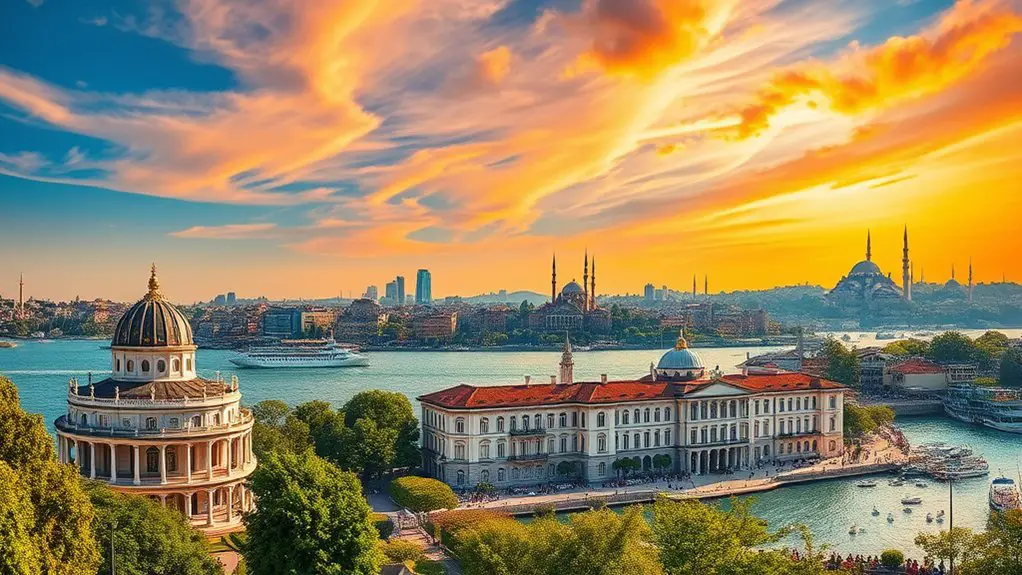
Beşiktaş offers several distinct settings for photography, from Bosphorus waterfront scenes and Ottoman architecture to green park paths and a busy neighborhood market. The strongest locations are Ortaköy Pier, Dolmabahçe Palace, Beşiktaş Fish Market, the private terraces at Çırağan Palace Kempinski, and nearby Maçka Democracy Park. Each requires a different approach to light, access, and composition.
Quick Answer
For classic Bosphorus photographs, start at Ortaköy Pier. Choose Dolmabahçe for palace details, Beşiktaş Fish Market for street photography, Maçka Democracy Park for greenery, and Çırağan Palace for a reservation-based luxury setting. Visit early or near sunset, confirm venue rules, and allow extra time for crowds and transport.
Key Takeaways
- Ortaköy Pier is the best all-around choice for Bosphorus, ferry, bridge, mosque, and waterfront street scenes.
- Dolmabahçe Palace provides formal architecture, gates, gardens, fountains, and clock-tower details, but it is a ticketed attraction with set visiting hours.
- Beşiktaş Fish Market is ideal for movement, color, food displays, environmental portraits, and urban architecture.
- Maçka Democracy Park is in nearby Şişli rather than Beşiktaş, but its trees, slopes, paths, and cable-car views make it a useful addition to a photography route.
- Çırağan Palace Kempinski is private property. Its Bosphorus-facing terraces normally require a restaurant reservation, hotel booking, event invitation, or other approved access.
Disclosure: As an Amazon Associate I earn from qualifying purchases. Some links on this page are affiliate links, at no extra cost to you.
Ortaköy Pier
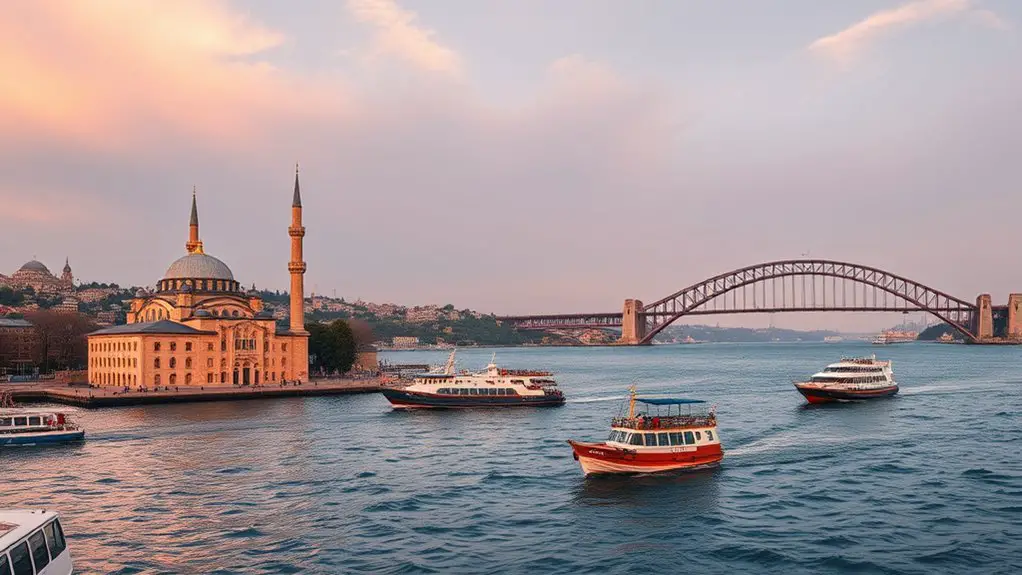
Ortaköy Pier is one of the most recognizable waterfront photography spots in Beşiktaş. From the surrounding public square and shoreline, you can combine the Bosphorus, passing ferries, Ortaköy Mosque, and the 15 July Martyrs Bridge in a single scene.
The neighborhood has long brought together religious buildings, waterfront commerce, restaurants, street-food stands, and ferry traffic. That mix gives photographers more than a static skyline. You can move from wide architectural views to candid scenes of commuters, food vendors, visitors, and boats within a small area.
Best Light and Shot Ideas
- Sunrise: Photograph soft light over the Asian side and reflections on the water before the square becomes busy.
- Late afternoon: Use warmer side light on the mosque, waterfront buildings, and people in the square.
- Blue hour: Balance the illuminated mosque and bridge against the deep-blue sky.
- Longer focal length: Compress ferries, the bridge, and distant waterfront buildings into layered compositions.
- Street details: Include kumpir stands, waffles, tea glasses, signs, and hands preparing food to show the neighborhood’s culinary character.
A wide-angle lens or a phone’s standard camera works well when you want the mosque, bridge, and water in one frame. A telephoto lens is more useful for isolating ferries, bridge traffic, and details on the opposite shore.
Pro Tip: Watch the ferry timetable and prepare your composition before a boat enters the frame. A ferry can add scale and movement, but do not stand in boarding lanes or block passengers. Check the current Şehir Hatları Ortaköy timetable before traveling.
The waterfront is lively, especially on weekends and around sunset. Keep bags closed, hold your camera strap securely, and ask before taking close-up photographs of vendors or identifiable strangers.
Maçka Democracy Park
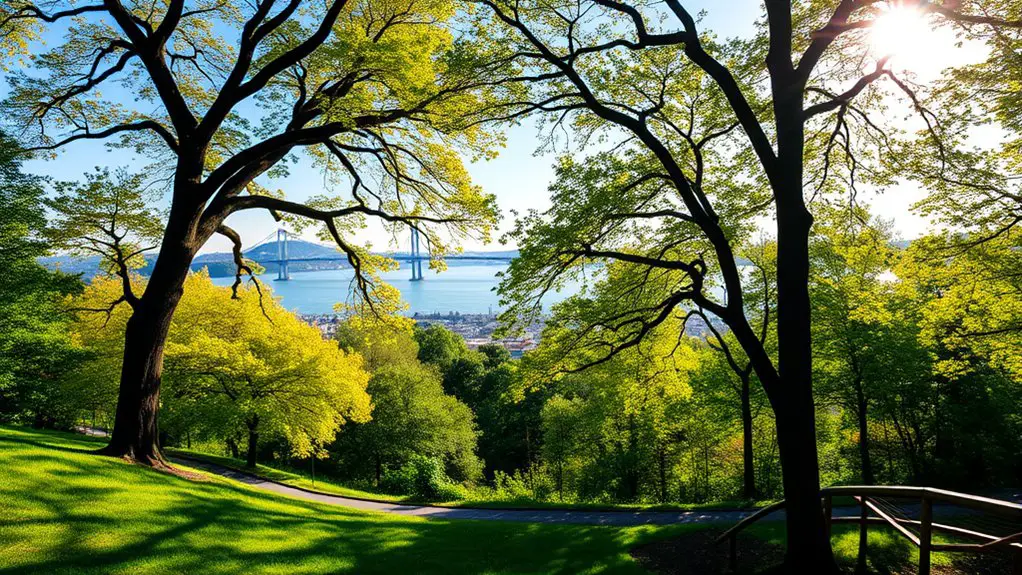
Maçka Democracy Park is often included in Beşiktaş itineraries because it sits just inland from the Kabataş and Dolmabahçe area. However, the park is officially in Şişli, so it should be treated as a nearby side trip rather than a viewpoint within Beşiktaş itself.
The park offers a calmer setting than the Bosphorus waterfront. Its sloping lawns, mature trees, flower beds, paths, stairs, and open spaces work well for portraits, nature details, picnics, and wider environmental photographs. The sound of leaves and birds can make it feel removed from the traffic below, even though it remains close to central Istanbul.
Best Light and Shot Ideas
- Early morning: Look for soft light filtering through the trees and fewer people on the paths.
- Overcast weather: Use the even light for portraits, flowers, tree bark, and saturated green tones.
- Backlighting: Position leaves or flowers between the camera and the sun to create a bright rim around them.
- Layered park scenes: Frame people walking beneath branches to show the scale of the trees.
- Cable-car photographs: Include the TF1 cabins above the park or ride the line for a brief elevated view.
The TF1 Maçka–Taşkışla cable-car line crosses the park area. Its published operating details can change, so check Metro İstanbul before relying on it for a timed shoot.
Concerts, art activities, and public gatherings sometimes take place in or around the park. When an event is scheduled, it can provide lively documentary photographs, but it may also bring crowds, temporary barriers, and restricted paths.
The terrain is uneven and includes slopes. Wear shoes with good grip, especially after rain. Some routes may be difficult for visitors with limited mobility, so review the most suitable entrance before arriving with heavy equipment.
Dolmabahçe Palace Gardens
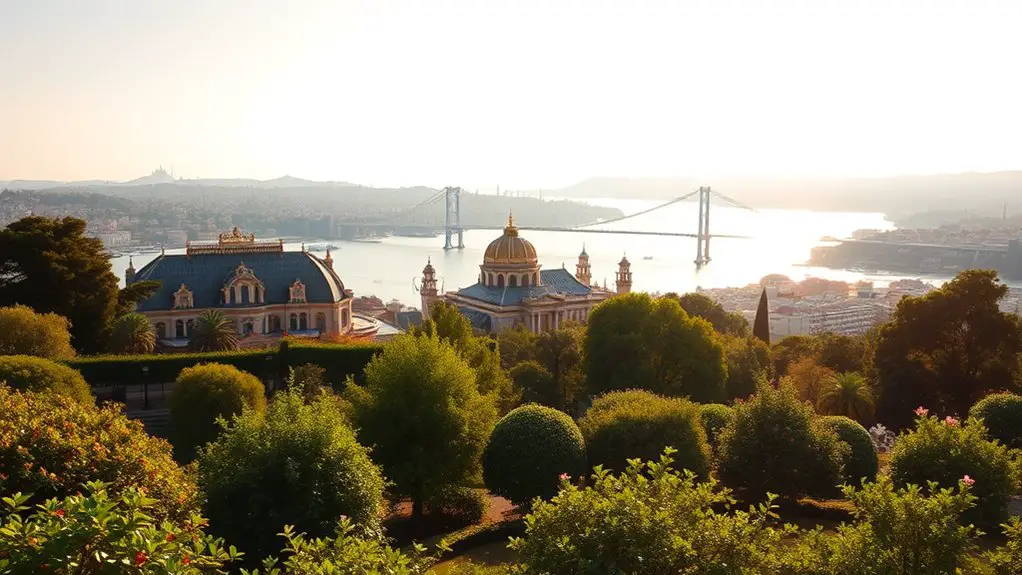
Dolmabahçe Palace combines formal gardens, waterfront architecture, decorative gates, fountains, trees, and the landmark clock tower. The balance between natural details and carefully designed architecture makes it one of Beşiktaş’s strongest locations for palace and garden photography.
Inside the complex, manicured lawns, seasonal flowers, tall trees, paths, and ornamental features provide a more formal visual style than Maçka Park. Look for symmetry, repeating windows, decorative ironwork, reflections, and frames created by gates or branches.
Best Light and Shot Ideas
- Clock tower: Photograph it from a lower angle to separate its details from surrounding buildings.
- Palace gates: Use the metalwork as a foreground frame for the Bosphorus or palace façade.
- Fountains and gardens: Look for reflections, leading paths, and balanced compositions.
- Seasonal details: Focus on spring blossoms, summer greenery, wet stone after rain, or warm autumn leaves.
- From the water: A ferry or Bosphorus boat provides a broad view of the palace’s waterfront façade that is difficult to capture from inside the grounds.
Dolmabahçe is not an unrestricted public garden. According to the official National Palaces listing, the palace is currently closed on Mondays, and its ticket offices are listed as operating from 09:00 to 17:00. Opening arrangements, holiday closures, ticket categories, and prices can change, so confirm them shortly before visiting.
Warning: Do not assume that tripods, lighting stands, fashion shoots, wedding photography, or other arranged sessions are permitted. Casual visitor photography and organized commercial or commemorative shoots may follow different rules. Review the current National Palaces photography information and follow instructions from staff.
For a free exterior photograph, work around the public Dolmabahçe and Kabataş approaches, where the clock tower and entrance details can be viewed without entering the full palace route. Remain outside controlled entrances and avoid photographing security procedures.
Beşiktaş Fish Market
Beşiktaş Fish Market is a strong location for street, food, architecture, and documentary photography. Instead of quiet scenery, it offers movement, conversation, changing light, reflective displays, handwritten signs, and the close visual rhythm of a neighborhood shopping area.
The current market structure was designed by Gökhan Avcıoğlu and GAD Architecture and completed in 2009. Its broad, shell-like concrete and steel canopy creates an open, column-free public space connected to the surrounding streets. The form itself is worth photographing, especially when people moving beneath it provide scale.
Best Light and Shot Ideas
- Wide establishing view: Include the canopy, stalls, shoppers, and adjoining streets.
- Fast action: Photograph hands weighing fish, arranging produce, exchanging money, or preparing orders.
- Color and texture: Look for ice, scales, signs, crates, lemons, metal counters, and reflections.
- Environmental portraits: Show a vendor within the stall rather than isolating only the face.
- Slow shutter: When you can stand safely, a slightly slower exposure can blur moving shoppers while keeping the market structure sharp.
For moving subjects, begin around 1/250 second or faster and raise the ISO when needed. A 35mm or 50mm-equivalent lens gives a natural street-photography perspective without forcing you too close to vendors or customers.
The market remains a working commercial space, not a staged attraction. Ask before taking close portraits, avoid flash directed at workers or displays, and never place equipment where it narrows the walkway. A friendly greeting and a brief gesture toward your camera are often more respectful than taking the photograph first.
Nearby fish restaurants and other eateries can complete the visit. Food on a table, steam, tea glasses, and restaurant signs can extend the visual story beyond the fresh seafood displays.
Çırağan Palace Kempinski Terraces
Çırağan Palace Kempinski stands directly beside the Bosphorus between central Beşiktaş and Ortaköy. Its Ottoman architecture, waterfront position, gardens, dining rooms, and terraces can provide polished photographs of the skyline and water.
However, the hotel’s terraces are private hospitality spaces rather than open public observation decks. Access normally depends on a hotel stay, restaurant reservation, event, or another approved visit. Visitors should not enter private gardens, dining terraces, or event areas simply to take photographs.
One example is Tuğra Restaurant, whose official page describes a Bosphorus-facing terrace and states that reservations are required. It also lists a smart-chic dress code. Other venues may have different hours, seasonal availability, age policies, minimum spending, or reservation rules.
Best Light and Shot Ideas
- Evening skyline: Photograph the transition from daylight to illuminated waterfront buildings.
- Palace details: Look for columns, arches, doors, stone textures, and symmetrical interior views where photography is allowed.
- Bosphorus layers: Use a longer focal length to place boats against the opposite shore.
- Dining details: Include table settings, drinks, or dishes only when photography will not disturb other guests.
- Exterior alternative: Photograph the palace from public areas along Çırağan Caddesi or from a boat for a complete waterfront view.
The setting blends history and luxury, but photography should remain secondary to the venue’s operation. Keep equipment compact, silence camera sounds where possible, avoid photographing other diners, and ask staff before using a tripod or taking an extended series of posed photographs.
Note: A reservation provides access to the booked venue, not automatically to every terrace, garden, palace room, or private event area within the hotel.
A Practical Half-Day Photography Route
The five locations are not positioned along one short, uninterrupted walking path. A sensible route combines walking with public transport and ends at Ortaköy when the waterfront light is strongest.
- Begin at Maçka Democracy Park. Photograph trees and quiet paths in the softer morning light. Use the TF1 cable car if it is operating and suits your route.
- Continue downhill toward Dolmabahçe. Photograph the clock tower and exterior details, then enter the palace only during official visiting hours if you have planned for admission.
- Move to Beşiktaş Fish Market. Use the busier middle part of the day for street scenes, vendors, signs, food, and architecture.
- Pass Çırağan Palace. Photograph the exterior from public space, or visit a reserved hotel venue if that is part of your plan.
- Finish at Ortaköy Pier. Work through golden hour and blue hour for the mosque, bridge, ferries, and Bosphorus lights.
Kabataş is a useful transport hub. The F1 Taksim–Kabataş funicular connects the waterfront with Taksim, while the T1 tram terminates at Kabataş. The tram does not continue to Ortaköy. From Kabataş or central Beşiktaş, use an appropriate IETT bus, ferry when scheduled, taxi, or a longer waterfront walk. Check the live IETT route search because road closures and route changes are common in central Istanbul.
For the widest variety of photographs, combine one quiet green location, one formal architectural site, one working market, and one Bosphorus waterfront scene rather than spending the entire session at a single viewpoint.
Camera Settings and Composition Tips
For Architecture and Gardens
- Use a low ISO when there is enough light.
- Try an aperture near f/8 for broad scenes with foreground and background detail.
- Keep the camera level to reduce leaning vertical lines.
- Step back before selecting an ultra-wide lens; getting too close can exaggerate palace walls and towers.
- Use gates, paths, trees, and railings as natural frames or leading lines.
For the Fish Market and Waterfront Action
- Start around 1/250 second for walking people and normal market activity.
- Use a faster shutter for birds, ferries, splashing water, or quick hand movements.
- Select continuous autofocus or subject tracking when available.
- Use burst mode briefly rather than recording long sequences that fill your memory card.
- Watch the edges of the frame for cut-off signs, unwanted faces, and distracting bright objects.
For Sunset and Blue Hour
- Expose for illuminated signs, lamps, and the sky so bright areas do not lose all detail.
- Use image stabilization or rest the camera securely when tripods are not allowed.
- Take several exposures as the balance between natural and artificial light changes quickly.
- Clean the lens frequently; Bosphorus spray, fingerprints, and fine moisture are especially visible around lights.
For Smartphone Photography
- Turn on the grid and keep the horizon level.
- Tap the brightest important area, then lower exposure slightly when the sky is washing out.
- Avoid heavy digital zoom. Move closer when safe or use the phone’s optical telephoto camera.
- Hold the phone with both hands and take several frames when photographing moving ferries or market activity.
Pro Tip: Carry one wide or standard lens and one small telephoto rather than a large bag of equipment. The market, ferry approaches, and waterfront can become crowded, and lighter gear makes it easier to move without blocking other people.
Accessibility, Restrooms, and Practical Planning
Conditions differ sharply among these locations. Ortaköy’s waterfront and Beşiktaş Fish Market are busy pedestrian areas, while Maçka includes slopes and uneven paths. Dolmabahçe follows a controlled visitor route, and Çırağan’s access depends on the hotel venue you have booked.
- Restrooms: Plan around ticketed attractions, transport hubs, restaurants, and cafés. Public availability, operating hours, maintenance, and customer-only policies can change.
- Weather: The Bosphorus can be windy even when inland streets feel calm. Carry a lens cloth and protect lightweight tripods or accessories.
- Rain: Wet pavement can add reflections, but stone paths, park slopes, and market entrances may become slippery.
- Crowds: Weekends, sunset, public holidays, football events, demonstrations, and major ceremonies can affect access and transport.
- Security: Keep camera bags closed and avoid leaving equipment on benches, restaurant chairs, or the ground.
- Portraits: Ask permission before making an identifiable close-up of a vendor, worker, child, diner, or private individual.
Frequently Asked Questions
What is the best time for photography in Beşiktaş?
Early morning is best for quieter parks, waterfront reflections, and fewer people. Late afternoon provides warmer light, while blue hour is especially effective at Ortaköy because the mosque, bridge, ferries, and waterfront lights become part of the composition. Dolmabahçe must be visited within its official opening schedule.
Are there entrance fees for these photography spots?
Ortaköy’s public waterfront, Beşiktaş Fish Market, and Maçka Democracy Park do not normally have a general admission gate. Dolmabahçe Palace is ticketed. Çırağan Palace Kempinski is private property, and terrace access usually requires a restaurant reservation, hotel stay, event invitation, or another approved visit. Check current prices and policies before traveling.
Can I find restrooms near these locations?
Restrooms are most dependable at ticketed attractions, transport hubs, restaurants, and cafés, although access may be limited to visitors or customers. Public restroom availability and maintenance can change. Use facilities when you find a suitable one instead of assuming the next outdoor location will have an open restroom.
Is public transportation available to the viewpoints?
Yes. Kabataş connects with the F1 funicular, T1 tram, buses, and water transport. The TF1 cable car serves Maçka and Taşkışla. Central Beşiktaş has buses and ferry services, while Ortaköy is reached by buses and selected ferry departures. The T1 tram stops at Kabataş and does not continue to Ortaköy, so check live IETT, Metro İstanbul, and Şehir Hatları information.
Are there nearby cafés or restaurants?
Yes. Ortaköy has many waterfront cafés, tea spots, street-food stands, and restaurants. Beşiktaş Fish Market is surrounded by casual eateries, while Çırağan Palace contains reservation-based restaurants and lounges. Business names, opening hours, and reservation policies change, so verify the current listing before making a café an essential part of your route.
Can I use a tripod or professional camera?
A handheld camera or phone is normally the least disruptive choice in public areas. Tripod, lighting, posed-shoot, and commercial-photography rules depend on the location. Ask staff at Dolmabahçe and Çırağan before setting up equipment. At the pier and fish market, never place a tripod where it blocks boarding lanes, stalls, emergency access, or pedestrian traffic.
Which Beşiktaş spot is best for sunset?
Ortaköy is the most flexible sunset location because it combines open water, ferries, the mosque, the bridge, food stands, and evening lights. A reserved Bosphorus-facing venue at Çırağan can provide a quieter luxury setting, while a boat offers broad views of both palaces and the European shoreline.
Conclusion
Beşiktaş works like a varied photographer’s palette, but each location adds a different kind of color. Ortaköy supplies the classic Bosphorus view, Maçka brings greenery, Dolmabahçe adds formal palace detail, the fish market captures daily life, and Çırağan offers a polished setting when you have approved access.
Plan around light, opening rules, crowds, and transport rather than trying to rush through every stop. Like the market vendors arranging a display or a fisherman choosing where to cast a net, stronger photographs come from watching the scene first and pressing the shutter only when the elements come together.
Sources
- National Palaces — Dolmabahçe Palace — official history, address, closed days, visiting hours, and ticket information.
- National Palaces — Filming and Photography — published conditions for arranged photography at National Palaces properties.
- Şehir Hatları — Ortaköy, Beşiktaş, and Eminönü Line — official ferry route and schedule information.
- Metro İstanbul — TF1 Maçka–Taşkışla Cable-Car Line — official stations, service details, and operating information.
- GAD Architecture — Beşiktaş Fish Market — primary project information about the market’s current structure and 2009 redesign.
- Çırağan Palace Kempinski — Tuğra Restaurant — official terrace, reservation, hours, and dress-code information.
