
Last Updated on July 28, 2026 by Daniel Globe
San Francisco is a year-round destination, but the experience changes sharply by season and neighborhood. A sunny afternoon in the Mission can happen while fog covers Ocean Beach and the Golden Gate Bridge. Choosing the right month therefore depends on whether you value warmer weather, spring flowers, major festivals, quieter attractions, or lower travel demand.
Quick Answer
The best time to visit San Francisco is usually September through October, when temperatures are often warmest and summer fog begins to ease. April and May are strong alternatives for flowers and mild weather. Summer brings major festivals but can feel chilly and foggy, while winter is wetter and often quieter.
Key Takeaways
- Best overall weather: September and October often have warmer afternoons and less persistent coastal fog.
- Best for flowers: Visit from late winter through April for magnolias, cherry blossoms, and other seasonal blooms.
- Best for major festivals: June through October has the busiest event calendar, including Pride, Outside Lands, and Fleet Week.
- Best for a quieter trip: January and February can bring fewer leisure travelers, but rain is more likely.
- Essential item: Pack layers in every month because wind, fog, and neighborhood temperatures can change quickly.
Disclosure: As an Amazon Associate I earn from qualifying purchases. Some links on this page are affiliate links, at no extra cost to you.
Best Time to Visit San Francisco at a Glance
At a Glance
| Best Overall | September through October for warmer afternoons and less persistent summer fog |
| Best for Flowers | February through April, depending on bloom conditions |
| Best for Festivals | June through October, with dates varying each year |
| Best for Smaller Crowds | January through early March, excluding holidays and major conventions |
| Wettest Period | November through March |
Note: San Francisco has strong microclimates. The western neighborhoods near the Pacific are usually cooler and foggier than the Mission, SoMa, Potrero Hill, and other areas east of the city’s central hills.
San Francisco Weather by Season
San Francisco has a mild Mediterranean climate with a cool, dry summer and a wetter winter. According to NOAA’s 1991–2020 downtown climate normals, average daytime highs range from about 58°F in winter to about 70°F in September.
San Francisco’s warmest-feeling period often arrives in September and October—not in the middle of summer—because coastal fog becomes less persistent.
Spring in San Francisco: Flowers and Mild Days
Spring brings longer days, declining rainfall, and colorful gardens. It is one of the best periods for walking through Golden Gate Park, visiting waterfront attractions, and exploring neighborhoods before the busiest summer travel period.
The San Francisco Botanical Garden is known for its large magnolia collection. Its most prominent magnolia bloom normally begins in winter and can continue into March. At the Japanese Tea Garden, cherry blossoms commonly appear from mid-March into early April, although exact timing changes with the weather. Visitors can check current bloom information through the Gardens of Golden Gate Park.
April also brings the Northern California Cherry Blossom Festival to Japantown. The celebration includes cultural performances, food, art, and a grand parade. Dates and street locations can change, so check the official festival schedule before making firm plans.
Spring afternoons are usually comfortable for picnics, cycling, nature walks, and outdoor sightseeing. Rain remains possible in March and April, but it becomes less common as May approaches.
Summer in San Francisco: Festivals, Fog, and Cool Nights
Summer is busy, festive, and surprisingly cool. Downtown normal highs are around 66–68°F from June through August, while nighttime temperatures are commonly in the 50s. Areas near Ocean Beach, Lands End, and the Golden Gate can feel colder because of fog and strong wind.
City Comes Alive
The summer calendar includes street fairs, outdoor concerts, neighborhood celebrations, and large cultural events. San Francisco Pride normally takes place during the final weekend of June, with the parade traditionally held on Sunday. Travelers should confirm the current schedule on the official San Francisco Pride website.
The Fillmore Jazz Festival is another major summer event, usually held around the Fourth of July weekend. It fills several blocks of the Fillmore District with free performances, vendors, and community programming.
Outside Lands Festival
Outside Lands is a three-day music, food, art, and culture festival held in Golden Gate Park, usually in August. It attracts large crowds and can increase demand for hotels and transportation near the park. The official Outside Lands website publishes the current dates, ticket rules, lineup, and transportation guidance.
Summer Nights
Evenings can be cold enough for a jacket, especially near the waterfront and Pacific Ocean. Ocean Beach is scenic at sunset, but swimming conditions can be dangerous because of cold water, rip currents, and powerful surf. Enjoy the view from shore and follow posted warnings.
Pro Tip: Schedule Golden Gate Bridge viewpoints for late morning or early afternoon. Coastal fog frequently returns later in the day, although conditions can change without warning.
Fall in San Francisco: Warm Weather and Major Events
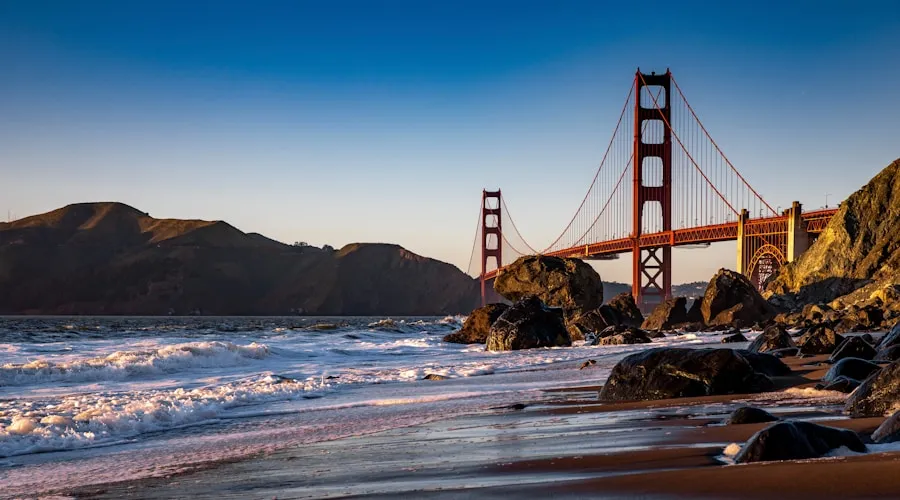
September and early October are often the best months for pleasant weather. Downtown normal highs are close to 70°F, rainfall is usually limited, and coastal fog is often less persistent than it is in midsummer.
San Francisco does not have the same widespread fall foliage found in colder regions, but deciduous trees can still add patches of red, orange, and yellow to parks and residential streets. The display varies by location and year.
Fall also has a strong festival calendar. Hardly Strictly Bluegrass is a free music festival traditionally held in Golden Gate Park in early October. Fleet Week normally follows later in the month with ship tours, waterfront events, and an air show. Both can draw very large crowds, so visitors should check the Hardly Strictly Bluegrass and San Francisco Fleet Week websites before booking.
The Italian Heritage Parade, neighborhood Halloween events, and fall dining promotions add more reasons to visit. The Golden Gate Restaurant Association may schedule a fall Restaurant Week, but the dates and participating restaurants change each year.
Winter in San Francisco: Rain and Holiday Events
Winter is mild compared with much of the United States, but it is San Francisco’s wettest season. Storms tend to arrive in periods, leaving clear days between them. Snow in the city is extremely rare.
| Winter Month | Normal High | Normal Low | Normal Rainfall |
| December | 57.9°F | 47.0°F | 4.76 inches |
| January | 57.8°F | 46.6°F | 4.40 inches |
| February | 60.4°F | 47.9°F | 4.37 inches |
Union Square usually features holiday decorations and seasonal activities, while the San Francisco Ballet’s production of The Nutcracker is a long-running local tradition. Lunar New Year celebrations take place in January or February, depending on the lunar calendar, and may include a large parade and community events in Chinatown.
Winter can be a good time for museums, restaurants, theater, and less crowded neighborhood walks. Keep indoor alternatives in your itinerary in case a Pacific storm arrives.
Month-by-Month San Francisco Highlights
San Francisco in January: A Quieter Start to the Year
January often feels calmer after the holiday season. It can be a good month for museums, historic sites, indoor attractions, and flexible sightseeing. Rain is more likely than in summer, but dry and bright days still occur between storm systems.
Alcatraz Island and Fisherman’s Wharf may feel less congested on some weekdays, but popular ferry departures can still sell out. The National Park Service recommends buying tickets through the official concessioner in advance.
Lands End is rewarding on a clear day, with coastal views and access to several trails. Muir Woods is another winter option, but visitors driving or using the shuttle must make a reservation through the authorized system. Review the National Park Service planning guidance before leaving the city.
San Francisco Restaurant Week is not a standard January event. The official organizer has recently scheduled its major promotions during spring and fall instead.
San Francisco in April: Cherry Blossoms and Outdoor Activities
April is one of the best months for gardens and neighborhood walks. Cherry blossoms may still be visible in the Japanese Tea Garden and Japantown, although the exact bloom window depends on temperature, wind, and rain.
The Northern California Cherry Blossom Festival usually takes place over two April weekends. Cultural performances, food stalls, art, and the grand parade can make Japantown very busy, so public transportation is often easier than driving.
Golden Gate Park is well suited to cycling, picnics, garden visits, and guided walks. Crissy Field and the Embarcadero are also pleasant when the wind is light. Spring Restaurant Week may provide prix-fixe menus at participating restaurants, but travelers should verify the current dates and reservation rules.
San Francisco in July: Independence Day and Jazz
July has a busy calendar, but visitors should not expect hot summer weather. Fog and wind can make the waterfront feel cold even when inland parts of the Bay Area are hot.
Fourth of July celebrations normally include an official fireworks display near the northern waterfront. Launch locations, road closures, and viewing guidance can change from year to year. Check the current listing on SF.gov before choosing a viewing location.
Warning: Fog can partly or completely hide waterfront fireworks. Do not enter restricted shoreline areas or climb barriers in search of a clearer view.
The Fillmore Jazz Festival is commonly held around the Independence Day weekend and features free performances along Fillmore Street. San Francisco Pride, however, takes place in late June rather than July.
San Francisco in October: Warm Days and Halloween Events
October combines some of the city’s best weather with one of its busiest event calendars. Early October can still bring mild, sunny afternoons, although rain becomes more likely later in the month.
Hardly Strictly Bluegrass and Fleet Week can fill parks, waterfront areas, transit vehicles, and nearby hotels. Travelers who are not attending these events should still review the schedule because street closures and crowds may affect sightseeing plans.
Note: Most full-size pumpkin patches are outside central San Francisco. Verify the location, dates, admission rules, and transportation before planning a family pumpkin-picking trip.
Within the city, families can look for museum programs, neighborhood costume events, decorated homes, and seasonal activities at parks or shopping districts. North Beach and other historic areas also offer evening ghost tours, but tour quality and age suitability vary.
How to Choose the Best Season for Your Trip
Choose September or October for the Best Overall Weather
Early fall usually offers the best balance of warmer afternoons, reduced summer fog, and outdoor conditions. It is a strong choice for bridge views, waterfront walks, neighborhood dining, and day trips.
Choose Spring for Gardens and Comfortable Walking
March through May is ideal for travelers interested in flowers, parks, and long sightseeing days. April is especially appealing, but festival weekends can raise demand around Japantown.
Choose Summer for Music and Cultural Festivals
June through August has many high-profile events. Book early if your dates overlap Pride, Outside Lands, a major convention, or a holiday weekend. Bring warmer clothes than you would normally pack for a summer trip.
Choose Winter for Museums and a Flexible Schedule
December through February works well for travelers who do not mind rain and can move outdoor plans around the forecast. Holiday weeks and Lunar New Year events can still produce heavy demand.
What to Pack for San Francisco
- Light insulated layer: A sweater, fleece, or packable jacket is useful in every month.
- Wind-resistant outer layer: Coastal wind can make mild temperatures feel much colder.
- Comfortable walking shoes: Hills, stairs, and uneven sidewalks are common.
- Compact rain protection: Bring a waterproof shell or small umbrella during the wet season.
- Sun protection: Use sunscreen even on cool or partly cloudy days.
- Reusable water bottle: Walking routes can involve long hills and exposed waterfront paths.
Travelers interested in wildlife, ships, bridge details, or distant coastal views may also find compact binoculars for hiking useful. Choose a lightweight pair that fits securely in a day bag and avoid blocking paths while stopping to use them.
Pro Tip: Carry one extra layer even when the morning is sunny. The temperature can drop quickly when wind or fog reaches the waterfront.
Plan Ahead for Events and Popular Attractions
Annual festivals may change dates, locations, admission rules, and security policies. Check the organizer’s official website shortly before your visit rather than relying on a previous year’s calendar.
Reserve high-demand attractions early. Alcatraz ferry tickets frequently sell out, and Muir Woods requires parking or shuttle reservations. Large events can also affect Muni routes, road access, parking, and hotel availability.
For outdoor plans, review the daily forecast for the specific neighborhood rather than using only an airport forecast. Conditions at San Francisco International Airport may differ from those at Ocean Beach, downtown, or the Golden Gate Bridge.
Frequently Asked Questions
What is the best time of year to visit San Francisco?
September and October are usually the best overall months because afternoons are often warmer and summer fog is less persistent. April and May are excellent alternatives for flowers, mild temperatures, and outdoor sightseeing.
When is the peak tourist season in San Francisco?
Demand is often high from June through August and during major festivals, holidays, and conventions. September and October can also be busy because many travelers prefer the warmer early-fall weather.
What is San Francisco weather like throughout the year?
The climate is mild. Downtown normal highs range from about 58°F in winter to about 70°F in September. Summer is generally dry but can be foggy and windy, while most rain falls from November through March.
Is San Francisco cold during summer?
It can feel cold, particularly near the Pacific Ocean, Golden Gate Bridge, and waterfront. Summer highs are commonly in the 60s, and fog or strong wind can make evenings feel much cooler.
When is San Francisco foggiest?
Coastal fog is most common during summer, especially from June through August. It often affects western neighborhoods and the Golden Gate more than sunnier eastern areas such as the Mission and SoMa.
Which major events should I consider when planning a trip?
Major events include the Northern California Cherry Blossom Festival in April, San Francisco Pride in June, Outside Lands in August, and Hardly Strictly Bluegrass and Fleet Week in October. Always verify the current year’s dates.
What are the best outdoor activities in spring and fall?
Good choices include walking Lands End, cycling across the Golden Gate Bridge, visiting Golden Gate Park, exploring Crissy Field, hiking in the Marin Headlands, and taking a reserved trip to Muir Woods.
Sources
- NOAA National Centers for Environmental Information — San Francisco’s 1991–2020 temperature and rainfall normals, fog patterns, and seasonal climate.
- San Francisco Travel: What to Pack — year-round layering and summer fog guidance.
- Gardens of Golden Gate Park — Botanical Garden, Japanese Tea Garden, magnolia, and cherry-blossom information.
- Northern California Cherry Blossom Festival — official festival dates and cultural programming.
- Outside Lands — official festival schedule, visitor information, and transportation details.
- Golden Gate Restaurant Association — current San Francisco Restaurant Week and dining-event dates.

