
Last Updated on July 28, 2026 by Daniel Globe
Choosing the best time to visit Chile and Argentina depends more on your route than on the countries themselves. Patagonia, the Atacama Desert, Buenos Aires, Iguazú, Mendoza, and the Chilean wine valleys all follow different weather and tourism patterns. The right month can bring open hiking trails, comfortable city weather, active wildlife, harvest celebrations, and easier reservations.
Quick Answer
October through November and March through April are the best overall periods for a combined Chile and Argentina trip. Choose December through February for Patagonia, April through June for the Atacama, February through April for wine harvests, and June through September for skiing. The ideal month depends on your regions and activities.
Key Takeaways
- For a varied two-country itinerary, spring and fall usually provide the best balance of weather, crowds, and prices.
- Patagonia is easiest to explore from November through March, with the largest crowds in January and February.
- April through June offers comfortable days, cool nights, and lighter crowds around San Pedro de Atacama.
- Wine travelers should consider February through April, when harvest events take place in Mendoza and central Chile.
- Wildlife and ski trips follow separate calendars, so summer is not automatically the best season.
What’s in This Article
Disclosure: As an Amazon Associate I earn from qualifying purchases. Some links on this page are affiliate links, at no extra cost to you.
How the Seasons Work in Chile and Argentina
Chile and Argentina are in the Southern Hemisphere, so their seasons are opposite those in the United States, Canada, and Europe. Summer runs from December through February, fall from March through May, winter from June through August, and spring from September through November.
Those labels only tell part of the story. Central Chile has a Mediterranean pattern with warm, dry summers and cooler, wetter winters. Buenos Aires and northeastern Argentina can be hot, humid, and stormy in summer. Patagonia stays much cooler and windier, while high-elevation areas of the Atacama and Andes can have freezing nights in any season.
The northern Chilean Altiplano may also receive summer storms. That means a dry January in Santiago does not guarantee dry weather at a high-altitude lagoon near the Bolivian border. Review regional forecasts instead of relying on a single national weather summary. Chile’s official tourism site provides a useful overview of the country’s regional climate patterns.
The best month depends more on your route than on the name of the country.
Best Time to Visit by Region and Travel Goal
| Region or Goal | Best Time | What to Expect |
|---|---|---|
| Patagonia and Torres del Paine | November–March | Longer days and the widest trail access. January and February are busiest; November and March are quieter. |
| Santiago and Buenos Aires | September–November or March–May | Milder sightseeing weather than midsummer, with active parks, cafés, and cultural schedules. |
| San Pedro de Atacama | April–June | Pleasant daytime conditions, cold nights, fewer visitors, and less extreme heat than midsummer. |
| Mendoza and Chilean wine valleys | February–April | Grape harvests, vineyard activity, local festivals, and warm days. Event dates vary by year and valley. |
| Lake districts and Bariloche | December–March or June–September | Choose summer for hiking, kayaking, and road trips; choose winter for snow and skiing. |
| Iguazú and northeastern Argentina | March–May or September–October | More comfortable trail weather than the hottest, most humid part of summer. |
| Andes ski resorts | June–September | The main ski period, although opening and closing dates depend on snowfall and resort conditions. |
| Península Valdés whale watching | June–early December | Southern right whales visit the coast, with especially strong activity and concentrations in September and October. |
Note: A trip covering Buenos Aires, Santiago, wine regions, and Patagonia involves several climate zones. Pack for the coldest and windiest stop rather than the warmest city on your route.
Peak Tourist Seasons
Summer is the main high season in southern Chile and Argentina. Families and international visitors arrive for long daylight hours, road trips, cruises, glacier tours, and hiking. Demand is strongest from late December through February, particularly around Torres del Paine, El Chaltén, El Calafate, Bariloche, and popular lake districts.
November and March are often better choices for travelers who want Patagonia without the largest summer crowds. Conditions can still change quickly, but many services remain available and daylight is sufficient for outdoor plans.
A second high season appears around Andean ski areas during winter. Resorts near Santiago, Mendoza, Bariloche, and Ushuaia become busy from June through August, especially during school holidays. Snow seasons are weather-dependent, so check resort reports before purchasing nonrefundable transport or lodging.
The Atacama follows a different pattern. It can be visited throughout the year, but summer attracts strong demand and may bring high-altitude cloud or storm activity. April through June offers a useful combination of comfortable daytime temperatures, cool nights, and lighter visitor numbers.
Outdoor Activities
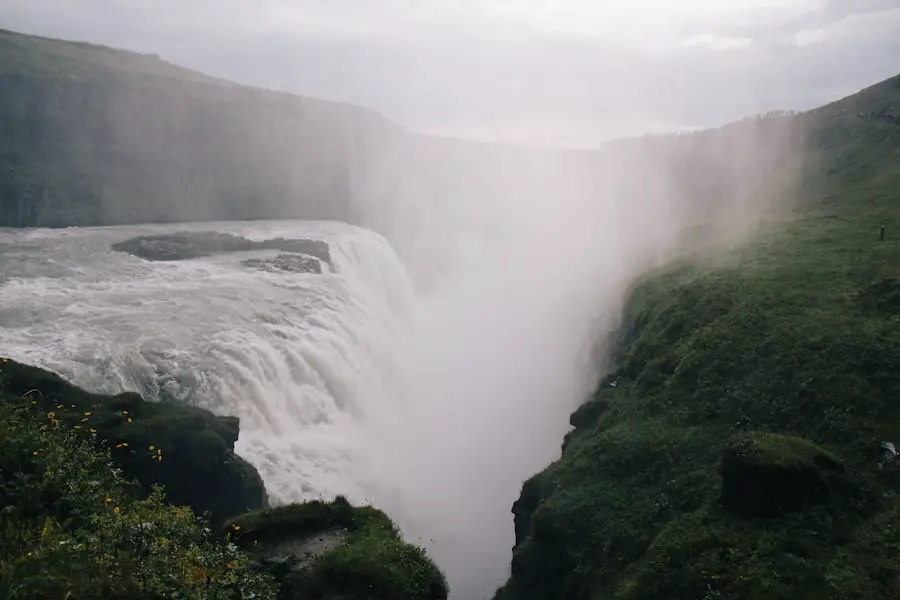
Patagonia offers everything from short glacier viewpoints to demanding multi-day routes. Summer provides the widest access, but wind, rain, sleet, and sudden temperature drops remain possible even on a sunny morning.
For Chile’s W Trek and O Circuit, confirmed accommodation at authorized refugios or campgrounds is required. The official Torres del Paine reservation guidance also directs visitors to buy park admission in advance. Reserve mountain lodging as soon as your travel dates are firm because capacity is limited.
Across the border, the Perito Moreno Glacier can be visited throughout the year, although spring and summer offer milder conditions and more activity options. The Argentine Lake District is also best suited to hiking, sailing, cycling, kayaking, and fly fishing between December and March.
In the Atacama, popular activities include stargazing, salt-flat visits, geothermal fields, and high-altitude lagoons. Cold nighttime temperatures and high elevation matter more than the season alone. Some excursions climb well above 13,000 feet, so a warm layer and a gradual itinerary are essential.
Pro Tip: Build one flexible day into a Patagonia itinerary. Strong winds, snow, wildfire restrictions, ferry changes, or temporary trail closures can disrupt even a carefully planned summer schedule.
Cultural Events and Festivals
| Event | Location | Typical Timing | Planning Note |
|---|---|---|---|
| New Year on the Coast | Valparaíso and Viña del Mar, Chile | December 31 | Large coastal celebrations may include fireworks and concerts. Verify the annual program and transportation plan. |
| Argentine Carnival | Buenos Aires, Gualeguaychú, Corrientes, Jujuy, and other cities | January–March | Parade dates vary by city. February is usually the busiest month. |
| National Grape Harvest Festival | Mendoza, Argentina | Late February–early March | Main performances and parades can sell out. Check that year’s official schedule. |
| Chilean Vendimias | Colchagua, Curicó, Casablanca, and other wine valleys | February–May | Each valley publishes its own dates, tastings, performances, and transport arrangements. |
| Fiestas Patrias | Across Chile | September 18–19 | Expect food, music, dancing, domestic travel demand, and some altered business hours. |
These events provide a stronger connection to local culture than a standard sightseeing schedule. They can also raise lodging prices and change transportation availability, so confirm dates before building the rest of your itinerary around a festival.
Wildlife Viewing
Wildlife seasons do not match the summer hiking calendar. On Argentina’s Península Valdés, the official southern right whale season generally runs from June into early December. September and October often bring the greatest concentration and visible activity, including mothers with calves.
Conditions vary across the peninsula, and sightings are never guaranteed. Boat departures depend on wind and sea conditions, while shore-based viewing changes with tides and animal movement. Use licensed operators and follow distance rules around marine mammals.
Patagonia also supports guanacos, rheas, condors, foxes, pumas, seabirds, and seasonal penguin colonies. A specialist guide can improve the chance of seeing wildlife without approaching, feeding, calling, or disturbing it.
Note: Choose the trip month around the animal you most want to see. A February Patagonia hike and a September whale-watching trip are both excellent, but they serve different goals.
Budget Considerations
Late December through February usually brings the highest accommodation demand in Patagonia and popular coastal areas. Winter ski destinations can also become expensive during school holidays. Flights, rental cars, guided treks, and remote lodges may sell out before ordinary city hotels.
November, March, and April often provide better value for travelers who can accept cooler evenings and less predictable weather. In cities such as Buenos Aires and Santiago, these shoulder months may also be more comfortable for walking than midsummer.
Hostels, guesthouses, apartments, public transportation, local lunch menus, and self-guided city attractions can reduce daily costs. Remote destinations work differently: transfers, park admission, guided excursions, and limited food options can make Patagonia or the high Andes more expensive than a city stay.
Pro Tip: Reserve the least flexible part of the trip first. For Patagonia, that is often a trek, remote lodge, ferry, or rental car. City accommodation can usually be arranged around those fixed dates.
Local Cuisine and Wine Tasting
Argentina’s asado culture, Mendoza wineries, Buenos Aires restaurants, Chilean seafood, empanadas, Andean stews, and coastal markets can be enjoyed throughout the year. Harvest season adds another layer for travelers interested in wine production and local festivals.
Mendoza is especially lively from February through March as grapes are harvested and the National Grape Harvest Festival approaches. Vineyards continue to offer tastings outside harvest season, so travelers seeking quieter appointments may prefer spring or late fall.
In Chile, harvest celebrations take place across valleys such as Colchagua, Curicó, Casablanca, and Aconcagua from late summer into fall. Dates differ by valley and year. Book vineyard appointments in advance and use a driver, organized tour, or other alcohol-free transportation plan.
Season also affects food experiences outside wine country. Summer favors coastal dining and outdoor markets, while colder months bring hearty Patagonian lamb, stews, mountain cooking, and indoor tasting menus into sharper focus.
Safety and Travel Tips
Weather and terrain create some of the most important travel risks in Chile and Argentina. Patagonia can shift from sunshine to strong wind, rain, or sleet within hours. High desert excursions expose travelers to intense sun, dry air, cold nights, and elevations that may exceed 13,000 feet.
Warning: Do not travel directly from sea level to a strenuous high-altitude activity. Above 3,000 meters, increase sleeping elevation gradually, schedule acclimatization time, and descend if severe headache, confusion, breathing difficulty at rest, or loss of coordination develops.
The CDC’s high-altitude guidance recommends gradual ascent and limiting increases in sleeping altitude once travelers are above 3,000 meters. Avoid heavy exertion and alcohol during the first part of an abrupt high-altitude stay.
In urban areas, keep phones and wallets secure, use reputable transportation, and avoid displaying valuables in crowded terminals or nightlife districts. Review current government advisories before departure because demonstrations, health notices, border conditions, and local risks can change.
Chile uses 131 for ambulances, 132 for fire services, and 133 for police. Argentina’s national emergency number is 911. Save the number for your travel insurer and the address of your nearest embassy or consulate before visiting remote areas.
Entry rules depend on your passport, trip length, and purpose of travel. Check both countries’ official requirements before departure, especially when crossing by land through the Andes. Winter snow, high winds, wildfires, strikes, or road repairs can temporarily close mountain passes.
For outdoor travel, carry layers, sun protection, water, offline maps, and enough food for delays. Follow park instructions, declared fire restrictions, trail closure notices, and all directions from rangers or local emergency officials.
Frequently Asked Questions
What is the best overall time to visit Chile and Argentina?
October through November and March through April offer the best overall balance for a mixed itinerary. These shoulder periods suit city sightseeing, wine regions, and many outdoor areas while avoiding the largest midsummer crowds. Choose December through February when Patagonia is the main priority.
When is the best time to visit Patagonia?
Visit from November through March for longer daylight, milder temperatures, and the widest trail and tour availability. January and February are the busiest months. November and March can offer fewer crowds, although wind and sudden weather changes remain possible.
Is summer the driest season everywhere in Chile and Argentina?
No. Central Chile usually has warm, dry summers, but Buenos Aires and northeastern Argentina can be humid and stormy. The northern Chilean Altiplano may also receive summer rainfall. Always check the forecast for each region on your route.
When should I visit the Atacama Desert?
April through June is a strong window for San Pedro de Atacama because days are generally comfortable, nights are cool, and visitor numbers are lower than in summer. High-altitude locations remain cold after sunset, so pack warm layers in every season.
What is the best time for wine tasting and harvest festivals?
February through April is the main harvest period. Mendoza’s largest celebrations usually occur around late February and early March, while Chilean wine-valley festivals take place from February into May. Exact dates change each year.
When is whale-watching season in Argentina?
Southern right whales are generally present around Península Valdés from June into early December. September and October often have the largest concentrations and active behavior, but sightings and boat departures still depend on natural and weather conditions.
When is ski season in Chile and Argentina?
The main ski season generally runs from June through September. July and August are usually busiest. Opening dates, terrain availability, and closing dates depend on snowfall, so check individual resort reports before booking.
How early should I book a summer Patagonia trip?
Book limited-capacity treks, remote lodging, ferries, and rental vehicles as soon as your dates are fixed. Torres del Paine’s W and O routes require confirmed authorized accommodation, so secure those reservations before arranging flexible city stays.
Sources
- Chile Travel — Climate and Weather — regional climate patterns and seasons in Chile.
- Visit Argentina — About Argentina — seasonal recommendations for Patagonia, cities, beaches, glaciers, and wine regions.
- Torres del Paine National Park — Reservation Systems — park entry and mandatory W/O accommodation requirements.
- Visit Argentina — Southern Right Whale Season — official timing for whale watching around Península Valdés.
- CDC Yellow Book — High-Altitude Travel — acclimatization and altitude-illness prevention guidance.
- U.S. Department of State — Chile and Argentina Travel Advisories — current safety, health, and entry guidance.

