
Last Updated on September 10, 2026 by Daniel Globe
Southeast Asia offers tropical beaches, mountain trails, historic cities, and some of the world’s most exciting food. However, the region is too large and varied to have one perfect travel season. The best time to visit Southeast Asia depends on the country, coast, altitude, activities, and whether you prefer dry weather, lower prices, or fewer crowds.
Quick Answer
The best time to visit much of mainland Southeast Asia is November through February, when conditions are often drier and less humid. However, there is no single regional best season. Indonesia is often driest from April through October, Vietnam varies by region, and Malaysia’s two coasts have different monsoons.
Key Takeaways
- November through February is a comfortable period for much of Thailand, Laos, Cambodia, and mainland Myanmar.
- Vietnam has different weather in the north, center, and south, so there is no single best month for the entire country.
- Java and Bali are commonly driest from April through October, which is almost the reverse of the mainland pattern.
- Malaysia’s east and west coasts have different rainy periods.
- Festival dates, hotel prices, tropical storms, smoke, and ferry schedules should be checked before booking.
Disclosure: As an Amazon Associate I earn from qualifying purchases. Some links on this page are affiliate links, at no extra cost to you.
What Is the Weather Like in Southeast Asia?
Southeast Asia stays warm for most of the year, but it does not have one shared dry, rainy, and cool season. Monsoon winds, mountains, coastlines, and distance from the equator create several different weather patterns.
- Mainland dry or cooler season: November through February is often drier and more comfortable in Thailand, Laos, Cambodia, and parts of Myanmar.
- Mainland hot season: March through May can be very hot, especially in inland cities and temple areas.
- Mainland rainy season: Rain becomes more common from roughly May through October, although showers may be short and local.
- Maritime dry season: Much of Java and Bali is commonly driest from April through October.
- Highland conditions: Northern mountains and elevated places such as the Cameron Highlands can be much cooler than nearby lowlands.
Note: A rainy-season forecast does not always mean nonstop rain. Many tropical destinations receive an intense afternoon or evening shower followed by clearer conditions. Severe monsoon periods can still cause flooding, rough seas, landslides, and transport delays.
Best Time to Visit Southeast Asia by Country
| Country | Typical Best Window | Important Exception |
|---|---|---|
| Thailand | November–February for much of the north, center, and Andaman coast | The Gulf coast often has a later wet period, especially around October–December. |
| Vietnam | March–May is often a useful countrywide compromise | Northern, central, and southern Vietnam have different rainy and dry periods. |
| Cambodia | November–February | March and April are usually much hotter; wet-season flooding can affect some routes. |
| Laos | November–February | March and April can be hot, and seasonal smoke may reduce air quality in northern areas. |
| Malaysia | December–April for many west-coast trips; March–September for much of the east coast | Borneo and inland areas receive rain throughout the year, and local patterns vary. |
| Singapore | Year-round | Rain is possible in every month, with wetter and drier phases within the monsoon cycle. |
| Indonesia | April–October for Java, Bali, and many nearby islands | Raja Ampat and parts of eastern Indonesia can follow different wind and sea patterns. |
| Philippines | December–May for many destinations | Tropical cyclones can occur throughout the year but are most common from May–November, with a peak around July–October. |
| Brunei | Year-round with careful forecast checking | The country is hot and wet throughout the year, with monsoon and transitional periods. |
| Myanmar | November–February for cooler, drier weather | Check current government travel advisories and local conditions before making plans. |
| Timor-Leste | May–November | The wet season generally runs from December through April. |
Thailand
For Bangkok, Chiang Mai, Ayutthaya, and much of central or northern Thailand, November through February usually brings more comfortable conditions. This is also peak season, so major attractions and beach resorts can be busy.
Southern Thailand needs closer planning. The Andaman side, including Phuket and Krabi, often has its most settled weather during the northern winter. Gulf destinations such as Koh Samui can receive their heaviest rain later in the year.
Vietnam
Vietnam does not have one nationwide best season. Hanoi and northern Vietnam can be cool from November through February, while April–June and September–December are often useful periods for northern trips. Central destinations such as Hoi An and Hue are often more favorable from February through August. Southern Vietnam, including Ho Chi Minh City and the Mekong Delta, is commonly drier from December through April.
Vietnam’s official weather guide provides destination-specific conditions that are more useful than a single national calendar.
Best Times for Outdoor Activities
Hiking
Hiking is often most comfortable during cooler or drier months. November through February suits many trails in northern Thailand and Laos. For Indonesia and Timor-Leste, the middle of the year may provide drier trail conditions.
Mountain weather can change quickly. Trails may become slippery or inaccessible after heavy rain, and seasonal smoke can reduce visibility in parts of northern Thailand, Laos, and neighboring areas during the late dry season.
Diving and Snorkeling
Diving conditions depend on the individual coast and marine park:
- Similan Islands, Thailand: Conditions are often favorable from roughly November through April, but marine-park opening dates can change.
- Raja Ampat, Indonesia: October through April is often popular because many areas experience calmer seas.
- Bali and Komodo: April through November can offer favorable conditions, although currents, water temperature, and visibility vary by site.
- Philippines: The best window depends on the island, wind exposure, and tropical-storm activity.
Pro Tip: Check recent sea conditions with a licensed local dive operator. A month that is normally dry can still bring strong currents, poor visibility, or rough boat crossings.
Beach Trips
For the best chance of calm beach weather, match the trip to the correct coast. Thailand’s Andaman and Gulf coasts do not share the same rainy season, and Malaysia’s east-coast islands are affected strongly by the northeast monsoon. Bali and much of Java are commonly driest during the middle of the year.
Big Festivals by Month
Festivals can make a trip more memorable, but they can also increase hotel prices, traffic, and crowds. Many religious festivals follow lunar calendars, so their Gregorian dates change each year.
| Typical Timing | Event | Countries | Planning Note |
|---|---|---|---|
| January or February | Thaipusam | Malaysia, Singapore | The date follows the Tamil calendar and can fall in either month. |
| January or February | Lunar New Year | Vietnam, Singapore, Malaysia | Vietnamese Tet can affect opening hours and domestic transportation. |
| April | Songkran and traditional New Year celebrations | Thailand, Laos, Cambodia | Expect water celebrations, busy transport, road closures, and high demand. |
| April–June | Vesak Day | Thailand, Indonesia, Singapore, Malaysia and others | The date varies according to national and religious calendars. |
| June–July | Bali Arts Festival | Indonesia | The month-long event usually spans parts of June and July; exact dates change annually. |
| August or September | Hungry Ghost Festival | Singapore, Malaysia | Timing follows the lunar calendar. |
| September or October | Oktoberfest-style events | Singapore | Schedules, venues, and event names vary; confirm the current calendar before booking. |
| Usually November | Loi Krathong | Thailand | The date is based on the Thai lunar calendar and can vary. |
| December | Christmas | Philippines, Singapore | Expect decorations, celebrations, holiday traffic, and higher demand in popular destinations. |
Going to one of these events can make your trip even better, but reserve transportation and accommodation early for major holidays.
Best Time to Save Money
March–May and September–October can bring lower prices in some destinations, but they are not reliable region-wide shoulder seasons. March and April can be extremely hot on the mainland, while September and October may still be wet in Thailand, Cambodia, Laos, and parts of Vietnam.
Wet-season trips can provide lower room rates, greener scenery, and fewer visitors. However, savings are not guaranteed during school holidays, major festivals, conferences, or popular island events.
Pro Tip: Compare refundable hotel rates and flexible flights instead of choosing the cheapest nonrefundable booking. A small price difference can be worthwhile when storms or ferry cancellations force a route change.
Products Worth Considering
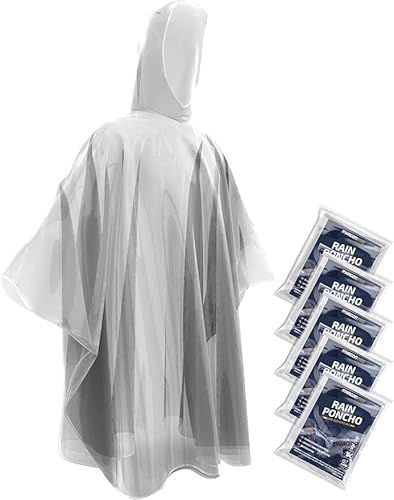
Reliable Rain Protection On-the-Go: Stay dry and confident during sudden downpours with Hagon PRO disposable rain ponchos, offering full-length 48" x 40" coverage and a secure hood for complete weather protection. Perfect for commuters, festival-goers, emergency kits and preparedness kits, these transparent rain coats keep you ready for anything

【Affordable Pack of 4】Enjoy great value with this 4-pack of disposable rain ponchos. Each poncho is individually packaged, providing practical and cost-effective protection from the rain. Perfect for stocking up or sharing with friends and family.
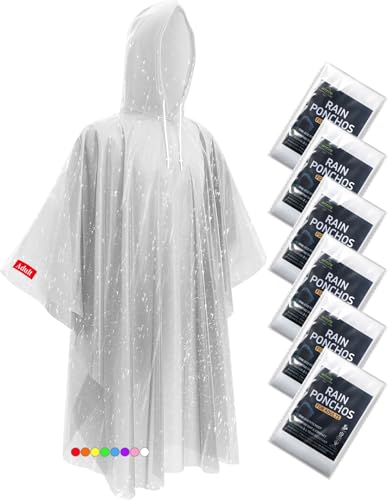
Be Ready for the Unexpected – Whether you're heading to concerts, theme parks, camping trips, or sports games, or stocking your Home Emergency Survival Kits, our disposable rain ponchos for adults keep you dry when the weather changes fast. Each pack includes individually wrapped ponchos for easy grab-and-go convenience
Weather Tips by Place
- Southern Thailand stays hot throughout the year, but its two coasts receive their heaviest rain at different times.
- Northern Thailand can become cool in December and January, especially at night or at higher elevations.
- Indonesia varies greatly by island. Java and Bali are commonly driest from April through October, while some eastern destinations follow different sea and wind patterns.
- Vietnam should be planned by region. Hanoi, Hoi An, and the Mekong Delta do not share the same best travel months.
- Malaysia’s east and west coasts differ. The northeast monsoon brings particularly heavy rain to the east coast of Peninsular Malaysia and parts of Borneo.
- The Philippines has a significant tropical-cyclone risk. Storms are most common from May through November and peak activity is generally around July through October.
Warning: Never board a small boat, continue a mountain hike, or drive through floodwater against an official weather warning. Heavy rain can quickly affect ferries, roads, trails, and island transfers. Follow the destination’s meteorological service and local transport operator.
Note: Seasonal smoke and transboundary haze can affect air quality in parts of the region. Check local air-quality readings if you have outdoor plans or are sensitive to smoke.
What to Pack
- Light, breathable shirts and pants
- A compact raincoat or poncho
- Quick-drying clothing
- Reef-conscious sunscreen where required by local rules
- A hat and reusable water bottle
- An EPA-registered insect repellent used according to its label
- Comfortable walking shoes with useful grip
- A light layer for mountain areas, air-conditioned buses, and cool northern evenings
- A dry bag or waterproof pouch for phones, documents, and boat trips
Pack for the activity rather than relying only on the season. A dry month can still produce a sudden tropical downpour, and a hot lowland country can have cold mountain mornings.
Products Worth Considering

Be Ready for the Unexpected – Whether you're heading to concerts, theme parks, camping trips, or sports games, or stocking your Home Emergency Survival Kits, our disposable rain ponchos for adults keep you dry when the weather changes fast. Each pack includes individually wrapped ponchos for easy grab-and-go convenience

★BEST QUALITY★-- Highest non-toxic PE material, 100% waterproof,30% extra thicker, durable and environmentally, that are made to endure rugged weather conditions, and keep you dry and secured from the elements. The poncho offers supreme coverage, keeping you dry and dirt free when you need it the most.
How to Avoid Crowds
- Visit major temples, markets, and viewpoints early in the morning or later in the afternoon.
- Travel just before or after the busiest dry-season months, provided the local forecast is suitable.
- Stay overnight in a destination instead of visiting only during the busiest day-tour hours.
- Choose less-developed areas of Nusa Penida, which is part of Bali, instead of staying only in the busiest areas of southern Bali.
- Consider quieter Cambodian coastal destinations such as Kep instead of focusing only on larger resort centers such as Sihanoukville.
- Avoid scheduling famous attractions on national holidays when domestic travel demand may be high.
Products Worth Considering

Country color and banded boundaries Pleasant colorful design Made/Printed in U.S.A. 2023
Is Off-Season Travel Worth It?
Yes, off-season travel can be worthwhile. Landscapes are often greener, waterfalls may be stronger, and popular places can feel more peaceful. Hotel rates may also be lower.
The tradeoff is less predictable weather. Boat schedules may be reduced, unpaved roads can become muddy, and some hikes or marine parks may close temporarily. Flexible plans are especially important for island-heavy itineraries.
The Cameron Highlands in Malaysia can provide a cooler break from tropical lowland heat. The Mekong Delta in Vietnam remains interesting throughout the year, although rain and seasonal water levels change the experience.
The best month for Southeast Asia is not one date on a calendar—it is the month that matches your chosen country, coast, and activity.
Frequently Asked Questions
What is the best time to visit Southeast Asia?
November through February is often best for mainland destinations such as Thailand, Laos, and Cambodia. April through October is commonly drier in Java and Bali. Vietnam, Malaysia, the Philippines, and island destinations require more specific regional planning.
Are there any months to avoid?
There are no universal months to avoid across Southeast Asia. June through September can be rainy in parts of the mainland and stormier in parts of the Philippines, but it is also dry season in Bali, Java, and several Indonesian destinations.
When is Southeast Asia less crowded?
Crowds are often lower during destination-specific shoulder and wet seasons. Avoid major national holidays, Lunar New Year, Christmas, Songkran, and large festivals when hotels and transport may be busy.
Does it rain all day during monsoon season?
Not always. Many destinations receive short, heavy afternoon or evening showers. However, active monsoon periods and tropical storms can bring prolonged rain, flooding, landslides, rough seas, and transportation delays.
Which festivals are worth planning a trip around?
Popular choices include Songkran, Lunar New Year or Tet, Thaipusam, Loi Krathong, Vesak Day, and the Bali Arts Festival. Confirm the exact annual date because several festivals follow lunar or religious calendars.
How early should I book a Southeast Asia trip?
Book several months ahead for peak dry-season beach trips, Christmas, Lunar New Year, Songkran, or major festivals. During quieter periods, later bookings may be possible, but flexible and refundable reservations offer better protection from weather changes.
Sources
- Tourism Authority of Thailand: Climate and Weather — Thailand’s seasonal weather and monsoon patterns.
- Vietnam Travel: Weather and Climate in Vietnam — regional weather differences across northern, central, and southern Vietnam.
- Indonesia Travel: Weather, Climate and Seasons — Indonesia’s typical wet and dry seasons and regional variation.
- Malaysian Meteorological Department: Weather Phenomena — Malaysia’s northeast and southwest monsoons.
- PAGASA: About Tropical Cyclones — tropical-cyclone timing and weather risks affecting the Philippines.
- Singapore National Environment Agency: Monsoon — Singapore’s monsoon phases and rainfall characteristics.
Enjoy your trip. Choose your destinations first, compare their local seasons, and leave enough flexibility for Southeast Asia’s fast-changing tropical weather.
