
Last Updated on July 27, 2026 by Daniel Globe
Seattle is renowned for its unique climate, characterized by mild, wet winters and cool, dry summers. Influenced by its proximity to the Pacific Ocean and Puget Sound, the city experiences a moderate maritime climate year-round. Average summer highs hover comfortably around 75°F (24°C), while winter lows rarely dip below 36°F (2°C). With roughly 37 inches of annual precipitation—mostly concentrated between October and March—knowing when to visit Seattle can make all the difference in your travel experience.
Quick Answer
The best time to visit Seattle is from June through August, when the weather is warm, sunny, and dry, with daily temperatures in the mid-70s°F. For lower flight rates, fewer crowds, and pleasant weather, the shoulder months of May and September are excellent alternatives.
Key Takeaways
- Peak Season (June–August): Best weather, long daylight hours (sunsets near 9:00 PM), but higher hotel rates and larger crowds.
- Shoulder Season (April–May & September–October): Mild weather, blooming flowers or fall foliage, and budget-friendly accommodation rates.
- Off-Peak Season (November–March): Frequent light drizzle and cooler temps, but ideal for museum visits, coffee shop hopping, and winter sports.
- Getting Around: Sound Transit’s Link Light Rail connects Sea-Tac Airport directly to downtown Seattle efficiently and affordably.
Disclosure: As an Amazon Associate I earn from qualifying purchases. Some links on this page are affiliate links, at no extra cost to you.
Peak Tourist Season in Seattle (June – August)
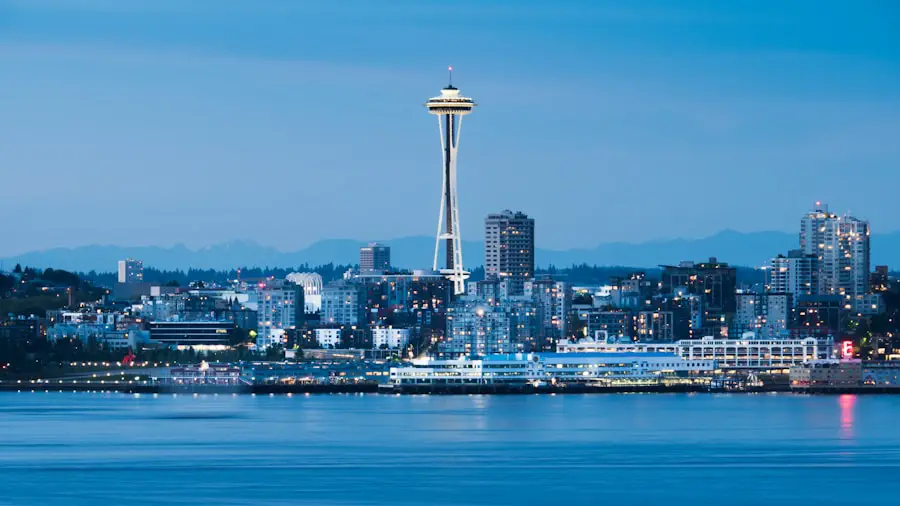
The peak tourist season in Seattle spans from late spring through early fall, with June through August being the busiest months. During this window, the Emerald City enjoys sunny skies, low humidity, and pleasant temperatures averaging 75°F (24°C). The city offers extended daylight in mid-summer, with the sun setting as late as 9:00 PM, allowing visitors plenty of time to explore outdoor landmarks such as the Space Needle, Pike Place Market, and the waterfront promenade.
Because peak season brings major festivals and ideal sightseeing conditions, hotels and vacation rentals fill up quickly. Lodging prices reach their highest annual rates during these months. Travelers planning a summer trip should book accommodations at least 2 to 3 months in advance to secure the best locations and prices.
Pro Tip: To beat peak summer crowds at major attractions like the Space Needle or Chihuly Garden and Glass, purchase timed-entry tickets online and schedule your visit before 10:00 AM or after 5:00 PM.
Shoulder Season in Seattle (April – May & September – October)
The shoulder season offers a sweet spot for savvy travelers. Spring (April to May) brings blooming cherry blossoms, vibrant tulips in nearby Skagit Valley, and gradually warming weather. Autumn (September to October) delivers crisp, clear days with stunning fall foliage across the city’s extensive park system.
Visiting during the shoulder season allows you to enjoy major attractions without the long summer lines. Flight rates and hotel prices drop noticeably compared to July and August, while weather conditions remain quite comfortable for urban walking and hiking.
Off-Peak Season in Seattle (November – March)
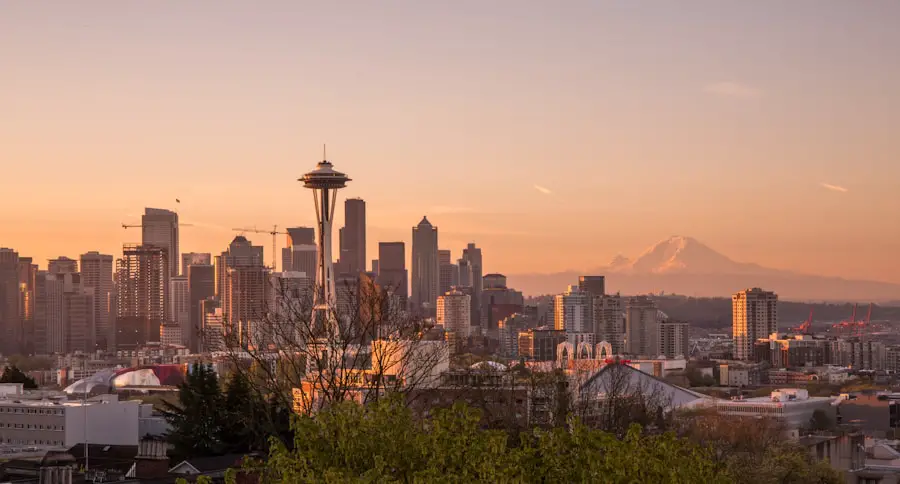
The off-peak season in Seattle runs from November through March, representing the quietest period for tourism. While Seattle is famous for rain, winter precipitation usually takes the form of light, misty drizzle rather than heavy downpours. Temperatures remain relatively mild compared to other northern U.S. cities, with winter lows averaging around 36°F (2°C).
Traveling during the off-peak season offers significant financial benefits. Hotels, airlines, and tour operators offer substantial discounts. Indoor cultural experiences—such as the Seattle Art Museum, Museum of Pop Culture (MoPOP), and independent coffee roasters—provide cozy retreats from overcast skies. Additionally, winter sports enthusiasts can access nearby mountain resorts like Stevens Pass or Snoqualmie Pass in just over an hour’s drive.
Festivals and Events in Seattle
| Event Name | Location | Schedule | Annual Attendance |
|---|---|---|---|
| Bumbershoot | Seattle Center | Annual: Labor Day Weekend | 100,000+ |
| Seattle International Film Festival (SIFF) | Various Venues | Annual: Mid-May | Over 140,000 |
| Seattle Pride Parade | Downtown Seattle | Annual: Late June | Over 200,000 |
| Seattle Seafair | Citywide & Lake Washington | Annual: July – August | Over 2 million |
Seattle hosts a diverse array of festivals and events throughout the year. The Seattle International Film Festival (SIFF), held every spring, is one of the top film festivals in North America, showcasing global cinema alongside filmmaker Q&A panels.
Seafair is Seattle’s quintessential summer festival, featuring hydroplane races on Lake Washington, the U.S. Navy Blue Angels air show, and historic torchlight parades.
Additionally, Bumbershoot takes over Seattle Center every Labor Day weekend, bringing together acclaimed live music acts, comedy, visual arts, and regional food vendors.
Outdoor Activities in Seattle
Flanked by Puget Sound to the west and Lake Washington to the east—with the Cascade and Olympic Mountain ranges framing the horizon—Seattle is an outdoor lover’s paradise. Discovery Park, the city’s largest green space, features over 500 acres of trails, coastal bluffs, sand dunes, and protected beaches overlooking Puget Sound.
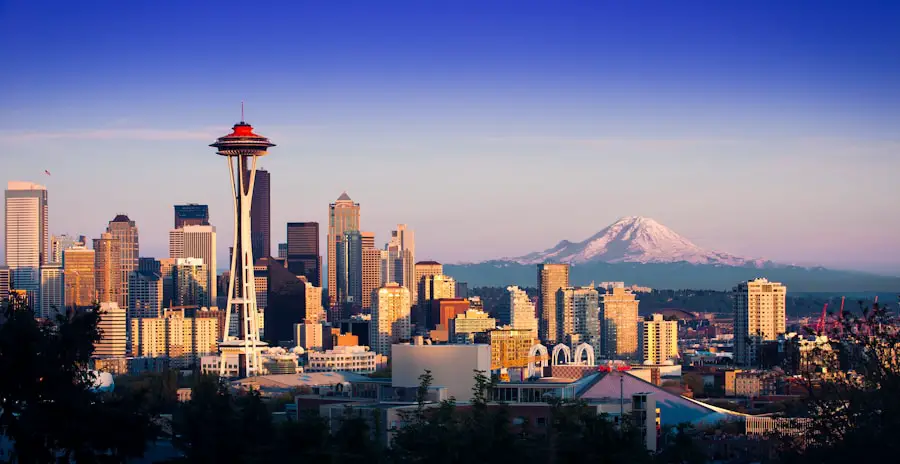
For high-altitude adventures, Mount Rainier National Park lies just two hours southeast of the city. Visitors can enjoy subalpine wildflower hikes in summer, snowshoeing tours in winter, and panoramic views of the iconic 14,411-foot stratovolcano year-round.
Budget-Friendly Travel Tips for Seattle
Exploring Seattle on a budget is easily achievable with smart transit choices and dining strategies:
- Use Link Light Rail: Skip expensive airport taxis. Sound Transit’s light rail takes you from Sea-Tac Airport straight to downtown Seattle for less than $4.00.
- Eat at Pike Place Market: Instead of sit-down restaurants for every meal, grab fresh local bites from market vendors, Russian bakeries, chowder counters, and street food stalls.
- Take Free Sightseeing Ferries: While official harbor tours cost top dollar, taking the public Washington State Ferry to Bainbridge Island costs under $10 for walk-on passengers and delivers world-class skyline views.
Transportation and Accommodation Options
Navigating Seattle without a car is simple thanks to Sound Transit and King County Metro. The Link Light Rail connects key neighborhoods including Downtown, Capitol Hill, and the University of Washington. City buses and streetcars cover remaining urban districts.
Note: Get an ORCA card or use contactless mobile payment to transfer seamlessly across light rail, regional buses, and streetcars without buying individual paper tickets.
Accommodation options range from luxury waterfront hotels along Elliott Bay to boutique stays in historic neighborhoods like Ballard and Fremont. Budget travelers can find hostel options near Pike Place or modern short-term apartment rentals in Capitol Hill.
Insider Tips for Visiting Seattle
To experience Seattle like a local, keep these insider guidelines in mind:
- Skip the Umbrella: Locals prefer high-quality waterproof rain shells with hoods over umbrellas, which can be cumbersome on windy, crowded city sidewalks.
- Explore Neighborhood Hubs: Do not spend your entire trip downtown. Visit Ballard for craft breweries and locks, Capitol Hill for dining and nightlife, or West Seattle’s Alki Beach for panoramic skyline vistas.
- Sample Independent Coffee: Beyond the original Starbucks at Pike Place Market, experience Seattle’s specialty coffee culture at independent roasters like Victrola, Espresso Vivace, or Stumptown.
Frequently Asked Questions
What is the best time to travel to Seattle, Washington?
The absolute best time to travel to Seattle is during the summer months of June through August. Weather during this time is warm, dry, and sunny, making it ideal for outdoor activities, festivals, and sightseeing.
What is the weather like in Seattle during the best time to travel?
During summer, Seattle experiences mild, comfortable temperatures with daytime highs averaging 75°F (24°C) and night lows around 55°F (13°C). Rain is infrequent, and skies are predominantly clear with long daylight hours.
Are there any specific events or festivals to consider when planning a trip to Seattle?
Yes, notable summer events include the Seattle International Film Festival (May), Seattle Pride Parade (June), Seafair (July–August), and Bumbershoot Music & Arts Festival (Labor Day Weekend in September).
What are some popular outdoor activities to enjoy in Seattle during the best time to travel?
Popular activities include hiking in Discovery Park or Mount Rainier National Park, kayaking on Lake Union, taking the ferry to Bainbridge Island, and strolling along the Seattle Waterfront.
Is it important to book accommodations and activities in advance during the best time to travel to Seattle?
Yes, summer is peak tourist season in Seattle. Hotel rates rise significantly and popular attractions sell out, so booking accommodations and tickets 2 to 3 months in advance is strongly recommended.
Sources
- Visit Seattle Official Tourism Portal — Seasonal visitor statistics, event calendars, and city travel guides.
- National Weather Service (Seattle/Tacoma) — Historical climate normals and precipitation data for King County.
- Sound Transit Authority — Link Light Rail routes, airport connectivity, and ORCA card transit fare details.
- National Park Service — Mount Rainier National Park travel advisories and trail guidelines.

