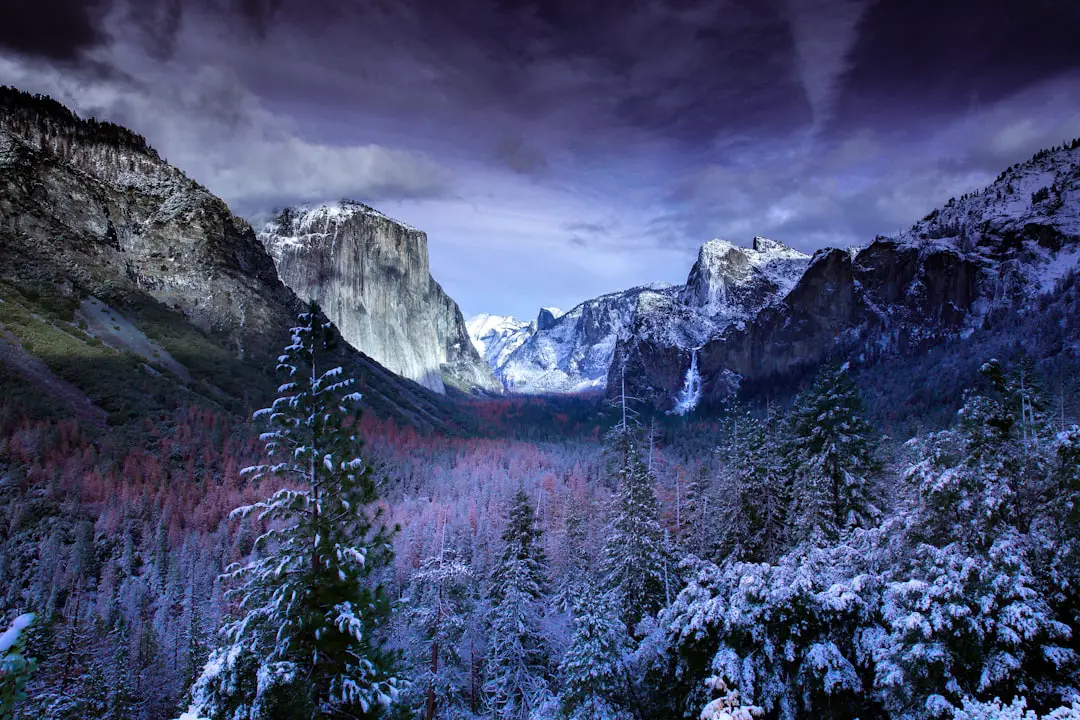
Last Updated on August 26, 2026 by Daniel Globe
New Zealand can be visited in every season, but the best time to go depends on what you want to do. Summer brings the warmest weather and longest days, autumn offers mild conditions and colorful landscapes, winter is the main snow-sports season, and spring combines new growth with generally lighter crowds. Because New Zealand stretches across different latitudes and has coastal, mountain, and alpine microclimates, conditions can vary considerably from one part of the country to another.
Quick Answer
For many travelers, the best time to visit New Zealand is March to May or September to November, when temperatures are generally mild and crowds can be lighter than peak summer. Choose December to February for beaches and long days, or June to August for skiing. Your ideal season ultimately depends on your route and activities.
Key Takeaways
- New Zealand’s seasons are opposite those of the Northern Hemisphere: summer is December–February, autumn is March–May, winter is June–August, and spring is September–November.
- Average daytime temperatures are roughly 20–25°C in summer, 17–21°C in autumn, 12–16°C in winter, and 16–19°C in spring, but regional and alpine conditions can differ sharply.
- Summer is best for beaches and long daylight hours; autumn is excellent for mild-weather touring and fall color; winter suits skiing; spring offers blossoms, lambs, and fewer peak-season crowds.
- March–April and October–November are strong all-round choices, but hikers must check individual track seasons and current Department of Conservation alerts.
- New Zealand weather can change quickly, so layers, rain protection, sun protection, and last-minute forecast checks are useful in every season.
Disclosure: As an Amazon Associate I earn from qualifying purchases. Some links on this page are affiliate links, at no extra cost to you.
Best Time to Visit New Zealand at a Glance
Tourism New Zealand’s climate guidance lists national average daytime temperatures of about 20–25°C (68–77°F) in summer, 17–21°C (62–70°F) in autumn, 12–16°C (53–61°F) in winter, and 16–19°C (61–66°F) in spring. These are broad averages rather than forecasts for every destination.
| Season | Months | Typical Daytime Average | Best For | Main Trade-Offs |
|---|---|---|---|---|
| Summer | December–February | 20–25°C (68–77°F) | Beaches, road trips, kayaking, long days | Peak demand around holiday periods; strong UV |
| Autumn | March–May | 17–21°C (62–70°F) | Scenic drives, wineries, hiking, autumn colors | Shorter days; alpine conditions can arrive by May |
| Winter | June–August | 12–16°C (53–61°F) | Skiing, snowboarding, hot pools, alpine scenery | Cold nights, snow/ice on some roads, reduced alpine-track facilities |
| Spring | September–November | 16–19°C (61–66°F) | Blossoms, gardens, wildlife, lower-crowd touring | Changeable weather; lingering snow in alpine areas |
Traveling to New Zealand in the Summer
Summer in New Zealand runs from December through February and brings the warmest average temperatures and some of the year’s longest daylight hours. Tourism New Zealand gives a national average daytime range of roughly 20–25°C (68–77°F), although local conditions vary. Auckland is generally warmer than Wellington, while alpine destinations can be much cooler, especially at night.
Coastal destinations such as the Bay of Islands, the Coromandel Peninsula, and Nelson Tasman are popular for swimming, sailing, kayaking, and beach days. Summer is also a good season for road trips because longer daylight hours give travelers more time between stops.
Abel Tasman National Park is particularly well suited to coastal walking and kayaking. The Department of Conservation’s Abel Tasman Coast Track information notes that the track can be walked throughout the year, although huts and campsites require advance booking year-round.
The Tongariro Alpine Crossing is another famous summer objective, but “summer” does not mean guaranteed safe weather. DOC warns that strong wind, heavy rain, poor visibility, very cold conditions, and even snow can occur in the alpine environment at any time of year.
Warning: Check the official Tongariro forecast and DOC alerts immediately before attempting the crossing. From May to October, DOC says alpine skills, appropriate equipment, and winter preparation are essential because of snow, ice, avalanche terrain, and sub-zero conditions.
Summer is also one of the busiest travel periods, especially around Christmas, New Year, and local school holidays. Popular accommodation, ferries, campsites, rental vehicles, and major attractions can sell out, so booking early is sensible for fixed-date trips.
Sun protection matters as well. The Cancer Society of New Zealand recommends broad-spectrum, water-resistant SPF 30+ sunscreen when UV levels require protection, along with protective clothing, shade, a hat, and sunglasses.
Exploring New Zealand in the Fall

Autumn, usually called “autumn” in New Zealand rather than “fall,” runs from March through May. Average daytime temperatures are about 17–21°C (62–70°F), making this one of the most comfortable periods for road trips, city sightseeing, wine regions, and lower-elevation walking.
Central Otago, Arrowtown, and parts of the South Island are especially known for deciduous autumn color. Wine regions such as Central Otago, Marlborough, Hawke’s Bay, and Wairarapa can also be appealing during harvest season, although exact vineyard schedules vary by region and year.
March and April can be particularly attractive for hikers who want milder conditions after the height of summer. However, travelers should not assume that every major alpine track remains in its normal Great Walk configuration throughout May.
Note: For the 2026/27 season, the Milford Track and Routeburn Track operate in their Great Walks season from November 1, 2026 through April 30, 2027. May falls outside that period, when facilities and hazards change significantly.
Photographers often favor autumn because of the lower-angle light, colorful foliage, and the possibility of calmer conditions. Still, New Zealand weather remains variable, so carry layers and rain protection even on a favorable forecast.
Visiting New Zealand in the Winter
| Winter Metric | Practical Guidance |
|---|---|
| Temperature | National average daytime temperatures are roughly 12–16°C, but Queenstown can average around -1°C to 8°C between daily lows and highs. |
| Precipitation | Highly regional; expect rain in many North Island areas and snow or ice in higher South Island and alpine locations. |
| Snowfall | Common in mountain areas and possible on high roads and passes. |
| Crowds | Often lower nationally, but ski destinations can be busy during good snow periods and school holidays. |
| Activities | Skiing, snowboarding, geothermal hot pools, scenic winter drives, and lower-elevation sightseeing. |
Winter runs from June through August. The North Island generally experiences milder winter temperatures, while parts of the South Island regularly drop below freezing. Queenstown, Wānaka, Canterbury, and Central Otago are major bases for skiing and snowboarding.
Coronet Peak near Queenstown and Cardrona near Wānaka are well-known ski areas, but opening dates and snow conditions vary each year. Check the ski area’s own operating calendar before building a trip around specific dates.
Travelers who are not interested in skiing can still enjoy winter through geothermal pools, food and wine, scenic rail or road trips, and mountain views. Queenstown also hosts changing winter events each year, so it is better to check the current official event calendar than rely on the former Queenstown Winter Festival schedule.
Winter road trips require extra preparation. NZ Transport Agency winter-driving guidance recommends checking weather and road conditions before departure, reducing speed on slippery roads, increasing following distance, and being prepared for restrictions or closures in snow and ice.
Pro Tip: If your itinerary includes alpine passes or Milford Road in winter, check NZTA’s Journey Planner on the day you travel. Road status can change quickly when snow or ice develops.
Enjoying New Zealand in the Spring
Spring runs from September through November. Tourism New Zealand lists average daytime temperatures of about 16–19°C (61–66°F), but spring is known for changeable conditions. Sunny periods can quickly give way to cooler temperatures, wind, or showers.
Gardens, parks, and rural landscapes come back to life during spring. Christchurch and the Waikato are popular for gardens and blossoms, while lambs and calves are a familiar sight in farming regions.
Spring can also be a good time for hiking, biking, rafting, and other outdoor activities, but conditions should be checked locally rather than assuming snowmelt makes every river or alpine route suitable. High tracks can retain snow well into spring, and some routes still require winter skills.
Tiritiri Matangi is an excellent destination for native birdlife. Visitors may see species such as takahē, tīeke/saddleback, hihi/stitchbird, kōkako, and other native birds. Little spotted kiwi are also present on the island, but they are nocturnal and are unlikely to be an easy daytime sighting.
Spring is often attractive to travelers who want to avoid the busiest summer period. However, September can still feel wintry in alpine areas, while late November may begin to feel increasingly like summer in warmer northern regions.
Best Activities for Each Season in New Zealand
Summer: Choose beaches, coastal kayaking, swimming, sailing, road trips, cycling, and many lower- and mid-elevation hikes. Longer daylight hours are useful for active itineraries.
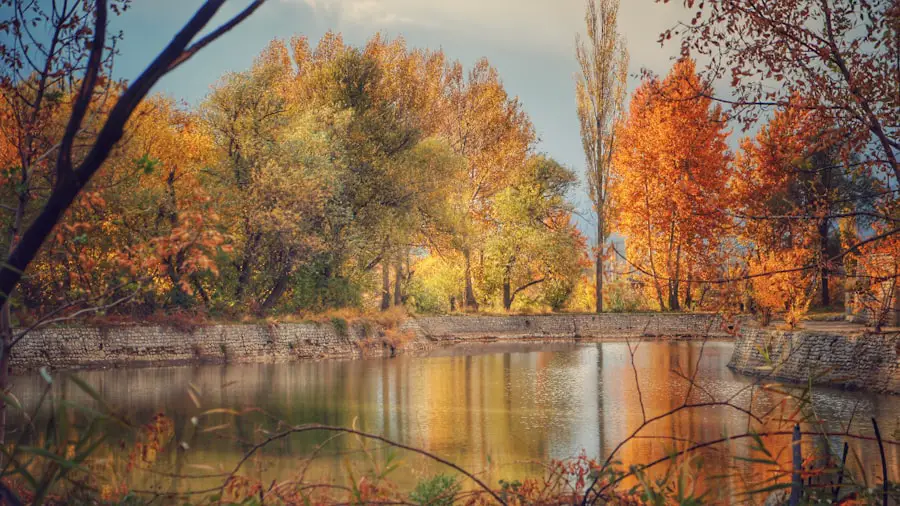
Autumn: Focus on scenic drives, photography, wineries, food experiences, lower-crowd sightseeing, and autumn-color destinations. March and April can also be excellent hiking months when track conditions allow.
Winter: Skiing and snowboarding become the headline activities in the South Island, while geothermal pools, museums, wineries, city breaks, and scenic drives offer alternatives for non-skiers.
Spring: Gardens, wildlife, cycling, hiking, and general touring are strong choices. Some ski fields may continue operating into spring depending on snow, while alpine hiking conditions may still require extra caution.
Best Months for Different Types of New Zealand Trips
- Best for beaches: January and February generally offer the strongest combination of warmth and summer conditions.
- Best for a balanced first trip: March, April, October, and November often combine comfortable temperatures with less peak-season pressure than the Christmas/New Year period.
- Best for autumn colors: April is a strong choice in places such as Arrowtown and Central Otago, although timing varies with weather.
- Best for skiing: July and August are the core winter months, with exact ski-field conditions depending on snowfall and snowmaking.
- Best for spring landscapes: October and November offer warmer spring conditions, flowers, new growth, and longer days than early September.
- Best for major Great Walks: Many popular Great Walks operate their main season between spring and autumn, but dates vary by track and year. Always check DOC before booking flights around a specific hike.
There is no single “best month” for every New Zealand trip. March–April and October–November are strong all-round choices, while summer wins for beaches and winter wins for snow sports.
Regional Weather Differences Matter
New Zealand’s small size can be misleading. The far north has a comparatively subtropical influence, while the deep south and alpine regions experience much colder conditions. Mountain ranges also create sharp local weather differences.
Auckland may be mild while Queenstown is near freezing. The West Coast of the South Island receives much more rain than many eastern areas, and high mountain passes can experience snow even when nearby towns are relatively mild.
This is why a nationwide seasonal average should be treated as a planning guide rather than a packing forecast. Check the forecast for each stop, especially when traveling between islands or moving between the coast and mountains.
Tips for Traveling to New Zealand in Different Seasons
In summer: Reserve high-demand accommodation and transport early if traveling around Christmas, New Year, or other busy periods. Carry sun protection and a light waterproof layer even when the forecast looks favorable.
In autumn: Pack layers for warm afternoons and cool mornings. If you plan a Great Walk in late April or May, verify the exact seasonal transition, hut services, and required skills before departure.
In winter: Bring warm layers, waterproof outerwear, gloves, and suitable footwear. Drivers should check road conditions and be prepared for snow, ice, restrictions, and delays on alpine routes.
In spring: Expect temperature swings. A combination of lighter clothing, a warm mid-layer, and a waterproof shell works better than relying on one heavy garment.
Year-round: New Zealand’s weather can change quickly. Check official forecasts and DOC alerts shortly before hikes, cruises, road journeys, or other weather-sensitive activities.
For additional trip preparation, you can also review these existing TakeTravelInfo resources on travel gifts and gear ideas, choosing a portable WiFi hotspot for international travel, and waterproof travel sneakers.
Booking, Crowds, and Cost Considerations
Summer generally brings the strongest nationwide visitor demand, particularly around holiday periods. Winter demand is more concentrated: many destinations are quieter, while ski towns can become busy during favorable snow conditions and school holidays.
Spring and autumn may provide better availability than the busiest summer weeks, but they should not automatically be described as the “cheapest” seasons. Airfares and hotel rates depend on holidays, events, route demand, booking lead time, and the specific destination.
If your dates are flexible, compare several nearby arrival dates and avoid assuming that every weekend or shoulder-season month will be inexpensive. For famous Great Walks, popular campgrounds, and limited-capacity experiences, availability can matter more than the season’s average price.
Conclusion and Final Recommendations for the Best Time to Visit New Zealand
For the broadest mix of mild weather, outdoor activities, and potentially lighter crowds, March through May and September through November are excellent times to consider New Zealand. March and April are especially appealing for comfortable touring and autumn scenery, while October and November combine spring landscapes with increasingly long days.
Summer from December through February is the better choice if warm weather, beaches, kayaking, and long daylight hours are your priorities. Winter from June through August is the obvious choice for skiing and snowboarding, while also providing quieter alternatives in many non-ski destinations.
The most important planning step is to match your season to your itinerary rather than choosing dates from a single nationwide temperature chart. Check regional forecasts, DOC track conditions, road alerts, accommodation availability, and current event schedules before locking in weather-sensitive activities.
Frequently Asked Questions
What is the best time to travel to New Zealand?
March to May and September to November are strong all-round choices because temperatures are generally mild and peak-summer demand is lower. However, summer is better for beaches and long days, while winter is better for skiing, so there is no single best season for every traveler.
What is the weather like in New Zealand during spring and autumn?
Autumn averages roughly 17–21°C during the day nationwide, while spring averages about 16–19°C. Conditions vary by region, and both seasons can bring rain, cool mornings, wind, or sudden weather changes, especially near mountains.
Are spring and autumn cheaper than summer?
They can offer better availability and sometimes lower rates than peak Christmas and New Year travel, but savings are not guaranteed. Prices depend on local events, weekends, school holidays, flights, accommodation demand, and how early you book.
What is the best time for hiking in New Zealand?
Late spring through early autumn is the easiest period for many popular hikes, but every track has its own hazards and operating season. For example, Milford and Routeburn have defined Great Walks seasons, while Tongariro requires alpine skills and winter equipment from May through October.
When is the best time to ski in New Zealand?
July and August are the core winter months and are usually the most reliable starting point for a ski-focused trip. Individual ski areas may open earlier or stay open into spring depending on snowfall, snowmaking, weather, and operating schedules.
Are there festivals during the shoulder seasons?
Yes. Examples include autumn events around Arrowtown and Auckland events that may fall near the summer-autumn boundary, but festival dates can move from year to year. Check the official tourism or event calendar for the city you plan to visit instead of relying on a recurring date from an older article.
What are the drawbacks of visiting New Zealand in spring or autumn?
Weather can be less predictable than travelers expect, days are shorter than in midsummer, and alpine areas can experience winter-like conditions in May or September. Some seasonal services also operate on different schedules, so check tracks, transport, and attractions before traveling.
Sources
- Tourism New Zealand — Climate and Weather — seasonal temperature ranges and regional climate guidance.
- Tourism New Zealand — Seasons in New Zealand — official seasonal months, weather patterns, and seasonal travel ideas.
- Department of Conservation — Tongariro Alpine Crossing — alpine-weather hazards, seasonal preparation, and winter-skill requirements.
- Department of Conservation — Milford Track and Routeburn Track — current Great Walk season and off-season information.
- Cancer Society of New Zealand — SunSmart — UV and sunscreen guidance.
- NZ Transport Agency Waka Kotahi — Winter Driving — snow, ice, road-condition, and winter-driving advice.