

Last Updated on July 28, 2026 by Daniel Globe
Choosing when to visit Myrtle Beach affects the weather you will get, the crowds you will meet, and how much you may pay. Summer delivers the classic busy beach vacation, while spring, fall, and winter offer calmer versions of the Grand Strand. The best choice depends on whether you value warm ocean water, comfortable sightseeing weather, events, golf, or lower demand.
Quick Answer
For most travelers, the best time to visit Myrtle Beach is late April through May or late September through October. These windows pair warm days with smaller crowds than July and August. May and September have the warmest shoulder-season water, while April and October are better for golf, sightseeing, and quieter beach days.
Key Takeaways
- Late April through May offers the best spring balance of warm weather, active attractions, and manageable crowds.
- Late September through October stays warm but falls within Atlantic hurricane season, so flexible plans matter.
- June through August is best for swimming and water sports, but it also brings the highest heat, humidity, demand, and storm chances.
- January and February are usually the quietest months, though ocean temperatures are too cold for most swimmers.
- Spring and fall suit golf and sightseeing; event weekends can still create short bursts of heavy traffic and higher room rates.
At a Glance: Myrtle Beach by Season
| Spring (Mar–May) | Average highs rise from about 68°F to 82°F; ocean temperatures rise from about 55°F to 73°F. Best for golf, sightseeing, and increasingly comfortable beach days. |
| Summer (Jun–Aug) | Average highs are about 88–91°F and ocean temperatures about 81–84°F. Best for swimming and nightlife, with peak crowds, humidity, and afternoon storms. |
| Fall (Sep–Nov) | Average highs fall from about 84°F to 70°F; ocean temperatures fall from about 82°F to 61°F. September and October offer warm shoulder-season conditions, but storm risk remains. |
| Winter (Dec–Feb) | Average highs are about 57–61°F and ocean temperatures about 50–55°F. Best for quiet walks, indoor attractions, holiday events, and lower-demand stays. |
Disclosure: As an Amazon Associate I earn from qualifying purchases. Some links on this page are affiliate links, at no extra cost to you.
Best Months to Visit Myrtle Beach
May is the best all-around month for travelers who want warm afternoons, an ocean that has reached an average of about 73°F, and fewer peak-summer crowds. Memorial Day weekend is the main exception because demand and traffic rise.
October is the best month for mild weather and outdoor activities. The average high is about 77°F, and the ocean averages about 73°F. It is comfortable for golf, walking, dining outdoors, and beach time, though October still falls within hurricane season.
September is best for warm water with fewer school-break crowds. The ocean averages about 82°F, but September is also near the climatological peak of Atlantic hurricane activity. Book flexible rates and monitor forecasts.
May and September provide the warmest shoulder-season water, while April and October usually feel better for golf, sightseeing, and long walks.
Spring: Mild Weather and a Gradual Return to Beach Season
Spring changes quickly in Myrtle Beach. Average highs climb from about 68°F in March to 75°F in April and 82°F in May. Ocean temperatures also rise from about 55°F in March to 64°F in April and 73°F in May, according to the official Myrtle Beach climate guide.
March and early April are comfortable for the boardwalk, gardens, golf, and outdoor dining, but the ocean may feel cold. By May, beach and pool weather is much more reliable. Crowds remain below July levels on many dates, although spring break, Bike Week, festivals, and Memorial Day weekend can create busy pockets.
Spring is also a strong choice for travelers who want to explore without the intense summer heat. Attractions generally expand their schedules as the season progresses, but some seasonal businesses still use limited hours early in spring.
Pro Tip: For the best spring balance, target the first three weeks of May and avoid major event weekends. Check each attraction’s calendar before buying nonrefundable tickets.
Summer: Peak Beach Weather, Events, and Crowds
Summer is Myrtle Beach’s busiest season. Average highs sit near 88°F in June, 91°F in July, and 90°F in August. Average ocean temperatures range from about 81°F to 84°F, making June through August the most dependable period for swimming, jet skiing, parasailing, and paddleboarding.
Long days and school vacations create a lively boardwalk atmosphere. Family Kingdom, live shows, water parks, restaurants, and entertainment districts operate active seasonal schedules, although exact hours can change with weather and attendance. Major events also raise demand. The Carolina Country Music Fest, for example, was scheduled for June 4–7 on the official 2026 festival calendar.
Summer’s trade-offs are heat, humidity, traffic, longer waits, and higher lodging demand. Several venues also schedule summer concerts or fireworks, but dates and locations vary. Check the official Myrtle Beach events calendar for the week of your trip.
Warning: Warm-season thunderstorms can form quickly. Plan beach time earlier in the day, leave the water when thunder is heard, and follow lifeguard flags and local weather alerts.
Fall: Warm Water, Smaller Crowds, and Storm Risk
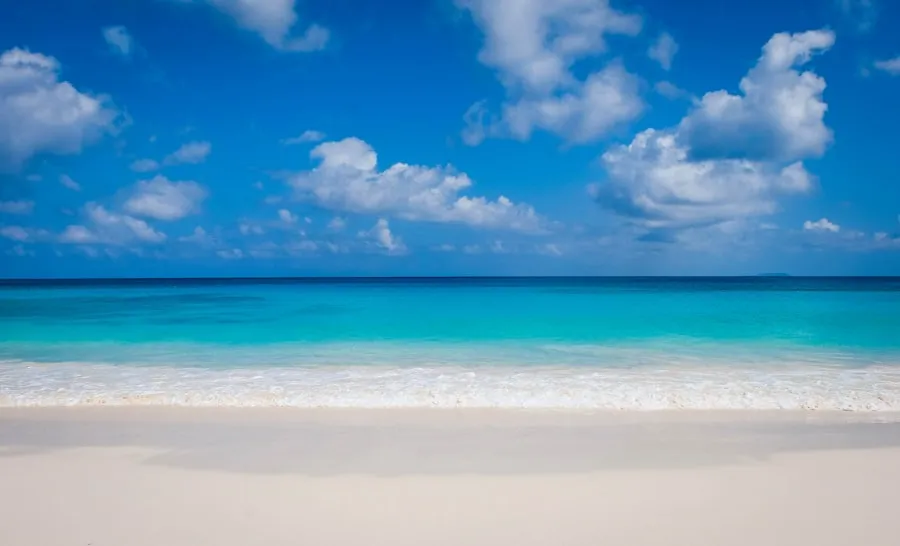
Fall starts warm and ends mild. Average highs move from about 84°F in September to 77°F in October and 70°F in November. Ocean temperatures average about 82°F in September, 73°F in October, and 61°F in November.
Late September and October often offer an appealing mix of beach weather, outdoor dining, and lighter crowds than midsummer. Golf, walking, and sightseeing become more comfortable as humidity eases. Event weekends can still fill hotels and roads, so quieter does not always mean empty.
The main drawback is tropical weather. The official Atlantic hurricane season runs from June 1 through November 30. The climatological peak is September 10, and most Atlantic activity occurs from mid-August through mid-October, according to the National Hurricane Center.
Note: A trip during hurricane season can still be enjoyable, but choose flexible hotel terms, review travel-insurance exclusions, and follow official forecasts rather than social-media storm rumors.
Winter: Quiet Beaches and Lower-Demand Travel
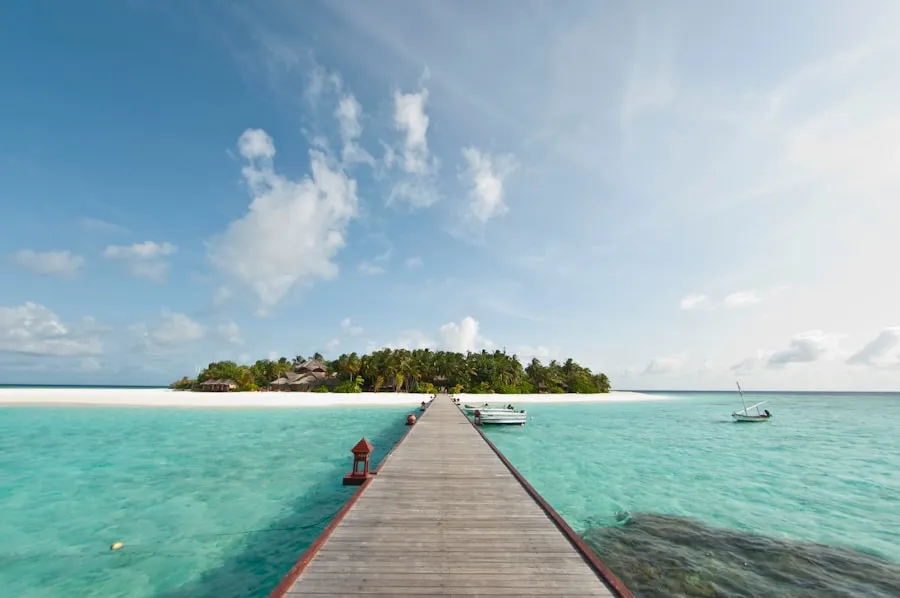
Winter is the calmest part of the Myrtle Beach travel year. Average highs are about 61°F in December, 57°F in January, and 61°F in February. Cold fronts can bring cooler days, and the ocean averages only about 50–55°F, so winter is better for shoreline walks than swimming.
Lower demand often creates attractive hotel rates, especially outside holiday weekends and special events. Indoor attractions, shopping, restaurants, live entertainment, and mild-day golf remain options. Holiday light displays and theater shows add seasonal interest in November and December.
The trade-off is reduced availability. Some outdoor and seasonal attractions close on selected days or use shorter hours. Check official operating calendars, including the Family Kingdom calendar, before planning a day around one attraction.
Peak Season vs. Off-Season: Which Is Right for You?
Peak travel generally runs from late spring through early fall, with the heaviest family demand during June, July, and August. Choose this period for warm ocean water, the broadest entertainment schedule, and the most energetic beach atmosphere. Expect more traffic, crowded restaurants, and less flexibility on popular room types.
Late fall and winter bring a slower pace and often better lodging value. You can move through attractions more easily, but some seasonal businesses reduce their hours. Spring and fall sit between those extremes and offer the best overall compromise for many travelers.
Pro Tip: Compare Sunday-through-Thursday stays with weekend dates. Also check for music festivals, motorcycle rallies, holiday weekends, and sports events before assuming a shoulder-season date will be inexpensive.
Best Time to Visit Myrtle Beach by Activity
Swimming and Water Sports
June through September is the best period for warm-water activities. Average ocean temperatures are about 81°F in June, 84°F in July and August, and 82°F in September. May and October can also work for travelers comfortable with water near 73°F.
Surfing
Late summer and early fall can produce larger swells when tropical systems are active, but those same systems can create rough surf, strong rip currents, and beach closures. Experienced surfers should check the local surf-zone forecast. Casual swimmers should not enter storm-driven surf just because the waves look better.
Warning: Rip currents can occur in any season. Review National Weather Service rip-current guidance, swim near a lifeguard, and never fight directly against a current.
Golf
March through May and September through November usually provide the most comfortable golf weather. Spring and fall are popular golf seasons, so prime tee times may sell early. Summer offers more availability at some courses but brings heat and afternoon storms.
Budget Travel
January and February are often the lowest-demand months, followed by parts of November and early December. Rates are not guaranteed: holiday shows, tournaments, festivals, and weekends can lift prices. Compare the full stay cost, including parking and resort fees.
Ideal Time for Family Vacations
Summer is the easiest season for families tied to school calendars. Attractions run busy schedules, the ocean is warm, and evening entertainment is plentiful. The downsides are peak heat, traffic, and demand.
Families with flexible calendars may prefer early May or late September. Both periods offer warm beach weather without the full July rush. Spring break and fall break can also work, but dates vary by school district and may overlap with local festivals or rallies.
Before booking, compare school dates with the event calendar and the operating hours of your must-do attractions. Families with young children may also find morning beach sessions easier because temperatures are lower and storms are less likely than later in the day.
Month-by-Month Myrtle Beach Guide
January and February
Choose these months for quiet beaches, indoor attractions, and low-demand lodging. Average highs are about 57–61°F, while the ocean remains near 50–52°F.
March and April
These months are strong for golf, gardens, the boardwalk, and outdoor dining. Average highs rise from about 68°F to 75°F, but the ocean remains cool at roughly 55–64°F. Spring-break and festival dates can increase crowds.
May and June
May is the best balance for many travelers, with an average high near 82°F and ocean water near 73°F. June is hotter, wetter, and busier, but the ocean reaches about 81°F and the full summer atmosphere begins.
July and August
Visit for the warmest water and biggest entertainment schedule. Prepare for average highs near 90°F, high humidity, busy roads, and frequent afternoon weather interruptions.
September and October
These are the best warm-water shoulder months. September remains summerlike, while October is milder. Both require storm awareness because they fall within the most active part of Atlantic hurricane season.
November and December
Expect a quieter coast, average highs near 70°F in November and 61°F in December, holiday entertainment, and reduced hours at some seasonal attractions. The ocean cools to about 61°F in November and 55°F in December.
Seasonal Events and Festivals
Myrtle Beach and nearby Grand Strand communities hold events throughout the year. Current dates change annually, and a major event can affect traffic, hotel demand, and restaurant waits even outside summer.
Examples on the official 2026 calendar included:
- Myrtle Beach Bike Week Spring Rally: May 8–17, 2026.
- Carolina Country Music Fest: June 4–7, 2026 at Burroughs & Chapin Pavilion Place.
- NMB Live!: September 26, 2026, replacing the former Irish Italian International Festival in North Myrtle Beach.
- Little River ShrimpFest: October 10–11, 2026.
- Holiday events: Winter Wonderland at The Beach, Nights of a Thousand Candles, and the Great Christmas Light Show, with current dates posted closer to the season.
Always confirm dates through the official Myrtle Beach annual festivals calendar and the event organizer before booking a nonrefundable stay.
Frequently Asked Questions
What is the best month to visit Myrtle Beach?
May is the best all-around month for many visitors because days are warm, the ocean averages about 73°F, and crowds are usually lighter than in July. October is better for mild sightseeing and golf, with a similar average ocean temperature.
What is the weather like during the best time to visit?
April averages a high near 75°F, May near 82°F, September near 84°F, and October near 77°F. May and September are warmer for swimming, while April and October are more comfortable for sightseeing and golf.
When is Myrtle Beach cheapest?
January and February are often the lowest-demand months, so lodging can be less expensive. Prices still vary by weekend, event, room type, and fees, so compare the total cost rather than the nightly rate alone.
When is the ocean warm enough to swim?
June through September is the most dependable swimming season, with average ocean temperatures around 81–84°F. May and October average about 73°F and may feel comfortable to some swimmers but cool to others.
When is hurricane season in Myrtle Beach?
Atlantic hurricane season officially runs from June 1 through November 30. The climatological peak is September 10, with most Atlantic activity occurring from mid-August through mid-October.
Are May and September crowded?
They are usually less crowded than July, but not every week is quiet. Memorial Day, motorcycle rallies, music festivals, Labor Day, and other event weekends can produce peak-like traffic and higher room demand.
Do Myrtle Beach attractions stay open year-round?
Many restaurants, shops, shows, and indoor attractions operate year-round. Outdoor and seasonal attractions may use shorter hours or close on selected days in early spring, late fall, and winter, so check official calendars before visiting.
Sources
- Visit Myrtle Beach Weather, Air & Water Climate Information — monthly average air temperatures, ocean temperatures, and precipitation.
- NOAA National Hurricane Center Tropical Cyclone Climatology — official season dates and the climatological peak of Atlantic activity.
- National Weather Service Rip Current Safety — beach-safety guidance for rip currents and rough surf.
- Visit Myrtle Beach Annual Festivals Calendar — current seasonal events and confirmed 2026 dates.
- Myrtle Beach Bike Week — official spring and fall rally schedules.
- Family Kingdom 2026 Calendar — seasonal operating dates and hours.

