
Last Updated on July 27, 2026 by Daniel Globe
Mauritius has warm weather throughout the year, but the best time to visit depends on what you want to do. Cooler and less humid conditions favor hiking and sightseeing, while warmer summer water suits swimming and tropical beach holidays. Rain, wind, crowds, and cyclone risk can also change the experience from one month to the next.
Quick Answer
For many travelers, the best time to visit Mauritius is from April to June or September to November. These transition periods often combine warm temperatures, manageable humidity, and fewer weather disruptions. Choose May to October for hiking and kitesurfing, or November to April for warmer seas and a hotter tropical beach holiday.
Key Takeaways
- Mauritius is a year-round destination, so there is no single best month for every traveler.
- April to June and September to November offer a useful balance of warmth, lower humidity, and outdoor-friendly weather.
- November to April is hotter and more humid, with more rain and a greater chance of tropical weather disruptions.
- May to October is generally cooler, drier, and windier, making it comfortable for hiking and sightseeing.
- Christmas, New Year, school holidays, and major events can increase accommodation demand regardless of the season.
- Festival dates based on lunar or religious calendars change each year, so confirm them before booking flights.
Disclosure: As an Amazon Associate I earn from qualifying purchases. Some links on this page are affiliate links, at no extra cost to you.
Mauritius Weather and Seasons
According to the Mauritius Meteorological Services, the island has a mild tropical maritime climate. Summer is warm and humid, while winter is cooler and generally drier.
- Summer: November to April
- Winter: June to September
- Transition months: May and October
The island-wide mean temperature is about 24.7°C during summer and 20.4°C during winter. Coastal daytime temperatures are usually higher. Official tourism guidance places typical coastal daytime temperatures around 28–33°C in summer and 22–28°C in winter.
Rain can fall at any time of year. February and March are normally the wettest months on long-term averages, while October is usually the driest. Averages describe general patterns, not a guaranteed forecast for a specific trip.
Regional Microclimates
Mauritius is small, but its weather can vary noticeably across the island.
- Central plateau: Cooler, cloudier, and wetter than the coast because of its elevation.
- West and northwest: Often warmer, drier, and more sheltered from the southeast trade winds.
- East and south: Generally breezier, especially during the cooler months.
- Coastal areas: Usually sunnier and warmer than inland locations, though short showers can still develop quickly.
Pro Tip: During the windier winter months, consider the west or northwest coast for a more sheltered beach stay. The east and south coasts are better choices when steady trade winds are part of the plan, such as for kitesurfing.
Mauritius Weather by Month
| Month | Typical Conditions | Best For | Main Consideration |
|---|---|---|---|
| January | Hot, humid, and rainy | Warm-water swimming and resort stays | Cyclone risk and holiday demand |
| February | Very warm; normally one of the wettest months | Tropical beach holidays with flexible plans | Heavy rain and tropical systems |
| March | Hot, humid, and frequently wet | Warm seas and cultural travel | Rain and cyclone-related disruption |
| April | Warm, with rain generally beginning to ease | Beach time, sightseeing, and mixed itineraries | Humid days and occasional heavy showers |
| May | Milder transition weather | Hiking, beaches, and lower humidity | Breezier conditions begin |
| June | Cooler, drier, and breezier | Sightseeing, hiking, and active trips | Cool evenings and wind on exposed coasts |
| July | Cool and often windy | Kitesurfing and hiking | School-holiday demand and rougher exposed water |
| August | Mild, dry, and windy | Outdoor adventures and coastal activities | Wind can affect beach comfort |
| September | Dry, sunny, and gradually warming | Beaches, hiking, and balanced itineraries | Trade winds may continue |
| October | Warm transition weather; normally the driest month | Beach holidays, snorkeling, and sightseeing | Temperatures and humidity start rising |
| November | Hotter, more humid, and increasingly summery | Warm seas and beach trips | Cyclone season begins |
| December | Hot, humid, and increasingly wet | Festive travel and warm-water activities | Christmas and New Year demand |
Best Time to Visit Mauritius by Trip Goal
| Trip Goal | Useful Period | Why |
|---|---|---|
| Balanced weather | April to June; September to November | Warm conditions without the most intense summer humidity |
| Hot beach holiday | November to April | Hot weather and warmer sea temperatures |
| Hiking | May to October | Lower heat and humidity make longer walks more comfortable |
| Kitesurfing | April to November | Stronger and more consistent trade winds, especially in the south |
| Snorkeling and diving | October to December; April to May | Warm water with a useful chance of calmer conditions between seasonal extremes |
| Quieter beaches | May to October outside school holidays | Winter beaches can be less busy, particularly away from major holiday dates |
| Cultural festivals | Year-round | Mauritius observes Hindu, Tamil, Muslim, Christian, Chinese, and Creole events |
Peak Tourist Periods in Mauritius
Mauritius should not be divided into one fixed peak season and one fixed off-season. It welcomes visitors throughout the year, and demand changes with international school holidays, flight schedules, special events, and the dates used by individual resorts.
Christmas and New Year can be especially busy because travelers combine tropical summer weather with holiday celebrations. July and August may also see stronger demand from families and travelers following European school calendars. Popular resorts, villas, and direct flights can therefore sell out during both warm and cool parts of the year.
Travelers planning a December or early January stay should book well ahead. The same advice applies to premium family resorts during major school-holiday periods.
Quieter and Better-Value Periods
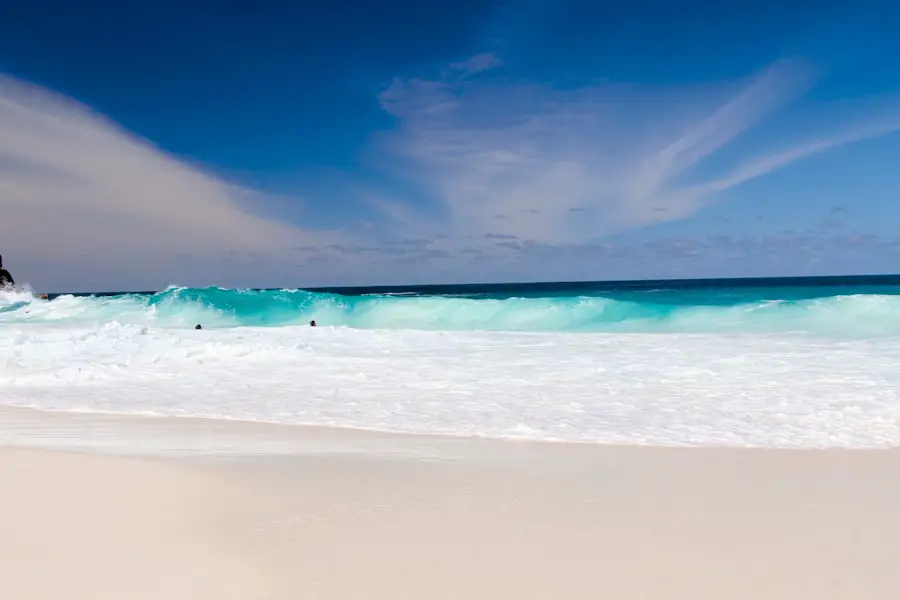
May, June, September, and parts of October can offer a comfortable balance of favorable weather and lighter demand. However, lower prices are not guaranteed. Resort promotions, flight availability, weddings, conferences, and school holidays can affect rates at any time.
Winter from June through September is cooler and less humid. This can be an excellent time for travelers who value sightseeing, hiking, golf, and relaxed beach walks more than very warm evenings. The west coast is often a good winter base because it is more sheltered from the prevailing trade winds.
For better value, compare the total cost of the trip rather than the room rate alone. A self-catering apartment may reduce dining costs, while a half-board or all-inclusive resort may provide better value in an isolated coastal location.
Cyclone and Rainy Season
The usual tropical cyclone season runs from November to May. A cyclone does not affect Mauritius every time one forms in the southwest Indian Ocean, but tropical systems can cause heavy rain, strong winds, rough seas, flight changes, attraction closures, and road disruption.
The Mauritius Meteorological Services cyclone-warning system uses phased warning classes. Visitors should follow official instructions from their hotel, tour operator, airline, and local authorities.
Warning: During a cyclone warning, do not go swimming, hiking, sightseeing, or driving simply because conditions appear calm near your accommodation. Follow official restrictions and local safety instructions. Travel insurance should cover weather disruption and the activities included in your itinerary.
Travel during the summer rainy period can still be enjoyable. Tropical showers are often localized, and weather can differ between the central plateau and the coast. Build flexibility into boat trips and mountain excursions, and avoid scheduling every weather-dependent activity on consecutive days.
Festivals and Events in Mauritius
Mauritius has a multicultural population, and its calendar includes Hindu, Tamil, Chinese, Muslim, Christian, and Creole celebrations. Many dates follow lunar or religious calendars and therefore change each year.
| Event | Typical Timing | What Visitors May See |
|---|---|---|
| Chinese Spring Festival | January or February | Family meals, red decorations, cultural performances, and firecrackers |
| Thaipoosam Cavadee | January or February | Tamil religious processions and decorated cavadees |
| Maha Shivaratree | February or March | Pilgrimage to Grand Bassin, also known as Ganga Talao |
| Ugadi | March or April | Telugu New Year religious and family celebrations |
| Divali | October or November | Decorative lights, clay lamps, sweets, and family gatherings |
| Festival International Kreol | Dates announced annually | Creole music, sega, dance, food, art, and cultural programs |
The Government of Mauritius maintains an overview of the island’s principal religious festivals and cultural traditions. Confirm the exact date and public program before organizing a trip around one event.
Note: Listings for a “Mauritius International Jazz Festival,” “Mauritius Food and Wine Festival,” or “Mauritius Sega Music Festival” may not have a stable official date or venue. The Mauritius Open Air Festival commonly found in search results is held in London. Older guides may also mention Porlwi by Light, but it should not be treated as a guaranteed annual event. Verify every event through an official organizer or government calendar.
Outdoor Activities and Adventures
Mauritius offers coral lagoons, forest trails, volcanic landscapes, waterfalls, and trade-wind sports. The most suitable month depends on the activity and the coast.
Snorkeling and Diving
Snorkeling and diving are available throughout the year when local sea conditions permit. Blue Bay Marine Park is a well-known southeastern location for marine excursions, while the sheltered lagoons around the island support snorkeling, swimming, and paddleboarding.
Never assume that calm water near shore means conditions are safe farther out. Use a licensed operator, check the daily marine forecast, and follow local instructions concerning currents, waves, and protected coral areas.
Hiking
Black River Gorges National Park protects thousands of hectares of forest and includes an extensive network of trails. Routes range from shorter forest walks to strenuous mountain paths.
May through October is generally more comfortable for hiking because heat and humidity are lower. Even then, rain can make exposed rock, roots, and steep paths slippery. Carry water, use proper footwear, and consider a qualified guide for unfamiliar or difficult routes.
Kitesurfing and Wind Sports
The main kitesurfing period generally runs from April to November. July and August are often among the windiest months. Le Morne is a major kitesurfing area, but conditions vary greatly between the protected lagoon, reef passes, and offshore waves.
Chamarel and the Seven Coloured Earth
The Seven Coloured Earth Geopark at Chamarel features naturally colored dunes in a volcanic landscape. It can be combined with Chamarel Waterfall and other southwestern attractions. Earlier morning visits may offer cooler temperatures and lighter crowds.
Accommodation and Travel Costs
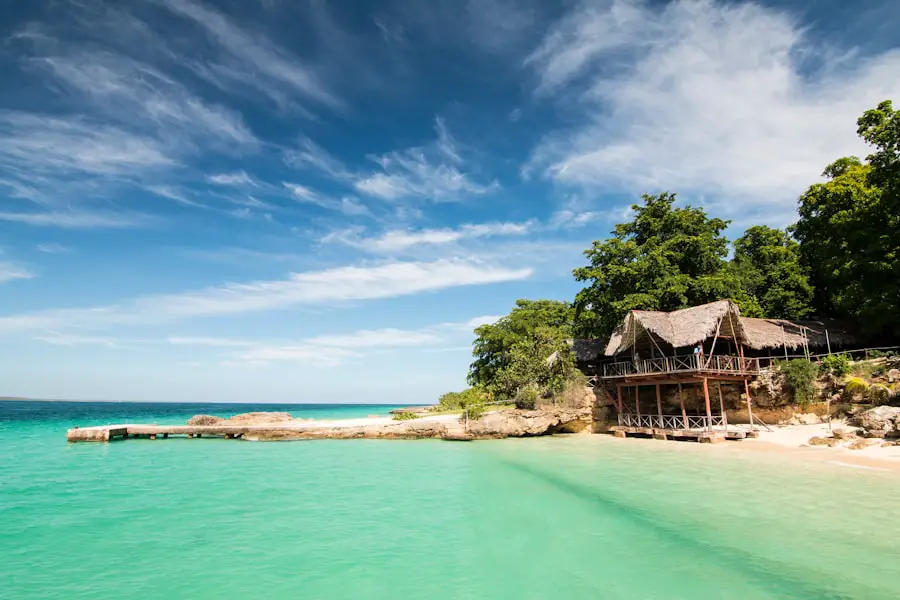
Mauritius has luxury resorts, boutique hotels, guesthouses, villas, and self-catering apartments. The best choice depends on whether you want resort facilities, nightlife, quiet beaches, easy restaurant access, or a base for exploring by car.
- Luxury resorts: Often include several restaurants, pools, water activities, spas, and private beach areas.
- Mid-range hotels: Can provide beach access and breakfast without the cost of a full resort package.
- Guesthouses: Useful for travelers who value local neighborhoods and a smaller property.
- Self-catering apartments or villas: Helpful for families, longer stays, and travelers who prefer to prepare some meals.
Rates can rise during Christmas, New Year, school holidays, weddings, conferences, and periods with limited flight availability. Compare cancellation terms as carefully as the nightly price, particularly for travel during cyclone season.
Also include airport transfers, meals, boat trips, attraction fees, car rental, fuel, and travel insurance in the budget. A lower room rate far from restaurants and attractions may produce a higher total trip cost.
Getting Around Mauritius
Visitors can use public buses, taxis, organized excursions, private transfers, or rental cars. Buses are useful on established routes but may not suit a tightly scheduled island-wide itinerary. Taxis and guided excursions reduce the need to navigate, while a rental car offers more flexibility for beaches, villages, parks, and viewpoints.
Driving is on the left. Some roads are narrow, poorly lit, or shared by pedestrians, cyclists, buses, and motorcycles. Drive conservatively, avoid unfamiliar rural roads after dark, and confirm what your rental insurance covers.
The official currency is the Mauritian rupee. Cards are widely useful in tourist areas, but carrying some local cash is practical for markets, buses, small food stalls, and minor purchases. Mauritius commonly uses British-style three-square-pin plugs and European-style two-round-pin plugs, so a universal adapter is useful.
Local Cuisine and Dining Experiences
Mauritian cuisine combines Indian, Creole, Chinese, African, and French influences. Dholl puri, a thin flatbread filled with ground split peas, is commonly served with bean curry, chutney, or pickles. Other popular choices include curries, noodles, fried snacks, seafood, and dishes flavored with chili, herbs, and local spices.
Street-food stalls and markets provide an affordable way to sample local flavors. Choose busy vendors with good food turnover, and tell the vendor if you prefer less chili. Restaurants and resorts range from casual Creole meals to fine dining with seafood and international menus.
Tipping is appreciated but is not always required. Check whether a restaurant has already added a service charge before leaving an additional tip.
Entry Requirements, Health, and Safety
Visa and entry rules depend on nationality, passport type, travel purpose, and length of stay. Check the Mauritius Passport and Immigration Office visa guidance before buying a non-refundable ticket.
Travelers should also complete the official Mauritius All in One Travel Form before arrival when requested. The official form is free; avoid third parties that charge to complete it.
Arrange travel insurance that covers medical treatment, evacuation, cancellation, weather disruption, and planned activities. Travelers with health conditions, pregnant travelers, and people carrying controlled medication should seek destination-specific medical advice before departure.
Mosquito-borne illnesses such as dengue and chikungunya can occur. Use repellent, consider long clothing around dawn and dusk, and follow current public-health advice. Stonefish and other marine hazards are uncommon but can cause serious injury, so wear suitable water footwear where advised and seek urgent medical care after a suspected sting.
Official tourism guidance states that treated tap water is drinkable. Travelers with sensitive stomachs may still prefer sealed bottled water, particularly after storms or when local accommodation advises it.
Tips for Traveling to Mauritius
- Check the official weather forecast before boat trips, hikes, and long drives.
- Do not plan every outdoor activity for consecutive days during the wetter months.
- Choose the west or northwest coast for greater shelter during windy winter conditions.
- Use reef-safe sun protection where available and avoid touching or standing on coral.
- Dress respectfully at temples and religious sites, covering shoulders and knees when requested.
- Learn simple French or Mauritian Creole greetings, although English is widely used in tourism.
- Carry light rain protection even during the drier months.
- Pack a warm layer for winter evenings and visits to the central plateau.
- Reserve popular resorts and flights early for Christmas, New Year, and school holidays.
- Confirm festival dates before arranging non-refundable travel.
Comfortable clothing is useful for long flights, markets, transfers, and sightseeing. This guide to comfortable traveler pants can help you choose a practical pair for the journey.
Frequently Asked Questions
What is the best time to visit Mauritius?
April to June and September to November suit many travelers because they often combine warm weather with less intense humidity. The best period still depends on whether your priority is hiking, hot beach weather, kitesurfing, festivals, or lighter crowds.
What is the weather like in Mauritius throughout the year?
Mauritius has a tropical maritime climate. November to April is warmer and more humid, while June to September is cooler and generally drier. May and October are transition months. Coastal areas are usually warmer and sunnier than the central plateau.
When is the rainy season in Mauritius?
Rain is possible throughout the year, but most rainfall occurs during the warmer summer period. February and March are normally the wettest months on long-term averages. Rain may be brief and localized, although tropical systems can cause prolonged severe weather.
When is cyclone season in Mauritius?
The usual cyclone season runs from November to May. A cyclone will not necessarily affect Mauritius during a particular visit, but travelers should have suitable insurance, flexible bookings, and access to official weather warnings.
When are the beaches in Mauritius quieter?
Beaches can be quieter from May to October outside major school holidays. Winter is cooler and windier, so the west and northwest coasts may feel more comfortable than exposed eastern and southern beaches.
What is the best time for hiking in Mauritius?
May through October is generally best for hiking because temperatures and humidity are lower. Rain can still make trails slippery, particularly in Black River Gorges and the central highlands, so check conditions before leaving.
Which festivals can travelers experience in Mauritius?
Major celebrations include Chinese Spring Festival, Thaipoosam Cavadee, Maha Shivaratree, Divali, Ugadi, Eid celebrations, and Festival International Kreol. Dates change annually, especially for lunar and religious events, so verify the current official calendar.
Sources
- Mauritius Meteorological Services: Climate of Mauritius — seasons, temperatures, rainfall, and microclimates
- Mauritius Tourism Promotion Authority: Mauritius Weather — coastal temperatures and activity seasons
- Government of Mauritius: Explore Mauritius — festivals, geography, and cultural information
- National Parks and Conservation Service: Black River Gorges — park area, climate, and hiking trails
- Mauritius Passport and Immigration Office: Visa Requirements — official visa and admission information
- UK Foreign Travel Advice: Mauritius — current entry, health, cyclone, and safety guidance

