

Last Updated on July 27, 2026 by Daniel Globe
Martinique, a French overseas territory in the Lesser Antilles, offers a tropical climate defined by warm temperatures, coastal trade winds, and high humidity year-round. Understanding the island’s distinct meteorological cycles—specifically the dry season and the wet season—is essential for timing your trip around ideal beach conditions, outdoor adventures, or budget-friendly accommodations.
Quick Answer
The best time to visit Martinique is during the dry season, which runs from December to May. During these months, daily temperatures average 25°C to 30°C (77°F to 86°F) with minimal rainfall and low humidity. December through April is peak tourist season, offering optimal conditions for hiking, snorkeling, and attending iconic events like Carnival.
Key Takeaways
- Peak Season (December–April): Best weather, warm sunshine, minimal rain, but higher accommodation rates and larger crowds.
- Off-Peak Season (June–November): Lower flight and hotel prices, lush vegetation, but higher humidity, heavy afternoon showers, and tropical storm risks.
- Local Climate Terms: Locals refer to the dry season as Carême and the wet season as Hivernage.
- Hurricane Window: Official Atlantic hurricane season runs from June 1 to November 30, peaking between August and October.
- Cultural Highlights: Major events include Carnival (February/March), Mai des Arts (May), Tour des Yoles Rondes (July/August), and the Martinique Jazz Festival (November/December).
Disclosure: As an Amazon Associate I earn from qualifying purchases. Some links on this page are affiliate links, at no extra cost to you.
Peak Tourist Seasons (December to April)
The peak tourist season in Martinique aligns with the island’s official dry season, locally known as Carême. Running from mid-December to mid-April, this period attracts visitors seeking respite from cold winters in Europe and North America. Days are dominated by persistent sunshine, comfortable sea breezes, and daytime temperatures hovering between 25°C and 30°C (77°F to 86°F).
During these peak months, demand for lodging, car rentals, and excursions reaches its highest level. Accommodations across popular beach hubs like Les Trois-Îlets, Sainte-Luce, and Le Diamant tend to fill up months in advance, driving up night rates. The Christmas and New Year holidays, along with the February school vacation period, mark the absolute high points of travel density on the island.
Pro Tip: If traveling between December and April, secure your flight and vehicle rental at least 4 to 6 months in advance. Automatic rental cars are limited on the island and sell out quickly during high season.
Off-Peak Seasons (May to November)

The off-peak season coincides with the Caribbean wet season, known locally as Hivernage, spanning from June through November (with May serving as a pleasant shoulder transition month). Average daytime temperatures rise slightly to 26°C–31°C (79°F–88°F), accompanied by higher relative humidity and frequent tropical downpours.
While rain showers can be intense, they are often short-lived squalls followed by bright sunshine. Visiting during the off-peak season yields substantial advantages for budget-conscious travelers:
- Lower Rates: Resorts, villas, and hotels drop room rates by 20% to 40%.
- Fewer Crowds: Beaches, hiking trails, and historical sites like Saint-Pierre offer a far more peaceful experience.
- Lush Landscapes: Rain brings the island’s rainforests, botanical gardens, and waterfalls into full, vibrant bloom.
Weather Patterns and Tropical Phenomena
Martinique’s weather is heavily influenced by easterly trade winds (les alizés), which moderate coastal temperatures. However, tropical weather phenomena vary considerably depending on the time of year.
| Phenomenon | Description & Impact on Travel |
| Trade Winds (Alizés) | Steady easterly breezes that cool coastal regions and keep humidity manageable, strongest from December to May. |
| Tropical Waves (Ondes Tropicales) | Low-pressure troughs common from July to October that bring brief periods of heavy rain and squalls. |
| Hurricanes & Storms | Cyclonic systems with sustained winds exceeding 74 mph. Official season is June 1 to November 30, peaking in August and September. |
| Saharan Dust (Brume de Sable) | Airborne dust plumes blowing across the Atlantic from Africa during summer, causing hazy skies and reduced air quality. |
Warning: When visiting between August and October, monitor forecasts from NOAA’s National Hurricane Center and purchase comprehensive travel insurance covering storm disruptions.
Events and Festivals
Martinique hosts a rich cultural calendar deeply rooted in French and Afro-Caribbean traditions. Aligning your travel dates with island celebrations offers an unforgettable immersion into local life:
- Carnival (February / March): A multi-day festival leading up to Ash Wednesday. Features street parades, traditional biguine and zouk music, vibrant red-and-black costumes on Ash Wednesday, and the symbolic burning of the carnival king, Vaval.
- Festival Mai des Arts (May): A month-long celebration of visual arts, dance, and theater taking place across Fort-de-France and historical venues.
- Fête de la Musique (June 21): Coinciding with the summer solstice, live musicians perform free concerts across public plazas, bars, and streets.
- Tour des Yoles Rondes (Late July / Early August): Martinique’s largest sporting event—a thrilling multi-stage boat race around the island featuring traditional yawl sailboats.
- Martinique Jazz Festival (Late November / Early December): The Caribbean’s longest-running jazz festival, attracting international and local artists for over three decades.
Outdoor Activities by Season
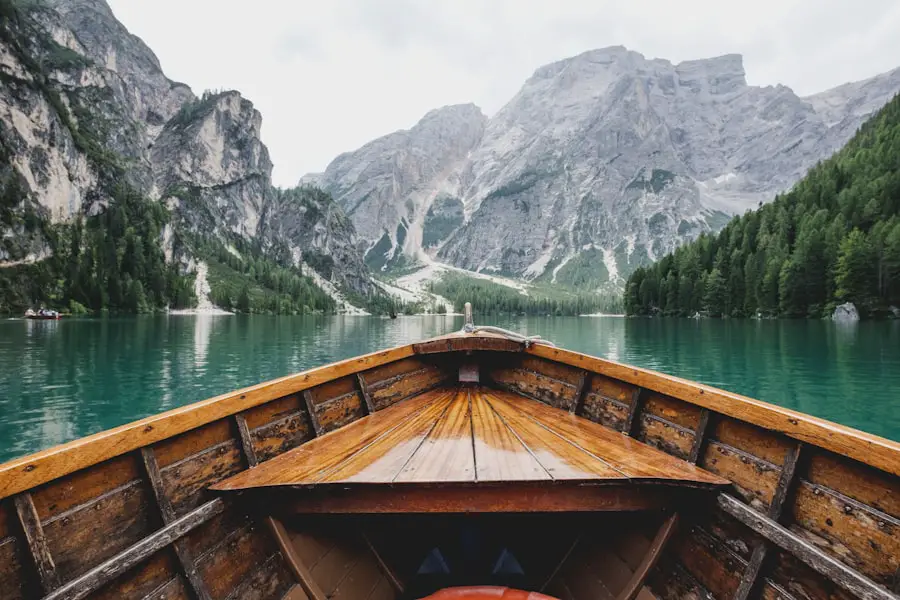
Martinique’s outdoor experiences vary depending on weather conditions:
- Hiking: The dry season (Dec–May) is ideal for ascending Mount Pelée (Montagne Pelée) or trekking the coastal Trace des Caps trail. Dry ground minimizes mud hazards on steep slopes.
- Diving & Snorkeling: Marine visibility at popular sites like Anse Dufour, Anse Noire, and the Diamond Rock (Rocher du Diamant) is clearest during calm winter ocean conditions.
- Whale Watching: Humpback whales and sperm whales migrate through the waters off Martinique’s western coast between December and April.
- Waterfall Canyoning: Rainfall during the wet season fills inland rivers and gorges like the Gorges de la Falaise, making high-water canyoning popular, though guided safety supervision is required due to flash flood risks.
Budget Considerations & Practical Travel Tips
Managing costs on the island requires planning around local pricing structures:
Note: Martinique is an official overseas department of France. The official currency is the Euro (€), and European Union roaming regulations apply for cellular coverage.
- Dining on a Budget: Balance upscale French dining with local Creole eateries (snack-bars). Try local specialties like accras de morue (cod fritters), boudin créole, and fresh fruit juices at roadside stands.
- Transportation: Public transit (TM Mettis buses) is limited outside Fort-de-France. Renting a small car is essential for exploring beaches and rainforests efficiently.
- Packing Essentials: Pack lightweight cotton or moisture-wicking clothing, reef-safe sunscreen, a light rain jacket, sturdy trail shoes, and DEET-based insect repellent.
Frequently Asked Questions
What is the best time to travel to Martinique?
The best time to visit Martinique is during the dry season from December to May. Temperatures average 25°C to 30°C (77°F to 86°F), rainfall is low, and humidity is comfortable due to trade winds.
What is the weather like in Martinique during the best time to travel?
During the dry season (December through May), expect warm, sunny weather ranging from 24°C to 29°C (75°F to 85°F). Pleasant cooling trade winds blow consistently, creating ideal conditions for swimming, hiking, and sightseeing.
Are there any specific events or festivals during the best time to travel to Martinique?
Yes, key winter events include Martinique Carnival in February or March, featuring island-wide parades and street dancing, as well as the Festival Mai des Arts in May.
Is it more expensive to travel to Martinique during the best time?
Yes. Prices for flights, resort stays, and car rentals are higher during peak dry season (December–April). Booking 4 to 6 months ahead ensures better availability and rates.
Are there any downsides to traveling to Martinique during the best time?
The main downsides of peak season are larger tourist crowds at popular beaches and higher overall travel expenses compared to the summer and autumn off-peak months.
Sources
- Comité Martiniquais du Tourisme — Official Martinique tourist guidelines and seasonal event calendars.
- Météo-France Antilles-Guyane — Historical climate statistics and weather data for the French Caribbean.
- NOAA National Hurricane Center — Tropical cyclone tracking and official Caribbean hurricane season schedules.
