
Last Updated on September 10, 2026 by Daniel Globe
Lisbon is a year-round destination, but the best time to visit depends on what matters most to you. Late spring and early autumn usually give travelers the easiest balance of comfortable sightseeing weather, long daylight hours, and manageable crowds. Summer is hotter, drier, busier, and packed with events, while winter is milder and wetter but often better for quieter sightseeing and lower accommodation demand.
Quick Answer
For most travelers, the best time to visit Lisbon is April to May or late September to October. These months usually offer comfortable temperatures for walking, fewer peak-summer crowds, and better value than the busiest weeks. Choose June for festivals, July and August for the driest weather, or winter for a quieter city break.
Key Takeaways
- April–May and late September–October are strong choices for comfortable walking weather and a better balance between crowds and cost.
- June through August brings very dry weather, long days, festivals, and some of the year’s heaviest visitor pressure.
- September can still feel like high season, especially on warm weekends, so do not assume every autumn date will be quiet.
- November through February is cooler and wetter but can be excellent for museums, food, and quieter sightseeing outside Christmas and New Year.
- June is especially lively because of the Festas de Lisboa and Santo António celebrations.
- Event dates and hotel demand change from year to year, so check your exact travel dates before booking.
Disclosure: As an Amazon Associate I earn from qualifying purchases. Some links on this page are affiliate links, at no extra cost to you.
Lisbon Weather Through the Year
Lisbon has a Mediterranean-type climate influenced by the Atlantic Ocean. Summers are warm to hot and very dry, while winters are mild compared with much of northern Europe and receive considerably more rain.
According to the Portuguese Institute for Sea and Atmosphere (IPMA), the Lisbon/Instituto Geofísico 1981–2010 climate normal records an annual mean temperature of 17.4°C (63.3°F). Normal average daytime highs rise from 14.8°C (58.6°F) in January to 28.3°C (82.9°F) in August.
Temperatures above 30°C (86°F) do occur in summer. IPMA’s normal records an average of 8.5 days at or above 30°C in July and 8.8 such days in August. That makes summer heat an important planning factor, especially because many of Lisbon’s most popular neighborhoods are steep and best explored on foot.
Winter remains relatively mild. January’s normal average minimum is 8.2°C (46.8°F) and its average maximum is 14.8°C (58.6°F). December is similar, with a normal low of 9.4°C (48.9°F) and high of 15.2°C (59.4°F).
Rain increases sharply in autumn and winter. In the same IPMA climate normal, November averages 127.5 mm of precipitation and December 126.2 mm, compared with only 3.9 mm in July. This makes late autumn and early winter the wettest part of the year in the cited record; January is not the wettest month.
Lisbon’s climate normal ranges from an average daily maximum of 14.8°C (58.6°F) in January to 28.3°C (82.9°F) in August, while rainfall is extremely low in midsummer and rises sharply from autumn into winter.
Lisbon Month by Month
| Month | Normal High | Rain | Travel Feel |
| January | 14.8°C / 58.6°F | Wet | Quiet, cool, good for museums |
| February | 16.2°C / 61.2°F | Wet | Quiet and mild |
| March | 18.8°C / 65.8°F | Moderate | Early spring; mixed weather |
| April | 19.8°C / 67.6°F | Moderate | Excellent for walking |
| May | 22.1°C / 71.8°F | Lower | One of the best all-round months |
| June | 25.7°C / 78.3°F | Low | Festival season; busy |
| July | 27.9°C / 82.2°F | Very low | Hot, dry, crowded |
| August | 28.3°C / 82.9°F | Very low | Hot, dry, peak holiday period |
| September | 26.6°C / 79.9°F | Still fairly low | Warm; can remain busy |
| October | 22.5°C / 72.5°F | Increasing | Comfortable but less predictable |
| November | 18.2°C / 64.8°F | High | Quieter but rainy |
| December | 15.2°C / 59.4°F | High | Cool, festive, wetter |
The temperature figures above are based on IPMA’s Lisbon/Instituto Geofísico 1981–2010 climate normal. Actual weather on your travel dates can be warmer, cooler, wetter, or drier than the long-term averages.
Peak Tourist Seasons
Lisbon’s busiest travel period generally runs from late spring through summer, with June, July, and August bringing a combination of dry weather, long daylight hours, school holidays, and major events. September can also remain busy, particularly during warm weekends and major events.
These months are excellent for outdoor dining, viewpoints, evening walks, and day trips, but they come with trade-offs. Popular sights such as Belém, Alfama, Baixa, and São Jorge Castle can feel crowded, and centrally located accommodation may cost more or sell out earlier.
Summer heat also changes how you should explore the city. Lisbon is hilly, so walking for hours during the hottest part of an afternoon can be tiring even when the temperature looks moderate on paper. Early mornings and evenings are often more comfortable for steep neighborhoods and exposed viewpoints.
Pro Tip: If your trip overlaps Santo António festivities or another major event, compare hotel prices before buying nonrefundable flights. A single high-demand weekend can be much more expensive than nearby dates in the same month.
Products Worth Considering

Unique established Lisbon Portugal shirt features the original classic distressed athletic sports design & is a great way to show your hometown patriotic pride. Perfect gifts for those who love its charm & proud to be from Lisbon Portugal

PATCH MEASURES: 3 Inches x 2 Inches / 80 mm x 6 mm (Approx.)

HIGH QUALITY STICKER: Our custom stickers are printed by commercial grade larger wide formate printer and we uses premium vinyl labeling material, similar to what is used on car wraps or labels used for cold storage and wet environments.
Shoulder Seasons
Spring and autumn are often the best seasons for travelers who want to explore Lisbon mostly on foot. April and May are particularly appealing because temperatures rise without reaching midsummer levels. IPMA’s normal average maximum is 19.8°C (67.6°F) in April and 22.1°C (71.8°F) in May.
Spring also works well for parks and gardens. Parque Eduardo VII, for example, is centrally located and offers open green space and broad city views.
September remains warm, with a normal average maximum of 26.6°C (79.9°F), while October cools to 22.5°C (72.5°F). This makes early autumn comfortable for walking, outdoor dining, and coastal day trips.
However, “shoulder season” should not be interpreted as “empty.” September can still attract strong visitor demand, and October weather is less predictable as rainfall starts increasing. Accommodation prices also depend heavily on exact dates rather than the season name alone.
For many first-time visitors, May and late September through early October provide the best overall compromise between temperature, daylight, sightseeing comfort, and crowd pressure.
Off-Peak Seasons
Lisbon’s quieter travel period is generally found from November through winter, outside Christmas, New Year, conferences, and other high-demand dates. The weather is cooler and considerably wetter than summer, but daytime temperatures remain mild compared with many European capitals.
Winter can be especially good for travelers focused on museums, restaurants, historic neighborhoods, and short city breaks rather than beaches. Famous attractions are often easier to enjoy without peak-summer crowd pressure.
There is a financial advantage as well. Accommodation demand often softens outside major holiday and event periods, although exact hotel and flight prices should always be checked for your dates rather than assumed from the month alone.
Official Turismo de Portugal/INE accommodation data shows clear tourism seasonality, with July, August, and September accounting for a large share of annual short-term-accommodation overnight stays in 2025. That supports the general pattern of stronger demand in summer and early autumn, although Lisbon-specific prices can vary considerably.
Note: Christmas, New Year, large conferences, concerts, and sports events can temporarily turn an otherwise quieter month into a high-demand period. Always check the city event calendar before assuming a winter date will be cheap.
Special Events and Festivals
Lisbon’s event calendar can be as important as the weather when choosing travel dates. June is one of the liveliest months because the Festas de Lisboa bring neighborhood arraiais, music, food, and Santo António traditions to streets across the city.
Santo António celebrations are especially associated with June 12 and 13. In 2026, the city held the traditional Casamentos de Santo António on June 12, while neighborhood celebrations took place throughout June. Alfama, Graça, Mouraria, Madragoa, and other areas can become extremely busy during the main festival nights.
The Lisbon Book Fair is another major annual event. The 2026 edition ran from May 27 through June 14 at Parque Eduardo VII, with publishers, authors, presentations, and cultural programming.
Large music festivals can also affect demand. Rock in Rio Lisboa took place at Parque Tejo on June 20, 21, 27, and 28 in 2026. Festival schedules change by year, so travelers should verify the current program before booking.
Autumn has major events as well. The official EDP Lisbon Marathon was scheduled for October 10 in 2026, bringing runners and visitors into the Lisbon, Cascais, and Oeiras area.
The exact dates of annual fairs, races, music festivals, and cultural events can change. If attending an event is central to your trip, confirm the dates on the organizer’s official website before making nonrefundable reservations.
Best Time for Outdoor Activities
April, May, late September, and October are among the most comfortable months for walking Lisbon’s hills, cycling, visiting viewpoints, and exploring waterfront areas. Temperatures are generally easier for prolonged activity than during the hottest summer afternoons.
Summer is also excellent for outdoor plans if you adjust your schedule. Start long walks early, take a break during the hottest hours, and return outdoors later in the afternoon or evening. Carry water and use sun protection, particularly at exposed viewpoints and waterfront areas.
Beach day trips are easiest during the warmer months. Carcavelos and Costa da Caparica are popular choices near Lisbon, while sailing and waterfront activities on the Tagus are available across much of the warmer season. Remember that Atlantic water can feel cool even when the air is hot.
For hiking or nature-focused day trips, spring and autumn can be more comfortable than midsummer. Arrábida and other exposed areas may feel significantly hotter on clear summer days than central Lisbon.
Best Time to Visit Lisbon by Travel Style
| Priority | Good Time to Visit | Why |
| First-time sightseeing | April–May, late September–October | Comfortable temperatures for walking and fewer extreme heat concerns. |
| Festivals | June | Festas de Lisboa and Santo António create one of the city’s liveliest periods. |
| Dry weather | July–August | Rainfall is extremely low, but temperatures and crowds are higher. |
| Beach day trips | June–September | Warm air and long daylight hours make coastal trips easier. |
| Lower crowd pressure | November–February | Quieter sightseeing outside holidays and major events. |
| Budget-focused trip | Winter and selected shoulder-season dates | Accommodation demand is often softer, though exact dates matter more than the month alone. |
Products Worth Considering


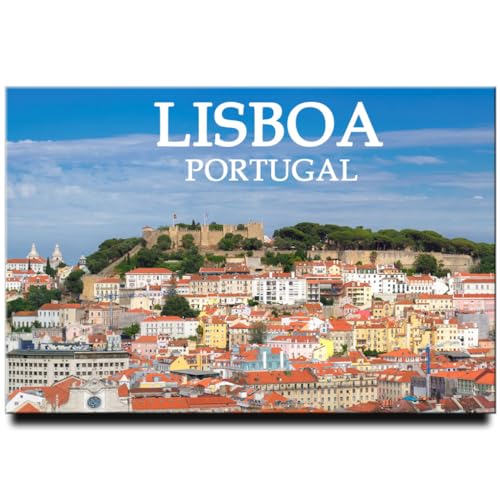
Magnet for refrigerator or locker
Budget-Friendly Travel Times
If keeping costs down is your priority, start by comparing dates from November through February and then check April, early May, and parts of October. Winter often brings softer accommodation demand, while shoulder-season dates may provide a better balance between weather and price.
Do not assume every winter date is inexpensive. Christmas and New Year can raise demand, and major events can sharply affect hotel prices. Likewise, an inexpensive flight may not save money overall if your travel dates coincide with unusually expensive accommodation.
Dining costs are less seasonal than hotel prices, so save money by comparing menus, eating away from the busiest tourist squares, using supermarkets or bakeries for some meals, and taking advantage of Lisbon’s many free viewpoints, parks, neighborhoods, and waterfront walks.
Mercado da Ribeira and other food halls can be enjoyable places to sample different foods, but they should not automatically be treated as the cheapest dining option. Compare individual vendors and nearby restaurants if budget is your main concern.
Products Worth Considering


The Portugal SIM card has 6GB of mobile data. Unlimited calls within the EU and the UK. SIM card comes with UK phone number (+44) with free incoming calls and texts.
Tips for Navigating Lisbon’s Weather
Check the forecast shortly before each day of sightseeing because long-term climate averages cannot predict the weather on a specific date. Lisbon’s hills, narrow streets, open waterfront, shade, and Atlantic wind can also make one part of the city feel cooler or breezier than another without creating completely separate climates.
In spring and autumn, layers are useful because mornings and evenings can feel cooler than the afternoon. A lightweight rain jacket or compact umbrella is also practical when rain is possible.
In summer, breathable clothing, water, sunscreen, and a hat are more useful than heavy layers during the day. A light outer layer can still help during breezy evenings near the river or coast.
On rainy days, schedule museums, churches, food markets, and other indoor attractions. On clear days, prioritize viewpoints, Alfama walks, Belém, parks, and coastal excursions.
Lisbon’s metro, buses, trams, funiculars, and trains can reduce the amount of steep walking needed during very hot or wet weather. Comfortable shoes with good grip are useful throughout the year because many streets are paved with polished Portuguese stone that can become slippery when wet.
Warning: Lisbon’s stone pavements and steep streets can become slippery in rain. Wear shoes with dependable traction and allow extra time when walking downhill in wet conditions.
If you are preparing for long days of sightseeing, a charged phone can be useful for maps, transit information, tickets, and reservations. You can also read our guide to 3 portable phone chargers. For packing ideas, see the guide to 5 must-have minimalist travel backpacks for spring adventures.
Frequently Asked Questions
What is the best time to travel to Lisbon, Portugal?
For most travelers, April to May and late September to October offer the best balance of comfortable temperatures and manageable crowds. May is particularly attractive for walking and sightseeing, while September stays warmer but can remain busy.
What is the weather like in Lisbon throughout the year?
Lisbon has warm, very dry summers and mild, wetter winters. IPMA’s climate normal gives average daytime highs of about 28°C (82°F) in July and August and around 15°C (59°F) in December and January. Rainfall is lowest in midsummer and much higher from autumn through winter.
When is the peak tourist season in Lisbon?
June through August is the main high season because of warm, dry weather, school holidays, and major events. September can also remain busy, so travelers looking for noticeably lighter crowds may prefer spring, later October, or winter.
When is the off-peak tourist season in Lisbon?
November through February is generally quieter than summer, especially outside Christmas, New Year, and major events. The trade-off is cooler weather and a greater chance of rain.
Are there major Lisbon events travelers should consider when planning a trip?
Yes. June is especially busy because of Festas de Lisboa and Santo António celebrations. The Lisbon Book Fair is another major annual event, and Lisbon also hosts large concerts, festivals, conferences, and races such as the EDP Lisbon Marathon. Exact dates change, so check official calendars before booking.
Is May or September better for Lisbon?
May is usually better if you want milder walking temperatures before peak summer heat. September is warmer and better suited to combining the city with beach trips, but it can still be busy. Your preferred temperature and hotel prices on the exact dates should decide between them.
Is Lisbon worth visiting in winter?
Yes. Winter is a good option for travelers who prioritize museums, restaurants, quieter attractions, and potentially lower accommodation demand. Daytime temperatures are mild by northern European standards, but rain is much more likely than in summer.
What is the rainiest time of year in Lisbon?
Late autumn and early winter are the wettest period. In IPMA’s 1981–2010 Lisbon climate normal, November averaged 127.5 mm of precipitation and December 126.2 mm, compared with just 3.9 mm in July.
Sources
- Portuguese Institute for Sea and Atmosphere (IPMA) — Lisbon Climate Normal — average temperatures, hot-day frequency, and precipitation.
- Visit Lisboa — official Lisbon tourism information and general climate context.
- Lisbon City Council — Festas de Lisboa — current information on Lisbon’s June festivities and Santo António events.
- Feira do Livro de Lisboa — official Lisbon Book Fair dates and visitor information.
- Turismo de Portugal / TravelBI — Short-Term Accommodation 2025 — tourism demand and seasonality data.
- Maratona Clube de Portugal — EDP Lisbon Marathon 2026 Regulations — official 2026 marathon date and event details.
