
Last Updated on July 27, 2026 by Daniel Globe
Jamaica features a tropical climate with warm temperatures year-round, average daily highs ranging from 77°F to 88°F (25°C to 31°C), and distinct wet and dry seasons. Whether you are seeking sunny beach weather on the coast or lower hotel rates during the shoulder months, understanding the island’s weather patterns, regional microclimates, and event calendars is essential for planning a successful trip.
Quick Answer
The overall best time to travel to Jamaica is from December through April. These months bring dry, sunny weather with low humidity and comfortable temperatures averaging 77°F to 84°F—ideal for beach activities and outdoor tours. For budget-conscious travelers wanting fewer crowds and lower hotel rates, the best window is the shoulder season from mid-April to May or November.
Key Takeaways
- Peak Tourist Season: Mid-December to mid-April offers optimal sunshine and dry skies, but commands higher rates for flights and accommodations.
- Off-Peak & Shoulder Months: Mid-April to mid-December provides significant savings on resorts, though visitors should prepare for higher humidity and occasional rainfall.
- Hurricane Season Awareness: The Atlantic hurricane season officially runs from June 1 through November 30, with peak storm activity occurring between August and October.
- Festival Highlights: Cultural events take place year-round, including Reggae Month (February), Jamaica Carnival (April), Reggae Sumfest (July), and Independence Day (August 6).
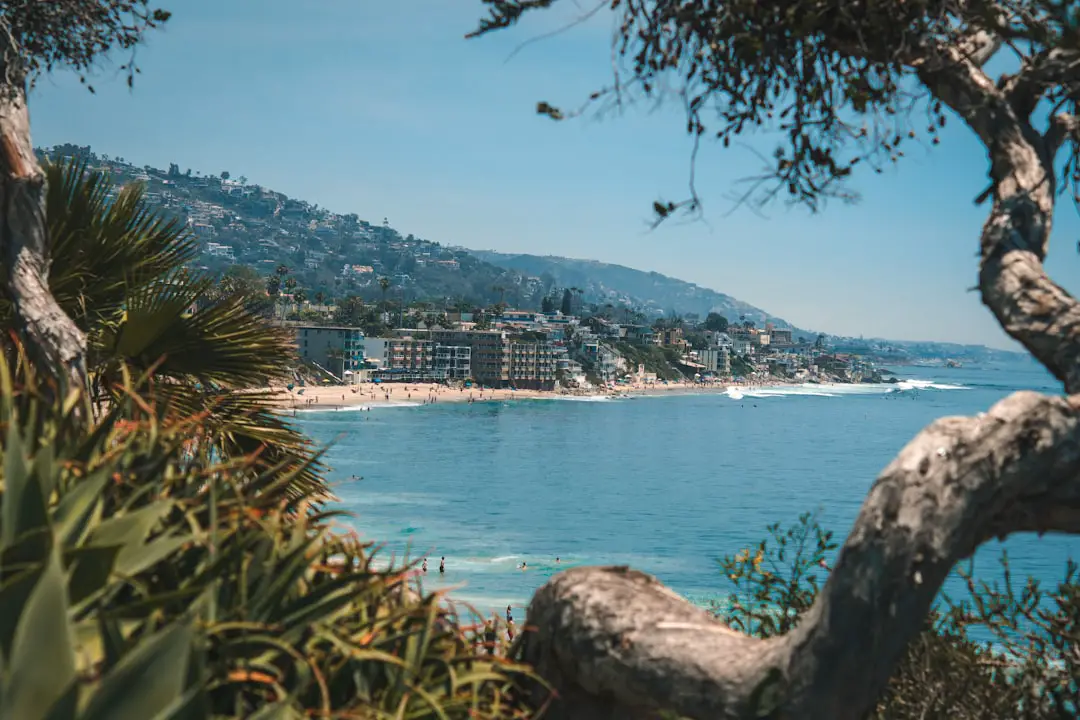
Jamaica’s geographic features, including towering mountain ranges and extensive coastal plains, create distinct microclimates across the island. Coastal resorts like Montego Bay, Negril, and Ocho Rios tend to remain warm and humid, while mountainous interior regions—such as the Blue Mountains—experience noticeably cooler temperatures and heavier annual rainfall. Trade winds blowing from the Atlantic Ocean bring refreshing breezes to the north and east coasts, helping temper the tropical afternoon heat.
Disclosure: As an Amazon Associate I earn from qualifying purchases. Some links on this page are affiliate links, at no extra cost to you.
Weather Patterns Throughout the Year
Jamaica’s tropical weather remains warm throughout every month, but precipitation and humidity levels fluctuate significantly across the year:
- January & February: Generally the coolest and driest months of the year, with daytime temperatures averaging 82°F (28°C) and comfortable evening drops around 70°F (21°C). Humidity is low, making this prime time for sightseeing.
- March & April: Temperatures begin rising slightly into the mid-80s°F. Skies remain predominantly clear, making spring an excellent period for outdoor exploration before summer rains begin.
- May & June: May marks the start of the wet season, bringing shorter afternoon rain showers that clear quickly. Humidity increases, but landscapes turn lush and green.
- July & August: Summer months bring hot daytime temperatures topping 88°F–90°F (31°C–32°C). While July experiences a brief drop in rain, August marks the start of peak tropical storm activity.
- September & October: The rainiest months across Jamaica. Showers can be intense, though they frequently occur in concentrated afternoon bursts followed by sunshine.
- November & December: November acts as a transition month as rain tapers off rapidly. By mid-December, dry, sunny conditions return fully across the island.
Warning: The official Atlantic hurricane season runs from June 1 through November 30, with peak risk between August and October. While direct hurricane strikes are uncommon, severe tropical storms can cause flight delays and heavy rainfall. Travelers visiting during autumn should consider purchasing flexible travel insurance.
Best Time for Outdoor Activities
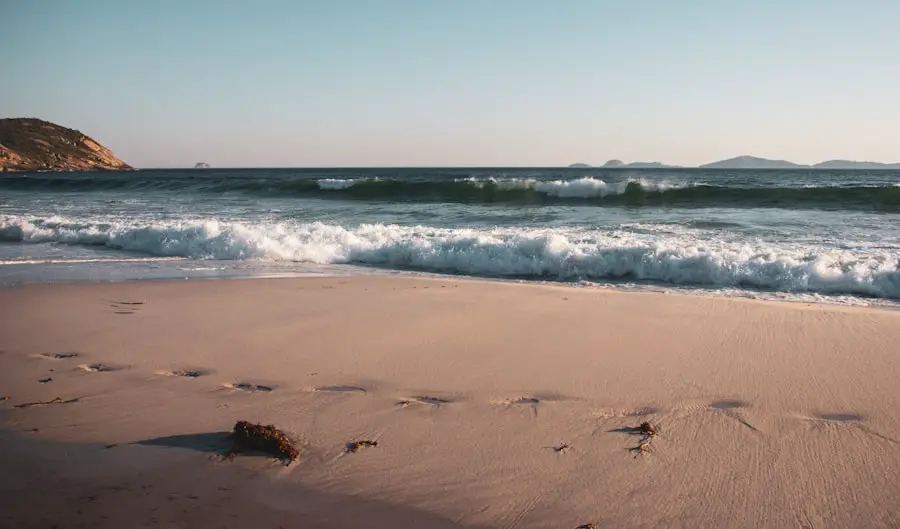
For visitors eager to experience Jamaica’s natural attractions, timing your activities according to the daily weather pattern ensures the best experience. The dry winter months (December through April) offer optimal conditions for hiking the Blue Mountains, river rafting on the Martha Brae, or climbing famous waterfalls like Dunn’s River Falls and the YS Falls.
Water clarity for snorkeling and scuba diving is highest during the dry season when sea conditions are calmest along the northern and western coastlines. Popular coastal spots like Doctor’s Cave Beach in Montego Bay and the coral reefs off Negril offer warm sea temperatures averaging 80°F to 83°F (27°C to 28°C) year-round.
Pro Tip: Even during the wet season (May to November), morning hours are usually dry and bright. Schedule outdoor hikes, waterfall climbs, and boat excursions before 1:00 PM to finish before afternoon rain showers typically begin.
Special Events and Cultural Festivals
Jamaica’s rich cultural heritage is celebrated through world-renowned musical and cultural festivals throughout the year:
- Reggae Month (February): Honors Jamaica’s musical legacy with island-wide concerts, street festivals, and exhibitions, anchored around Bob Marley’s birthday on February 6th.
- Jamaica Carnival (April): Held after Easter in Kingston, Ocho Rios, and Montego Bay, featuring vibrant costumes, soca music, street parades, and energetic fetes.
- Reggae Sumfest (July): The Caribbean’s largest music festival, held annually in Montego Bay, featuring performances by top reggae and dancehall artists.
- Independence Day (August 6th): A national celebration marking Jamaica’s independence from British rule, featuring grand parades, traditional dance performances, culinary fairs, and fireworks displays.
Budget-Friendly Travel Times
Travelers seeking high value can unlock substantial savings by booking during the off-season window from mid-April through mid-December. Resorts and hotel properties routinely discount room rates by 20% to 40% compared to peak winter pricing.
In addition to hotel discounts, flights to major international airports in Montego Bay (MBJ) and Kingston (KIN) are typically lower during mid-week travel dates (Tuesdays and Wednesdays) compared to weekend flights.
Note: The shoulder season months of May and November offer a sweet spot for travelers—combining moderate accommodation prices with manageable rainfall and fewer tourist crowds.
Tips for Avoiding Crowds
Popular tourist hubs like Montego Bay, Negril, and Ocho Rios experience heavy visitor foot traffic during the peak winter months and cruise ship docking hours. To enjoy a more relaxed atmosphere:
- Visit Attractions Early: Popular sites like Dunn’s River Falls or the Bob Marley Museum are least crowded right when doors open in the morning or in the late afternoon after cruise tour buses depart.
- Explore Off-the-Beaten-Path Destinations: Consider visiting less crowded regions such as Treasure Beach on the south coast or Port Antonio on the northeast coast for authentic cultural experiences away from major resort strips.
- Travel Mid-Week: Local beaches and public markets are significantly quieter Monday through Thursday than on weekends when local families visit.
Making the Most of Your Trip
Maximizing your trip to Jamaica involves balancing planned excursions with flexible downtime. While iconic landmarks like the Blue Hole and YS Falls belong on any itinerary, leaving room for spontaneous local interactions often yields memorable travel moments. Sampling authentic local cuisine—such as slow-cooked jerk chicken, ackee and saltfish, and fresh patties—at roadside stands provides a deeper connection to the island’s culture. By aligning your travel dates with your priorities regarding weather, budget, and local events, you can ensure a rewarding Jamaican experience.
Frequently Asked Questions
What is the overall best month to travel to Jamaica?
January and February are widely considered the best months to visit Jamaica. They offer ideal weather conditions with daily highs around 82°F (28°C), low humidity, and minimal rainfall across all major coastal resorts.
What is the cheapest time of year to visit Jamaica?
The most budget-friendly time to visit Jamaica is during the off-season between September and November. Resort rates and airfares reach their annual lows during this period, though visitors should anticipate higher rainfall during afternoon showers.
When is hurricane season in Jamaica?
The official Atlantic hurricane season runs from June 1 through November 30. Storm activity historically peaks between August and October. Direct hurricane hits are uncommon, but travelers during this window should monitor weather forecasts and secure flexible booking policies.
Is Jamaica crowded during the peak winter season?
Yes. Popular tourist centers like Montego Bay, Negril, and Ocho Rios see peak visitor numbers from mid-December through April. Advance reservations for hotels, popular restaurants, and guided tours are strongly recommended during these months.
What major music festivals take place in Jamaica?
Jamaica hosts several major music festivals, including Reggae Month celebrations in February, Jamaica Carnival in April, and Reggae Sumfest—the island’s largest reggae and dancehall festival—held in Montego Bay every July.
Sources
- Jamaica Tourist Board — Official travel advisory, event schedules, and seasonal resort guidance
- NOAA National Hurricane Center — Historical climate data and Atlantic tropical cyclone timelines
- Jamaica Information Service — Official government updates on national celebrations and public holidays
