Last Updated on July 28, 2026 by Daniel Globe
Hawaii is a year-round destination, but the best month for your trip depends on what matters most: drier weather, smaller crowds, whale watching, big-wave surfing, calm swimming conditions, cultural festivals, or lower travel prices. Temperatures change less than they do on the mainland, yet rainfall, surf, demand, and local conditions can vary sharply by season, island, elevation, and even which side of an island you visit.
Quick Answer
For many travelers, late April through May and September through early November offer a useful balance of warm weather and fewer school-holiday crowds. Choose January through March for peak humpback whale viewing, winter for North Shore surf, and summer for generally calmer north-facing waters. Compare live prices and forecasts before booking.
Key Takeaways
- Hawaii has warm weather all year, but summer is generally warmer and drier while winter brings more frequent rainstorms.
- Late spring and fall can be good value periods, although airfare and hotel prices still depend on holidays, events, island, and booking demand.
- Humpback whales are generally seen from November through April, with the strongest viewing odds from January through March.
- Winter brings larger surf to many north- and west-facing shores; summer often brings calmer conditions there but can produce larger south-shore swells.
- The central Pacific hurricane season runs from June 1 through November 30, so fall is not automatically a lower-risk weather period.
- Popular places may require advance reservations, even outside traditional peak seasons.
Disclosure: As an Amazon Associate I earn from qualifying purchases. Some links on this page are affiliate links, at no extra cost to you.
Hawaii Weather by Season
Hawaii has two broad seasons. Summer, called kau, runs from May through October. Winter, called hoʻoilo, runs from November through April. According to the Hawaiʻi Tourism Authority’s weather guide, average daytime temperatures at sea level are about 85°F (29°C) in summer and 78°F (26°C) in winter. Nights are usually about 10°F cooler.
Summer: May Through October
Summer is usually warmer, drier, and more consistently influenced by northeast trade winds. Leeward resort areas often receive less rain than windward slopes. Conditions can still change quickly, and tropical systems are possible during the central Pacific hurricane season.
Winter: November Through April
Winter is slightly cooler and brings more frequent clouds, fronts, Kona storms, and heavy rain events. The National Weather Service climate summary notes that Hawaii’s heaviest storm rains generally occur from October through April. That does not mean every winter day is rainy; many showers are brief or limited to one side of an island.
Microclimates Matter More Than the Statewide Forecast
Mountains create sharp weather differences over short distances. Windward areas such as Hilo and eastern Kauaʻi are generally wetter, while leeward areas such as Waikīkī, Ko Olina, Poʻipū, Kona, and the South Maui resort corridor are often drier. Higher elevations can be cold, windy, foggy, or wet even when beaches are sunny.
Note: Check the forecast for the exact town, beach, trail, or summit you plan to visit. A single island-wide forecast can hide major differences between windward, leeward, coastal, and high-elevation areas.
Peak Tourist Seasons
Winter and Summer Peak Seasons
Demand often rises around winter break, spring break, summer vacation, Thanksgiving, and other major holiday periods. These dates can bring fuller flights, higher room rates, heavier traffic, and limited tour availability. However, there is no single statewide “crowd calendar” that works every year. Current arrival patterns can be checked through the Hawaiʻi Tourism Authority’s monthly visitor statistics.
Holiday Travel and Its Impact
Late December and early January are especially competitive because winter travelers overlap with school holidays. Summer can also be busy with family travel. Prices may jump around holiday weekends even when the surrounding month is quieter, so compare complete trip costs rather than relying only on a seasonal label.
Planning Ahead for Peak Seasons
Book early when your dates are fixed or tied to a festival, school break, wedding, or cruise. Flights and rooms are only part of the planning. Some high-demand attractions use timed-entry or reservation systems:
- Diamond Head State Monument requires entry and parking reservations for nonresidents.
- Hāʻena State Park, the access point for Kēʻē Beach and the Kalalau Trail, limits daily visitors and requires advance reservations for nonresidents.
- Haleakalā sunrise access requires a reservation for entry during sunrise hours.
- USS Arizona Memorial programs use advance online reservations, with limited standby space that is not guaranteed.
Pro Tip: Reserve limited-entry parks and memorial programs before building the rest of your day around them. Rules, release windows, fees, and closures can change, so confirm details on the official site.
Off-Peak Travel Times
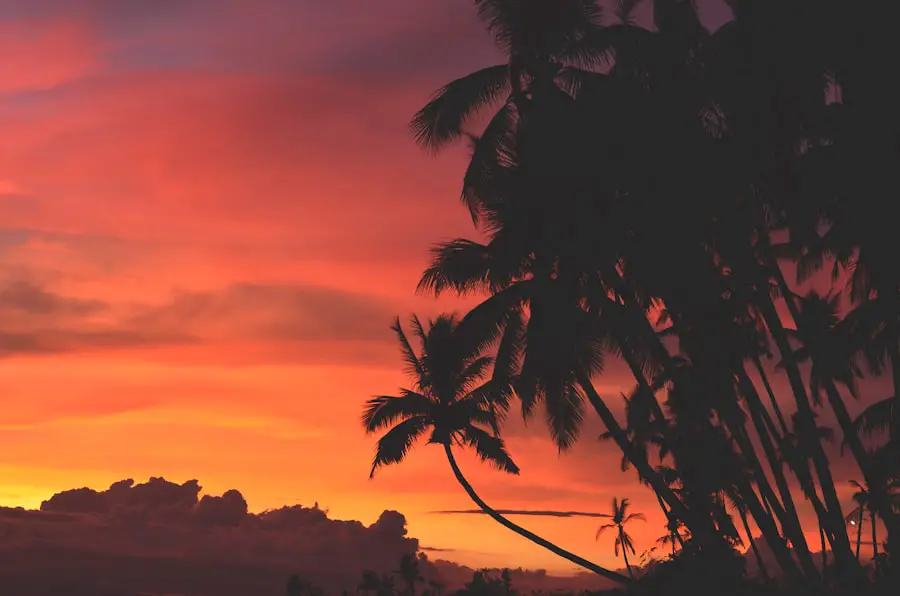
Late April through May and parts of September through early December often fall between major U.S. school-holiday periods. These windows can offer more room choices and a calmer feel than Christmas week or the busiest summer dates. They are not guaranteed to be cheap or empty, especially when a major festival, convention, wedding season, or limited air service pushes up demand.
Late spring is often the easiest shoulder season for travelers who want warm weather without the peak of central Pacific hurricane season. Fall can also provide good value, but September through November remains within hurricane season. Buy suitable travel insurance when prepaid costs are high, and review cancellation terms before booking.
Quieter dates can make popular beaches, restaurants, and hiking areas feel less rushed. Still, reservation requirements do not disappear during shoulder season, and local weekends can be busy even when visitor totals are lower.
Best Time for Outdoor Activities
| Activity | Best Time |
| Whale watching | November through April; peak viewing is usually January through March |
| Big-wave surfing | Winter on exposed north- and west-facing shores; expert conditions only |
| Snorkeling and swimming | Choose a protected, lifeguarded beach with calm conditions; north shores are often calmer in summer |
| Hiking | Early morning year-round; choose a dry forecast and avoid closed or muddy trails |
| Cycling and running | Early morning or late afternoon, with extra water and sun protection |
| Picnics and scenic drives | Year-round; avoid midday heat and check park hours, road notices, and rain forecasts |
Surfing
Winter swells can produce famous big-wave conditions on Oʻahu’s North Shore and other exposed north- and west-facing coasts. These conditions are for experienced surfers, not casual swimmers. Summer often calms many north-facing shores, while south-facing shores can receive larger summer swells.
Snorkeling and Swimming
Do not choose a snorkeling day by month alone. Wind, swell direction, tide, current, and local reef shape matter more than the season. Check current conditions through Hawaii’s beach-safety information, ask a lifeguard, and use a protected beach that matches your ability.
Hiking
Spring and fall can be comfortable for hiking, but trail conditions depend on recent rain and elevation. Start early to reduce heat exposure, carry water, wear shoes with traction, and obey closures. The Kalalau Trail requires the correct Hāʻena reservation or permit, while Diamond Head requires reservations for nonresidents.
Whale Watching
The Hawaiian Islands Humpback Whale National Marine Sanctuary says humpbacks are generally seen from November through April, with peak season from January through March. Maui Nui is especially well known for whale watching, but sightings are possible around several islands.
Warning: Hawaii’s ocean can be dangerous even on sunny days. High surf, rip currents, shorebreak, and sudden changes can affect any season. Swim near a lifeguard, obey posted warnings, and stay out of the water when conditions exceed your ability.
Special Events and Festivals
Hawaii’s event calendar can shape both the experience and the price of a trip. Dates change each year, so use official event sites before booking nonrefundable travel.
Merrie Monarch Festival
The Merrie Monarch Festival is a week-long celebration in Hilo centered on hula, Hawaiian arts, exhibitions, and a grand parade. The 2026 festival ran April 5–11, and the official site lists the next festival for March 28–April 3, 2027. Hilo lodging and festival tickets can become scarce, so this is a trip to plan well ahead.
Aloha Festivals
Aloha Festivals presents major Oʻahu events in September. The 2026 schedule includes the Royal Court Investiture on September 5, the Waikīkī Hoʻolauleʻa on September 19, and the Floral Parade on September 26. Neighbor-island celebrations may follow separate schedules.
Other annual events, including King Kamehameha Day celebrations in June, cultural festivals, food events, and major sporting competitions, can also affect availability. Check the island’s official calendar before choosing dates.
Budget-Friendly Travel Times
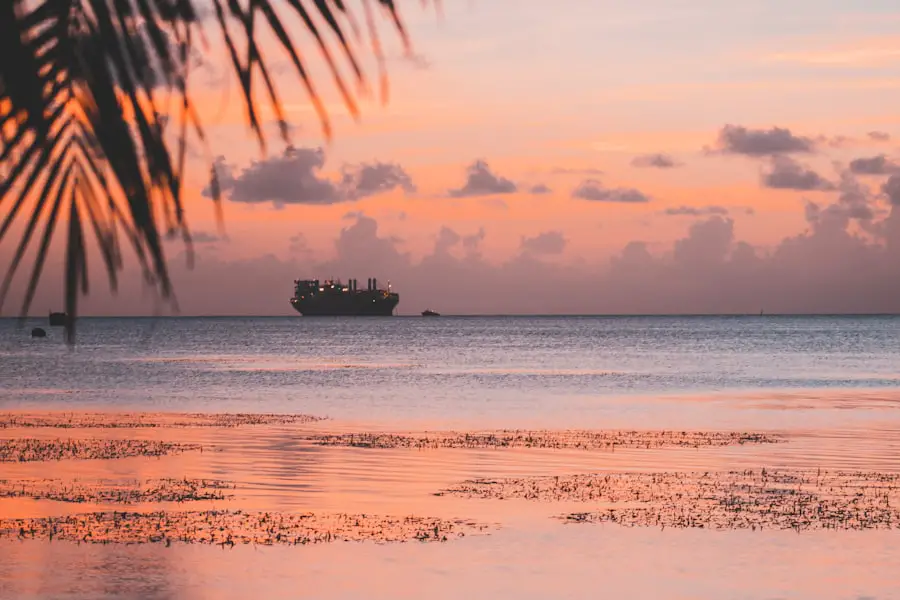
Late spring and fall often provide better odds of finding lower airfare or room rates than the winter holidays and busiest summer weeks. That pattern is not universal. Prices change with route capacity, island, hotel inventory, events, and how far ahead you book.
Use flexible-date calendars to compare several departure days and nearby weeks. Midweek flights and stays may cost less than weekend-heavy itineraries. Compare the final price after resort fees, parking, rental-car costs, taxes, and activity charges rather than choosing a room by its advertised nightly rate.
Food trucks, farmers markets, plate-lunch shops, grocery-store breakfasts, and accommodations with a kitchen can reduce dining costs. Free or low-cost activities include beaches, scenic drives, historic districts, and many public trails, but parking and entry fees may still apply.
The cheapest-looking month is not always the cheapest trip. Compare the full cost of flights, lodging, transportation, parking, meals, and required reservations.
Best Time to Visit Each Major Island
Oʻahu
Oʻahu works well year-round for travelers who want beaches, history, dining, and city conveniences. Winter is best for watching powerful North Shore surf, while summer usually brings calmer conditions there. Waikīkī remains active in every season, and major events can tighten hotel supply.
Maui
January through March is a strong choice for peak humpback whale viewing. South and west Maui are generally drier than windward and upcountry areas. Reserve Haleakalā sunrise in advance, and check official notices for road, park, and wildfire-related access changes.
Kauaʻi
Kauaʻi is lush because it receives substantial rain, especially on windward and mountain areas. Late spring can offer a favorable mix of warmer, somewhat drier weather and fewer holiday crowds. Hāʻena State Park and Kalalau access require advance planning, and heavy rain can make trails muddy or unsafe.
Hawaiʻi Island
The island of Hawaiʻi has major climate differences between the sunny Kona coast, wetter Hilo side, volcanic highlands, and high-elevation summits. Choose your base around planned activities rather than a single island-wide forecast. Volcano, air-quality, road, and park conditions should be checked shortly before each outing.
Travel Tips for Each Season
Spring: March Through May
- Expect lingering winter rain in some areas, with generally warmer and drier conditions as May approaches.
- Reserve early for spring break and Merrie Monarch dates.
- Pack a light rain shell, sun protection, and sturdy shoes for wet trails.
Summer: June Through August
- Plan hikes and outdoor exercise early to avoid the hottest part of the day.
- Expect family-travel demand around school vacations and the Fourth of July.
- Track tropical weather because central Pacific hurricane season begins June 1.
Fall: September Through November
- Look for shoulder-season value, but check festival dates and local events.
- Keep flexible plans because September through November is still hurricane season.
- Confirm ocean conditions daily as seasonal swell patterns begin to change.
Winter: December Through February
- Book holiday travel, rental cars, and popular activities early.
- Bring a light waterproof layer and warmer clothing for Haleakalā, Mauna Kea, and other high elevations.
- Choose protected beaches for swimming and treat large north-shore surf as a viewing experience unless you are properly trained.
Year-Round Planning
Pack reef-conscious sun protection, a reusable water bottle, comfortable walking shoes, a light rain layer, and any prescription medicine you need. Check road closures, park notices, surf warnings, and the local forecast each morning. A portable hotspot may help on some trips, but cellular coverage can still be limited in remote valleys, mountain areas, and stretches of highway. Review this guide to portable WiFi hotspots for international travel if staying connected is important to your itinerary.
Choosing the Right Time to Visit Hawaii
The best time to visit Hawaii is the period that matches your main goal. Choose late April through May for a strong balance of warm weather and fewer major holiday crowds. Choose January through March for peak whale watching, winter for dramatic North Shore surf, or summer for generally calmer north-facing waters. Fall can offer value and cultural events, but it remains within hurricane season. Whatever month you choose, build your plans around the exact island, coast, elevation, ocean forecast, and reservation rules.
Frequently Asked Questions
What is the best time to travel to Hawaii?
Late April through May is a strong all-around choice for many travelers because it falls after spring break and before the busiest summer period. September through early November can also offer value, but those months remain within central Pacific hurricane season.
What is Hawaii’s weather like during the best travel months?
Coastal weather is usually warm throughout the year. Average daytime temperatures at sea level are about 85°F in summer and 78°F in winter, but rainfall varies widely by island, coast, and elevation.
When is Hawaii’s peak tourist season?
The busiest and most expensive periods often include winter break, spring break, summer vacation, Thanksgiving, and major event dates. Actual demand varies by island and year, so check current airfares, room inventory, and Hawaiʻi Tourism Authority visitor data.
What are the advantages of visiting during a shoulder season?
Shoulder-season trips may provide more lodging choices, lighter crowds, and lower prices than major holiday weeks. Savings are not guaranteed, and popular festivals or limited-entry attractions can still sell out.
When is the best time for whale watching in Hawaii?
Humpback whales are generally present from November through April. January through March is the usual peak viewing period.
When is hurricane season in Hawaii?
The official central Pacific hurricane season runs from June 1 through November 30, with peak activity typically in July, August, and September. A seasonal outlook cannot predict whether a specific island or travel week will be affected.
Which Hawaii events should travelers plan around?
Major cultural events include the spring Merrie Monarch Festival in Hilo, King Kamehameha Day celebrations in June, and Aloha Festivals events in September. Confirm dates on official event sites because schedules change each year.
Sources
- National Weather Service: Climate of Hawaiʻi — rainfall, trade winds, terrain, and seasonal storm patterns.
- Hawaiʻi Tourism Authority: Weather in the Hawaiian Islands — seasonal temperature averages and general weather guidance.
- NOAA Climate Prediction Center: Eastern and Central Pacific Hurricane Outlook — official hurricane-season dates and peak months.
- Hawaiian Islands Humpback Whale National Marine Sanctuary — whale season and peak viewing months.
- Safe Beach Day Hawaii — current beach hazards, surf, and ocean-safety information.
- Hawaiʻi Tourism Authority: Monthly Visitor Statistics — current visitor arrivals and demand context.