
Last Updated on July 28, 2026 by Daniel Globe
The Dominican Republic offers beach weather throughout the year, but the best month for your trip depends on what matters most: lower humidity, smaller crowds, whale watching, Carnival, outdoor adventures, or lower prices. The country occupies the eastern two-thirds of Hispaniola and ranges from Caribbean beaches and resort towns to cool mountain areas, so conditions can vary considerably from one region to another. Santo Domingo’s Colonial City is also a UNESCO World Heritage site, giving travelers plenty to explore beyond the coast.
Quick Answer
The best time to visit the Dominican Republic for most travelers is December through April, with December to early March often bringing especially comfortable weather. Visit January through March for Samaná whale watching or February for La Vega Carnival. May through fall can cost less, but hurricane season runs June 1 through November 30.
Key Takeaways
- Best overall weather: December through April, especially December through early March.
- Best for lower prices: May, early June, and selected fall dates can offer better value, although demand varies by resort and holiday period.
- Hurricane season: June 1 through November 30, so flexible reservations are useful during these months.
- Best for humpback whales: January through March in Samaná and nearby whale-watching areas.
- Best for Carnival: February is the key month, particularly in La Vega, although national parade dates can vary.
Disclosure: As an Amazon Associate I earn from qualifying purchases. Some links on this page are affiliate links, at no extra cost to you.
Dominican Republic Weather and Climate
The Dominican Republic has a tropical climate, so coastal destinations stay warm throughout the year. According to the country’s official tourism guidance, December through early March normally brings some of the most comfortable conditions. Daytime temperatures during this period are commonly around 77°F to 80°F (25°C to 27°C), with cooler mornings and evenings.
Conditions become hotter and more humid from spring into fall. Official tourism information describes April through October as the warmer and rainier part of the year, with daytime temperatures around 90°F (32°C) at their peak. Tropical rain does not necessarily mean an entire day is lost: showers can be brief, followed by sunshine.
It is better to think of the Dominican Republic as having a generally drier and more comfortable winter period rather than one rigid nationwide dry season. Rain patterns differ between the north coast, east coast, south coast, Samaná Peninsula, and mountain interior.
The highlands can be much cooler than the beach resorts. Jarabacoa and Constanza, for example, offer mountain conditions that make them appealing to travelers who want hiking, waterfalls, rafting, and relief from coastal heat.
Note: A forecast showing rain every day does not automatically mean a washout. Tropical forecasts often reflect the possibility of short showers or thunderstorms rather than continuous all-day rain.
Best Months to Visit at a Glance
| Travel Goal | Best Time |
| Most comfortable beach weather | December–April |
| Humpback whale watching | January–March |
| La Vega Carnival | February |
| Hiking and mountain activities | December–April for generally cooler, more comfortable conditions |
| Cabarete kitesurfing and windsurfing | June–August for particularly consistent thermal winds; good wind also occurs at other times |
| Potentially better prices | May, early June, and selected fall dates outside holidays |
Peak Season: December Through April
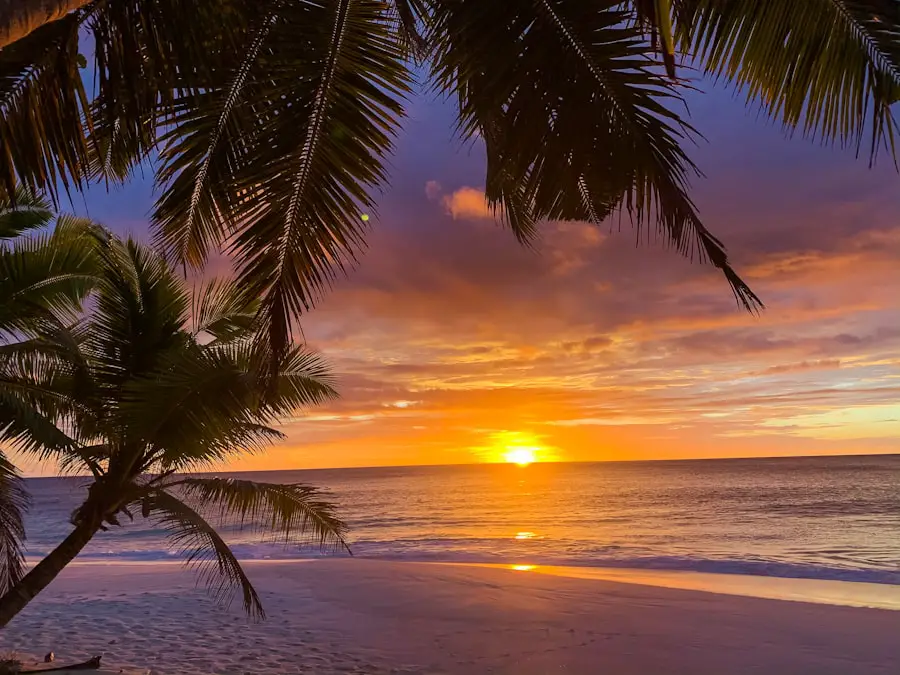
December through April is the main winter high season for many Dominican Republic destinations. Travelers from colder parts of North America and Europe arrive for warm beaches, lower humidity, and relatively comfortable sightseeing weather.
Punta Cana’s official tourism page identifies December through April as a peak period. Resorts can be busy around Christmas, New Year, Presidents’ Day week, spring break, and Easter-related holidays.
The advantages are straightforward: comfortable beach weather, an active resort atmosphere, and good conditions for sightseeing and outdoor trips. The trade-off is stronger demand for popular hotels, nonstop flights, excursions, and beachfront rooms.
Booking well in advance is sensible if you have fixed dates or want a particular resort. An independent guide such as Lonely Planet’s Dominican Republic overview can also help when comparing destinations.
High season is not identical everywhere. Samaná, for example, is especially popular from January through March because humpback whales migrate to the region, while July and August can also attract substantial visitor numbers.
Lower-Crowd and Better-Value Periods
The original idea of one continuous “off-peak season” from mid-April through mid-December is too simple. May and early June can be useful value periods, and parts of September through November may also bring lower rates, but prices and occupancy depend on the destination, school holidays, weekends, events, and resort promotions.
| Factor | What to Expect Outside Winter High Season |
| Hotel demand | Often lower in shoulder periods, but summer, holidays, and popular weekends can still be busy. |
| Visitor numbers | Usually less concentrated than winter high season, depending on the destination. |
| Airfare and room prices | Discounts may be easier to find, but they are not guaranteed. |
| Weather | Hotter and more humid, with a greater chance of showers and thunderstorms. |
| Flexibility | Useful from June through November because tropical weather can disrupt plans. |
Pro Tip: For a balance of price and weather, compare late April through May and early June before the busiest summer weeks. Check several date combinations rather than assuming every “off-season” week is cheaper.
Dominican Republic Hurricane Season
The official Atlantic hurricane season runs from June 1 through November 30, according to the National Hurricane Center. This does not mean a hurricane will affect the Dominican Republic during your trip, but tropical storms can cause flight delays, rough seas, heavy rain, or temporary changes to excursions.
Warning: If you travel between June and November, check National Hurricane Center forecasts as departure approaches. Consider refundable or changeable bookings and read the weather, cancellation, interruption, and evacuation terms of any travel insurance policy rather than assuming every storm-related expense is covered.
Travel during hurricane season can still be enjoyable. Many days remain sunny, and lower-demand periods can provide good hotel deals. The key difference is that travelers should build more flexibility into their plans.
Best Time for Outdoor Activities
For hiking, waterfalls, biking, and long sightseeing days, December through April is generally the easiest period because temperatures and humidity are often more comfortable.
Jarabacoa in the central highlands is one of the country’s best-known adventure bases. Its mountain setting offers hiking, rafting, waterfalls, horseback riding, and access to cooler landscapes than the coastal resort areas. Conditions can change quickly at elevation, so suitable footwear and a light rain layer are useful even during generally favorable months.
Los Haitises National Park and the Samaná Peninsula are also rewarding for nature trips. Boat excursions, mangroves, caves, beaches, and wildlife make this area particularly appealing during the January-to-March whale season.
Travelers planning a broader backpacking or camping trip can also review this ultralight tent guide, although local park rules and permitted camping areas should always be confirmed before carrying camping equipment into protected areas.
Best Time for Whale Watching
January through March is one of the most distinctive times to visit the Dominican Republic. The official Samaná tourism guide identifies these months as humpback-whale season, when whales migrate into the area’s warm waters.
If whale watching is a major reason for your trip, build your itinerary around Samaná or Miches rather than treating the excursion as an optional add-on from a distant resort.
Best Time for Kitesurfing and Windsurfing
Cabarete on the north coast has year-round wind-sport appeal, but official tourism guidance notes that June through August is particularly good for kitesurfing and windsurfing because of consistent thermal winds. December through April can also provide good wind conditions.
This is a useful reminder that the “best” weather season and the “best” sports season are not always the same.
Cultural Events and Festivals
Experience Dominican Carnival
February is the heart of Carnival season in many parts of the Dominican Republic. La Vega is one of the best-known places to experience it, with colorful costumes, masks, music, and street celebrations. The official Dominican Republic tourism site identifies February as La Vega’s Carnival high season.
Do not assume every national Carnival event occurs in February, however. Major parade dates in Santo Domingo can change from year to year, so check the government’s current cultural calendar before booking a trip specifically for a parade.
Enjoy Merengue and Dominican Music
Merengue is central to Dominican cultural identity, and live merengue, bachata, and other Dominican music can be found throughout the year. Older travel guides sometimes list a fixed summer Merengue Festival in Santo Domingo, but travelers should verify the current year’s program before planning a trip around one specific festival date.
For a music-focused trip, Santo Domingo, Santiago, Puerto Plata, and other major cities offer live performances, nightlife, and cultural venues even when no major festival is scheduled.
Semana Santa and Holiday Travel
Semana Santa, or Holy Week, is an important travel period that falls in March or April depending on the Easter calendar. Domestic travel can increase considerably around the holiday, especially at beaches and popular weekend destinations.
Travelers seeking peace and quiet should check the year’s Easter dates before booking. Those who want to experience Dominican traditions may find the period culturally rewarding, but should expect heavier local travel demand.
Immerse Yourself in Dominican Culture
Festivals can provide a more meaningful experience than staying exclusively inside a resort. Carnival, music performances, local markets, museums, baseball culture, food, and neighborhood celebrations all give visitors opportunities to experience the country’s Taino, African, European, and modern Caribbean influences.
Best Time to Visit Different Parts of the Dominican Republic
Products Worth Considering

Vibrant 3D Design – Stunning handcrafted 3D fridge magnet featuring iconic Punta Cana palm trees, beaches, or landmarks , bringing the tropical beauty of the Dominican Republic to your home or office.

【BAG SIZE】23.5 cm ( 9.25 inch ) * 17 cm ( 6.69 inch) . TIPS: Manual measuring permissible error, Have enough space to storage your Cosmetics, Skin Care Products, Cosmetic Accessories such as lipstick, eyeshadow palette, nail polish, eyeliner, powder, liquid foundation, eyebrow pencil....but also jewelry, electronic accessories, camera, essential oil, toiletries, valuable objects and so on.
Punta Cana
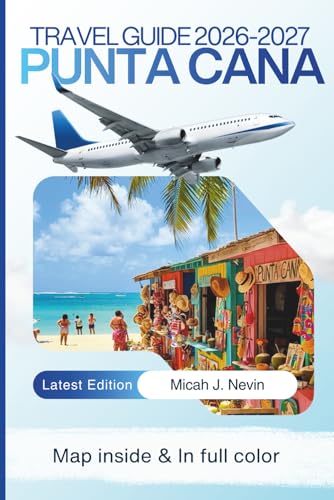
December through April is the classic choice for comfortable resort weather, but summer is also a busy period. Travelers focused on lower prices should compare May, early June, and fall dates rather than assuming July and August will be quiet.
Samaná
January through March is the standout period because of humpback-whale migration. July and August can also be busy. Samaná is more humid than some resort areas and its green scenery reflects that wetter climate.
Santo Domingo
December through March is particularly comfortable for walking the Colonial City and other outdoor attractions. February is culturally active because of Carnival season, although national parade dates should be checked each year.
Jarabacoa and the Central Highlands
The mountain interior is cooler than the coast. December through April works well for many hiking and adventure trips, but mountain weather can change quickly at any time of year.
Puerto Plata, Sosúa, and Cabarete
December through April is popular for winter escapes. Travelers interested in wind sports should also consider June through August, when Cabarete typically receives strong thermal winds.
Travel Tips for Each Season
December through April: Reserve popular hotels, flights, transfers, and excursions early, especially around Christmas, New Year, school breaks, and Easter. Bring lightweight clothing, strong sun protection, comfortable walking shoes, and a light layer for cooler evenings or highland trips.
May through August: Expect warmer temperatures and higher humidity. Afternoon showers are possible, but many are brief. Summer can still be busy at resort destinations, so do not assume low prices without comparing dates.
September through November: This period can produce attractive hotel pricing but falls within Atlantic hurricane season. Flexible bookings become more important, and travelers should monitor weather forecasts as departure approaches.
A light rain jacket or compact umbrella is useful outside the driest periods. Sunscreen, drinking water, and insect repellent are sensible year-round.
If reliable internet access matters away from your hotel, a portable WiFi hotspot for international travel may help, although travelers should compare it with local SIM and eSIM options before departure.
Before an international trip, review the latest U.S. State Department travel information for the Dominican Republic or the equivalent advisory from your own government. Conditions and entry information can change independently of seasonal weather.
Products Worth Considering
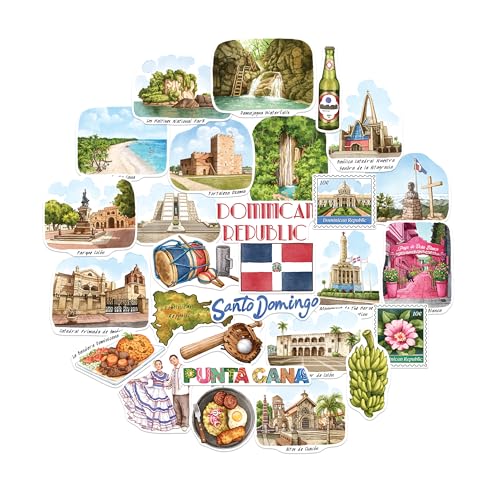
VIBRANT GETAWAY TO THE DOMINICAN REPUBLIC. Experience the soul of the Caribbean with our Dominican Republic Travel Sticker Set. This 28-piece collection brings the island’s rich culture, breathtaking landscapes, and lively traditions to life, making every memory a colorful keepsake.

Dominican Designs: Includes 200 PCS bulk Dominican Republic stickers with 100 unique designs, featuring island landscapes, famous cities, tropical beaches, traditional cuisine, and cultural symbols inspired by the vibrant spirit of the Dominican Republic.

Choosing the Best Time to Visit the Dominican Republic
For the simplest combination of comfortable weather and reliable outdoor conditions, December through April remains the strongest all-around choice. December through early March is especially appealing for travelers who dislike intense heat and humidity.
That does not make the rest of the year a bad time to visit. January through March is exceptional for whale watching, February is ideal for La Vega Carnival, June through August can suit Cabarete wind-sport travelers, and shoulder-season dates may deliver better hotel prices.
The main trade-off from June through November is hurricane-season uncertainty. Travelers who can keep their bookings flexible can still find warm beaches, fewer winter-season crowds, and worthwhile deals during this period.
Products Worth Considering
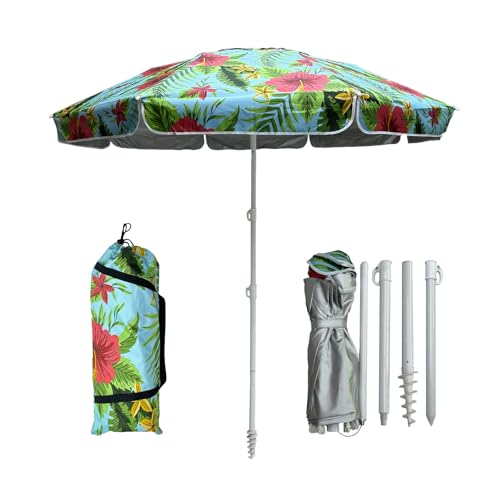
Superior Sun Protection: Enjoy your outdoor activities in comfort with our 6ft umbrella canopy, offering UPF 50+ protection to shield you from over 98% of UVA and UVB rays. Perfect for beach outings, camping trips, or any outdoor event.Beach Shelter Umbrella

7' SAND ANCHOR BEACH UMBRELLA: Offers UPF 50+ sun protection and features a stylish design that makes it easy to mark your spot on the beach or stay shaded on your patio or during any outdoor excursion
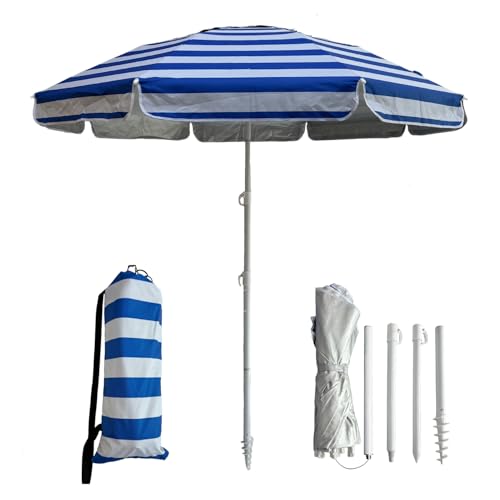
Effortless Portability & Compact Design:Foldable lightweight frame and included carry bag make this umbrella perfect for travel. Easily fits in backpacks, car trunks, or beach totes—set up in seconds for instant shade anywhere.
Frequently Asked Questions
What is the best time to travel to the Dominican Republic?
December through April is the best all-around period for most visitors because temperatures and humidity are generally more comfortable. December through early March is particularly pleasant. The best dates can change, however, if your priorities are whale watching, Carnival, water sports, lower prices, or smaller crowds.
What is the weather like during the best months to visit?
December through early March normally brings warm days with less oppressive humidity than summer. Official tourism guidance places daytime temperatures in many areas around 77°F to 80°F during this comfortable winter period, although coastal, inland, and mountain temperatures vary.
When is hurricane season in the Dominican Republic?
Atlantic hurricane season runs from June 1 through November 30. A trip during these months is not automatically a bad idea, but flexible reservations, appropriate travel insurance, and monitoring National Hurricane Center forecasts are sensible precautions.
When is whale-watching season in the Dominican Republic?
January through March is the main humpback-whale season around Samaná and nearby protected waters. Travelers specifically interested in whales should consider staying in Samaná or arranging an authorized excursion from an appropriate departure point.
What festivals take place during the best travel season?
February is an important Carnival month, particularly in La Vega. Semana Santa takes place in March or April depending on the year. National parades, concerts, and music festivals can change dates, so travelers planning around a specific event should confirm that year’s official schedule before booking.
What activities are best from December through April?
Beach trips, snorkeling, diving, hiking, sightseeing, rafting, biking, and national-park excursions are popular during the generally more comfortable winter period. January through March also adds humpback-whale watching in Samaná.
When can I find lower prices in the Dominican Republic?
May, early June, and selected fall dates can offer better hotel or flight prices than winter high season. Rates vary considerably by resort, destination, holiday, and school calendar, and July or August can still be busy in popular beach areas.
Sources
- Dominican Republic Ministry of Tourism — Travel Tips — climate, temperatures, rain patterns, and hurricane-season travel guidance.
- NOAA National Hurricane Center — official Atlantic hurricane-season dates and tropical-weather forecasts.
- Dominican Republic Ministry of Tourism — Samaná — whale-watching season and regional visitor seasonality.
- Dominican Republic Ministry of Tourism — La Vega — February Carnival timing and regional travel information.
- UNESCO World Heritage Centre — Colonial City of Santo Domingo — World Heritage designation and colonial history.
- U.S. Department of State — Dominican Republic Travel Information — current travel-safety guidance.
