Last Updated on July 31, 2026 by Daniel Globe
Brazil is too large and climatically varied for one month to be the best choice for every trip. A beach vacation in Rio de Janeiro, a wildlife safari in the Pantanal, and a river journey in the Amazon each follow different weather, rainfall, crowd, and water-level patterns. The right time to travel therefore depends first on where you plan to go and what you want to do.
Quick Answer
The best time to visit Brazil depends on the destination. March to May and September to November often suit city and sightseeing trips in the Southeast. Choose the drier months for Pantanal wildlife viewing, while Amazon trips should be planned around local rainfall and river levels rather than one nationwide season.
Key Takeaways
- Brazil does not have one universal dry season; weather varies greatly between the Amazon, Northeast, Southeast, Central-West, and South.
- December through February brings summer heat, beach crowds, New Year celebrations, and Carnival-season demand.
- March through May and September through November often offer a useful balance of warm weather and lighter crowds in Rio de Janeiro and much of the Southeast.
- May through September is generally useful for drier Pantanal travel, although each stage of the wetland’s water cycle offers different scenery and wildlife.
- Check annual festival dates, regional forecasts, visa rules, and destination-specific health advice before booking.
Disclosure: As an Amazon Associate I earn from qualifying purchases. Some links on this page are affiliate links, at no extra cost to you.
Best Time to Visit Brazil by Region
Brazil covers about 8.5 million square kilometers and includes equatorial, tropical, subtropical, and highland climate zones. Official Visit Brasil climate guidance describes the Amazon as hot and humid throughout the year, the Northeast coast as warm for most of the year, the Central-West as strongly affected by wet and dry cycles, and the South as the region with the clearest seasonal temperature changes.
Rio de Janeiro and the Southeast
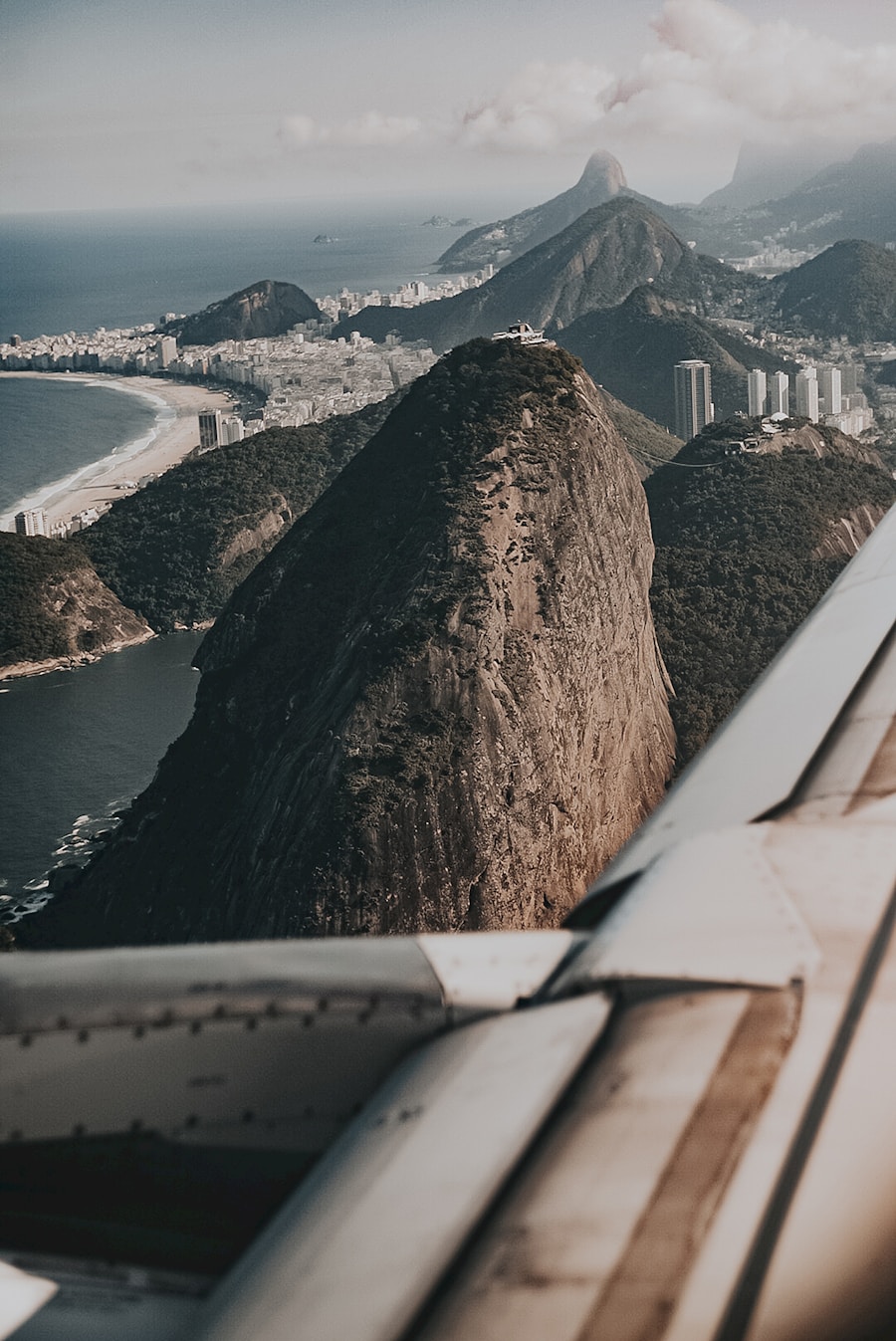
Rio de Janeiro, São Paulo, Minas Gerais, and nearby destinations can be visited year-round. Summer is hot, humid, and lively, but it also brings heavier showers, intense sun, and high demand around New Year and Carnival. March through May and September through November often provide comfortable conditions for city walks, beaches, and outdoor sightseeing without the highest holiday crowds.
The Amazon
The Amazon remains warm and humid in every season. Rainfall and river levels vary by location, so a lodge near Manaus may experience a different timetable from one in Pará, Acre, or the upper Amazon.
- Higher-water periods can open flooded-forest channels to canoe trips and bring boats closer to the treetops.
- Lower-water periods can expose river beaches and make some forest trails easier to reach.
- Wildlife sightings depend on habitat, water level, guide quality, and chance rather than on a simple promise that one month is always best.
Ask your lodge or tour operator about expected river levels, rainfall, trail access, and boat routes for the exact location before reserving.
The Pantanal
The Pantanal’s water cycle has a stronger effect on a visit than the four traditional seasons. Mato Grosso do Sul tourism guidance describes January through April as a flood period, May through July as a draining transition, and August and September as especially dry months. The drier period often concentrates animals around remaining water and improves road access, while flooded months create dramatic boat-based landscapes.
Pro Tip: For a wildlife-focused Pantanal trip, compare lodge access, recent rainfall, road conditions, and guide reports instead of choosing solely by the name of the season.
Northeast Beaches
The Northeast is warm for most of the year, but rainfall varies along its long coastline. Salvador, Recife, Natal, Fortaleza, and Maranhão do not share an identical rainy season. Check monthly rainfall for the exact city, especially when beach time, boat trips, or dunes are central to the itinerary.
Southern Brazil
Paraná, Santa Catarina, and Rio Grande do Sul have more noticeable temperature changes than northern Brazil. Winter can bring cold nights, frost, and occasional snow in the highest towns. Summer is warmer and suits coastal trips, while spring and autumn can be comfortable for cities, vineyards, and road trips.
Iguaçu Falls
Iguaçu Falls is a year-round destination. Wetter periods can produce a stronger water flow, while drier periods may offer clearer paths and fewer rain interruptions. Summer is hot and humid, and winter can feel cool, especially in the morning and evening. Pack a light rain layer in any month because spray from the falls is unavoidable near several viewpoints.
Note: Seasonal labels are only a starting point. Brazil’s official approximate seasons are December 21 to March 20, March 21 to June 20, June 21 to September 20, and September 21 to December 20, but local wet and dry patterns are often more useful for travel planning.
Summer: Approximately December 21 to March 20
Beach Life and Warm Weather
Summer brings high temperatures and humidity to much of Brazil. Coastal cities such as Rio de Janeiro and Salvador frequently experience daytime temperatures above 30°C (86°F), and more extreme heat is possible. Beaches become lively gathering places for swimming, surfing, sports, music, and street food.
This is also one of the busiest travel periods. New Year celebrations, school vacations, summer festivals, and Carnival can raise hotel and flight prices. Popular beach districts and island destinations may sell out well in advance.
Warning: Summer heat can be intense, and afternoon storms may cause flash flooding or transport delays. Carry water, use sun protection, monitor local forecasts, and avoid entering flooded streets or fast-moving water.
The Amazon Rainforest in Summer
Summer overlaps with a wetter period in many Amazon destinations, although the exact timing differs across the region. Frequent rain can increase river levels and create access to flooded-forest waterways. It can also produce muddy trails, high humidity, and itinerary changes.
A wetter visit is not automatically worse. Boat journeys through flooded vegetation can be a highlight, and the rainforest remains green and active. Travelers should arrive with quick-drying clothing, closed footwear, insect repellent, and flexible expectations.
Festivals and Celebrations
Carnival takes place in February or early March, depending on the year. Rio de Janeiro is famous for samba-school parades in the Sambadrome, but Carnival celebrations also fill the streets of Salvador, Recife, Olinda, São Paulo, and many smaller cities.
Salvador’s Festival de Verão and other regional music events add to summer demand. Dates, venues, and formats can change, so confirm the current schedule before buying nonrefundable transport or accommodation.
Autumn: Approximately March 21 to June 20

Autumn often brings milder conditions to the South and Southeast after the hottest part of summer. Rio de Janeiro and São Paulo can still be warm, but sightseeing may feel more comfortable, particularly in April and May. This period can also offer better availability after Carnival and before July school holidays.
Conditions in the Amazon remain regional. Some areas are still receiving heavy rain or approaching high river levels, so travelers should not assume that rainfall declines evenly across the whole rainforest.
Festas Juninas and São João
June introduces one of Brazil’s most important celebration periods. Festas Juninas feature music, bonfires, colorful decorations, quadrilha dancing, and foods made with corn, peanuts, cassava, coconut, and spices.
São João celebrations are especially prominent in the Northeast, including Pernambuco and Paraíba. The main religious date is June 24, but events may run for several weeks. Large celebrations can draw major crowds, so accommodation and intercity transport should be booked early.
Winter: Approximately June 21 to September 20
Winter Conditions by Region
| South | Cool to cold nights, frost in some areas, and occasional snow in the highest towns. |
| Southeast | Often mild during the day with cooler evenings, especially at higher elevations. |
| Central-West and Pantanal | Generally drier, with good wildlife-viewing opportunities and occasional sharp cold fronts. |
| North and Amazon | Warm and humid; rainfall and river conditions depend on the specific location. |
| Northeast | Usually warm, but rainfall differs considerably between coastal destinations and the dry interior. |
Winter is a popular period for nature travel in the Pantanal and parts of the Central-West because roads and trails are often drier. It is not uniformly cool, however. Manaus and much of northern Brazil remain hot, while Curitiba, Florianópolis, Gramado, and higher southern areas can require jackets and warm evening clothing.
This is also a good period for exploring Serra Gaúcha wine country. Cooler weather complements vineyard visits, regional food, and mountain-town itineraries. July can be busy because of school holidays, so it should not automatically be treated as a low-cost month.
Brazilian winter can mean frost in the southern highlands, dry wildlife-viewing conditions in the Pantanal, and tropical heat in the Amazon—all during the same week.
Spring: Approximately September 21 to December 20
Spring brings rising temperatures across much of Brazil. Rain also begins to return to parts of the Southeast and Central-West, while the South may shift quickly between warm days, thunderstorms, and cooler fronts.
September through November can be a practical shoulder period for Rio de Janeiro, São Paulo, Brasília, and several southern destinations. Travelers can often enjoy warm weather before the main summer holiday rush, although major local events may still raise demand.
Oktoberfest Blumenau
Blumenau’s Oktoberfest takes place in October and celebrates the city’s German-Brazilian heritage through music, dance, parades, traditional clothing, food, and beer. The municipal government publishes dates and event details each year, so travelers should confirm the current schedule before booking.
Spring also brings flower shows and regional cultural events in several Brazilian cities. Because these celebrations vary from year to year, use official municipal or federal tourism calendars rather than relying on an old list of dates.
Festivals and Events
Carnival and Summer Celebrations
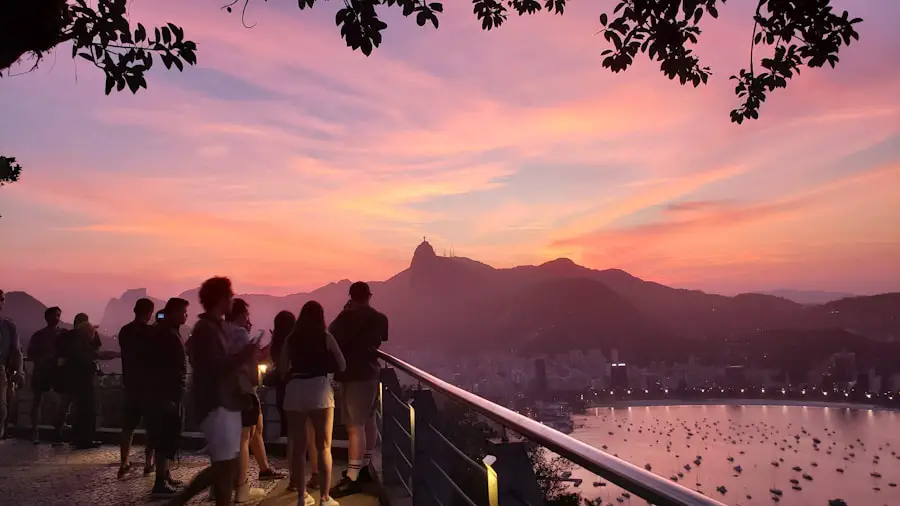
Carnival is Brazil’s best-known celebration, but it is not a single event in one city. Rio is known for Sambadrome parades, Salvador for music-filled street circuits, and Recife and Olinda for frevo, maracatu, giant puppets, and historic-center celebrations.
Carnival dates change each year. Hotels in central celebration areas may impose minimum stays, and domestic flights can become expensive. Travelers who want the atmosphere without the largest crowds can look for pre-Carnival rehearsals and neighborhood events, while those seeking a quieter trip should avoid the main festival period.
Festas Juninas and the Parintins Festival
June is filled with São João and other Festas Juninas. Campina Grande, Caruaru, Salvador, and many smaller communities hold music, dance, food, and religious celebrations.
The Parintins Folklore Festival in Amazonas also takes place in June. Its elaborate performances center on the Garantido and Caprichoso boi-bumbá traditions. Flights and lodging on the island are limited, making early planning essential.
Rodeo, Oktoberfest, and Religious Events
The Festa do Peão de Barretos takes place in São Paulo state during August and combines rodeo competitions with large country-music performances. Blumenau holds Oktoberfest in October, while October 12 marks the Feast of Our Lady of Aparecida, Brazil’s patron saint, with major religious observances and travel to Aparecida.
Use the Brazilian Ministry of Tourism’s official event calendar and the organizer’s own website to verify dates, tickets, venue rules, and transport arrangements.
What to Pack for Different Seasons
- For summer and tropical destinations: Lightweight clothing, a reusable water bottle, high-SPF sunscreen, a hat, sunglasses, insect repellent, and a compact rain jacket.
- For the Amazon and Pantanal: Quick-drying long sleeves, long trousers, closed walking shoes, waterproof storage, and any destination-specific medication recommended by a qualified clinician.
- For southern winter trips: Layers, a warm jacket, closed shoes, and rain protection. Indoor heating may be less common than some international visitors expect.
- For festivals: Secure bags, comfortable shoes, a portable charger, and clothing that can handle heat, rain, crowds, and long periods of standing.
Budget Considerations
Travel costs vary by city, event, and holiday period. December and January are busy domestic travel months, while New Year celebrations and Carnival can produce some of the year’s highest hotel and flight prices. July can also be expensive in family destinations because of school holidays.
March through May and August through November may offer better value in many cities, but there are important exceptions. A major concert, convention, football match, religious event, or local festival can raise prices even during an otherwise quiet month.
Pro Tip: Compare prices using flexible dates and check the local event calendar before assuming a weekday or shoulder-season trip will be inexpensive.
Public metro and bus systems can reduce transportation costs in major cities, but routes, operating hours, and payment methods vary. In remote nature destinations, transfers may be a major part of the total trip cost. Compare packages carefully to see whether airport transfers, park fees, guides, meals, and boat excursions are included.
Travel Planning, Health, and Entry Checks
Weather is only one part of choosing a travel date. Entry rules, mosquito-borne illness, vaccinations, wildfire smoke, flooding, and local transport conditions may also affect the trip.
The CDC’s Brazil traveler page advises visitors to protect themselves from mosquito bites and review destination-specific vaccine and medicine recommendations. Yellow fever vaccination is recommended for many parts of Brazil, including several popular nature destinations, but suitability depends on the traveler and itinerary. Discuss medical questions with a qualified healthcare professional before departure.
Visa requirements depend on nationality. Since April 10, 2025, travelers using passports from the United States, Canada, and Australia have required a visitor visa for tourism. Check the Brazilian Ministry of Foreign Affairs’ current e-visa guidance and the Brazilian consulate responsible for your location before booking.
Warning: Do not rely on an old blog post for visa, vaccination, park-access, or severe-weather rules. These requirements and conditions can change after an article is published.
Choosing the Right Time to Travel
Choose dates by matching the trip to your highest priority:
- Beaches and major celebrations: December through February, with higher prices, heat, and crowds.
- Rio and Southeast sightseeing: March through May or September through November for a useful balance of warmth and crowd levels.
- Pantanal wildlife: Often May through September, with the driest conditions commonly later in that period.
- Amazon river travel: Select high-water or lower-water conditions according to the activities offered by the exact lodge or cruise.
- Southern cities and vineyards: Autumn for mild weather, winter for a colder mountain atmosphere, or spring for warmer days.
- Lower prices: Travel outside New Year, Carnival, July school holidays, and major local events.
No single month delivers perfect weather across Brazil. The strongest plan combines regional climate information, annual event dates, recent forecasts, and the activities that matter most to you.
Frequently Asked Questions
What is the best overall time to visit Brazil?
There is no single best month for the whole country. March through May and September through November often work well for city and sightseeing trips in the Southeast, while nature destinations such as the Amazon and Pantanal should be planned around regional rainfall, river levels, and wildlife conditions.
Does Brazil have a nationwide dry season?
No. May through September is relatively dry in the Central-West and several interior destinations, but rainfall patterns differ across the Amazon, Northeast coast, Southeast, and South. Check climate information for the exact city or park.
When should I visit Brazil for Carnival?
Carnival falls in February or early March, depending on the year. Arrive before the main events if you want rehearsals and street parties, and reserve flights and accommodation well in advance for Rio de Janeiro, Salvador, Recife, Olinda, and other major celebration centers.
What is the best time to visit the Amazon?
The answer depends on whether you prefer flooded-forest boat access or lower-water trails and river beaches. Rainfall and water levels differ across the Amazon, so ask your lodge or cruise operator about expected conditions for its specific location.
When is the best time for wildlife in the Pantanal?
May through September is commonly favored for wildlife trips because water recedes and access becomes drier. August and September are often especially dry, but flood and drainage periods can also provide excellent birding, boat travel, and scenery.
What is the cheapest time to travel to Brazil?
Prices are often lower outside New Year, Carnival, July school holidays, and major local festivals. March through May and parts of August through November may offer better value, but always check the destination’s event calendar before booking.
Sources
- Visit Brasil: Climate and Weather — official regional climate descriptions and approximate season dates.
- Brazilian Institute of Geography and Statistics: Climate — Brazil’s climate zones and environmental mapping.
- Mato Grosso do Sul Tourism: Tourist Regions — the Pantanal flood, drainage, and dry-season cycle.
- Brazilian Ministry of Tourism: Event Calendar — current registered festivals and tourism events.
- CDC: Brazil Traveler View — current traveler-health, mosquito, vaccination, and outdoor-safety guidance.
- Brazil Ministry of Foreign Affairs: Electronic Visitor Visa — current e-visa information for eligible nationalities.