
Last Updated on August 26, 2026 by Daniel Globe
Barcelona works as a year-round destination, but the experience changes significantly by season. If you want warm days without the strongest summer heat, May, September, and early October are usually the easiest months for sightseeing. Summer suits beach trips and nightlife, while January and February are better for travelers who value cooler weather, lighter demand, and a quieter city.
Quick Answer
For most travelers, the best time to visit Barcelona is May, September, or early October. These months usually balance warm weather, manageable crowds, and comfortable sightseeing. Choose July or August for the hottest beach weather, and January or February if your priority is lower demand, cooler temperatures, and a quieter city.
Key Takeaways
- May, September, and early October offer one of the best combinations of comfortable weather and easier sightseeing.
- June through August brings the warmest beach weather but also stronger tourism demand, major events, and higher heat.
- January and February are good choices for travelers who prefer cooler temperatures and a quieter urban break.
- September is still warm, but September and October are wetter on average than midsummer, so pack for occasional rain.
- Major events such as Sant Jordi, Primavera Sound, Sónar, and La Mercè can make particular dates busier even outside the traditional summer peak.
Disclosure: As an Amazon Associate I earn from qualifying purchases. Some links on this page are affiliate links, at no extra cost to you.
Best Time to Visit Barcelona at a Glance
| Travel Goal | Best Time | Main Trade-Off |
| Best overall balance | May, September, early October | September and October can bring more rain than midsummer. |
| Beach weather | Late June to September | July and August are hotter and busier. |
| Lower demand | January to February | Too cool for a typical beach holiday. |
| Festivals and events | April, June, September | Accommodation and attraction demand can jump around major event dates. |
| Comfortable walking | April to May, September to October | Rain is still possible, especially in autumn. |
Barcelona Weather by Season
Barcelona has a Mediterranean coastal climate with mild winters, warm to hot summers, and relatively little snow. According to Spain’s State Meteorological Agency, AEMET, Barcelona Airport has an annual mean temperature of about 16.1°C (61°F), not 21°C (70°F).
Normal monthly temperatures rise from about 9–10°C (48–50°F) in winter to roughly 24°C (75°F) in July and August. Average daytime highs reach about 28–28.5°C (82–83°F) in July and August, although hotter periods can push temperatures above 30°C (86°F). Coastal humidity can also make summer afternoons feel warmer.
AEMET climate normals show average daily highs of about 28.0°C in July and 28.5°C in August, while the average monthly temperatures are about 23.9°C and 24.4°C respectively.
Winter is mild by European standards. December through February has monthly mean temperatures around 9–10°C, with average daytime highs near 14°C. Snow is exceptionally uncommon near sea level.
Spring becomes progressively warmer, with average daily highs rising from about 16°C in March to 21°C in May. Autumn stays warm well into September, but it is not necessarily drier than summer. At Barcelona Airport, normal precipitation is about 81 mm in September and 91 mm in October, compared with only about 21 mm in July.
Peak Tourist Seasons
Barcelona’s busiest travel period generally overlaps with summer, especially from June through August. Long daylight hours, warm Mediterranean weather, beaches, nightlife, school holidays, cruises, and major events all contribute to demand.
Popular sights such as the Sagrada Família and Park Güell can fill desirable entry times quickly. Park Güell’s official website advises visitors to purchase tickets in advance online, while Sagrada Família uses timed admission.
Pro Tip: If Sagrada Família or Park Güell is a must-see, reserve your preferred time as soon as your itinerary is firm rather than waiting until you arrive, especially for summer weekends and major-event dates.
Easter, Christmas, and major festival weekends can also create temporary spikes in visitors even outside midsummer. These periods can be rewarding because of special events and atmosphere, but travelers should expect stronger demand for central accommodation and popular attractions.
Off-Peak Seasons
The quieter part of the year is generally winter, with January and February among the better choices for travelers who want to spend more time in museums, architecture, restaurants, and historic neighborhoods without summer heat.
November and early December can also feel calmer than summer, although Christmas events and holiday travel can increase activity later in December. Cooler weather makes long walks through the Gothic Quarter, El Born, Eixample, Montjuïc, and Passeig de Gràcia more comfortable for travelers who do not need beach conditions.
Sites such as Casa Batlló remain major attractions year-round. Off-season travel can also make it easier to find a broader range of accommodation choices, although prices are never guaranteed to be lower on every date.
The main drawback is the weather: winter is mild but too cool for most travelers seeking a traditional beach holiday, and daylight hours are shorter than in spring and summer.
Special Events and Festivals
Barcelona’s cultural calendar can be just as important as its weather when choosing travel dates. Major events can transform the atmosphere of the city and increase demand in specific neighborhoods.
Sant Jordi
Sant Jordi is celebrated on April 23 and fills central streets with books, roses, authors, and crowds. The modern celebration is no longer limited to the older custom of men giving roses and women giving books; people commonly exchange both with partners, relatives, and friends.
Primavera Sound
Primavera Sound Barcelona is normally held around late spring or early June and attracts large numbers of music fans. Exact dates change each year, so travelers planning around the festival should verify the official schedule before booking flights or hotels.
Sónar
Sónar, Barcelona’s major electronic music, creativity, and technology festival, is another important June event. The 2026 edition took place June 18–20, correcting the outdated July timing sometimes shown in older travel information.
La Mercè
La Mercè is Barcelona’s major late-September city festival, centered around September 24. Expect concerts, street performances, castellers or human towers, giants, fire traditions, and other Catalan cultural events. For 2026 information, the Museu Marítim de Barcelona confirms special La Mercè programming on September 24.
Note: Festival dates, venues, and programs can change from year to year. Check the official event website before committing to non-refundable travel.
Budget-Friendly Travel Times
Travelers focused on value should first consider January, February, and parts of November. These periods normally have less leisure demand than the height of summer, although airfare and hotel rates still depend on conferences, holidays, events, and how far ahead you book.
Flexible travel dates can make a bigger difference than choosing a specific weekday. Midweek stays may sometimes provide more accommodation choices or easier attraction availability, but do not assume that official attractions automatically charge less from Monday to Friday.
Food costs can also be controlled by dining away from the most tourism-heavy streets, using markets and neighborhood bakeries, and choosing a fixed-price lunch menu where available. Barcelona has excellent food at many price levels, so a lower travel budget does not require relying only on fast food or tourist-oriented restaurants.
Products Worth Considering

Explore the World in Style – Featuring a vibrant collection of world-famous travel destinations, these stickers showcase iconic landmarks and city names, perfect for travel lovers and explorers.


Artistic Design: Features a stunning print of Parc Güell's vibrant mosaics and whimsical architecture, capturing the essence of Barcelona's artistic spirit. It could be a thougtful gift for Spain lover
Best Time for Different Types of Travelers
Products Worth Considering


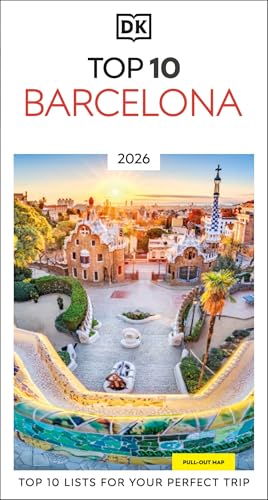
Pocket-Sized Barcelona Guide: Fit Barcelona in Your Pocket
For First-Time Sightseeing
May, September, and early October are strong choices. Temperatures are generally comfortable for walking between architecture, museums, markets, parks, and neighborhoods without the strongest midsummer heat.
For Beach Trips
Late June through September is the easiest period for travelers whose priority is swimming and spending long days by the sea. July and August provide the warmest conditions but also bring the strongest heat and some of the largest crowds.
For Families
May and September can be easier than midsummer because children can spend more time outdoors without the strongest afternoon heat. Families tied to school holidays may still prefer July or August but should schedule major outdoor sightseeing earlier in the day.
For Festival Travelers
April, June, and late September stand out because of Sant Jordi, Primavera Sound, Sónar, and La Mercè. Reserve accommodation early if a major event is the main reason for your trip.
For Travelers Who Dislike Crowds
January and February provide one of the clearest contrasts with summer Barcelona. The city remains active, but the trip becomes more focused on architecture, museums, food, and neighborhood exploration than beaches.
Outdoor Activities and Sightseeing
Exploring Montjuïc Hill
Montjuïc is one of Barcelona’s best areas for combining outdoor time with cultural attractions and city views. Visitors can walk uphill, use the Montjuïc funicular, or continue toward the castle by cable car. The hill also contains museums, gardens, sports facilities, and the Olympic Stadium.
The Hola Barcelona Travel Card includes the Montjuïc funicular but not the separate Montjuïc Cable Car.
Beach Life in Barcelona
Barceloneta Beach is the city’s best-known urban beach and is convenient for combining swimming, waterfront walks, restaurants, and central sightseeing. Summer is the natural high season for sunbathing, swimming, paddleboarding, and other beach activities.
Travelers seeking a change of pace can also consider beaches outside central Barcelona. Ocata, in El Masnou, and the beaches around Sitges are reachable by rail and can be used as day-trip alternatives. They are separate destinations rather than Barcelona city beaches, so check current train schedules before traveling.
Cycling Along the Waterfront
Cycling along suitable waterfront and city routes can be an enjoyable way to cover more ground than walking. Spring and autumn are generally more comfortable for longer rides because midday summer heat can become tiring.
Local Cuisine and Dining Experiences
Barcelona’s food scene combines Catalan cooking, seafood, tapas culture, markets, bakeries, contemporary restaurants, and influences from across Spain and the Mediterranean.
Popular dishes and snacks include patatas bravas, jamón ibérico, croquettes, grilled seafood, and pa amb tomàquet or bread rubbed with tomato. Paella is widely served in Barcelona, particularly in coastal areas, although the dish originated in Valencia rather than Catalonia.
For a more distinctly Catalan meal, look for dishes such as escalivada, botifarra, suquet de peix, esqueixada, and crema catalana. Waterfront restaurants can be convenient for seafood, but neighborhood restaurants and markets often provide a broader local experience away from the busiest visitor corridors.
Accommodation and Transportation Options
Barcelona offers everything from luxury hotels and boutique properties to hostels, guesthouses, and licensed tourist apartments. Eixample is convenient for Modernist architecture and transport, the Gothic Quarter and El Born put travelers near the historic center, and neighborhoods farther from La Rambla can provide a more residential atmosphere.
If you are considering a vacation rental through a platform such as Airbnb, confirm that the accommodation is legally authorized. Barcelona’s own visitor-safety guidance advises travelers using tourist apartments to make sure the property is legal and complies with occupancy requirements.
Public transportation is one of the easiest ways to move around the city. TMB operates an extensive metro and bus network, while trams, FGC trains, and Rodalies commuter trains supplement it. The Hola Barcelona Travel Card provides unlimited journeys for a chosen validity period and includes eligible airport metro trips.
Walking is also practical in many central neighborhoods, while bicycles can work well for waterfront areas and longer surface routes. Electric scooters may be available through local rental arrangements, but visitors should follow current city traffic and parking rules rather than treating sidewalks as riding space.
Products Worth Considering

Barcelona Landmarks: Featuring iconic Barcelona landmarks, these keychains are perfect for Barcelona enthusiasts, tourists, or anyone who appreciates unique and meaningful mementos.

Barcelona Spain Souvenir design.
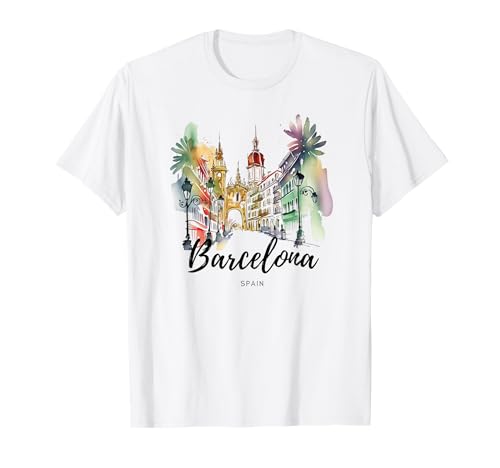
Barcelona Spain travel souvenir design inspired by the vibrant culture, architecture, and atmosphere of one of Europe’s most iconic cities.
What to Pack for Barcelona by Season
Spring
Pack light layers, comfortable walking shoes, sunglasses, and a compact rain layer. Mornings and evenings can feel cool even when afternoons are warm.
Summer
Choose breathable clothing, sun protection, a hat, and comfortable footwear. A reusable bottle is useful when spending long periods outside; this guide to portable water bottles for travel can help if you need one for your trip.
Autumn
September may still feel summery, but a light rain jacket or compact umbrella becomes increasingly useful as autumn progresses. Layers work better than packing only hot-weather clothes.
Winter
Bring a jacket, long trousers, and layers suitable for cool evenings. Barcelona winters are mild compared with many European cities, but they are not warm enough to rely on beachwear.
Practical Booking and Safety Tips
For high-demand attractions, use official websites and timed tickets whenever possible. Park Güell specifically advises advance online ticket purchase, and Sagrada Família tickets are valid for assigned admission times.
Keep your daily itinerary geographically sensible. Grouping nearby attractions reduces unnecessary transport and leaves more time for cafes, markets, neighborhoods, and spontaneous stops.
Warning: Spain’s tourism-safety guidance identifies opportunistic theft as a common problem in busy tourist, shopping, transport, and beach areas. Keep phones, wallets, passports, and bags secure and visible, especially in crowds and on public transport. For official advice, see Spain’s Safe Tourism Plan.
Barcelona’s mix of architecture, food, beaches, festivals, and public transportation makes it possible to plan a worthwhile trip in every season. The main decision is what you want to prioritize: May and September offer the strongest all-around balance, summer is best for heat and beaches, and winter rewards travelers who prefer a quieter city-focused visit.
Frequently Asked Questions
What is the best time to travel to Barcelona, Spain?
May, September, and early October are among the best all-around choices because they combine warm weather with comfortable sightseeing conditions. April is also pleasant, while June becomes warmer and increasingly busy because of summer travel and major events.
What is the weather like in Barcelona throughout the year?
Barcelona has mild winters and warm to hot summers. AEMET normals at Barcelona Airport show monthly mean temperatures around 9–10°C in winter and about 24°C in July and August, with average midsummer daily highs near 28°C.
When is Barcelona’s peak tourist season?
June through August is the main high-demand period for leisure travel. Major festivals, Easter, Christmas, conferences, and special events can also make individual dates busy outside the summer season.
Which major Barcelona festivals should I consider when choosing dates?
Sant Jordi takes place on April 23, Primavera Sound is normally around late spring or early June, Sónar is a major June event, and La Mercè is held in late September around September 24. Always confirm annual festival dates before booking.
Is winter a good time to visit Barcelona?
Yes, especially if you care more about architecture, museums, food, and neighborhood walks than swimming. January and February are cooler and generally quieter than summer, while snow near sea level is extremely uncommon.
What is the cheapest time to visit Barcelona?
January, February, and parts of November are good periods to check first for lower-demand travel dates. Prices still vary with events, conferences, holidays, airline capacity, and how early you book, so there is no single guaranteed cheapest month.
When is the best time for a Barcelona beach holiday?
Late June through September is the most reliable period for travelers focused on warm beach conditions. July and August are the hottest and busiest months, while September often provides a good compromise between warm weather and easier sightseeing.
Should I book Sagrada Família and Park Güell in advance?
Yes. Park Güell’s official guidance says tickets should be purchased in advance online, and Sagrada Família uses assigned entry times. Booking ahead is especially important during summer, weekends, and major festival periods.
Sources
- AEMET — Barcelona Airport Climate Normals — monthly temperatures, rainfall, humidity, and annual climate averages.
- Barcelona Tourism Observatory — tourism activity and visitor-demand context.
- Park Güell Official Website — ticketing, timed entry, and visitor-planning guidance.
- Sagrada Família Official Website — official timed-ticket and visitor information.
- Transports Metropolitans de Barcelona — public-transport and Hola Barcelona Travel Card coverage.
- Spanish Ministry of the Interior — Safe Tourism Plan — official tourist-safety and theft-prevention guidance.
