Last Updated on July 28, 2026 by Daniel Globe
The best time to visit Bali depends on whether you care most about dry weather, smaller crowds, lower prices, cultural events, or lush scenery. Bali stays warm throughout the year, but rainfall, humidity, sea conditions, traffic, and accommodation demand can change noticeably from one month to the next.
Quick Answer
The best time to visit Bali is usually May, June, or September. These months fall within the drier part of the year but often avoid the heaviest July and August crowds. Choose July or August for reliably drier outdoor conditions, or January through March for lower prices if you can accept frequent showers.
Key Takeaways
- Best overall balance: May, June, and September usually combine drier weather with more manageable crowds.
- Driest main travel period: April through October is Bali’s general dry season, although showers can still occur.
- Wettest period: November through March brings higher humidity and more frequent rain, with January often feeling especially wet.
- Busiest periods: Expect stronger demand in July and August and around Christmas and New Year.
- Best value: The wet season and transitional months can offer lower accommodation prices outside major holiday periods.
- Important planning date: Nyepi changes annually and brings island-wide restrictions, including an airport closure and limits on outdoor movement.
Disclosure: As an Amazon Associate I earn from qualifying purchases. Some links on this page are affiliate links, at no extra cost to you.
When Is the Best Time to Visit Bali?
For most first-time visitors, May, June, and September offer the best balance. Rainfall is generally lower than in the wet season, beaches and hiking routes are usually easier to enjoy, and demand may be less intense than during the main July and August vacation period.
Travelers who place the highest priority on dry weather may prefer July or August. Those months are well suited to beaches, sightseeing, hiking, outdoor performances, and day trips, but popular areas such as Ubud, Canggu, Seminyak, Uluwatu, and Nusa Dua can feel crowded. Flights, hotels, drivers, and tours may also cost more or sell out earlier.
Travelers who want lower prices and greener scenery can consider January through March. Bali remains warm, and rain does not necessarily fall all day, but heavy showers, flooding, slippery trails, rougher crossings, and last-minute schedule changes are more likely.
For many travelers, May, June, and September are Bali’s sweet spot: drier conditions without the full pressure of the July–August peak.
Bali Weather and Climate
Bali has a tropical climate rather than four distinct seasons. According to Indonesia’s Ministry of Tourism, the general dry season for Bali runs from April through October, while the wet season generally runs from November through March. These are planning ranges rather than guarantees, and the timing can shift from year to year.
Temperature changes less dramatically than rainfall. Coastal areas remain warm throughout the year, with an average close to 28°C or 82°F. Upland and mountain areas are cooler. Places around Kintamani, Bedugul, Munduk, and Bali’s central mountains may also receive more rain than southern coastal areas.
Note: A “dry-season” visit is not guaranteed to be rain-free. Check the BMKG weather forecast shortly before travel and again before boat trips, hikes, or long drives.
Bali by Month at a Glance
The following calendar summarizes Bali’s typical seasonal pattern. Local conditions can vary, especially between the coast, interior, mountains, and nearby islands.
| Month | Typical Conditions | Best For | Planning Notes |
|---|---|---|---|
| January | Wet, humid, and lush | Spas, cooking classes, temples, relaxed trips | Allow extra time for rain and transport delays. |
| February | Wet with frequent showers | Lower-demand stays and indoor activities | Outdoor plans need flexible backup options. |
| March | Wet-to-dry transition | Culture, quieter stays, green landscapes | Check the annual Nyepi date before booking flights. |
| April | Transitional, with improving weather | Mixed beach, culture, and wellness trips | Humidity and occasional heavy showers remain possible. |
| May | Generally drier and green | Most activities and first-time visits | One of the best all-around months. |
| June | Dryer, warm, and often clear | Beaches, hiking, festivals, and sightseeing | Demand begins to rise toward July. |
| July | Dry-season weather | Outdoor itineraries and family vacations | Book early and expect busy roads and attractions. |
| August | Dry, sunny, and sometimes breezy | Beaches, hiking, sightseeing, and sports events | Another peak-demand month with higher prices. |
| September | Generally dry with easing crowds | Couples, outdoor trips, and better value | One of the strongest balance months. |
| October | Dry-to-wet transition | Flexible beach and cultural trips | Heat, humidity, and showers may increase. |
| November | Wetter and more humid | Green scenery, culture, and quieter resorts | Bring rain protection and a flexible schedule. |
| December | Wet and humid | Holiday celebrations and resort stays | Late December can be crowded and expensive despite the rain. |
Peak Tourist Season
Bali’s main peak period generally includes July and August, when the drier season overlaps with school vacations in many countries. Demand also rises around Christmas and New Year, even though December falls within the wetter part of the year.
During peak periods, popular hotels, villas, restaurants, beach clubs, private drivers, and guided tours may fill quickly. Traffic can add significant time to journeys through southern Bali, particularly around Kuta, Seminyak, Canggu, Jimbaran, and Uluwatu.
Peak season works well for travelers who prioritize outdoor weather and a lively atmosphere. It is less suitable for visitors seeking quiet temples, spontaneous hotel choices, or the lowest prices.
Pro Tip: During July, August, and late December, reserve accommodation and any must-do tours before arranging the rest of your itinerary. Leave generous travel time between southern Bali and destinations such as Ubud, Sidemen, Amed, or Munduk.
Low Tourist Season
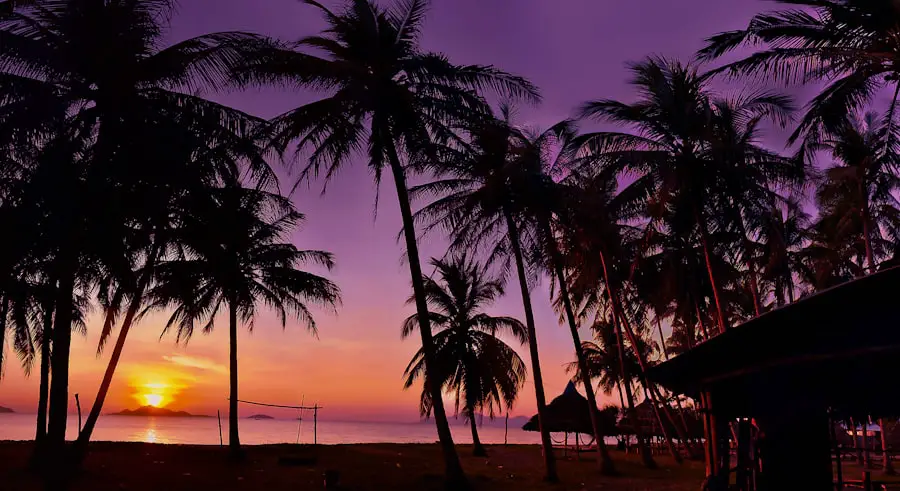
The wetter months can provide a calmer and more affordable experience, especially from January through early March and during parts of November. Resorts may have greater availability, and travelers can spend more time engaging with local food, crafts, museums, temples, spas, and everyday community life.
Low season does not mean Bali closes. Warm temperatures continue, and many days include usable dry periods. However, outdoor plans require flexibility because intense showers can arrive quickly. Trails may become muddy, visibility can fall, roads can flood, and boat services may be affected by wind or sea conditions.
The final weeks of December are an important exception. Christmas and New Year can bring peak-level demand even during the rainy season.
Warning: Never enter flooded roads or fast-moving water. During heavy rain, postpone waterfall hikes, canyon trips, exposed mountain routes, and boat transfers when local authorities or operators advise against travel.
Best Time to Visit Bali for Different Activities
Beaches and General Sightseeing
May through September is usually the easiest period for combining beaches, temples, scenic drives, outdoor dining, and sunset viewpoints. July and August may offer a strong chance of drier conditions, but May, June, and September often provide a better balance between weather and crowd levels.
Hiking and Mountain Views
The drier months are generally better for Mount Batur, upland viewpoints, rice-field walks, and longer nature trails. Even then, mountain weather can change rapidly. Confirm conditions with a reputable local guide, bring a warm layer for early starts, and respect closures related to weather, volcanic activity, or religious ceremonies.
Waterfalls and Green Landscapes
Waterfalls and rice landscapes may appear especially lush during and shortly after the wet season. The trade-off is that paths can be slick, river levels can rise, and access may become unsafe. Wear footwear with reliable grip and follow local closure signs.
Snorkeling, Diving, and Boat Trips
The dry season often makes marine activities easier to schedule, but conditions differ around Bali, Nusa Penida, Nusa Lembongan, Menjangan, Amed, and other sites. Sea state, current, visibility, and wind matter more than the calendar alone. Use a qualified operator and check the same-day marine forecast.
Culture, Food, and Wellness
Cultural and wellness trips work throughout the year. Temple visits, cooking classes, craft workshops, dance performances, markets, museums, yoga, and spas are useful wet-season options. Local ceremonies also take place year-round, although they follow Balinese calendars rather than a fixed Western monthly schedule.
Outdoor Activities
Choose Activities for the Region
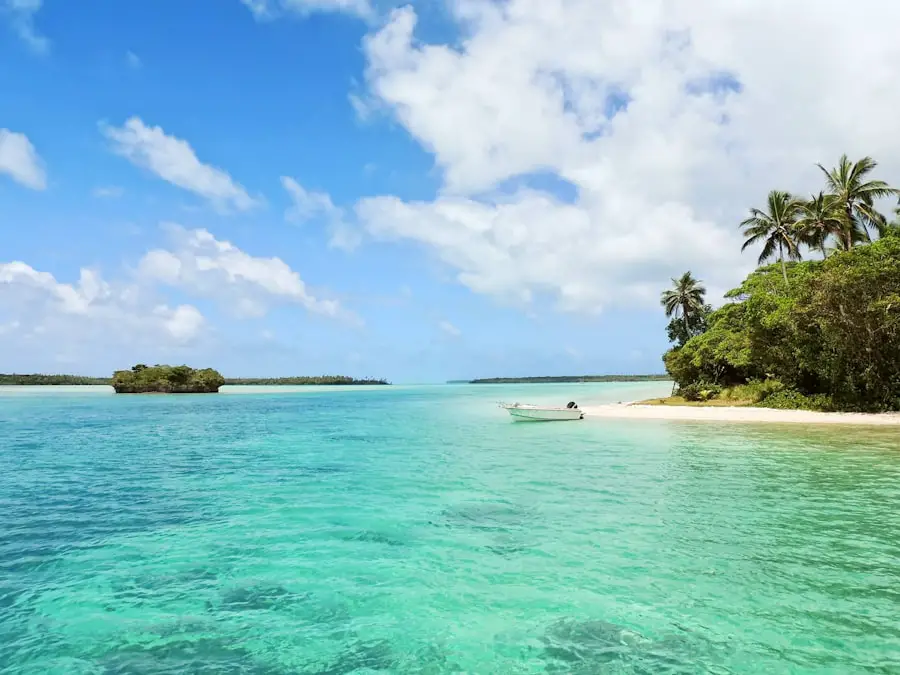
Bali’s landscapes support hiking, cycling, snorkeling, diving, rafting, surfing, birdwatching, beach trips, and guided nature walks. The best choice depends on the area as well as the season. Southern beaches, central rice terraces, northern waterfalls, western protected landscapes, and eastern diving areas can experience different local conditions on the same day.
Connect with Nature Safely
Outdoor activities can range from gentle village walks to demanding climbs, rafting, and open-water trips. Match the activity to your experience and fitness level. Bring water, sun protection, insect repellent, suitable footwear, and a charged phone. Do not assume that four-wheel-drive transport, a guide, or dry-season timing removes all risk.
Use Qualified Local Guides
A knowledgeable guide can explain local flora, farming, temples, customary rules, and trail conditions that a visitor might otherwise miss. For hiking, rafting, diving, canyoning, and remote excursions, choose an established operator with appropriate equipment and a clear cancellation policy for unsafe weather.
Festivals and Events
Bali’s ceremonies and festivals provide a deeper view of the island’s music, dance, religion, food, and community life. Dates based on Balinese or lunar calendars can change each year, so travelers should confirm schedules before booking nonrefundable arrangements.
| Event | Location | 2026 Timing | Travel Impact |
|---|---|---|---|
| Nyepi | Island-wide | March 19, 2026 | The airport closes and visitors must remain within their accommodation except for emergencies. |
| BaliSpirit Festival | Ubud area | April 15–19, 2026 | Yoga, dance, music, wellness activities, and increased local demand. |
| Bali Arts Festival | Denpasar | June 13–July 11, 2026 | Performances, parades, workshops, exhibitions, and cultural programs. |
| Maybank Marathon 2026 | Gianyar | August 21–23, 2026 | Higher demand and possible traffic changes near the event area. |
Note: Event dates above are the confirmed 2026 dates available at the time of publication. Check the official organizer or Love Bali event calendar for changes and future-year schedules.
What Travelers Should Know About Nyepi
Nyepi, the Balinese Day of Silence, falls in March or April and changes date each year. During the observance, the airport closes for approximately 24 hours, roads become empty, businesses close, and visitors are expected to remain within their accommodation. Hotels normally provide limited services, but guests should confirm meal, lighting, internet, and movement arrangements directly with the property.
The evening before Nyepi often includes ogoh-ogoh processions. These can be memorable cultural experiences, but road closures and crowds may affect transfers. Do not schedule an arriving or departing flight during the island-wide closure.
Budget Considerations
Travel costs depend on location, hotel standard, length of stay, transport choices, and season. Southern beach areas and major resort zones can be expensive, while guesthouses, homestays, local restaurants, and less-central destinations may provide better value.
May, June, September, October, November, February, and early March may offer useful savings compared with the main July–August peak, although holidays and major events can change demand. Compare the complete cost rather than the room rate alone. Airport transfers, private drivers, boat tickets, temple donations or admission fees, tours, insurance, and meals can add significantly to the total.
International visitors to Bali are generally required to pay a IDR 150,000 tourism levy per person. Pay through the official Love Bali website or an authorized payment point and retain the voucher.
Pro Tip: A cheaper wet-season hotel is not automatically better value if your itinerary depends on multiple boat trips, exposed hikes, or long outdoor days. Match the season to your most important activities before comparing prices.
Cultural Experiences
Balinese culture is present throughout the year in temple ceremonies, daily offerings, music, dance, markets, food, farming, textiles, carving, painting, and village life. Travelers can take part respectfully through cooking classes, craft workshops, guided market visits, traditional performances, and visits to historical or religious sites.
Wear clothing that covers the shoulders and knees when required at temples, follow posted rules, and use any sash provided at the entrance. Do not climb on sacred structures, interrupt ceremonies, enter restricted spaces, or treat worshippers and offerings as photo props. Ask before photographing people at close range.
Historical sites and museums add context to Bali’s religious and artistic traditions. A local guide can also explain the subak irrigation system, temple layouts, village organization, and the meaning of ceremonies that may not be obvious to a first-time visitor.
Safety and Health Considerations
Weather is only one part of choosing when to travel. Bali can experience intense rain, flooding, rough seas, strong currents, earthquakes, volcanic disruption, traffic hazards, heat, and mosquito-borne illness. Review current conditions rather than relying only on seasonal averages.
Rain, Flooding, and Outdoor Safety
Monitor BMKG forecasts and warnings, especially during the wet season. Follow beach flags, lifeguard instructions, trail closures, boat-operator guidance, and directions from local authorities. Avoid swimming at unguarded beaches when currents or surf are strong.
Mosquitoes, Food, Water, and Animals
The CDC’s Indonesia traveler guidance recommends checking routine vaccines and destination-specific health needs before travel. Use effective insect repellent, choose food and drinks carefully, wash your hands, and avoid touching or feeding unfamiliar dogs, monkeys, bats, and other animals.
If an animal bites or scratches you, wash the wound thoroughly with soap and clean water and seek urgent medical care. Rabies requires prompt treatment. Travelers who are pregnant, immunocompromised, staying for an extended period, visiting remote areas, or planning specialized activities should discuss the itinerary with a qualified travel-health professional.
Heat, Sun, and Insurance
Use sunscreen, seek shade during the strongest midday sun, drink water regularly, and reduce strenuous activity if you develop signs of heat illness. Travel insurance should cover the activities you intend to do, medical treatment, evacuation when appropriate, and disruption caused by weather or transport problems.
Health Note: This article provides general travel information, not personal medical advice. Consult a qualified healthcare professional for recommendations based on your health, vaccination history, trip length, and full itinerary.
What to Pack for Bali
Dry-Season Packing
- Light, breathable clothing
- Swimwear and a quick-drying towel
- Sun hat, sunglasses, and sunscreen
- Reusable water bottle
- Comfortable walking shoes or sandals with grip
- A light layer for air-conditioned rooms and cooler uplands
- Insect repellent
Wet-Season Packing
- Light rain jacket or compact umbrella
- Quick-drying clothing
- Water-resistant bag or phone pouch
- Footwear with reliable traction
- Extra time and backup activities for heavy-rain days
- Insect repellent and basic travel-health supplies
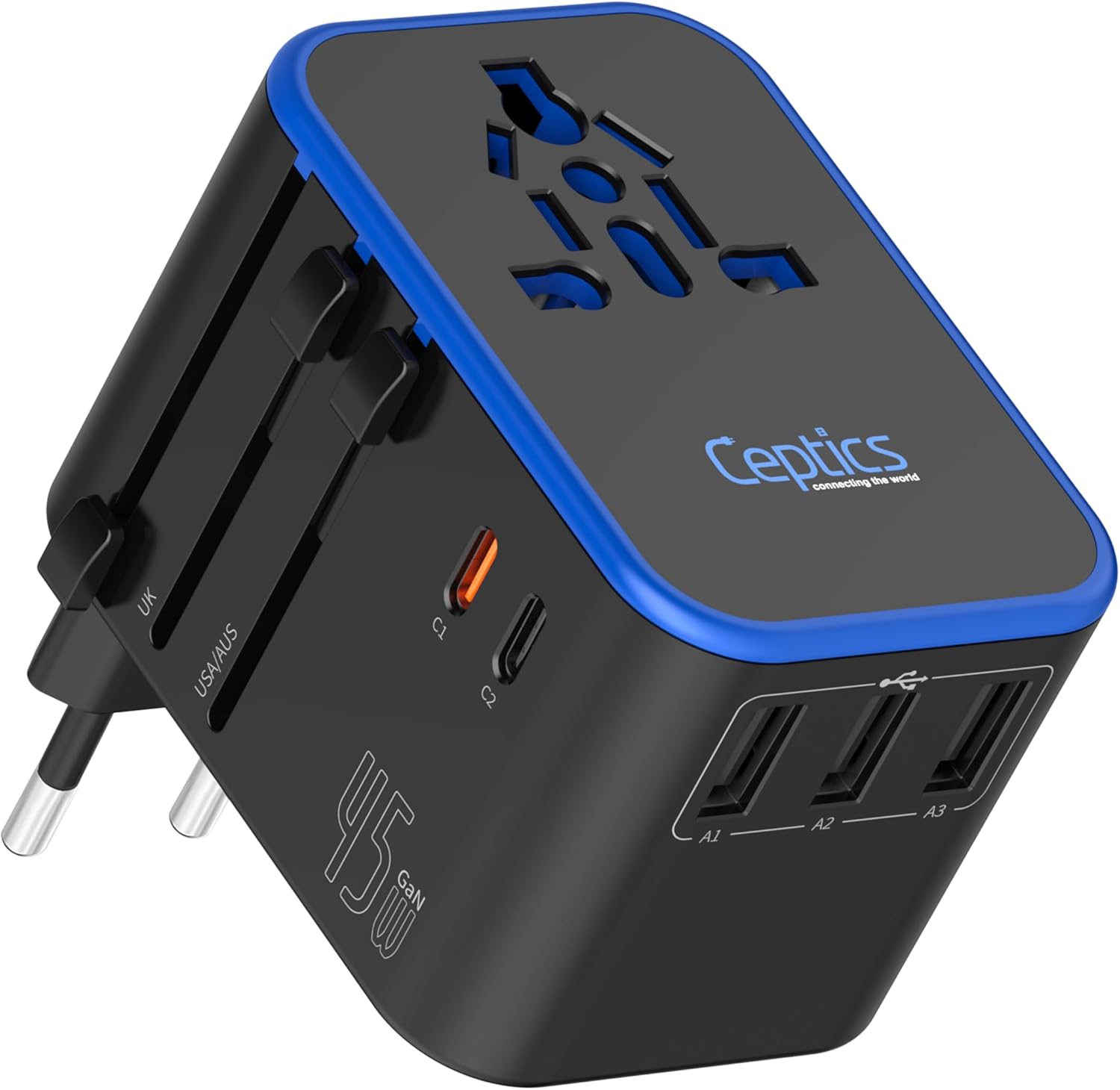
A universal travel adapter may also be useful, depending on your home country and devices. Before buying a printed guide, review how recently it was updated; this guide to choosing a travel guidebook can help you evaluate available options.
How to Choose Your Bali Travel Dates
Start with the activities you would be most disappointed to miss. Choose May through September when beaches, hiking, sightseeing, and outdoor day trips are the priority. Consider the wet season when lower prices, green scenery, food, wellness, and cultural activities matter more than a fixed outdoor schedule.
Next, check school vacations, public holidays, Nyepi, major Bali events, flight prices, and hotel cancellation terms. Before departure, confirm current entry requirements through the official Indonesian eVisa and arrival portal, pay any applicable Bali levy through Love Bali, review the latest Indonesia travel advisory, and check the weather forecast.
No month guarantees perfect weather or empty attractions. The best trip comes from matching Bali’s seasonal trade-offs to your budget, preferred activities, tolerance for rain, and comfort with crowds.
Frequently Asked Questions
What is the best time to travel to Bali?
May, June, and September are usually the best months for a balance of drier weather, outdoor activities, manageable crowds, and reasonable availability. July and August may be drier but are generally busier and more expensive.
What is the weather like in Bali during the best time to travel?
Bali remains warm throughout the year. From May through September, rainfall is generally lower and humidity may feel more comfortable than during the wet season. Coastal areas are warmer, while upland and mountain destinations can be cooler and wetter.
When is the rainy season in Bali?
Bali’s rainy season generally runs from November through March. October and April are transitional months, and actual rainfall patterns can shift from year to year. Rain often comes in intense showers rather than continuous rain every day.
Are there major events or festivals during Bali’s dry season?
Yes. Events vary annually, but the Bali Arts Festival normally takes place around June and July. Sports, music, food, village, and cultural events are also held throughout the dry season. Check official listings because dates and venues can change.
What are the peak tourist seasons in Bali?
July and August are major peak months because they combine the dry season with international school vacations. Demand also rises around Christmas and New Year, even though that period falls within the rainy season.
Is Bali worth visiting during the rainy season?
Yes, especially for travelers interested in lower-demand accommodations, green landscapes, food, culture, yoga, spas, and a slower itinerary. Keep outdoor plans flexible and allow for flooding, slippery trails, or disrupted boat services during severe weather.
When is Bali cheapest to visit?
Prices are often lower during wetter periods such as February, early March, November, and parts of January. Holiday weeks, major events, and property-specific demand can still raise prices, so compare flexible dates before booking.
Does the weather vary across Bali?
Yes. Coastal areas tend to be warmer, while central and northern uplands are cooler and may receive more rain. A sunny forecast in southern Bali does not guarantee identical conditions in Ubud, Kintamani, Munduk, or nearby islands.
What happens in Bali during Nyepi?
Nyepi is the Balinese Day of Silence. The airport closes, roads are largely empty, most businesses stop operating, and visitors must stay within their accommodation except for emergencies. The date changes annually, so check it before booking flights.
Sources
- Indonesia Travel: Weather, Climate and Seasons — Indonesia’s tropical climate, temperatures, and general wet and dry seasons.
- Indonesia Travel: Bali Destination Guide — Bali’s climate, regional variation, landscapes, and activities.
- BMKG Weather Service — official Indonesian forecasts and weather information.
- Love Bali — Bali’s official foreign tourist levy and provincial visitor information.
- CDC Indonesia Traveler View — vaccinations, mosquito protection, food and water safety, animal bites, and travel-health planning.
- U.S. Department of State: Indonesia Travel Advisory — current safety, security, and natural-hazard information.