
Last Updated on July 30, 2026 by Daniel Globe
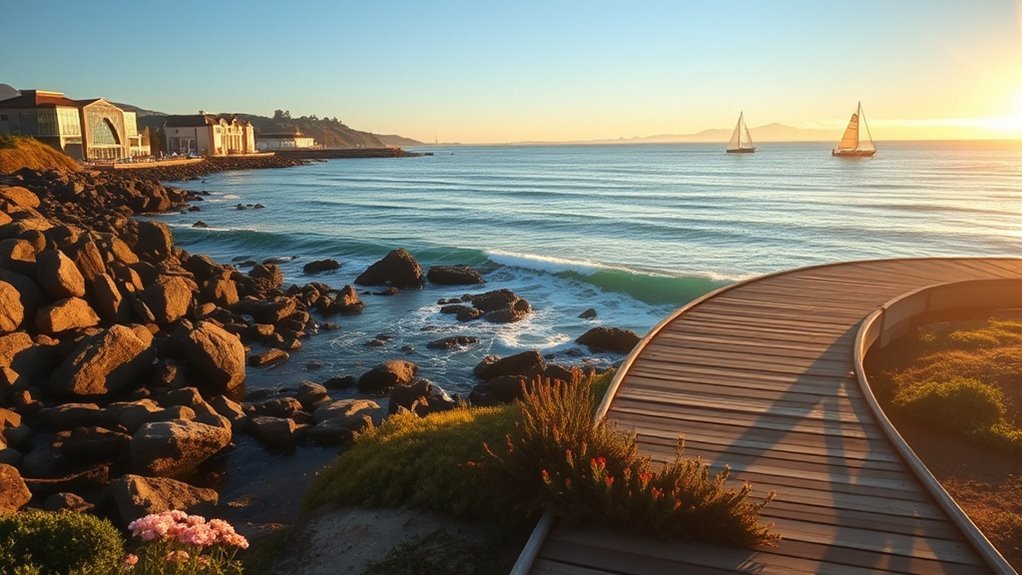
Monterey blends marine wildlife, California history, scenic drives, family attractions, and easy access to some of the Central Coast’s best outdoor spaces. You can spend a full day around Cannery Row and the waterfront, hike at Point Lobos, watch whales in Monterey Bay, or use the city as a base for Carmel, Big Sur, Salinas, and Pinnacles National Park.
Quick Answer
The best things to do in Monterey include visiting the Monterey Bay Aquarium, walking Cannery Row and Old Fisherman’s Wharf, driving 17-Mile Drive, hiking at Point Lobos, joining a whale-watching trip, and exploring the Coastal Recreation Trail. Allow at least two days if you also want to visit Carmel or Big Sur.
Key Takeaways
- Book the Monterey Bay Aquarium and popular wildlife tours ahead during weekends, holidays, and summer.
- Start Point Lobos early because its parking areas can fill quickly.
- Pack layers throughout the year; Monterey can be cool, windy, and foggy even when inland areas are hot.
- Check Caltrans before driving Highway 1 and check current cave conditions before visiting Pinnacles.
- Many waterfront sights are close together, but a car is useful for Point Lobos, Carmel Valley, Laguna Seca, and day trips.
Monterey at a Glance
| Recommended Stay | Two days for Monterey; three or more if adding Carmel, Big Sur, or Pinnacles |
| Getting Around | Walk or bike around the waterfront; use a car or local bus for farther attractions |
| Typical Cost | Free waterfront walks and parks to premium aquarium, driving-route, wine, racing, and boat experiences |
| What to Pack | Layers, comfortable shoes, sun protection, water, binoculars, and motion-sickness supplies for boat trips |
Disclosure: As an Amazon Associate I earn from qualifying purchases. Some links on this page are affiliate links, at no extra cost to you.
Plan Your Monterey Visit
A good Monterey itinerary groups nearby attractions instead of crossing the peninsula several times. Cannery Row, the aquarium, the Coastal Recreation Trail, and Old Fisherman’s Wharf fit naturally into one waterfront day. Point Lobos, Carmel-by-the-Sea, and 17-Mile Drive work well on a second day.
Monterey Itinerary by Trip Length
- One day: Visit the aquarium in the morning, walk Cannery Row and the Coastal Recreation Trail, then finish at Old Fisherman’s Wharf.
- Two days: Add Point Lobos, Carmel-by-the-Sea, and 17-Mile Drive.
- Three days: Add a whale-watching trip, Big Sur drive, Carmel Valley tasting, or Laguna Seca event.
- Four or more days: Add Pinnacles National Park, Fort Ord, Jacks Peak, or the National Steinbeck Center.
Pro Tip: Do not schedule the aquarium, a whale-watching cruise, Point Lobos, and Big Sur on the same day. Each can take longer than expected because of crowds, parking, weather, or wildlife activity.
Reservations, Weather, and Current Conditions
Buy aquarium tickets only through the official Monterey Bay Aquarium website. Reserve boat trips, popular restaurants, and major race weekends early. For Big Sur, check Caltrans Highway 1 conditions on the day you travel.
Monterey’s coastal weather changes quickly. Summer mornings can be foggy and cool, afternoons may become sunny, and boat decks are usually colder than the shore. Dress in layers rather than relying on the inland forecast.
Warning: Stay behind barriers at coastal overlooks, keep children close near cliffs, and never turn your back on breaking surf. Cold water, slippery rocks, and sneaker waves can make apparently calm shoreline areas dangerous.
Monterey Bay Aquarium
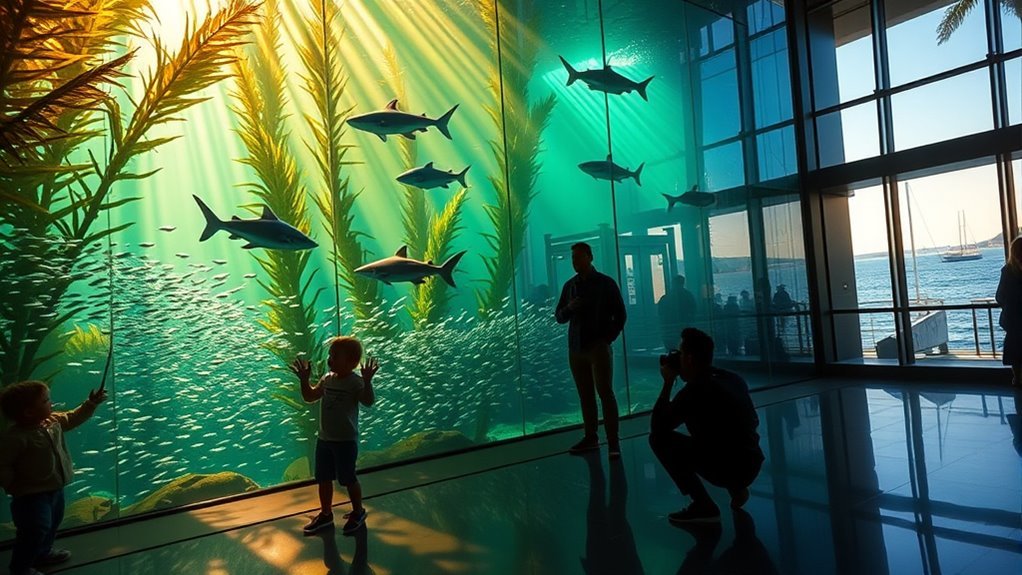
The Monterey Bay Aquarium is the city’s best-known attraction and deserves at least three to four hours. Its 28-foot Kelp Forest exhibit presents giant kelp, sharks, schooling fish, and other animals in a habitat modeled on the nearby bay.
Other highlights include sea otters, jellies, deep-sea animals, seabirds, touch pools, and the Open Sea galleries. Daily programs and feedings can help you decide how to plan your route through the building. Check the current schedule before arriving because program times can change.
The aquarium also supports ocean research, sea-otter recovery, policy work, and sustainable seafood education. Its exhibits are designed to connect what visitors see indoors with the protected waters outside.
Accessibility Note: The aquarium provides ramps and elevators to its exhibits, accessible touch-pool sections, seating, and electronic-assist doors. Review its accessibility and inclusion guide before visiting if you need specific accommodations.
Cannery Row Exploration
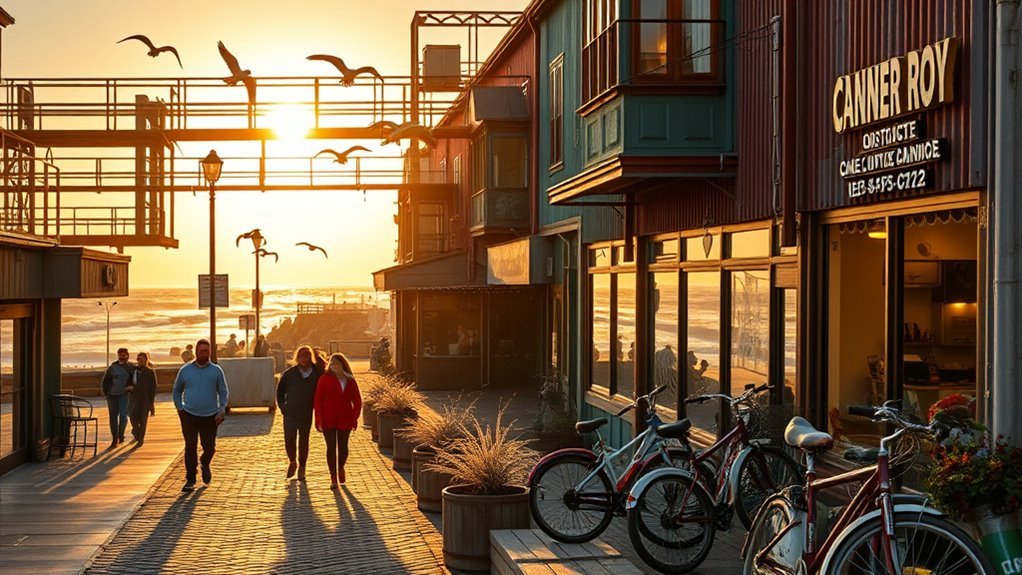
Cannery Row was once the center of Monterey’s sardine-packing industry and later became closely associated with John Steinbeck’s writing. Today, its restored industrial buildings hold restaurants, hotels, shops, galleries, and the Monterey Bay Aquarium.
Cannery Row combines Monterey’s fishing history, aquarium, bay views, restaurants, and shops in one walkable waterfront district.
- Walk a section of the Coastal Recreation Trail.
- Look for sea otters, seals, sea lions, and seabirds from public viewpoints.
- Visit the aquarium before the busiest afternoon period.
- Browse galleries and small shops in the restored cannery buildings.
- Stay for dinner or continue toward Pacific Grove at sunset.
Parking can be expensive and busy near the aquarium. Consider parking once and exploring the district on foot rather than moving your car between Cannery Row and nearby waterfront stops.
17-Mile Drive Scenic Route
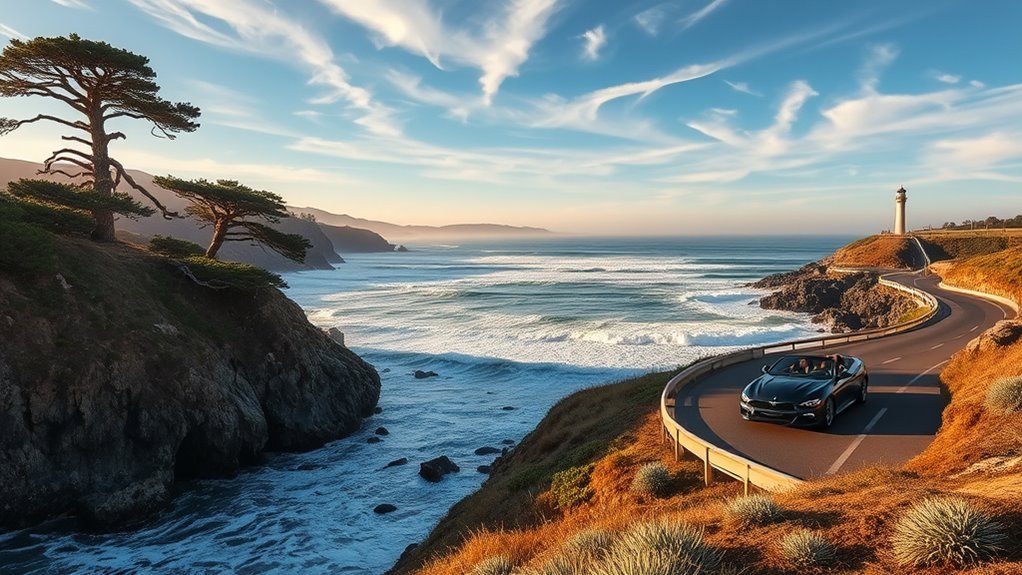
17-Mile Drive passes beaches, rocky shoreline, cypress forest, golf courses, and famous viewpoints such as the Lone Cypress and Bird Rock. Allow two to three hours if you plan to stop often.
As of July 2026, admission is $12.50 per vehicle. Pebble Beach says the gate fee can be reimbursed with a qualifying purchase of at least $35 at eligible resort restaurants. The public gates operate from sunrise to sunset, and motorcycles are prohibited. Confirm the current fee and rules before departure.
Iconic Coastal Highlights
The drive’s appeal comes from its variety. One section passes white-sand beaches and exposed shoreline; another winds through cypress forest or beside carefully maintained golf courses. Wildlife sightings are possible, but they are never guaranteed.
- Lone Cypress viewpoint
- Spanish Bay
- Bird Rock
- Fanshell Beach overlook
- Cypress Point Lookout
- Pebble Beach coastal views
Photo Stops & Trails
Use designated pullouts and stay behind fences and barriers. A wide-angle lens works well for beaches and cliff views, while binoculars or a telephoto lens are useful for wildlife that should be viewed from a distance.
Do not stop in the roadway or block private driveways. Some beaches and viewpoints may close temporarily for weather, wildlife protection, maintenance, or special events.
Point Lobos State Natural Reserve
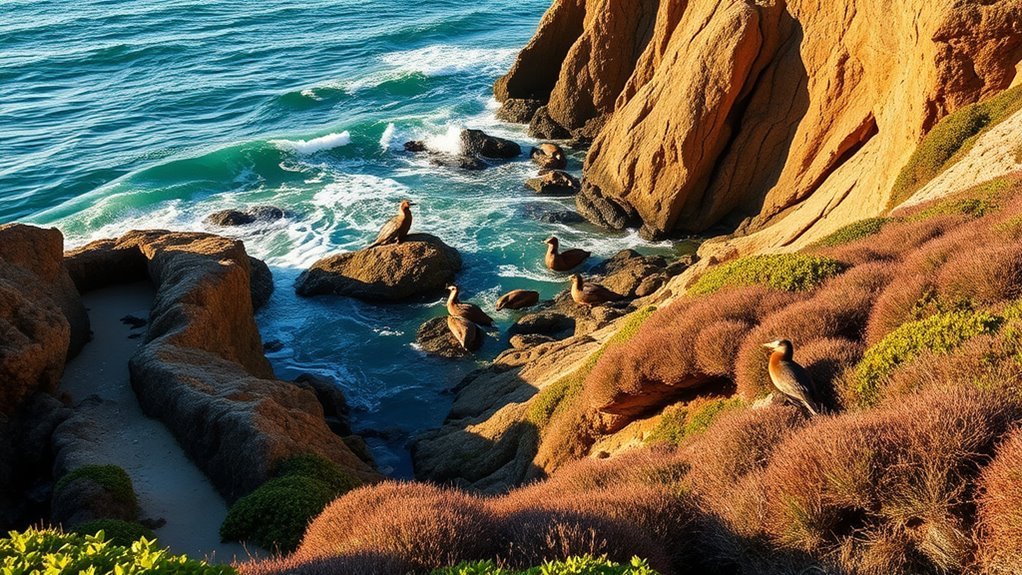
Point Lobos State Natural Reserve protects rocky headlands, sheltered coves, cypress groves, tide pools, and offshore marine habitat. Its trail network includes short walks and longer combinations along the coast.
The Cypress Grove Trail is a popular introduction, while Bird Island Trail, Sea Lion Point, and the paths near Whalers Cove provide different views. Wildlife may include sea otters, harbor seals, sea lions, whales, and many bird species.
- Walk the Cypress Grove Trail for forest and ocean views.
- Look for whales from established headland viewpoints.
- Visit tide pools only when conditions and tides are safe.
- Tour the Whalers Cabin museum when it is open.
- Use the paved Sea Lion Point loop if you need a shorter accessible option.
Warning: Dogs are not allowed anywhere within Point Lobos, including inside parked vehicles. Bicycles are prohibited on trails. Parking is limited, so arrive early and never park in a prohibited roadside area.
Old Fisherman’s Wharf Stroll
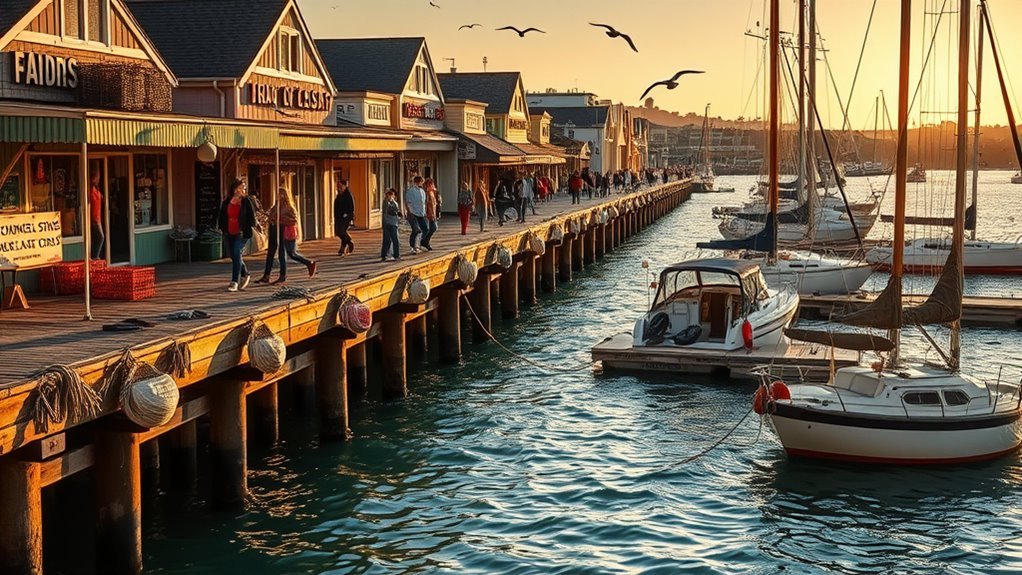
Old Fisherman’s Wharf is a compact waterfront area with restaurants, candy shops, souvenir stores, harbor views, and departure points for whale-watching and sightseeing boats. It is easy to combine with downtown Monterey and the Coastal Recreation Trail.
Wharf History & Architecture
Monterey’s waterfront developed around fishing, shipping, trade, and military use. The wharf’s pilings, storefronts, harbor equipment, and working boats still reflect that maritime history.
The nearby Custom House is part of Monterey State Historic Park and is recognized as California’s oldest government building. It should not be confused with the commercial structures on the wharf itself.
- Look for harbor equipment and working fishing boats.
- Read interpretive signs around Custom House Plaza.
- Visit Pacific House Museum when open.
- Follow the yellow Path of History markers into downtown.
- Compare the commercial wharf with the adjoining historic district.
Fresh Seafood & Dining
The wharf is known for clam chowder, fish, shellfish, and bayfront dining. Menus and sourcing change with season, availability, and restaurant practices, so ask what is local or currently in season rather than assuming every dish was landed that day.
Restaurants range from quick counters to full-service dining rooms. Review menus before joining a wait, especially if your group has allergies, young children, or dietary restrictions.
Shops, Tours, & Sights
- Sample clam chowder before choosing a restaurant.
- Watch candy-making at Carousel Candies when demonstrations are running.
- Look for harbor seals, sea lions, and seabirds without approaching them.
- Compare whale-tour duration, vessel size, and cancellation policies.
- Walk from the wharf to Custom House Plaza and downtown Monterey.
Pacific Grove Monarch Grove Sanctuary
Pacific Grove’s Monarch Grove Sanctuary protects an important overwintering site for western monarch butterflies. The main season generally runs from October through February.
Monarch numbers can change sharply from one year to the next, so do not plan your visit around a promised count. Cool butterflies may cluster quietly in the trees, while warmer sunlight can make them more active. Check current local counts before making a special trip.
Stay on designated paths, keep noise low, and never shake branches or disturb clusters. Admission is free, and interpretive volunteers may be present during the season.
Whale Watching Tours in Monterey Bay
Monterey Bay supports year-round wildlife viewing because its deep submarine canyon and productive marine ecosystem attract whales, dolphins, sea otters, seals, and seabirds. What you may see changes by month and ocean conditions.
Gray whales are commonly associated with winter migration periods, while humpback whales are often seen from spring into fall. Other species can appear, but no responsible tour can promise a specific wild animal on a specific departure. Review NOAA’s seasonal wildlife guide before choosing a date.
- Choose an operator that carries an experienced naturalist.
- Compare vessel size, deck access, seating, and restroom availability.
- Read the cancellation and rebooking policy.
- Reserve early for weekends and school holidays.
- Follow all crew instructions around wildlife.
Pro Tip: Morning trips may have lighter winds, but conditions vary. Take motion-sickness medicine early enough to work, follow its label, and avoid a heavy meal immediately before departure.
Kayaking and Paddleboarding on the Bay
A kayak or stand-up paddleboard can provide close views of kelp beds, rocky shoreline, and marine wildlife, but Monterey Bay is not always calm. Wind, swell, fog, cold water, and boat traffic can change quickly.
Beginners should use a reputable rental company or guided tour, stay within the recommended area, and wear a properly fitted personal flotation device. Morning outings are often preferred because afternoon wind can increase, but check the actual marine forecast rather than relying only on the season.
| Activity | Best For | Important Preparation |
|---|---|---|
| Kayak | Kelp and wildlife viewing | PFD, layers, launch briefing, wildlife distance |
| SUP | Experienced paddlers in calm water | Leash guidance, PFD, wind check, cold-water plan |
| Guided Tour | Beginners and visitors | Follow guide instructions and confirm minimum age |
Warning: Do not paddle toward whales, seals, sea lions, or resting sea otters. Maintain distance and follow NOAA responsible wildlife-viewing guidance.
Monterey Bay Coastal Trail Walks
The Monterey Bay Coastal Recreation Trail runs about 18 miles between Castroville and Pacific Grove. The most popular waterfront section connects Old Fisherman’s Wharf, Cannery Row, the aquarium area, and Pacific Grove.
Scenic Bayfront Strolls
Many sections are paved and mostly level, making the trail useful for walking, jogging, biking, and moving between attractions without a car. Benches and viewpoints provide frequent places to stop.
- Walk from Old Fisherman’s Wharf to Cannery Row.
- Continue toward Lovers Point in Pacific Grove.
- Use a bell and pass carefully when cycling.
- Keep right and avoid blocking the path in groups.
- Visit early or near sunset for softer light and fewer crowds.
The main recreation trail does not directly include every coastal attraction named in regional guides. Connections toward Asilomar may involve local streets or separate paths, so check a current map before assuming the entire route is traffic-free.
Wildlife & Lookout Points
Sea otters may rest in kelp, harbor seals may appear near rocks, and seabirds are common along the trail. Whales can sometimes be spotted offshore with binoculars, especially during migration periods.
Do not approach resting animals or climb down to closed shoreline areas. Interpretive signs along the route explain local ecology, fishing history, and protected marine habitat.
Pebble Beach Golf Links Views
Pebble Beach Golf Links places oceanfront holes beside cliffs, coves, and exposed shoreline. The short par-3 seventh hole is especially recognizable because its green sits above the Pacific.
You do not need to play a round to see parts of the Pebble Beach coastline. Public viewpoints along 17-Mile Drive and resort dining areas provide coastal scenery, although access can change during tournaments, private events, or busy periods.
- Stop at official 17-Mile Drive viewpoints.
- Check the tournament calendar before visiting.
- Reserve dining if you want a specific time or view.
- Respect signs separating public areas from the golf course.
- Allow extra travel time during major golf and Car Week events.
Carmel-by-the-Sea Village Walk
Carmel-by-the-Sea is known for small courtyards, cottages, galleries, boutiques, restaurants, and walkable blocks leading downhill toward the ocean. The village is best explored slowly because many shops and passages are easy to miss from a car.
Walk to Carmel Beach for white sand and broad coastal views. Dogs may be off leash on the beach when under voice control, but they must be leashed on the Scenic Pathway and elsewhere in town. Follow posted rules and pick up all waste.
The Carmel Mission is outside the central shopping blocks and may require a longer walk or short drive. Festivals, gallery events, and performances vary by year, so check the city’s current calendar rather than planning around an old event date.
Laguna Seca Raceway Events
WeatherTech Raceway Laguna Seca is a 2.238-mile road circuit known for elevation changes and the Corkscrew, a steep left-right sequence that drops sharply between Turns 8 and 8A.
The annual schedule may include professional racing, historic cars, motorcycles, community cycling, track rentals, and other special events. Event names and dates change, so use the official calendar rather than relying on a previous season’s lineup.
- Buy tickets and parking through official channels.
- Review rules for coolers, chairs, cameras, and paddock access.
- Bring hearing protection, especially for children.
- Expect sun exposure and temperature changes across the property.
- Reserve camping early for major weekends.
Monterey State Historic Park Sites
Monterey State Historic Park includes more than 10 historic structures in and around downtown Monterey. Twelve park buildings are also part of the wider 55-site Path of History, which visitors can follow using yellow pavement markers.
Monterey served as the capital of Alta California during Spanish and Mexican rule. California’s 1849 constitutional convention took place at Colton Hall, but San Jose became the first permanent state capital after admission to the United States.
The Custom House is California’s oldest government building. Pacific House now contains exhibits on several periods of local history, while California’s First Theatre preserves an important early performance site. Opening days and building access vary, so check the official park page.
Note: Some historic buildings are accessible only on certain days or during guided tours. The first floors of several major sites are generally accessible, but historic construction can limit full access.
Dennis the Menace Playground Visit
Dennis the Menace Playground is part of Monterey’s El Estero Park complex. The playground opened in 1956 with support from cartoonist Hank Ketcham and has been renovated several times.
Dennis the Menace Playground gives families a free outdoor break near downtown, with climbing, sliding, imaginative play, lawns, and lake activities nearby.
- Explore the playground’s climbing and play structures.
- Take breaks on the surrounding lawns.
- Use the nearby picnic areas for snacks or lunch.
- Check paddle-boat operating hours before promising a ride.
- Visit the adjacent dog park separately if traveling with a pet.
The playground is free, but its schedule changes by season. The City of Monterey currently lists daily summer opening and Tuesday closures during much of the off-season, except on holidays. Confirm hours on the official El Estero Park page.
Monterey Bay Whale and Marine Life Cruises
Most Monterey wildlife cruises spend several hours outside the protected harbor, where the ride can be colder and rougher than conditions on shore. Naturalists may explain feeding, migration, identification, and conservation while the captain searches a wide area of the bay.
Bring a warm outer layer, secure footwear, sun protection, and a camera strap. Binoculars can help, although a moving vessel may make high-powered models difficult to use. Keep both hands available when walking on deck.
| Trip Feature | What to Expect | What to Check |
|---|---|---|
| Duration | Often several hours | Return time and cancellation policy |
| Wildlife | Whales, dolphins, seabirds, seals, or sea otters may appear | Seasonal patterns, not guarantees |
| Comfort | Cold wind and vessel movement | Indoor seating, restroom, accessibility, medication timing |
Jacks Peak County Park Hikes
Jacks Peak County Park contains approximately 8.5 miles of hiking trails through one of the few remaining natural stands of Monterey pine in the United States.
The park’s routes pass forest, oak woodland, picnic areas, fossils, and ridgetop viewpoints. The Skyline Self-Guided Nature Trail crosses the summit area and provides information about the landscape.
- Use the official map to combine shorter trails.
- Carry water even on cool or foggy days.
- Watch for poison oak beside narrow trails.
- Use designated picnic areas and pack out waste.
- Remember that bicycles are not allowed on the park’s trails.
Seasonal closing times vary, and wood or charcoal fires are prohibited. Check the county page before arrival.
Fort Ord National Monument Trails
Fort Ord National Monument provides more than 86 miles of trails across grassland, oak woodland, maritime chaparral, and rolling hills. Visitors can hike, run, mountain bike, or ride horses on routes designated for those uses.
Trail Network Overview
The network is large enough for short family outings, long loops, and challenging rides. Use an official BLM map because numbered trail intersections can be confusing, and phone reception should not be your only navigation method.
- Creekside routes for gentler grades
- Ridgeline routes for broader views
- Steeper connectors for climbing
- Wide multiuse corridors for bikes and horses
- Short loops near major trailheads
Warning: Fort Ord is a former military training area. Stay on authorized trails, obey every closure sign, and never touch suspicious metal objects or leave the marked route.
Wildlife & Wildflowers
Deer, coyotes, raptors, songbirds, reptiles, and smaller animals use the monument’s varied habitats. Spring wildflowers may include poppies and lupines, but bloom timing depends on rainfall and temperature.
| Habitat | Possible Wildlife | Seasonal Interest |
|---|---|---|
| Oak woodland | Deer and songbirds | Cooler shaded walks |
| Coastal scrub | Coyotes and raptors | Spring flowers |
| Grassland | Ground birds and small mammals | Open views and sun exposure |
| Seasonal pools | Specialized plants and wildlife | Wet-season habitat |
Biking and Equestrian Routes
Fort Ord is a major regional destination for mountain biking and horseback riding. Terrain ranges from broad roads to narrower rolling trails with sustained climbs and fast descents.
- Choose a route that matches your technical ability.
- Yield according to posted multiuse-trail rules.
- Control speed near blind corners.
- Carry repair supplies and more water than expected.
- Use only trails open to your activity.
Pinnacles National Park Day Trip
Pinnacles National Park is an inland day trip known for volcanic rock formations, talus caves, chaparral, climbing routes, and California condors. Travel time from Monterey depends on the entrance, route, and traffic, so plan a full day.
The High Peaks and Condor Gulch areas provide some of the best chances to see condors, although sightings are never guaranteed. Cave routes can be exciting, but they require secure footwear, a light source, and a current status check.
Warning: Pinnacles can become dangerously hot. Start early, carry ample water, and avoid exposed hikes during extreme heat. Bear Gulch and Balconies caves may close because of bats, flooding, rockfall, vandalism, or other hazards. Check the current park conditions before leaving Monterey.
Monterey Farmer’s Market Shopping
The current Monterey Bay Certified Farmers Market in Monterey operates at Del Monte Shopping Center, behind California Pizza Kitchen. It is scheduled for Fridays from 8 a.m. to noon and operates year-round, rain or shine.
Visit Monterey’s certified Friday market for California-grown produce, flowers, plants, artisan foods, and direct conversations with regional growers.
- Seasonal fruit and vegetables
- Cut flowers and potted plants
- Artisan foods and prepared products
- California-grown farm goods
- Direct purchases from participating vendors
Schedules and vendors can change. Confirm details through Monterey Bay Certified Farmers Markets. Animals are prohibited within certified market areas except for qualifying service animals.
Wine Tasting in Carmel Valley
Carmel Valley’s warmer inland climate supports vineyards and tasting rooms offering Pinot Noir, Chardonnay, Syrah, and other varieties. Carmel Valley Village has several tasting rooms within a compact area, while some wineries are farther along the valley roads.
Compare tasting fees, reservation rules, food options, and closing times before building your route. Some businesses allow walk-ins, while others require appointments or limit group size.
- Choose a designated driver or hired transportation.
- Limit the number of tasting stops in one afternoon.
- Drink water and eat before or during the visit.
- Confirm whether children or dogs are permitted.
- Buy wine only after considering heat exposure in a parked car.
Steinbeck Center Museum Experience
The National Steinbeck Center in Salinas explores the life, writing, and regional influences of John Steinbeck. Exhibits connect his books with agriculture, migration, labor, ecology, and the Salinas Valley.
Visitors can see manuscripts, photographs, objects, film material, and displays related to works such as The Grapes of Wrath, East of Eden, and Of Mice and Men.
- Interactive exhibits introduce major books and themes.
- Original materials show parts of Steinbeck’s writing process.
- Regional displays connect his work with the Salinas Valley.
- Programs and exhibitions change throughout the year.
- The museum shop carries books and local gifts.
Scenic Drive Along Highway 1 to Big Sur
Highway 1 south from Monterey and Carmel passes Point Lobos, Garrapata State Park, Bixby Creek Bridge, Point Sur, and the Big Sur River area. Farther south, the road reaches Julia Pfeiffer Burns State Park and McWay Falls.
Highway 1 reopened through Big Sur in January 2026 after work at Regent’s Slide. Construction, weather, rockfall, and temporary overnight closures can still affect the route, so check Caltrans immediately before departure.
Dramatic Coastal Vistas
Allow far more time than a map’s nonstop estimate. Pullouts may be busy, traffic can slow near bridges, and a short trail or beach stop can easily add an hour.
- Bixby Creek Bridge viewpoints
- Garrapata coastal overlooks
- Point Sur views
- Big Sur River area
- State-park trails that are confirmed open
Warning: Do not stop in traffic, cross Highway 1 blindly, or stand outside barriers for a photograph. Use established pullouts and leave if a parking area is full.
Iconic Photo Stops
Bixby Creek Bridge is one of the route’s most recognized landmarks. The bridge is 714 feet long overall; that figure does not describe the size of its central arch. Garrapata and Point Lobos provide additional cliff, beach, and wildlife views closer to Monterey.
McWay Falls lies much farther south. As of July 2026, the Overlook Trail at Julia Pfeiffer Burns State Park remained closed for a retaining-wall project, and viewing was limited to a small area beside Highway 1. Check the official state park page before including it in your itinerary.
Scenic Sunset Cruises and Sailing Tours
A sunset sailing trip offers a quieter alternative to a daytime wildlife cruise. Depending on the route and conditions, you may see the Monterey waterfront, Pacific Grove shoreline, seabirds, dolphins, seals, or sea lions as the light changes.
Trip length, vessel type, included refreshments, age limits, and wildlife focus vary by operator. Do not assume that wine, food, or a guaranteed sighting is included unless the booking page says so.
- Confirm the actual departure and return time.
- Bring a warmer layer than you expect to need.
- Ask about restroom and accessibility arrangements.
- Secure phones, hats, and cameras before leaving the harbor.
- Review the weather-cancellation policy.
Art Galleries and Local Museums Tour
Monterey and nearby communities offer a useful indoor circuit for rainy, foggy, or slower-paced days. Start with the Monterey Museum of Art, then consider Pacific Grove Museum of Natural History, Monterey State Historic Park, and the National Steinbeck Center in Salinas.
Carmel-by-the-Sea has many independent commercial galleries, but individual businesses and exhibitions change. Walk the village and choose galleries based on the art currently displayed rather than relying on an old list of store names.
- Monterey Museum of Art: California art, photography, and changing exhibitions
- Pacific Grove Museum of Natural History: Regional plants, animals, geology, and monarch interpretation
- Pacific House Museum: Monterey history and cultural collections
- Custom House: Trade, government, and early California history
- National Steinbeck Center: Literature, agriculture, labor, and the Salinas Valley
Dining on Fresh Monterey Seafood
Monterey’s waterfront restaurants serve clam chowder, grilled fish, oysters, crab, calamari, cioppino, and other seafood. Availability and origin change with season, weather, fisheries, and supplier practices.
Ask what is local, what is in season, and how a dish is prepared. The Monterey Bay Aquarium’s Seafood Watch program can help you compare seafood choices, although restaurant sourcing may require a direct question.
- Try clam chowder before choosing among wharf restaurants.
- Ask about the catch of the day and where it was landed.
- Choose grilled or simply prepared fish when you want to taste the ingredient.
- Make reservations for sunset and weekend dining.
- Confirm allergen procedures if shellfish is a concern.
Frequently Asked Questions
Are there child care or babysitting services near Monterey?
Some hotels can refer guests to independent babysitters or local agencies, but availability, screening, insurance, and minimum booking times vary. Ask the hotel what it verifies and independently check a provider through California’s licensed-facility resources when applicable. Do not assume a hotel recommendation means the caregiver is employed by the hotel.
What are good family-friendly hotels with ocean or harbor views?
Monterey Plaza Hotel & Spa, Spindrift Inn, InterContinental The Clement Monterey, and Portola Hotel & Spa are commonly considered for waterfront or harbor-area stays. Views depend on the exact room category, and these properties do not share the same pool, suite, beach-access, or family policies. Confirm the room view and amenities before booking.
Is Monterey walkable with a stroller or wheelchair?
The main waterfront between Old Fisherman’s Wharf, Cannery Row, and the aquarium is relatively walkable, and many sections of the Coastal Recreation Trail are paved. The aquarium has ramps and elevators. Steep streets, crowds, historic thresholds, broken pavement, and some coastal connections can still require an alternate route.
Are there public transportation options to nearby attractions?
Monterey-Salinas Transit serves Monterey, Pacific Grove, Carmel, Salinas, and other regional destinations. Service to farther coastal areas can be limited, seasonal, or affected by road conditions. Use the current MST route list and trip planner rather than an older printed schedule.
Can I bring my dog to Monterey beaches and trails?
Rules differ by location. Dogs are prohibited throughout Point Lobos. Carmel Beach permits dogs off leash when they remain under voice control, but leashes are required on the Scenic Pathway and elsewhere in Carmel. Other state beaches and trails may require a leash or prohibit dogs entirely. Check the sign at every entrance.
How many days should I spend in Monterey?
Two full days cover the aquarium, Cannery Row, the wharf, Point Lobos, Carmel, and 17-Mile Drive at a reasonable pace. Add a third day for whale watching or Big Sur. Add a fourth if you want Pinnacles, Carmel Valley, Fort Ord, or the Steinbeck Center.
Do I need a car in Monterey?
You can explore the aquarium, Cannery Row, the wharf, downtown, and parts of Pacific Grove without a car. A vehicle is more convenient for Point Lobos, 17-Mile Drive, Carmel Valley, Laguna Seca, Pinnacles, and a flexible Big Sur itinerary.
Conclusion
Monterey is easiest to enjoy when you balance one or two major attractions with time outdoors. Visit the aquarium and waterfront without rushing, begin Point Lobos early, and leave room for changing weather, wildlife, traffic, and coastal views.
For a first trip, focus on the aquarium, Cannery Row, Old Fisherman’s Wharf, Point Lobos, Carmel-by-the-Sea, and 17-Mile Drive. Add whale watching, Big Sur, Fort Ord, Pinnacles, or Carmel Valley only when your schedule gives each experience enough time.
Sources
- Monterey Bay Aquarium — exhibits, tickets, conservation work, schedules, and accessibility
- Pebble Beach Resorts: 17-Mile Drive — entrance fee, gate rules, reimbursement, and route information
- California State Parks: Point Lobos State Natural Reserve — trails, access, dog restrictions, and visitor rules
- Monterey Bay National Marine Sanctuary — wildlife seasons and responsible viewing practices
- Bureau of Land Management: Fort Ord National Monument — trail mileage, recreation, habitats, and safety
- Caltrans Highway 1 Conditions — current closures, restrictions, and road information

