
Last Updated on July 24, 2026 by Daniel Globe
Los Angeles is easier to enjoy when you stop treating it as one giant sightseeing district. The city’s best experiences are spread across Downtown LA, Hollywood, the Westside, Santa Monica, Pasadena, Malibu, and other distinct areas. Grouping nearby attractions together will save time in traffic and leave more of your day for museums, beaches, food, architecture, and views.
Quick Answer
Some of the best things to do in Los Angeles include exploring Downtown LA, visiting Griffith Observatory and Hollywood, seeing art at the Getty Center and The Broad, spending time in Santa Monica and Malibu, touring Warner Bros. Studios, and taking day trips to Pasadena, Long Beach, or Santa Barbara.
Key Takeaways
- Group attractions by neighborhood instead of crossing Los Angeles several times in one day.
- Downtown LA, Hollywood, Santa Monica, Pasadena, Malibu, and Santa Barbara work best as separate sightseeing clusters.
- Reserve popular timed attractions before your trip, especially the Getty museums, Warner Bros. Studio Tour, and selected museum or house tours.
- Use Metro where it fits your route, but a car or rideshare is still useful for Malibu, many hillside attractions, and regional day trips.
- Check current road, beach, park, and attraction conditions before departure because closures and access rules can change.
Disclosure: As an Amazon Associate I earn from qualifying purchases. Some links on this page are affiliate links, at no extra cost to you.
Plan Your Los Angeles Sightseeing Before You Go
Los Angeles rewards geographic planning. A Downtown morning followed by Santa Monica, Pasadena, and Malibu on the same day may look possible on a map, but traffic and parking can turn that schedule into hours in a car.
A better approach is to build each day around one region:
- Downtown LA: Bradbury Building, Grand Central Market, The Last Bookstore, The Broad, Olvera Street, Union Station, Chinatown, and the Historic Broadway area.
- Hollywood and Burbank: Hollywood Boulevard, TCL Chinese Theatre, Hollywood Forever Cemetery, Griffith Observatory, and Warner Bros. Studio Tour.
- Mid-City and Beverly Hills: La Brea Tar Pits, LACMA, Academy Museum, Original Farmers Market, Melrose Avenue, and Rodeo Drive.
- Westside: Getty Center, Santa Monica, Venice, and the beach.
- Pasadena: The Huntington, Gamble House, and Old Pasadena.
- Malibu: Getty Villa, Malibu Pier, beaches, and coastal scenery.
Pro Tip: For a first visit, three to five sightseeing days gives you far more flexibility than trying to cover every famous neighborhood in a weekend. A one-day visit is best limited to one or two adjacent areas.
Getting Around Los Angeles
Metro can be useful for Downtown, Hollywood, Koreatown, parts of the Westside, and an increasing number of Wilshire Boulevard destinations. As of July 2026, the regular Metro fare is $1.75, with fare caps available, and riders can use TAP as well as supported contactless credit and debit cards. Check the current details on the official LA Metro fare page.
A car remains useful for Malibu, the Getty Center, some Griffith Park itineraries, Pasadena combinations, and longer regional trips. Build parking and traffic time into your schedule rather than planning only around mileage.
Reservations Worth Making in Advance
Some major attractions are free but still use timed reservations. The Getty Center and Getty Villa require timed entry. Advance tickets are also smart for the Warner Bros. Studio Tour, Gamble House tours, The Huntington during busy periods, and popular exhibitions.
Downtown Los Angeles: Bradbury Building, Grand Central Market, and The Last Bookstore
Downtown Los Angeles contains several attractions that fit naturally into a walking route. Start with the Bradbury Building at 304 South Broadway. Completed in 1893, the landmark is known for its light-filled Victorian court, open-cage elevators, marble stairs, and ornate ironwork. The Los Angeles Conservancy identifies it as the oldest commercial building still standing in the central city.
Because the Bradbury remains an active office building, public access is generally limited to the lower portion of the interior. You do not need an hour unless you are joining an architectural tour; a shorter stop is usually enough to appreciate the atrium and details.
Across Broadway, Grand Central Market has operated since 1917. Its food stalls represent a broad mix of Los Angeles cooking rather than a single style of “California cuisine.” It is an easy lunch stop during a Downtown walking day. Check current vendors and hours on the Grand Central Market website.
Continue to The Last Bookstore at Fifth and Spring. The downtown shop occupies a former bank building and combines new, used, and rare books with vinyl, art, installations, and its well-known book tunnel. Its official site recommends nearby metered parking and paid lots, while Pershing Square Metro station is about a block away.
Downtown Los Angeles: Olvera Street, Union Station, Chinatown, and Nearby Eats
A second Downtown cluster centers on Los Angeles Plaza. At Olvera Street, visit the Avila Adobe, built in 1818 and recognized by the City of Los Angeles as the oldest existing house in the city. El Pueblo Historical Monument also offers tours covering Indigenous, Spanish, Mexican, Chinese American, and later Los Angeles history. See the official El Pueblo site before your visit.
Across Alameda Street, Los Angeles Union Station is worth seeing even when you are not catching a train. Its architecture blends Spanish Colonial, Mission Revival, and Art Deco influences in a style often called Mission Moderne.
From there, walk north toward Chinatown for plazas, shops, public art, and restaurants. Allow roughly 30 to 60 minutes for a quick look or longer if you plan to eat and explore side streets.
Philippe The Original, near the northern side of this district, is one of LA’s longstanding French dip destinations. Pairing Olvera Street, Union Station, Chinatown, and Philippe’s is much more practical than combining them with attractions on the Westside.
Hollywood and Surroundings
Hollywood is best treated as a cluster rather than a single attraction. Hollywood Boulevard provides the classic movie-history experience, while Griffith Park lies to the east and Warner Bros. Studio Tour is in nearby Burbank rather than Hollywood proper.
Warner Bros. Studio Tour in Burbank
The Warner Bros. Studio Tour Hollywood operates from 3400 Warner Boulevard in Burbank. The standard experience currently takes about three hours: roughly one hour with a guide followed by around two hours of self-guided exhibits, dining, and shopping.
Current displays include the Central Perk set from Friends and sets from The Big Bang Theory. Because Warner Bros. is a working studio, backlot access and what you see can change according to production activity. That unpredictability is part of the experience, so do not plan around seeing one specific working set.
Tour options and pricing change, so book the exact experience you want from the official site rather than relying on an old “standard versus VIP” description.
The Getty Center and Nearby Architecture and Arts
The Getty Center combines art, gardens, modern architecture, and panoramic views from its hilltop location in the Santa Monica Mountains. Architect Richard Meier designed the complex using extensive Italian travertine, glass, open plazas, gardens, and carefully controlled natural light.
The museum presents art spanning centuries rather than focusing specifically on Abstract Expressionism. Its changing displays and exhibitions can include European painting, sculpture, decorative arts, drawings, manuscripts, and photography. Check the Getty Center’s current visitor information for what is on view.
Admission is free, but a timed-entry reservation is required and parking carries a fee. Most first-time visitors should allow at least three hours; architecture and garden enthusiasts can easily spend half a day.
Santa Monica and Beach Areas
Santa Monica works well as a half-day or full-day destination because the beach, pier, downtown shopping area, restaurants, and hotels are close enough to explore largely on foot.
Start near the beach and walk toward the Santa Monica Pier. The pier’s Route 66 “End of the Trail” imagery represents the symbolic western terminus of Historic Route 66 rather than its starting point.
From the pier, Third Street Promenade and Santa Monica Place are easy to reach. Santa Monica Place is a shopping center with restaurants and food options rather than a traditional food hall.
The Santa Monica Proper Hotel is one optional dining stop farther inland. Palma serves food and drinks inside the hotel, while Calabra is its rooftop restaurant and bar. These are optional additions rather than essential Santa Monica attractions.
Pasadena Day Trip Highlights
Pasadena is one of the easiest cultural day trips from central Los Angeles. The Huntington and Gamble House are the two standout destinations, while Old Pasadena adds restaurants, shops, and an attractive walkable district.
The Huntington Library, Art Museum, and Botanical Gardens has about 130 acres of botanical gardens, including major Chinese and Japanese gardens, as well as galleries displaying works such as Thomas Gainsborough’s The Blue Boy and Thomas Lawrence’s Pinkie.
The Gamble House is a masterpiece of the American Arts and Crafts movement designed by Charles and Henry Greene for David and Mary Gamble. Guided tours offer the best way to see its joinery, woodwork, furnishings, and architectural details.
Instead of looking for loosely defined “wine country” in the San Gabriel foothills, use any extra Pasadena time for Old Pasadena, another museum, or nearby gardens. Save a true wine-country extension for the Santa Ynez Valley when visiting Santa Barbara.
The Huntington and Pasadena Cultural Institutions
The Huntington deserves at least half a day if gardens, books, history, or art are a priority. Its themed botanical gardens cover about 130 acres, and the art collections include important British, European, and American works.
Note: The Huntington’s historic Library exhibition halls are currently closed for the Library/Art Building renovation and are expected to reopen in spring 2029. The gardens, art galleries, exhibitions, and programs remain open. Check the official visitor page for current closures before traveling.
The Gamble House complements The Huntington well, but guided tour capacity is limited. Advance booking is recommended through the Gamble House visitor page.
Malibu and Santa Barbara Day Trips
Malibu and Santa Barbara are both excellent coastal excursions, but they should usually be treated as separate trips. Trying to explore Malibu beaches, Santa Barbara, and wine country properly in one day leaves little margin for traffic or stops.
For Malibu, drive Pacific Coast Highway and choose a small number of destinations such as Malibu Pier, Malibu Lagoon State Beach, Zuma Beach, Leo Carrillo State Park, and the Getty Villa.
At Malibu Pier, Malibu Farm operates the restaurant and bar. Ranch at the Pier is a retail shop, not the bar previously described as “Malibu Ranch.” Check the Malibu Pier website because individual businesses or parts of the pier may occasionally have access changes.
Note: Pacific Coast Highway and Topanga Canyon can experience construction, wildfire-recovery work, lane closures, and changing traffic controls. Check the City of Malibu and Caltrans QuickMap shortly before a coastal drive.
Santa Barbara deserves its own full day or an overnight. That gives you time for the waterfront and downtown plus an optional extension into Santa Ynez Valley wine country.
The Broad and Downtown Architecture
The Broad is one of Downtown LA’s strongest contemporary-art stops. General admission is free, although timed-entry reservations are recommended because they can reduce time in the standby line. Some special exhibitions and events require separate tickets.
The museum works especially well as part of an architecture-and-art day around Grand Avenue. From The Broad, you can walk to Walt Disney Concert Hall and then continue toward the Historic Broadway area, Grand Central Market, or Bradbury Building depending on your schedule.
Check admission and current exhibitions on The Broad’s official visitor page.
San Antonio Winery and Downtown LA Walking Tours
San Antonio Winery can complement a Downtown day, but it is not part of the compact Broadway walking circuit. The winery is at 737 Lamar Street in the Lincoln Heights area, a short trip from central Downtown.
Founded in 1917, the property includes wine tasting, a shop, Maddalena Restaurant, and The 1917 Wine Bar & Bistro. Check current tasting formats and reservations on the San Antonio Winery website.
A practical itinerary is to finish your Downtown walking attractions first, then drive or rideshare to the winery rather than walking there from Broadway.
Warning: If your itinerary includes wine tasting, designate a non-drinking driver or use a rideshare, taxi, or other transportation. Do not combine tasting with driving.
Additional Nearby Activities Outside Downtown LA
Several major attractions deserve their own half-day or full-day blocks rather than being treated as quick add-ons to Downtown.
Griffith Observatory
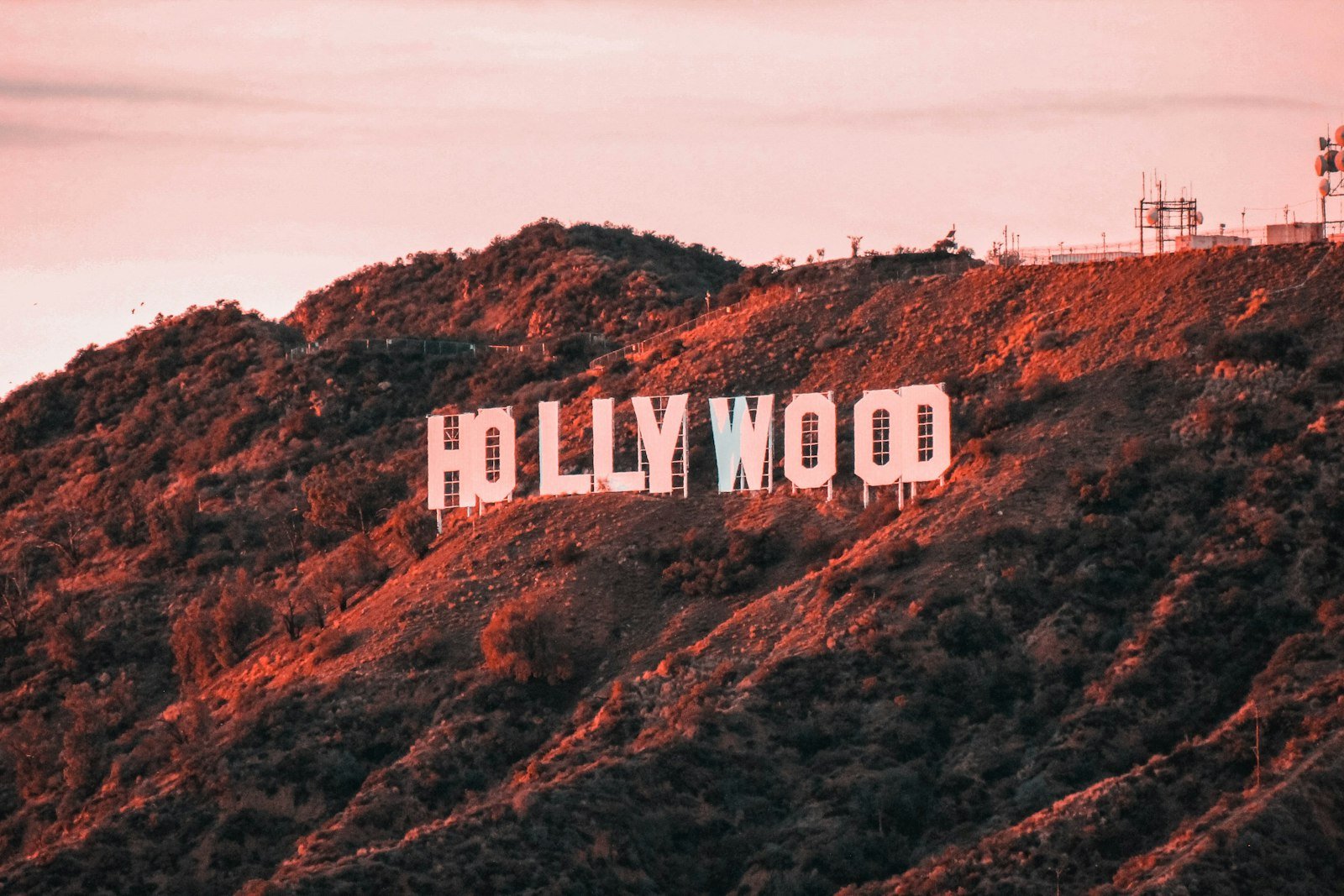
Griffith Observatory is one of the city’s best free viewpoints and deserves attention even if you do not plan a long hike. The grounds provide broad views across Los Angeles and toward the Hollywood Sign, while the observatory contains astronomy exhibits and public viewing programs.
Griffith Park itself covers more than 4,200 acres and contains a large trail network. Parking near the observatory is limited and can be busy, so consider park shuttles or walking routes when available.
Universal Studios Hollywood
Universal Studios Hollywood is a full-day attraction rather than a quick Hollywood stop. The Wizarding World of Harry Potter is part of a larger theme park with rides, shows, themed environments, and the Studio Tour.
Current one-day online general-admission prices begin around $109, but pricing varies by date and season. Confirm the price for your exact day on the official ticket page.
Getty Villa
The Getty Villa near Pacific Palisades is one of the best additions to a Malibu-oriented day. It houses Greek and Roman antiquities in a Roman-inspired villa surrounded by gardens. Admission is free with a required timed-entry reservation, while parking has a fee.
LACMA and the Academy Museum
On Museum Row, the Los Angeles County Museum of Art and Academy Museum of Motion Pictures can be paired with the La Brea Tar Pits. LACMA’s major campus transformation has entered a new phase with the David Geffen Galleries open in 2026, while the Academy Museum focuses on film history, filmmaking, costumes, exhibitions, and screenings.
Venice Beach
Venice is an easy extension from Santa Monica. Walk or cycle south along the coast to see the Venice Boardwalk, beach, skatepark, and surrounding streets. Keep Santa Monica and Venice together rather than attempting to squeeze them between inland museum stops.
General Day Trip Planning Notes and Santa Barbara Focus
Santa Barbara is roughly a full-day commitment from Los Angeles once driving, meals, walking, and sightseeing are included. Leave early and avoid scheduling a fixed LA dinner immediately after your expected return because traffic can change quickly.
For the coastal city itself, focus on the waterfront, downtown Santa Barbara, historic architecture, restaurants, and nearby beaches. An overnight allows a slower pace.
For wine country, continue inland toward Santa Ynez Valley communities such as Los Olivos, Solvang, and Buellton. Strange Family Vineyards, previously presented as a Malibu stop, currently has its tasting room in Los Olivos and belongs in this Santa Barbara-area itinerary.
Original Farmers Market Los Angeles
The Original Farmers Market is not in Downtown Los Angeles and did not open in 1917. It began in 1934 at the corner of Third and Fairfax, where farmers initially sold produce from their trucks.
Today, its stalls and restaurants make it a convenient meal stop in the Mid-City/Fairfax area. Its location makes it far more practical to pair with the Grove, La Brea Tar Pits, LACMA, the Academy Museum, Melrose Avenue, or Beverly Hills than with Grand Central Market or the Bradbury Building.
For its history and current merchant information, see the Original Farmers Market website.
TCL Chinese Theatre and Hollywood Boulevard
The TCL Chinese Theatre remains one of Hollywood Boulevard’s best movie-history stops. The Forecourt of the Stars contains celebrity handprints and footprints set in concrete, while the surrounding Walk of Fame honors entertainers with sidewalk stars.
The theatre offers interior tours when its event schedule allows. Current tours are approximately 30 minutes and cover the building’s history, premieres, and imprint ceremonies. Check the official tour schedule before visiting.
The nearby Dolby Theatre and other Hollywood landmarks make this area easy to explore on foot. One to two hours is enough for a quick visit, while film fans can stay longer.
Hollywood Forever Cemetery
Hollywood Forever combines Los Angeles history with an active cultural-events program. The cemetery contains graves and memorials associated with figures from the entertainment industry as well as historic mausoleums and landscaped grounds.
It also hosts concerts, talks, performances, and outdoor classic-film screenings. Cinespia screenings generally run during the warmer months, so check the Hollywood Forever events calendar rather than assuming a screening will occur on your visit date.
Treat the cemetery respectfully as an active burial ground even when you are there for sightseeing or an event.
Santa Monica Pier
Santa Monica Pier combines ocean views, Pacific Park rides, carnival games, food, street performers, and easy access to the beach. The Pacific Wheel is the pier’s most recognizable ride.
The pier also celebrates Santa Monica’s connection to Historic Route 66 with the “End of the Trail” sign. The pier is considered the symbolic western terminus of the route.
Sunset is particularly popular, so expect heavier foot traffic and parking demand later in the day. Walking, cycling, or arriving by Metro and connecting locally can reduce parking hassles.
Third Street Promenade
Third Street Promenade is Santa Monica’s pedestrian shopping and dining district. It sits a few blocks from the beach and connects easily with Santa Monica Place and the pier.
Street performers and public activity vary by day, so the promenade works best as part of a broader Santa Monica walk rather than as a stand-alone multi-hour attraction. Allow time to browse stores, eat, and continue toward the ocean.
The Gamble House
The Gamble House in Pasadena was completed in 1908 for David and Mary Gamble and is recognized as a major example of American Arts and Crafts architecture. Architects Charles and Henry Greene used expressive joinery, carefully selected wood, custom furnishings, and integrated interior details throughout the house.
The property is a local, state, and National Historic Landmark. Interior visits are primarily through guided tours, while the exterior and gardens can be viewed more casually. Advance ticketing is recommended because tour capacity is limited.
Allow about an hour for the house tour and extra time for the grounds.
Malibu Beaches
Malibu offers very different beach experiences within the same stretch of coast. Zuma Beach is broad and well supplied with parking and facilities. Leo Carrillo State Park has rocky shoreline, tide-pool areas, and camping, while Malibu Lagoon State Beach is known for birdlife, lagoon habitat, beach access, and the nearby Adamson House.
Topanga and other Malibu surf breaks can appeal to experienced surfers, but wave conditions change quickly. Zuma can also experience rough surf and rip currents despite its broad sandy shoreline.
Warning: Swim near lifeguards when available, obey posted warnings, and never underestimate rip currents or heavy surf. Check current beach and water-quality advisories before entering the ocean.
A well-paced Malibu day might include the Getty Villa in the morning, lunch around Malibu Pier, and one main beach in the afternoon rather than trying to stop at every beach along PCH.
Santa Barbara Overnight or Extended Stay
Santa Barbara becomes much more relaxing when you stay overnight. Two nights give you time for the waterfront and downtown on one day and a Santa Ynez Valley excursion on another without spending most of your visit driving.
Los Olivos, Solvang, and Buellton offer restaurants, tasting rooms, shops, and easy access to the surrounding wine region. Book tastings when required and plan a safe transportation strategy if you intend to drink.
The drive itself can be part of the experience, but do not assume Pacific Coast Highway is always the fastest route. Check current traffic and road conditions before choosing between scenic coastal roads and inland freeways.
Long Beach Day Trip
Long Beach offers a compact waterfront day trip south of central Los Angeles. Rainbow Harbor, Shoreline Village, the Aquarium of the Pacific area, and views toward the Queen Mary can be combined without constant driving.
One local operator offers a 45-minute narrated harbor tour with prices currently starting around $15 online, although pricing varies and walk-up rates may be higher. Treat the amount as a current starting price rather than a guaranteed fare.
A harbor cruise fits easily into a waterfront itinerary because the trip itself takes less than an hour. Allow additional time for check-in and boarding.
Universal Studios Hollywood and The Wizarding World of Harry Potter
The Wizarding World of Harry Potter is one themed area inside Universal Studios Hollywood. It combines detailed environments with rides, shops, food, and interactive wand experiences.
Because the rest of Universal includes major rides, shows, the Studio Tour, and other movie-themed areas, plan a full day rather than visiting only for Harry Potter.
General-admission prices currently begin around $109 online but vary by date and season. Express and VIP-style products cost more. Compare options on the official Universal site for your actual travel date.
Shopping on Melrose Avenue
Melrose Avenue offers an eclectic shopping route stretching across central Los Angeles toward West Hollywood. Different blocks have different personalities, ranging from vintage shops and independent labels to designer fashion, restaurants, and street art.
Rather than attempting the entire avenue on foot, choose a section based on the stores you want to visit. Melrose pairs naturally with the Fairfax district, Original Farmers Market, Museum Row, or West Hollywood.
La Brea Tar Pits and Rodeo Drive Shopping
La Brea Tar Pits provides a very different kind of Los Angeles history. The site preserves an active Ice Age fossil locality where researchers have recovered remains of mammoths, saber-toothed cats, dire wolves, and many other animals.
It is part of the Miracle Mile museum district, so you can combine it with LACMA and the Academy Museum before continuing west toward Beverly Hills.
Rodeo Drive works best as a short architectural and window-shopping stop unless luxury shopping is a major goal. Combining Museum Row and Beverly Hills makes more geographic sense than placing Rodeo Drive in the same day as Downtown LA or Pasadena.
Hiking Trails and Outdoor Activities in LA
Griffith Park is Los Angeles’ most useful combination of sightseeing and hiking. The park covers more than 4,200 acres and includes routes to viewpoints, Mount Hollywood, and the area behind the Hollywood Sign.
The often-cited roughly 8.8-mile round trip refers to a longer route between Griffith Observatory and the Hollywood Sign and back; it should not be confused with the much shorter trails used simply to reach the observatory.
Shorter options include walks from the Fern Dell area toward Griffith Observatory and routes around Mount Hollywood. Longer Hollywood Sign hikes require more time, water, and sun exposure.
Warning: Griffith Park has long exposed stretches with little shade. Carry water, use sun protection, avoid pushing through extreme heat, stay on designated trails, and check park restrictions before starting.
Guided hiking and cycling companies are another option if you prefer a structured route, but independent hikers can use official Griffith Park maps to build an outing that matches their fitness level.
Simple Los Angeles Itinerary Ideas
One Day
Choose one primary region. A strong first-time combination is Griffith Observatory and Hollywood, or Downtown LA followed by an evening event nearby. Trying to add Malibu or Pasadena usually creates unnecessary travel.
Three Days
- Day 1: Downtown LA — Olvera Street, Union Station, Grand Central Market, Bradbury Building, The Broad, and The Last Bookstore.
- Day 2: Hollywood and Mid-City — Griffith Observatory, Hollywood Boulevard, La Brea Tar Pits, LACMA, or the Academy Museum.
- Day 3: Westside — Getty Center, Santa Monica, and Venice.
Five Days or More
Add Pasadena, Malibu, Long Beach, Universal Studios Hollywood, or a Santa Barbara overnight based on your interests. These extra days are where Los Angeles begins to feel enjoyable rather than rushed.
Sources
- Los Angeles County Metropolitan Transportation Authority — current Metro fares and payment information.
- Getty Center — admission, reservations, parking, architecture, and visitor information.
- The Huntington — current visitor information, garden access, and construction-related closures.
- City of Los Angeles, El Pueblo Historical Monument — Olvera Street and Avila Adobe history.
- Los Angeles Conservancy — Bradbury Building history and architecture.
- City of Malibu — current Pacific Coast Highway traffic, recovery-work, and local access advisories.
Conclusion
Los Angeles offers far more than a checklist of famous landmarks. The best trips combine nearby attractions into manageable neighborhood days: Downtown for architecture and markets, Hollywood for film history and Griffith Park, the Westside for museums and beaches, Pasadena for gardens and architecture, and Malibu or Santa Barbara when you have time for a true day trip.
Plan around geography, reserve popular attractions early, check current road and access conditions, and leave room for traffic and spontaneous stops. With a realistic schedule, you can spend less time crossing the city and more time experiencing the art, food, coastline, history, and neighborhoods that make Los Angeles distinctive.
