

Last Updated on September 11, 2026 by Logan Reeves
You rely on a stud finder to protect your walls, avoid hidden wiring and plumbing, and mount heavy items with confidence. Choosing the right model saves you time, reduces guesswork, and gives you the precision you need whether you are hanging a TV, installing shelving, or doing professional work.
Disclosure: As an Amazon Associate I earn from qualifying purchases. Some links on this page are affiliate links, at no extra cost to you.
Top Picks
|
Category |
Product |
Score |
|---|---|---|
|
🏆 Best Overall |
95/100 |
|
|
🎯 Best for Contractors |
86/100 |
|
|
🔰 Best Magnetic Finder |
92/100 |
|
|
⭐ Best Edge Finder |
88/100 |
|
|
🚀 Best Laser Combo |
87/100 |
|
|
💰 Best Budget |
82/100 |
|
|
💼 Best Whole-Stud |
86/100 |
|
|
🔧 Best Basic Digital |
77/100 |
|
|
🧲 Best Hands-Free Magnet |
90/100 |
Selection Criteria
You want a stud finder that delivers accuracy and safety so every choice focused on how reliably a tool locates wood, metal and live wiring. We evaluated depth range, detection types (edge, center, whole-stud), response consistency across wall materials, and whether the device warns about live AC.
Practical factors included ease of calibration and use, display clarity, battery life and build quality. Price and real-world value weighed into scores so models that paired consistent performance with simple operation ranked higher. We also considered special features like laser alignment, whole-stud mapping and hands-free magnets because those change how you work and what you can accomplish.
Franklin Prosensor
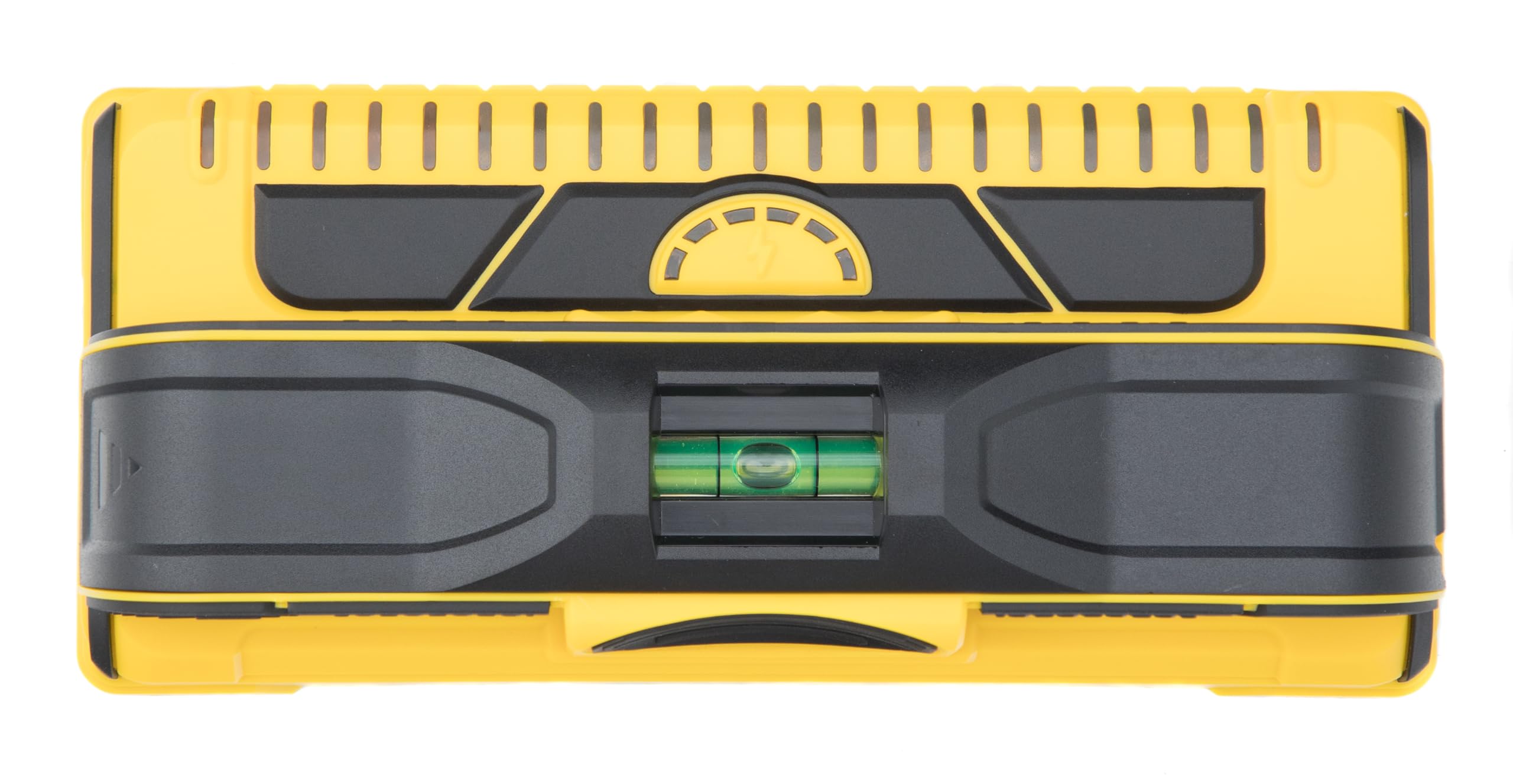
You get a stud finder that feels built for both hobbyists and pros. The wide 13-sensor array scans a broader swath than basic units so you spend less time hunting and more time drilling.
LEDs clearly show stud edges and center, and the unit flags live AC so you have an extra safety check before you cut into a wall. It’s simple to use out of the box, durable enough for repeated projects, and a good fit whether you’re mounting a TV or doing routine repairs.
What People Say
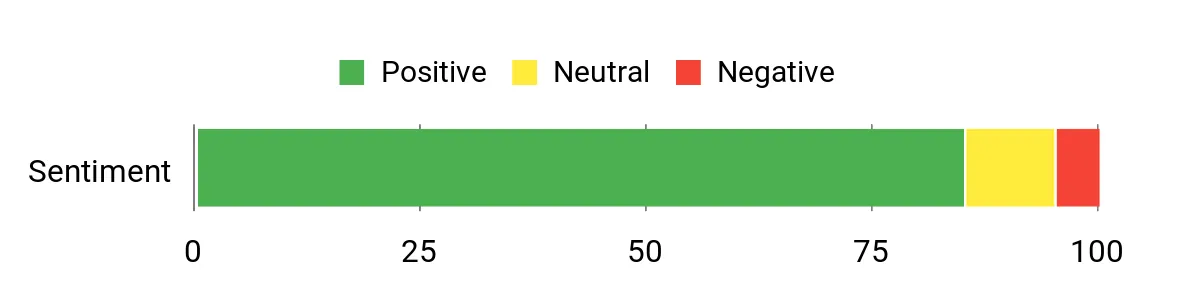
Most users appreciate how quickly the wide scanning head finds studs and how the LED indicators make it obvious where to mark. People also note the Prosensor feels well made and is intuitive to use right away.
A common caveat is that the live-wire alert is a general warning rather than a precise wire locator, so some buyers pair it with additional checks.
Overall Sentiment: Positive
Practicality
You can pick this up and start scanning immediately; calibration and operation are straightforward and require minimal fuss. The compact footprint fits in a tool bag, the controls are simple push-button, and the visual cues reduce second-guessing when you’re marking multiple points.
How It Helps
This model reduces wasted holes by mapping stud edges and centers quickly, which is especially helpful for centering mounts and shelves. The broad scan head saves passes on tricky walls, and the live-wire alert helps you avoid accidental contact with energized lines during drilling.
Benefits
- Wide 13-sensor scanning for faster locating
- Clear LED edge and center indicators
- Consistent center pinpointing through common drywall
- Live-wire alert for basic safety checks
- Sturdy, compact build made in the USA
Rating: 4.6 (total: 6155+)
Bosch GMS120
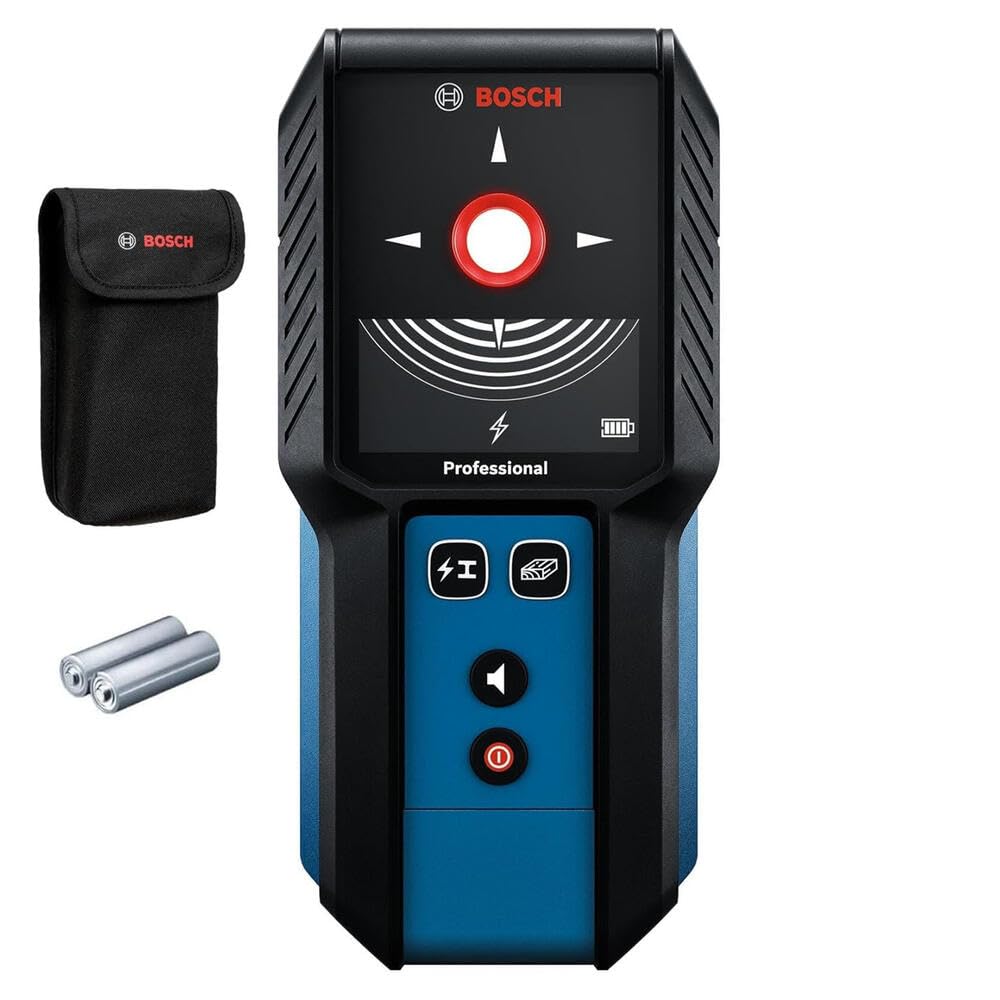
You get a professional-grade wall scanner built for real jobsite conditions. The GMS120 blends multi-material detection with a clear, color-coded marking ring so you can transfer findings quickly to the wall.
Power flexibility means you can use the included AA batteries or swap in a compatible Li‑Ion pack when you need longer runtime. The IP54 rating and rubberized casing make it a durable companion for renovation work, and the material-identification behavior helps you decide whether you’re dealing with wood, metal or live wiring before you drill. It’s a solid pick when you need a rugged, feature-rich tool for frequent use, though you should plan to verify readings on unusual or heavily finished walls.
What People Say
Customers commonly praise its ability to penetrate thicker or older wall materials and the clear visual feedback the illuminated ring provides. Many users find the live-wire notification reassuring and appreciate the durable, jobsite-ready build. At the same time, a noticeable portion of buyers report inconsistent readings on certain walls, so several people recommend confirming results with a secondary pass or alternative method.
Overall Sentiment: Neutral

Practicality
The GMS120 is straightforward to use: power it up, glide it across the wall and follow the color cues. The option to use standard AA batteries keeps you working when a recharge isn’t available, and the rugged housing means you don’t have to baby the unit between jobs.
How It Helps
This scanner helps you avoid costly mistakes by identifying stud centers, metal and energized lines, which is especially useful when mounting heavy items or routing fixtures. For tricky substrates expect to double-check readings, but in typical renovation and remodel scenarios it shortens the time you spend searching and reduces risky guesswork.
Benefits
- Detects wood, metal and live AC wiring
- Color-coded illuminated ring for fast marking
- IP54 casing for jobsite durability
- Runs on AA or optional Li‑Ion batteries
Rating: 3.6 (total: 300+)
CH Hanson
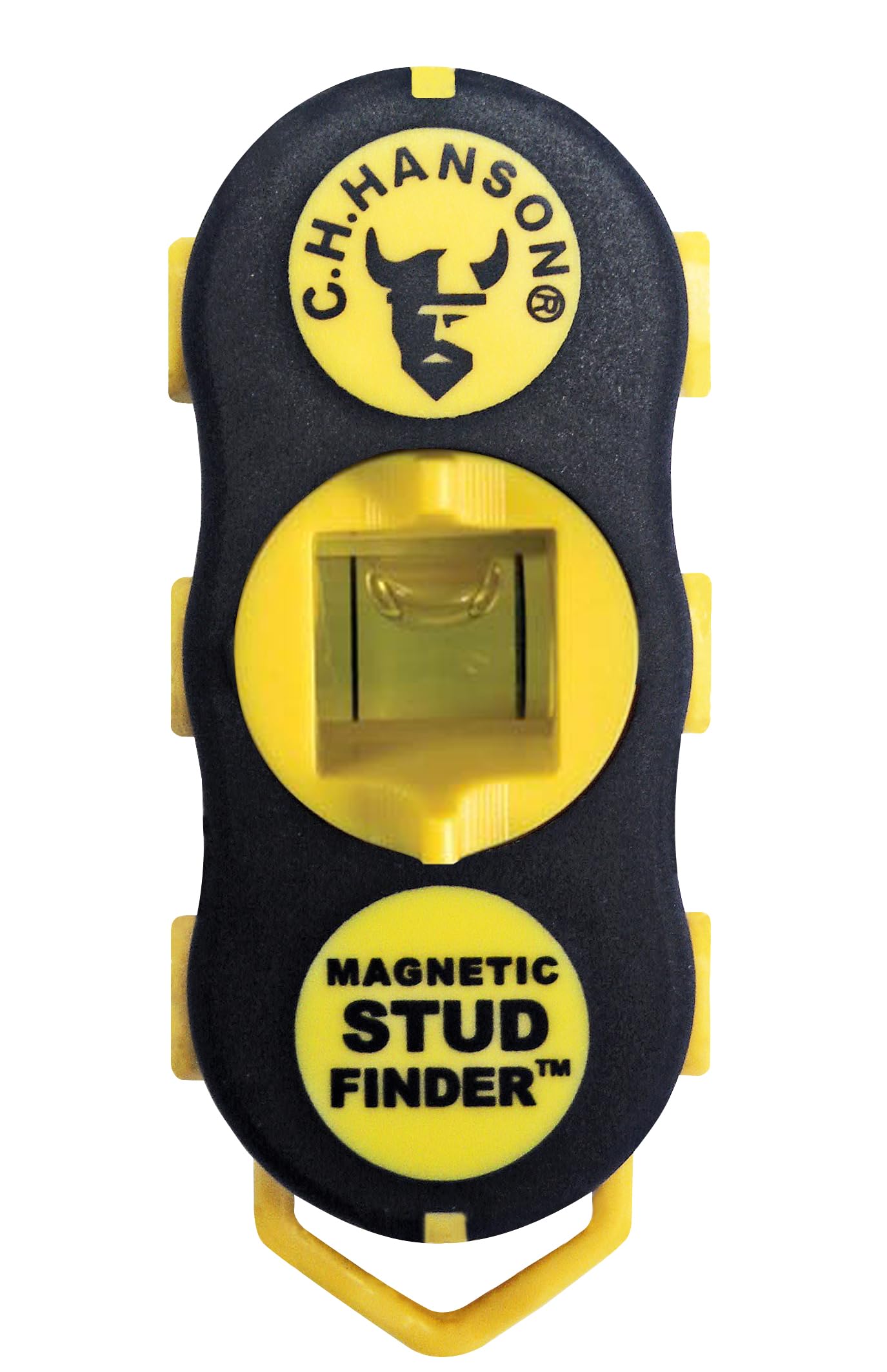
You get a no-nonsense tool that does one job very well: find the metal fasteners that mark stud locations. Slide it along the wall, feel it grab and use the small bubble level or pointer to mark the line. Because it relies on magnets there are no batteries to fuss with and it won’t give confusing electronic false positives on some finishes.
It’s handy for quick hanging jobs, confirming electronic readings, and carrying in a pocket when you’re moving between rooms.
What People Say
Buyers frequently highlight how reliably the magnet finds nails and screws, especially on layered or older drywall where electronics can falter. Many mention the convenience of a pocket-sized tool that stays accurate without batteries and the usefulness of the integrated level and pointer. A common note is that it locates fasteners rather than guaranteeing the stud center, so some users combine it with other methods when exact centering matters.
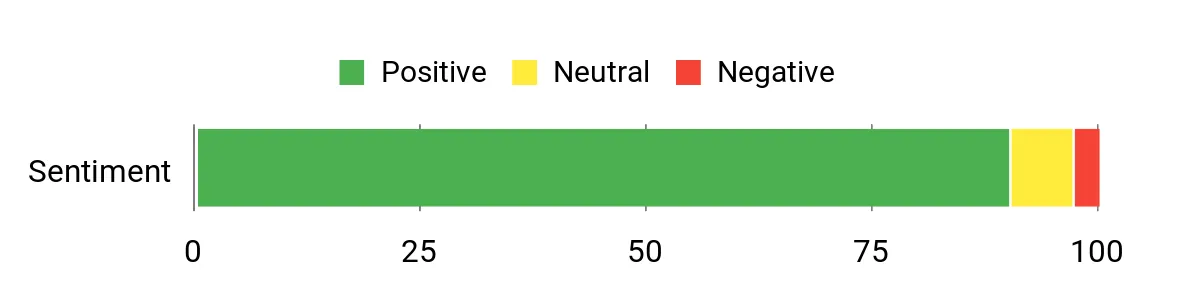
Overall Sentiment: Positive
Practicality
You can use it right away without setup; just slide it across the wall until the magnet engages and then mark. Its small size means it lives in a pocket or toolbox, and the hands-free hold when attached to metal saves you from juggling a marker and tool.
How It Helps
This finder removes uncertainty when electronic units give erratic results on textured or double-layer walls, and it’s a reliable backup for confirming stud locations. It won’t always place you at the stud center, so for precision mounting you may need to measure around the detected fastener to locate the center.
Benefits
- Battery-free operation—always ready
- Strong rare-earth magnets find screws through drywall
- Compact, pocketable form factor
- Built-in bubble level and pointer for easy marking
- Durable, low-maintenance construction
Rating: 4.8 (total: 433+)
Zircon A100

You get a compact, dependable stud sensor that balances depth and simplicity. Calibrate, hold flat and sweep slowly to find stud edges with the StudScan or switch to DeepScan for thicker assemblies.
The SpotLite pointer and V marker make it easier to mark edges, and the WireWarning feature gives a basic safety alert for live AC. It’s a practical choice when you need reliable edge detection for shelves, mirrors, cabinets or TVs, while still being approachable for occasional DIY projects and pro tasks.
What People Say
Users often note how straightforward the A100 is to use and how the two scan modes speed up finding stud edges in different wall assemblies. The SpotLite pointer and visual markers get repeated praise for making marks neater, while most buyers appreciate the WireWarning feature as a helpful safety prompt. A minority report occasional false readings on unusual surfaces, so many recommend rescanning from both directions to confirm.
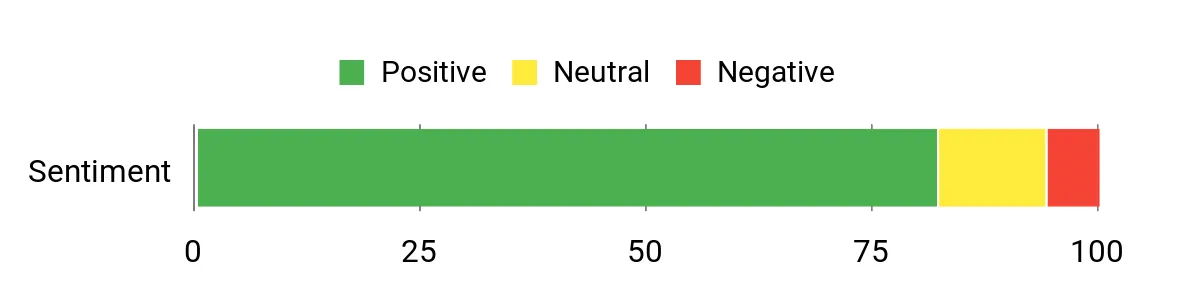
Overall Sentiment: Positive
Practicality
Calibration is quick, the controls are simple and the unit fits comfortably in a tool bag. You’ll want a fresh 9V battery on hand for best performance, but otherwise the workflow is immediate: calibrate, sweep, mark and repeat where necessary.
How It Helps
This tool reduces guesswork when you need accurate edge locations, and DeepScan handles thicker walls or extra layers that stump basic finders. The live-wire alert helps you avoid risky cuts, though it isn’t a precise wire locator, so combining scans and visual checks gives the safest results.
Benefits
- Two scanning modes for standard and deep walls
- WireWarning alerts to live AC for added safety
- SpotLite pointer and LCD for clearer marking
- Over-the-stud alert reduces false starts
- Portable, easy to calibrate and operate
Rating: 4.4 (total: 863+)
Klein ESF150
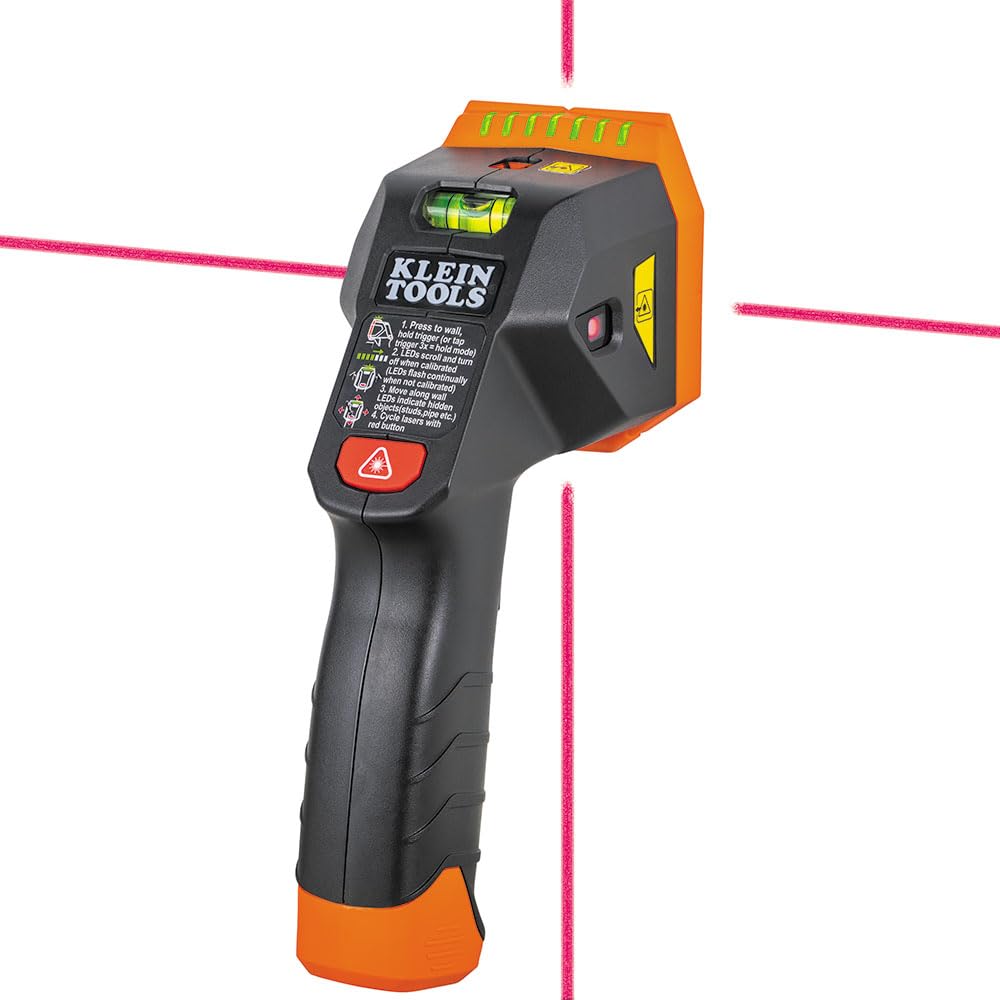
You get a hybrid tool that pairs stud detection with cross-line lasers so alignment and layout happen in one pass. The lasers work independently or together for horizontal and vertical guides, while the scanner attempts deep detection for wood and metal. It’s built to take a few knocks, the grip is ergonomic for steady sweeps, and the integrated level speeds up mounting and layout tasks.
If you need both a layout laser and a stud finder in a single device, this one simplifies the workflow.
What People Say
Many users compliment the quality and the convenience of having lasers and stud detection in one tool, especially for tasks that require both layout and mounting. The lasers and level features are frequently called out as time-savers, while a noticeable number of buyers report inconsistent stud signals on certain drywall.
Several people recommend getting used to the grip and double-checking scans when precision matters.
Overall Sentiment: Neutral

Practicality
Set it on the wall, sweep slowly and use the laser lines for immediate alignment while watching the LEDs and listening for alerts. The grip and felt pads make it comfortable for extended use, and the included batteries mean you can start a job without hunting for power.
How It Helps
This combo tool reduces task switching by letting you align and locate studs in one pass, which speeds up hanging cabinets, shelves and fixtures. When walls are tricky or you need absolute center accuracy, pair it with a dedicated stud method to confirm positions.
Benefits
- Cross-line lasers for fast alignment
- Auto deep scan to 1.5-inch for thicker walls
- Bright LEDs and audio feedback for clear indications
- Ergonomic grip and felt pads protect surfaces
- Durable design rated to withstand drops
Rating: 4.0 (total: 155+)
Craftsman CMHT

You get a straightforward, no-nonsense stud finder that performs reliably once you learn the proper technique. Hold the unit flat against the wall, calibrate as instructed, then sweep to find edges or centers and watch the indicator lights. It’s a practical choice for hanging TVs, shelves and frames and it fits easily in a toolbox for regular household projects. If you want a durable, easy-to-use tool that handles everyday mounting tasks without extra bells, this is a sensible pick.
What People Say
Users commonly say the finder works very well after learning the correct startup procedure and sweeping technique. Many people appreciate the clear instructions and consistent results for mounting tasks, while a smaller group notes quirks like the edge light behavior that can require a second pass.
Overall buyers report confidence using it for TVs, shelves and general home projects.
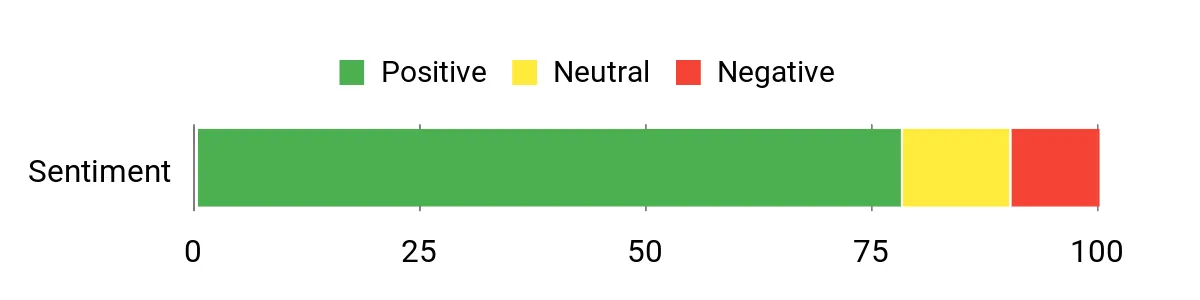
Overall Sentiment: Positive
Practicality
You power up against the wall, hold the button for calibration and then sweep slowly while watching the lights. The workflow becomes second nature after a few runs and the compact size means you can keep it handy in a drawer or tool belt.
How It Helps
This model removes guesswork and reduces wasted holes by reliably indicating stud locations once calibrated. For absolute center precision you may still want to confirm with multiple passes, but it shortens layout time and increases confidence for most mounting jobs.
Benefits
- Accurate edge and center detection when used correctly
- Simple calibration and sweep operation
- LED feedback makes marking easier
- Compact, easy to store and carry
- Backed by a full lifetime warranty
Rating: 4.2 (total: 23716+)
Ryobi ESF5002

You get a whole-stud scanner that makes centering mounts and brackets easier by showing the stud’s full width rather than just the edge. The bank of LEDs gives a clearer picture of where the stud runs, and the simple interface lets you sweep and mark with minimal fuss.
It’s a practical choice for mounting TVs, shelving and heavier fixtures, and the larger housing is comfortable if you have bigger hands. Expect reliable results most of the time, with occasional retries on tricky wall assemblies.
What People Say
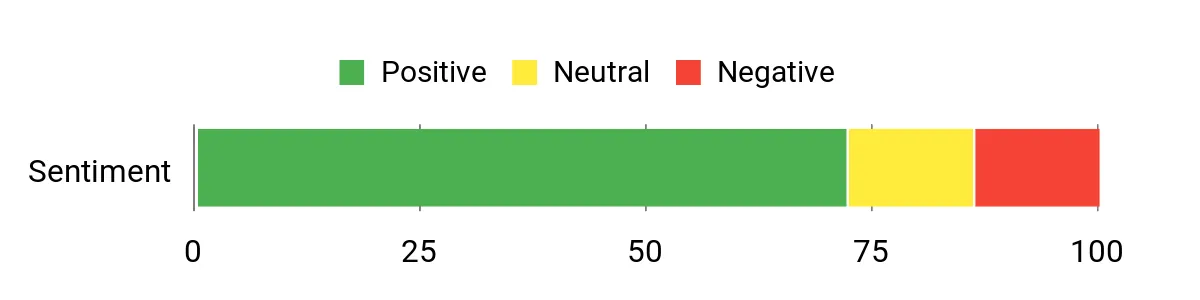
Users commonly praise the whole-stud display and the multiple LEDs that make it easy to see where a stud begins and ends. Many mention the straightforward operation and sturdiness, while a number of buyers note intermittent scanning issues that are usually resolved by rescanning or repositioning the unit.
Overall Sentiment: Positive
Practicality
You power it up, sweep across the wall and follow the LED guidance to mark the stud width. The design reduces back-and-forth when centering mounts, though you may repeat a pass on stubborn surfaces.
How It Helps
This finder shortens layout time and reduces guesswork for heavy mounts by showing the stud’s center and edges, which helps you place anchors and brackets more confidently. On complex or heavily finished walls, combine scans and a secondary check to confirm exact placement.
Benefits
- Whole-stud mapping for accurate centering
- Multiple LEDs provide a visual width readout
- Simple sweep-and-mark workflow
- Comfortable size for larger hands
- Durable construction for frequent use
Rating: 4.2 (total: 312+)
Stanley 77-050
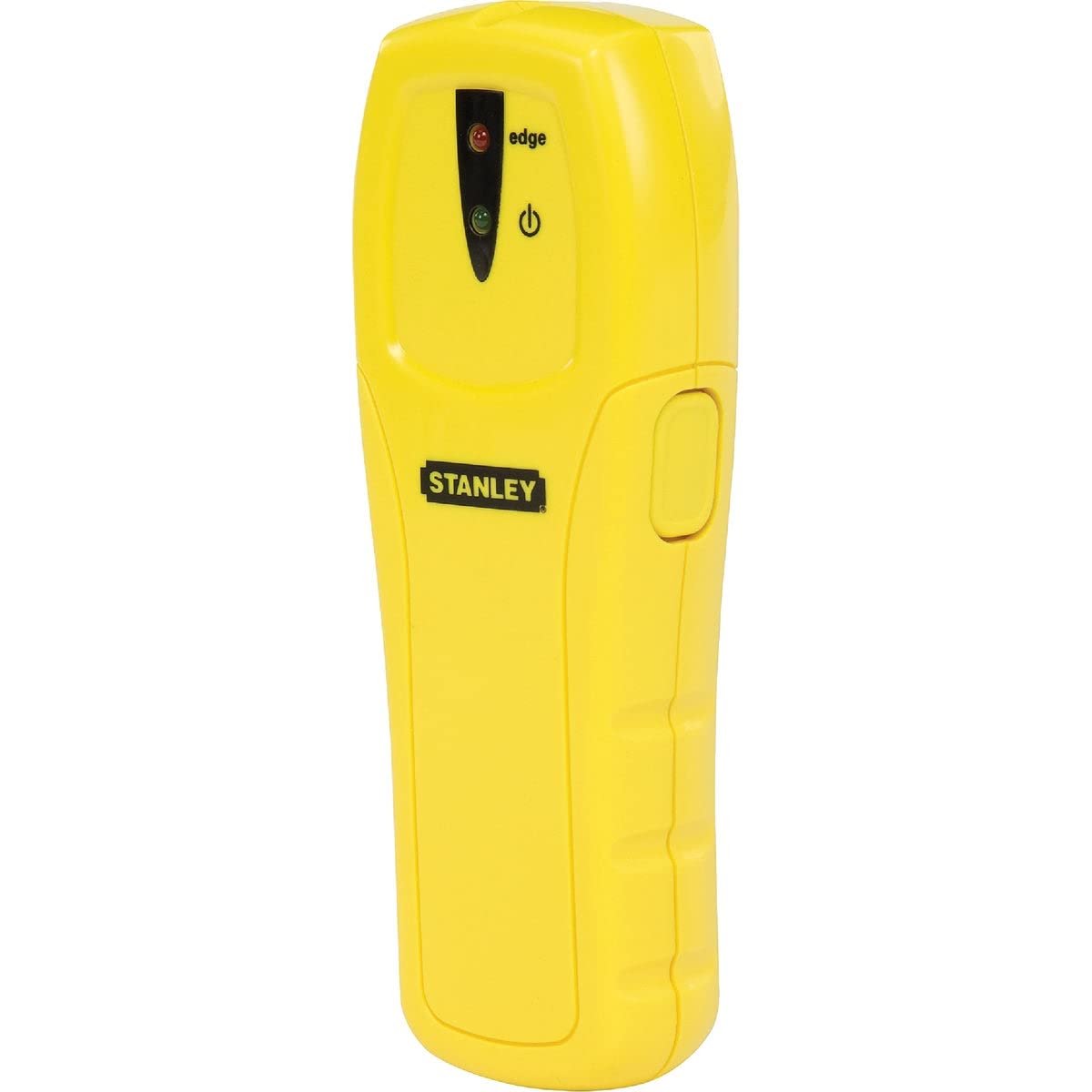
You get a basic, no-nonsense stud sensor that’s built for everyday tasks. It finds edges and centers and presents results with clear LEDs, so mounting a TV or hanging shelves becomes less of a guessing game.
There’s a short learning curve—hold it flat and follow the calibration steps—but once you get the technique it produces consistent results for routine household and light professional jobs.
What People Say
Many users say it works reliably once you follow the correct startup and sweep procedure, and several buyers report successfully mounting TVs and shelves on the first try. At the same time, a number of people note inconsistent readings on certain walls and advise double-checking before you drill.
A few shoppers mention battery and sensitivity quirks that require a second pass.
Overall Sentiment: Neutral

Practicality
Calibration and sweep technique are important: power the unit against the wall, hold for calibration, then sweep steadily. The compact shape is easy to handle and store, and the LED indicators let you mark locations without squinting at a tiny screen.
How It Helps
This sensor reduces wasted holes and guesswork for common mounting jobs by showing stud edges and centers, speeding up layout and increasing confidence. For tricky substrates or when absolute center precision matters, combine scans or use a secondary method to confirm the exact location.
Benefits
- Detects both wood and metal studs up to 3/4″ deep
- Clear LED readout makes results easy to interpret
- Compact, lightweight form factor
- Simple operation suitable for DIYers
- Good for routine mounting and repairs
Rating: 3.8 (total: 266+)
Kilimanjaro Finder
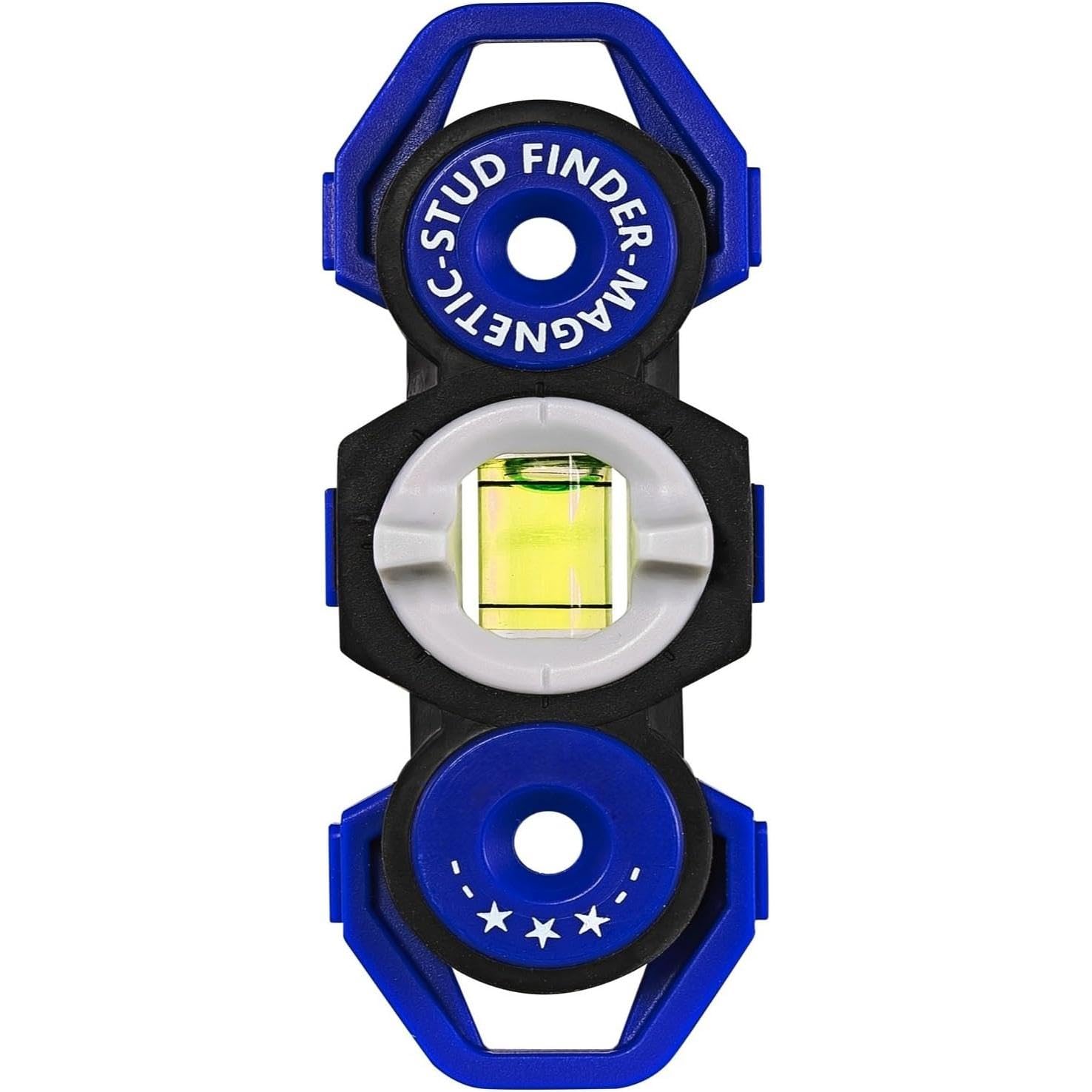
You get a tiny, stubbornly useful tool that does one thing extremely well: find the screws or nails that mark where studs are. Slide it across the wall, feel it grab, then use the integrated bubble vial to mark plumb or level lines while the magnet holds in place.
Because there are no electronics to mess with, it’s always ready and easy to keep on your person during quick jobs or when you’re moving around a site. It’s best as a fast confirmation tool or backup when electronics act up, and it’s ideal for hanging frames, mounting small brackets and double-checking stud placement.
What People Say
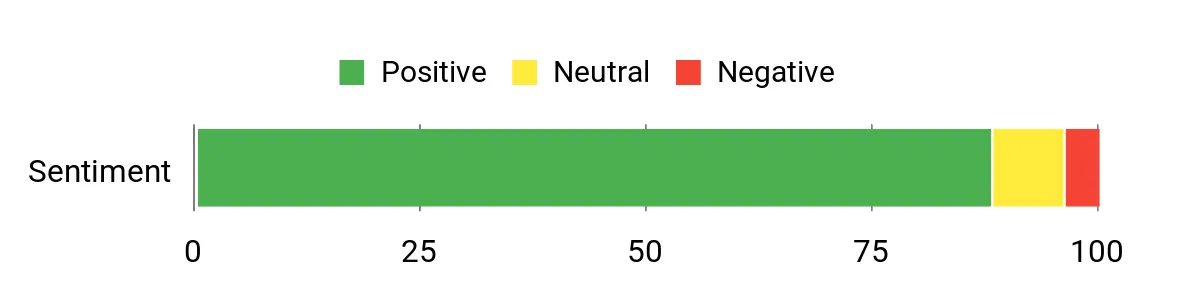
People repeatedly mention how reliably the magnet finds screws and nails, even through layered drywall, and how handy the unit is to keep in a pocket or tool pouch. The integrated level and the ability to stick to the wall to mark positions earn a lot of praise. A few users caution that its magnetic hold makes it less suitable for ceiling work and that it locates fasteners rather than guaranteeing the stud center.
Overall Sentiment: Positive
Practicality
No setup or batteries means you can grab it and go; the compact aluminum body fits easily in a pocket and the magnet holds it to metal while you mark. It’s low-maintenance and durable for everyday checks.
How It Helps
This finder removes electronic false positives and gives a quick, tactile confirmation of where studs are by finding the fasteners. It’s an excellent companion to electronic scanners and a reliable backup when you need a simple, hands-free marking method.
Benefits
- Battery-free, always ready to use
- Strong rare-earth magnets locate screws through drywall
- Built-in bubble level for immediate alignment
- Ultra-compact and pocketable for quick access
- Hands-free hold lets you mark without juggling tools
Rating: 4.6 (total: 1622+)
FAQ
Which Stud Finder Should I Choose?
Think about the tasks you do most. If you want a simple, reliable confirmation tool that never needs batteries, a magnetic finder is convenient for quick checks and tight spaces. If you need to map stud width or center heavy mounts, look for a whole‑stud or multi‑sensor scanner that shows the full stud profile.
For thicker or layered walls choose a device with a deep‑scan mode, and if layout is part of the job consider a unit with integrated lasers. Match the tool to the wall types and frequency of use and keep a magnetic finder or secondary method on hand for tricky surfaces.
How Do I Use a Stud Finder Properly?
Start by calibrating before each scan and keep the unit flat against the wall while you sweep slowly. Scan from both directions to confirm edges, mark the edges, then measure between them to locate the center when needed.
For magnetic finders slide until the magnet grabs a fastener and use the built‑in level to mark lines. On electronic models replace weak batteries, avoid scanning over metal trim or foil-backed materials, and always verify suspicious or inconsistent readings with a second pass or a small pilot hole before committing to a large cut.
Can Stud Finders Detect Live Wiring?
Many modern finders include a live‑wire alert, but treat that feature as a safety prompt rather than a precision locator. These alerts typically indicate energized, unshielded AC near the sensing area up to a limited depth, but they won’t show exact conductor paths or detect dead wires.
If you suspect wiring in your drill path turn off the circuit, use a dedicated non‑contact voltage tester for confirmation, and when in doubt consult a qualified electrician before drilling.
Customer Preferences
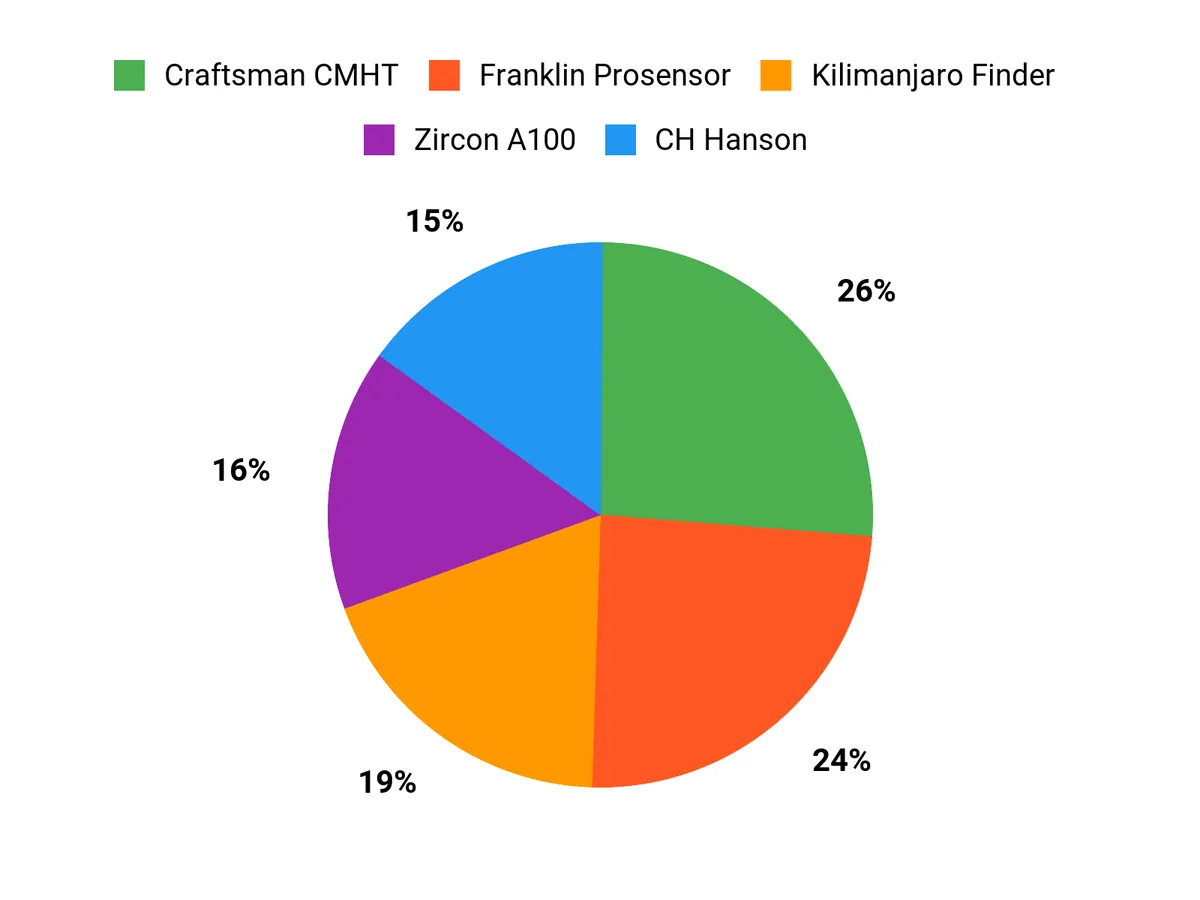
When choosing between the Franklin Prosensor, Bosch GMS120 and CH Hanson you typically prioritize detection type and reliability—Prosensor’s 13‑sensor sweep and clear LED indicators give fast, repeatable accuracy, Bosch appeals if you need multi‑material detection, jobsite durability and flexible power options, and CH Hanson is the go‑to when you want a pocketable, battery‑free confirmation tool. You also weigh depth and safety features like deep‑scan modes and live‑wire alerts, plus ease of use and whether whole‑stud mapping or a simple magnet fits your workflow, then pick the model that best matches the walls and projects you do most.
Wrapping Up
You can pick a stud finder that matches how you work: choose the Franklin Prosensor if you need broad, reliable scans and a professional feel, opt for Bosch when jobsite durability and multi-material detection matter most, and pick a magnetic model like CH Hanson or Kilimanjaro when simplicity, battery-free operation and hands-free marking are priorities. If you want an affordable, no-frills option the Craftsman model gives good performance for light projects, while Klein’s laser combo helps when alignment and layout are part of the job.
Whatever you choose, always calibrate before each scan and verify findings with a secondary pass to reduce risk and improve placement accuracy.
| Product Name | Image | Rating | Scanning Depth | Weight | Material |
|---|---|---|---|---|---|
| Franklin Sensors Prosensor M210 Stud Finder |
|
4.6/5 (6,155 reviews) | 1.7 Inches | 0.71 Pounds | Plastic |
| BOSCH GMS120-27 Professional Wall Scanner |
|
3.6/5 (300 reviews) | Up to 1.3 Inches | 13.76 Ounces | Plastic |
| CH Hanson 3040 – Magnetic Stud Finder |
|
4.8/5 (433 reviews) | N/A (Magnetic Detection) | N/A | Blend |
| Zircon® StudSensor™ A100 |
|
4.4/5 (863 reviews) | Up to 1.5 Inches | 8.4 Ounces | Plastic |
| Klein Tools ESF150LL Electronic Stud Finder |
|
4.0/5 (155 reviews) | 1.5 Inches | 0.59 Pounds | PC & PC-ABS Housing |
| CRAFTSMAN Stud Finder, 3/4-Inch Depth |
|
4.2/5 (23,716 reviews) | 0.75 Inches | N/A | Plastic |
| RYOBI Whole Stud Finder ESF5002 |
|
4.2/5 (312 reviews) | N/A (Digital Detection) | 9.12 Ounces | Plastic |
| Stanley 77-050 SSI Advanced Stud Sensor |
|
3.8/5 (266 reviews) | 0.75 Inches | 0.15 Pounds | Plastic |
| Magnetic Stud Finder and Leveler |
|
4.6/5 (1,622 reviews) | N/A (Magnetic Detection) | 0.14 Pounds | Aluminum |
This Roundup is reader-supported. When you click through links we may earn a referral commission on qualifying purchases.
