
Last Updated on July 28, 2026 by Daniel Globe
Rome rewards travelers who plan meals by neighborhood rather than chasing one universal “best restaurant.” The city’s food culture stretches from classic Roman trattorias and Jewish-Roman kitchens to market stalls, bakeries, rooftop restaurants, and international dining rooms. Start with the four famous pastas, add seasonal artichokes and street food, and reserve popular tables before your trip.
Quick Answer
For a first food trip to Rome, eat traditional pasta in Testaccio or the historic center, try Jewish-Roman specialties near the Ghetto, pick up supplì or pizza al taglio for lunch, and save room for a maritozzo or ricotta-and-sour-cherry tart. Book famous trattorias early and confirm current menus and hours.
Key Takeaways
- Rome’s essential pasta dishes are cacio e pepe, carbonara, amatriciana, and gricia.
- Testaccio is strong for traditional Roman cooking, while the Jewish Ghetto is the place to explore Jewish-Roman dishes and pastries.
- Roscioli, Armando al Pantheon, Felice a Testaccio, and other famous dining rooms can be difficult to enter without planning.
- Artichokes, squash blossoms, and other specialties may be seasonal, so do not expect every dish on every visit.
- For allergies, ask for the allergen menu and explain the severity of the allergy before ordering.
Disclosure: As an Amazon Associate I earn from qualifying purchases. Some links on this page are affiliate links, at no extra cost to you.
Discovering Rome’s Culinary Landscape
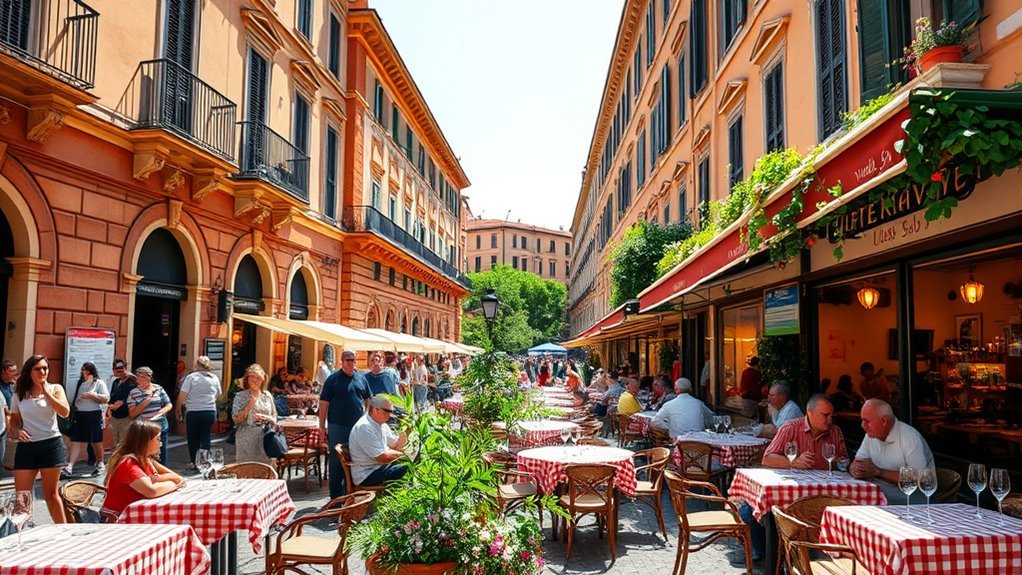
Rome’s food scene is easier to understand when you divide it into neighborhoods and meal types. The historic center has famous dining rooms, bakeries, wine bars, and many visitor-focused businesses. Trastevere combines nightlife with trattorias and casual food. Testaccio is closely tied to traditional Roman cooking and the city’s historic slaughterhouse culture. The Jewish Ghetto is essential for dishes shaped by Rome’s Jewish community.
The city’s official tourism site describes Testaccio as a district known for characteristic trattorias and Roman recipes. Its covered market is also a useful lunch stop for produce, prepared foods, pizza, sandwiches, and regional ingredients. Campo de’ Fiori is convenient in the center, but it now serves a heavier visitor trade, so compare stalls before buying.
For contemporary or mixed menus, CiPASSO and DOC EnoBistrot offer alternatives to a strictly old-school trattoria. Mi’Ndujo focuses on Calabrian-style street food rather than Roman cuisine, while Trapizzino serves triangular pockets of pizza bianca filled with Roman-style stews and other rotating fillings.
Pro Tip: Build each day around one neighborhood. A market lunch, afternoon pastry, and nearby dinner will save travel time and help you compare different parts of Rome’s food culture.
| Area | Best For | What to Expect |
|---|---|---|
| Testaccio | Traditional Roman cooking | Trattorias, market food, pasta, offal dishes, and neighborhood atmosphere |
| Jewish Ghetto | Jewish-Roman cuisine | Fried artichokes, squash blossoms, kosher traditions, and sour-cherry desserts |
| Trastevere | Atmosphere and casual dining | Busy lanes, trattorias, bars, street food, and long evening lines |
| Historic center | Famous restaurants and bakeries | Convenience, higher demand, advance reservations, and wide price ranges |
Iconic Traditional Dishes You Must Try
Rome’s best-known pasta dishes rely on a short list of strong ingredients. Cacio e pepe combines pasta, Pecorino Romano, black pepper, and starchy pasta water. Carbonara usually contains egg, guanciale, Pecorino Romano, and black pepper, without cream in the modern Roman style. Its exact origin is debated, so it is safer to describe it as a twentieth-century Roman classic than to assign one certain inventor or date.
Amatriciana adds tomato to a sauce built around guanciale and pecorino. Gricia, often described as its tomato-free relative, is another essential order. Rome’s official tourism guide includes carbonara, amatriciana, gricia, and cacio e pepe among the city’s traditional dishes in its overview of Roman cuisine.
Beyond pasta, try saltimbocca alla romana, coda alla vaccinara, tripe, lamb, or other “quinto quarto” dishes when they suit your tastes. For vegetables and fried starters, look for carciofi alla giudia, carciofi alla romana, and fiori di zucca fritti. The official tourism site connects fried artichokes and squash blossoms to Rome’s Jewish-Roman culinary tradition.
Note: Romanesco artichokes are seasonal. Some restaurants source alternatives outside the peak season, while others remove artichoke dishes from the menu. Ask what is fresh that day.
Top-Rated Trattorias for Authentic Experiences
No restaurant is objectively “the best,” but several long-running or professionally recognized dining rooms are useful starting points. Choose by neighborhood, reservation policy, atmosphere, and the dish you most want to try rather than relying only on social-media rankings.
Local Favorites and Specialties
Armando al Pantheon is a small family-run restaurant near the Pantheon with Roman and Lazio cooking. The MICHELIN Guide lists it for classic Roman cuisine. Roscioli combines a deli, restaurant, extensive wine selection, cured meats, cheeses, bread, and Roman pasta; the MICHELIN Guide advises booking ahead.
Hosteria Grappolo d’Oro presents Roman recipes in the historic center. Poldo e Gianna Osteria blends tradition with a more polished contemporary approach. Domenico dal 1968 is a neighborhood restaurant known for Roman specialties and fish dishes that change with market availability.
Cozy Atmospheres and Traditions
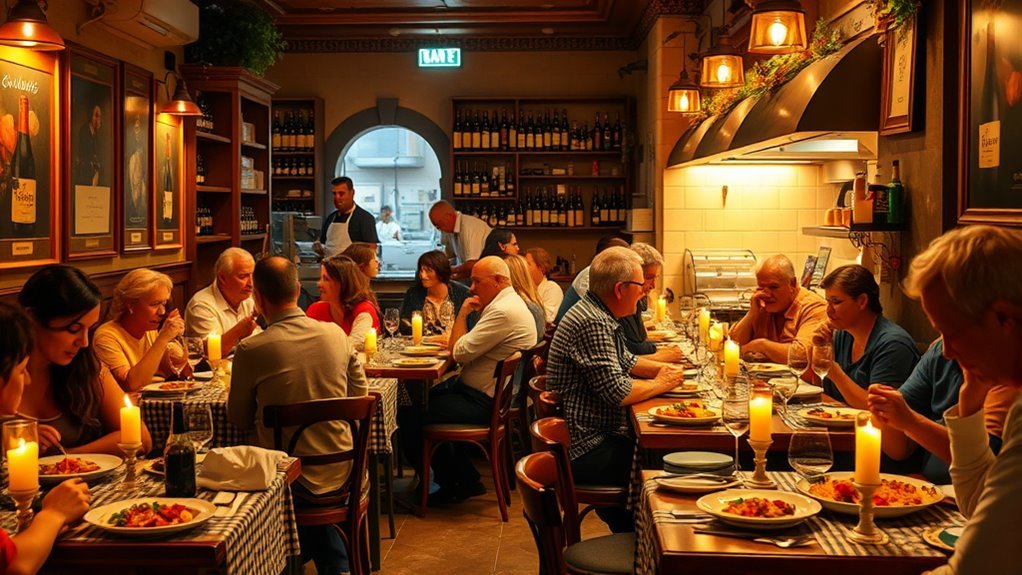
Osteria da Fortunata is known for visible pasta-making and multiple central locations, but its popularity can mean crowds. Felice a Testaccio is especially associated with cacio e pepe and has been recognized by the MICHELIN Guide. Flavio al Velavevodetto is another established Testaccio name for hearty Roman cooking.
Da Enzo al 29 is a compact Trastevere trattoria that states it does not take reservations, so lines can be long. Piperno serves traditional Roman and Jewish-Roman dishes in a historic setting, including a mixed fried plate with carciofo alla giudia, squash blossoms, supplì, and other items.
The strongest Rome food itinerary mixes one famous reservation with simpler neighborhood meals, bakeries, and street food instead of treating every meal as a destination restaurant.
Must-Try Unique Dining Experiences in Rome
Rome is not limited to traditional trattorias. The city also offers rooftop Japanese dining, cocktail lounges, barbecue, sushi, hotel restaurants, and contemporary Italian kitchens. These places can be memorable, but they should not be presented as examples of traditional Roman food unless their menus actually focus on it.
Unique Atmosphere Dining Spots
Ristorante Dolce is a stylish option with a broad menu. Zuma Rome, inside Palazzo Fendi, serves contemporary Japanese food and has an open-air terrace with views over Rome and the Spanish Steps. It is a rooftop experience, not a Roman-cuisine restaurant.
The Gipsy Bar offers sushi and cocktails in a casual setting, while Phils American Barbecue is an alternative for travelers seeking American-style barbecue. At Hotel Vilòn, Adelaide Restaurant & Bar serves Mediterranean food with seasonal menus and modern references to Roman cooking.
Innovative Culinary Techniques
Innovation in Rome often means applying modern presentation, global influences, or lighter techniques to regional ingredients. It does not always mean changing a classic recipe. In fact, some of the city’s most respected restaurants succeed by executing traditional dishes with unusually careful sourcing and consistency.
| Restaurant | Culinary Focus | Distinctive Feature |
|---|---|---|
| Zuma | Contemporary Japanese | Palazzo Fendi rooftop and city views |
| Domenico dal 1968 | Roman specialties and market-led fish | Traditional neighborhood setting away from the busiest center |
| Poldo e Gianna Osteria | Roman and Italian cooking | Polished setting and curated wine program |
Signature Dishes to Experience
For cacio e pepe, compare a classic table-side version at Felice a Testaccio with handmade pasta at Osteria da Fortunata or another traditional trattoria. Trattoria Vecchia Roma identifies its amatriciana flambé, finished in a Pecorino Romano wheel, as one of its representative dishes.
Sora Margherita is associated with Jewish-Roman cooking near the Ghetto. Tonnarello lists tonnarelli with mixed pork-and-beef meatballs. Angelina offers Roman and Italian dishes in a more designed setting. Treat all “signature” recommendations as menu-dependent, because preparations and availability can change.
Local Favorites: Hidden Gem Restaurants in Rome
“Hidden gem” is subjective in a city visited by millions of people. A better approach is to look beyond the most photographed streets and choose restaurants with a clear identity. I Vaccinari in Monti focuses on Roman trattoria cooking and pizza. Bar Palomba is a casual bar rather than a destination fine-dining restaurant, making it more suitable for a simple breakfast, sandwich, or quick meal.
Aroma should not be labeled a hidden bargain: it is a one-star MICHELIN restaurant with a prominent Colosseum view and special-occasion pricing. TAMBAYAN adds Filipino food and cocktails to Rome’s international dining scene, showing that eating well in the city does not require choosing Italian food at every meal.
Use these places for different purposes rather than ranking them on one scale. I Vaccinari may fit a traditional meal, Bar Palomba a quick local stop, Aroma a formal celebration, and TAMBAYAN a change from Roman cuisine.
Best Bakeries for Authentic Roman Pastries
Rome’s bakeries sell both sweet and savory food, so pizza bianca and pizza alla pala should not be labeled as pastries. The following stops cover bread, pizza, breakfast pastries, and Jewish-Roman desserts.
| Bakery | What to Try | Category |
|---|---|---|
| Forno Campo de’ Fiori | Pizza bianca, pizza rossa, or filled pizza | Savory bakery |
| Antico Forno Roscioli | Pizza alla pala, bread, and baked specialties | Savory and sweet bakery |
| Pasticceria Regoli | Maritozzo filled with whipped cream | Pastry shop |
| Boccione | Ricotta-and-sour-cherry tart and Jewish pizza | Jewish-Roman bakery |
| Forno Monteforte | Bread, pizza, pastries, and seasonal baked goods | Full bakery |
The city tourism site calls Forno di Campo de’ Fiori a symbol of Rome’s gastronomic history and highlights pizza alla pala. Antico Forno Roscioli continues the Roscioli family’s baking tradition. In the Jewish Ghetto, the ricotta-and-sour-cherry tart is a major Jewish-Roman specialty documented by Turismo Roma.
Top Street Food: Quick Bites to Satisfy Your Cravings
Roman street food is ideal when you do not want another seated pasta meal. A trapizzino is a triangular pocket of pizza bianca filled with stewed meats, vegetables, or rotating Roman recipes. Supplì are fried rice croquettes, commonly filled with tomato-seasoned rice and mozzarella. Pizza al taglio is cut to size and usually priced by weight.
At a bakery, try pizza bianca plain or filled with mortadella. At Roscioli’s bakery, look for pizza alla pala. Dar Filettaro is associated with fried cod, while I Fritti di Sora Milvia offers fried snacks and polpette. These small businesses can change hours or sell out, so verify the day’s schedule before crossing the city for one item.
Pro Tip: Street food is often best eaten immediately. Fried supplì and cod lose their crispness in a delivery bag, while pizza al taglio is easiest to sample by buying two or three small pieces.
Family-Friendly Restaurants That Welcome Kids
Rome is generally welcoming to families, but “family-friendly” should describe practical features rather than an unsupported award. Come ’na Vorta Pasta e Vino offers handmade pasta in central locations, which can work for families seeking familiar dishes. Mi’Ndujo, including its Via Catania area location, is a casual Calabrian sandwich option rather than a formal Roman meal.
When dining with children, book an earlier seating, ask whether high chairs are available, and choose restaurants with a short walk back to your lodging. Pizza bianca, plain pasta, meatballs, roast potatoes, and simple grilled dishes may be easier for selective eaters, but recipes and portion sizes vary.
Warning: A translated menu is not a substitute for an allergy conversation. EU rules require allergen information for non-prepacked food, including restaurant food, but cross-contact can still occur. Tell staff whether the issue is an intolerance or a severe allergy and ask about preparation methods.
Where to Find the Best Takeout and Delivery in Rome
Delivery availability in Rome changes by address, day, and platform. Check the restaurant’s official site and the delivery app serving your neighborhood before relying on a recommendation. Food that travels well includes pizza, sandwiches, roasted dishes, and some pasta; fried food and cacio e pepe can decline quickly in transit.
- DOC EnoBistrot: Check its current official channels for pickup, catering, or delivery options in the Ostiense area.
- Calabriati: This central shop and restaurant currently appears on delivery platforms for sandwiches and Calabrian products, but coverage depends on your address.
- Primo Urban Bistrot: The Trastevere-area bistrot serves pinsa and other dishes that may be available for pickup or delivery through current platforms.
Compare the in-store menu with the delivery listing because app prices, fees, minimum orders, and available dishes may differ. For the best texture, collect pizza, supplì, and baked goods yourself when the restaurant is nearby.
Sweet Endings: Where to Find the Best Desserts
Rome’s dessert culture includes breakfast pastries, Jewish-Roman tarts, chilled summer treats, and Italian classics served throughout the country. For a distinctively Roman experience, prioritize maritozzo, ricotta-and-sour-cherry tart, grattachecca, and local bakery specialties before defaulting to tiramisù at every meal.
Must-Try Roman Desserts
- Crostata di visciole e ricotta: A tart combining ricotta with tart sour cherries, strongly associated with Rome’s Jewish Ghetto and Boccione.
- Maritozzo: A soft Roman bun split and filled generously with whipped cream; Pasticceria Regoli is a classic stop.
- Tiramisù: Coffee-soaked ladyfingers layered with mascarpone cream. It is an Italian classic rather than a uniquely Roman invention.
In hot weather, try grattachecca, shaved ice flavored with syrups and fruit. Mostaccioli Romani are spiced sweets with older regional associations and may be easier to find around holidays or at specialty bakeries.
Iconic Sweet Treats
| Dessert | What It Is | Rome Connection |
|---|---|---|
| Crostata di visciole e ricotta | Ricotta and sour-cherry tart | Jewish-Roman tradition |
| Maritozzo | Sweet bun filled with whipped cream | Classic Roman breakfast pastry |
| Tiramisù | Coffee, ladyfingers, mascarpone, and cocoa | Widely available, but not uniquely Roman |
Hidden Gem Bakeries
- Boccione: Visit for ricotta-and-sour-cherry tart and other Jewish-Roman baked goods near Via del Portico d’Ottavia.
- Pasticceria Regoli: A classic stop near Piazza Vittorio for maritozzi and cream-filled pastries.
- Romoli: A long-running neighborhood bar and pastry shop known for cornetti and late-opening bakery service.
Go early when a specific pastry matters. Small bakeries may sell out, close for a long midday break, or take extended summer holidays.
How to Choose a Good Restaurant in Rome
Look for a focused menu, clear seasonal dishes, transparent pricing, and a dining room that matches your goal. A large menu covering every Italian region, aggressive street solicitation, or food displayed mainly as photographs can be warning signs, especially beside major monuments. These signs do not prove a restaurant is poor, but they justify checking more carefully.
- For traditional food: Look for Roman pasta, seasonal vegetables, and a few regional second courses rather than dozens of unrelated dishes.
- For reservations: Use the restaurant’s official booking page. Do not assume social-media messages are monitored.
- For walk-ins: Arrive near opening time and have a backup within the same neighborhood.
- For the bill: Read the menu for cover charges, service, and prices before ordering.
- For current information: Confirm hours on the official site because summer closures and weekly closing days are common.
Frequently Asked Questions
Which Rome neighborhood is best for food?
Testaccio is a strong choice for traditional Roman cooking and market food. The Jewish Ghetto is best for Jewish-Roman specialties, while Trastevere offers atmosphere and many casual options. The historic center is convenient for famous restaurants and bakeries but requires more careful selection.
Which traditional Rome restaurants are recognized by the Michelin Guide?
The current MICHELIN Guide includes Roman restaurants such as Armando al Pantheon and Roscioli, and it has also highlighted Felice a Testaccio. Michelin selections change, so check the current Rome listings rather than relying on an old roundup.
What food places are must-visits on a first trip?
Choose one traditional trattoria, one bakery, one market or street-food stop, and one dessert shop. A balanced first itinerary might combine Testaccio, the Jewish Ghetto, Trapizzino or supplì, and a maritozzo at a classic pastry shop.
Do I need restaurant reservations in Rome?
Reserve well-known restaurants and small dining rooms as early as their official systems allow. For restaurants that do not accept reservations, arrive near opening time and keep a nearby backup. Always confirm summer closures and weekly closing days.
Can travelers with food allergies eat safely in Rome?
EU rules require allergen information for restaurant food, but diners should still explain the allergy and ask about cross-contact. Carry a written Italian allergy card for severe allergies and do not rely only on a menu icon or translation app.
Conclusion
Rome’s culinary scene is best enjoyed as a series of contrasts: a plate of carbonara in a traditional dining room, fried artichokes near the Jewish Ghetto, pizza eaten from paper, and a cream-filled maritozzo at a neighborhood pastry shop. Reserve the places that matter most, stay flexible about seasonal menus, and leave room for an unplanned stop that fits the neighborhood you are already exploring.
Sources
- Turismo Roma: Traditional Cuisine — Roman pasta, meat, and regional dish overview.
- Turismo Roma: Jewish-Roman Cuisine — carciofi alla giudia, fried squash blossoms, and culinary history.
- Turismo Roma: Testaccio — neighborhood context and traditional trattoria culture.
- MICHELIN Guide: Rome Restaurants — current professional restaurant selections.
- Trapizzino Official Site — product description, current locations, and venue information.
- European Commission: Food Information to Consumers — mandatory allergen information for non-prepacked food, including restaurants.
