
Last Updated on July 25, 2026 by Daniel Globe
London is one of the easiest cities in the world to eat across several price levels in a single day. You can start with a bakery or market breakfast, grab global street food for lunch, sit down for British pub classics at dinner, or book a Michelin-recognized restaurant for a special occasion. The trick is choosing the right neighborhood, meal time, and dining format instead of assuming the most famous places offer the best value.
Quick Answer
For affordable London dining, start with Camden Market, Seven Dials Market, Southbank Centre Food Market, Chinatown, and casual cafes or pubs. Borough Market is excellent for variety but not automatically cheap. For a special meal, look for Michelin Bib Gourmands or lower-priced lunch and early-evening menus rather than assuming fine dining has to mean a full tasting menu.
Key Takeaways
- For a low-cost meal, compare simple cafes, bakeries, takeaway counters, Chinatown restaurants, and individual street-food stalls before ordering.
- For variety under one roof, Seven Dials Market and Camden Market’s Hawley Wharf are useful central or near-central choices.
- Borough Market is outstanding for food choice and quality, but prices vary widely, so it should not be treated as a guaranteed cheap-eats destination.
- Traditional fish and chips, pies, pub meals, and Sunday roasts can offer good value, especially outside the most tourist-heavy streets.
- For lower-cost fine dining, check current Michelin Bib Gourmands plus lunch, early-evening, and pre-theatre menus.
- Always check current menus, opening hours, and discretionary service charges before visiting because London restaurant prices and schedules change frequently.
Disclosure: As an Amazon Associate I earn from qualifying purchases. Some links on this page are affiliate links, at no extra cost to you.
How Much Should You Budget for Food in London?
There is no single definition of a cheap meal in London. Your total depends on the neighborhood, whether you order alcohol, and whether a restaurant adds a discretionary service charge.
| Approximate Spend Per Person | What to Look For | Best Strategy |
|---|---|---|
| About £10–£15 | Bakery meals, pizza, wraps, noodles, simple takeaway dishes, selected market stalls | Order one filling main and skip premium drinks or multiple small plates |
| About £15–£30 | Food halls, casual restaurants, pub meals, fish and chips, burgers, pasta and international restaurants | Compare lunch menus and restaurants a street or two away from major attractions |
| About £30–£60 | Mid-range restaurants, higher-end pub dining, multi-course lunch and pre-theatre menus | Book lunch or early evening rather than prime-time dinner |
| £60+ | Special-occasion restaurants, Michelin-starred meals and tasting menus | Check Michelin value lists and the restaurant’s current set menus before booking |
Pro Tip: A street-food market is not automatically cheaper than a sit-down restaurant. Walk around once, compare two or three menus, and decide whether you want one full meal or several smaller dishes before you start ordering.
Budget-Friendly Eateries in Central London
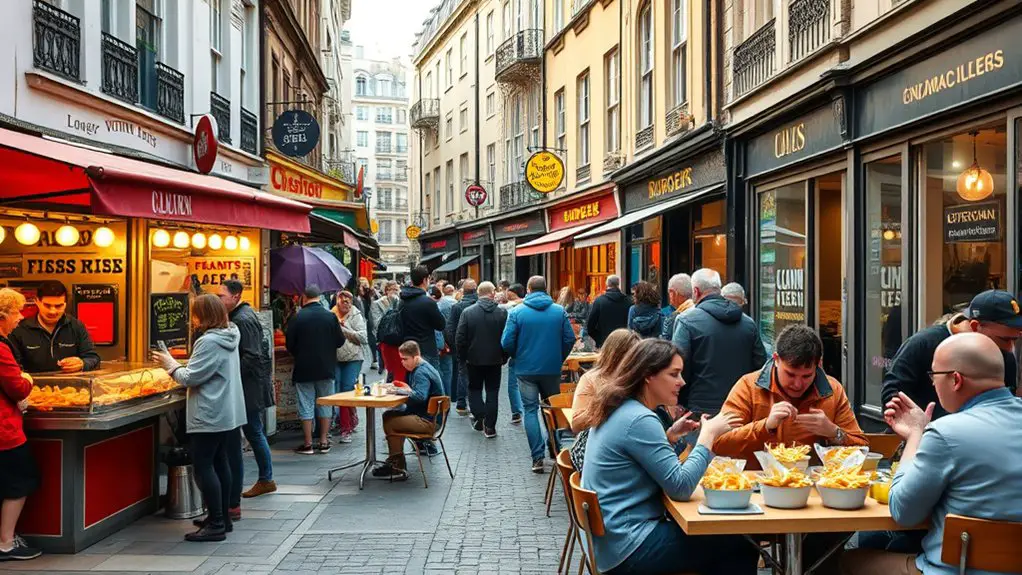
Central London has plenty of affordable food, but value improves when you look beyond the first restaurant beside a major attraction. Food halls, small cafes, pizza shops, noodle restaurants, bakeries, takeaway counters, and lunch menus often give you more control over the final bill.
Seven Dials Market in Covent Garden is especially useful when a group cannot agree on one cuisine. Its current lineup includes independent street-food traders in a covered food hall, making it a practical choice in bad weather. See the official Seven Dials Market website before visiting because trader lineups can change.
Official London tourism guidance also maintains a current list of cheap restaurants in London, which is useful when you want a conventional restaurant rather than a market.
Markets are best used strategically. A single wrap, curry, rice bowl, pizza, or noodle dish may make an economical lunch. Ordering four different “small” items because they all look tempting can quickly cost more than a restaurant meal.
London’s best-value meal is often determined as much by when and where you eat as by the restaurant itself.
Affordable Places for Traditional British Fare
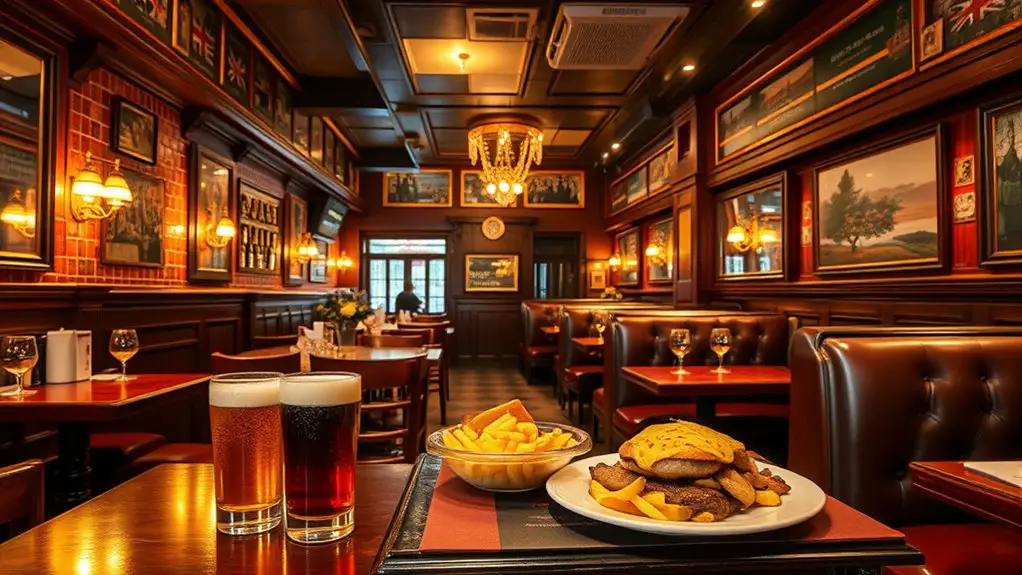
You do not need a luxury dining room to try British classics. Fish and chips, pies, sausage and mash, pub sandwiches, and Sunday roasts are widely available, and traditional pubs or specialist shops are often more appropriate than fine-dining restaurants for a first taste.
Classic Fish and Chips
For classic fish and chips, look for a specialist chippy that cooks fish to order and has steady turnover. A good plate should have crisp batter, moist fish, and chips that are fluffy inside rather than greasy throughout.
Cod and haddock are the most familiar choices, although menus vary. Prices also vary substantially between neighborhood shops and restaurants in tourist districts, so check whether the listed price includes chips before ordering.
If you have coeliac disease or a wheat allergy, do not assume a restaurant’s “gluten-free fish” is safe simply because gluten-free batter is available. Ask whether a separate fryer and cross-contact procedures are used.
Cozy Pubs & Taverns
A traditional pub can be one of the easiest ways to combine a British meal with atmosphere. Common choices include pies, sausages and mash, fish and chips, burgers, sandwiches, and seasonal specials.
Historic pubs in the busiest parts of Westminster, Covent Garden, and the City can charge a location premium. Walking a few streets away from the most photographed landmarks can give you a quieter setting and a better chance of finding a straightforward meal at a sensible price.
Check the menu before sitting down if budget matters. Some pubs are simple drinking establishments with inexpensive food; others operate more like upscale gastropubs.
Traditional Roast Dinners
A Sunday roast usually combines roasted meat or a vegetarian centerpiece with potatoes, vegetables, gravy, and often Yorkshire pudding. Beef, chicken, pork, lamb, and plant-based versions are common.
For better value, compare neighborhood pubs with destination gastropubs and hotel restaurants. Sunday lunch is popular, so reserving ahead is sensible when you have a particular pub in mind.
- Check portion and side details: some restaurants include all trimmings while others charge for extras.
- Book popular Sunday slots: the best-value roast is not useful if the kitchen has sold out.
- Look beyond Zone 1: neighborhood pubs can offer a more relaxed meal and sometimes better value.
Hidden Gems for International Flavors
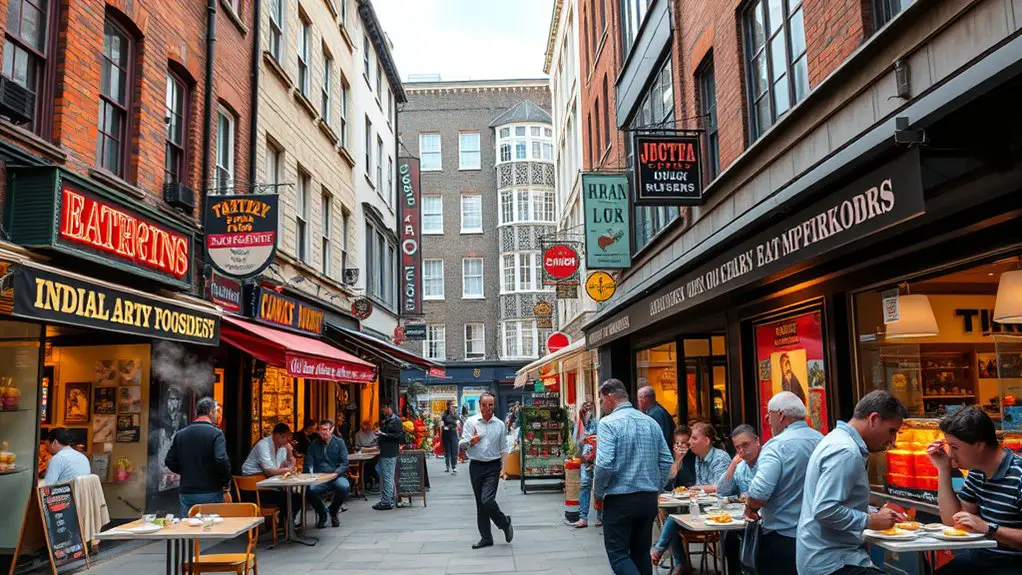
London’s strongest budget dining is often found in neighborhoods shaped by long-established immigrant communities. Instead of chasing a single “hidden gem,” choose an area known for the cuisine you want and compare several nearby menus.
| Area | Good For | Budget Approach |
|---|---|---|
| Chinatown / Soho | Chinese, Malaysian, Taiwanese, Japanese, Korean and other Asian cuisines | Look at noodle, rice, dumpling and bakery menus before choosing a full-service restaurant |
| Brixton | Caribbean food plus a broad range of newer independent restaurants | Compare market, takeaway and sit-down options |
| Brick Lane / Whitechapel | Bangladeshi, Indian, bakeries, cafes and international casual dining | Check current menus and avoid choosing solely from pavement promotions |
| Camden | Global street food and mixed groups | Walk through the market before ordering |
The advantage of these areas is choice. You can often compare several cuisines within a short walk rather than committing to the first restaurant you see.
Casual Dining Spots for Families
Families usually need more than a low menu price. Fast service, toilets, room for buggies, flexible menus, predictable opening hours, and nearby activities can be equally important.
Affordable Family-Friendly Options
The South Bank is useful for families because food, attractions, public transport, and riverside walks are close together. The Southbank Centre currently lists several family-friendly restaurants in the complex, while its weekend food market gives families another option when everyone wants something different.
See the Southbank Centre restaurant guide for the current lineup.
Elsewhere, casual restaurant chains can be practical because menus and allergy information are usually easier to check before arrival. Local cafes and neighborhood restaurants can offer better character, but confirm children’s options if you have selective eaters.
Kids’ Menus and Activities
A children’s menu is useful, but it should not be the only deciding factor. Look for restaurants that can serve children quickly, have high chairs where needed, and are close to something the family already plans to visit.
Camden Market’s Hawley Wharf can work well for mixed-age groups because its covered food halls provide many cuisines in one location. Camden Market also notes facilities such as baby changing and step-free access at Hawley Wharf.
For younger children, a lively food hall is often easier than a long formal lunch. For older children, choosing separate dishes from different traders can make the meal part of the day’s entertainment.
Cozy, Casual Atmosphere
Independent cafes, relaxed diners, pubs, and neighborhood restaurants are good choices when you want a meal that feels local without the rules of formal dining.
For families, the best atmosphere is often one where normal conversation, a little movement, and different appetites do not feel out of place. Check recent menus and photographs before booking rather than relying on labels such as “family friendly,” which can mean different things to different diners.
Trendy Food Markets With Great Value
London’s food markets range from historic produce markets to modern indoor food halls. They are ideal for groups, solo diners, and visitors who want to compare several cuisines in one stop.
| Market | Best For | Know Before You Go |
|---|---|---|
| Borough Market | Huge food selection near London Bridge | Excellent variety, but not every stall is cheap; normally closed Monday |
| Camden Market / Hawley Wharf | Global street food and groups | Open daily; individual trader hours vary |
| Seven Dials Market | Covered food hall near Covent Garden | Convenient in bad weather and for mixed groups |
| Southbank Centre Food Market | Weekend street food near the Thames | Primarily Friday–Sunday plus bank holidays; check seasonal hours |
Borough Market currently contains more than 100 stalls, stands, restaurants, bars, and shops, including a dedicated street-food area. Check the official Borough Market visitor information before traveling because opening schedules can change around holidays.
Camden Market is open seven days a week, and Hawley Wharf provides covered food halls alongside the wider market. See the official Camden Market opening information for current times.
Cheap Eats Near Major Tourist Attractions
Eating beside a major landmark is convenient, but the first restaurant facing the attraction is rarely your only option. In central London, a five- or ten-minute walk can put you in a market, food hall, Chinatown street, or neighborhood cafe with much more choice.
Quick Bites Near Landmarks
- London Bridge and Tower Bridge: Borough Market is the most useful large food destination nearby. Walk around before ordering because prices differ widely between traders.
- London Eye and South Bank: Southbank Centre Food Market is a strong weekend option; on other days, the Southbank Centre complex has permanent restaurants and cafes.
- Covent Garden: Seven Dials Market provides multiple independent food traders in a covered hall a short walk away.
- Camden: Camden Market and Hawley Wharf provide dozens of options without requiring the whole group to choose one restaurant.
- Leicester Square: walk toward Chinatown and compare noodle, rice, dumpling, bakery, and casual restaurant menus before choosing a tourist-square restaurant.
Affordable Eateries in the City
If you are sightseeing in the City of London, lunchtime can be particularly useful because cafes and takeaway businesses cater to office workers. Look around major stations and side streets rather than assuming a formal restaurant is necessary.
For a more memorable food stop, traveling a short distance to Borough Market, Spitalfields, or another established dining area can provide far more choice than buying the first meal beside an attraction.
Budget-Friendly Food Spots
Rather than depending on unpredictable street vendors, build your day around established places where food is regularly available:
- Food markets: useful for variety and quick service.
- Food halls: especially useful for groups and rainy days.
- Neighborhood cafes and bakeries: good for breakfast, sandwiches, pastries, and lighter meals.
- Chinatown and multicultural dining districts: useful for comparing many menus within a compact area.
- Lunch and pre-theatre menus: often the best route into a more expensive restaurant at a lower total spend.
Note: Market opening days matter. Borough Market is normally closed on Monday, while Southbank Centre Food Market mainly operates at weekends. Check the official site on the day you plan to visit.
Fine Dining on a Budget: Top Picks
“Budget fine dining” in London is relative. The goal is usually to experience a high-level kitchen for less than its most expensive dinner or tasting menu, not to spend the same amount as you would on street food.
The most reliable strategy is to use the Michelin Guide’s current list of lower-priced Michelin-starred restaurants in London and its Bib Gourmand selections, then compare each restaurant’s latest lunch, early-evening, and set menus.
| Choice | Why Consider It | Budget Reality |
|---|---|---|
| Trishna | One-Michelin-star Indian restaurant in Marylebone with lunch and early-evening formats | A value-led special occasion rather than a cheap meal; check the current menu before booking |
| Michelin Bib Gourmands | Michelin’s category specifically recognizing good cooking at good value | Often a better starting point for budget-conscious diners than chasing stars |
| The Ledbury | Three-Michelin-star destination in Notting Hill | A luxury splurge, not a budget recommendation |
Trishna is currently listed by Michelin with one star and is also featured in Michelin’s guide to London’s cheaper starred restaurants. Its exact set menus change, so check the restaurant’s current offering rather than relying on an old seasonal price.
The Ledbury belongs in a different category. Michelin currently rates it three stars and ££££, making it a destination for readers deliberately planning a high-end splurge rather than an example of cheap fine dining.
Pro Tip: For a special meal, compare lunch and early-evening menus first. Then check whether drinks, supplements, and a discretionary service charge will be added. Those extras can change the final bill substantially.
Vegetarian and Vegan Options for Less
London has extensive vegetarian and vegan dining, from dedicated plant-based restaurants to inexpensive falafel, South Asian, Middle Eastern, Ethiopian, noodle, and street-food options.
The cheapest strategy is not necessarily to choose a dedicated vegan restaurant. A neighborhood restaurant with naturally plant-based dishes can sometimes offer better value than a specialist destination.
Camden Market currently lists numerous vegetarian- and vegan-friendly traders, while food halls such as Seven Dials give groups the freedom to order from different kitchens.
Vegan Yes on Brick Lane remains a current dedicated vegan restaurant, but it is better treated as a specialist dining option than automatically described as a cheap one. Restaurant prices change, so compare the current menu with nearby alternatives before visiting.
Warning: “Vegan,” “vegetarian,” or “gluten-free” describes ingredients or preparation choices; it does not automatically make a dish safe for someone with a food allergy or coeliac disease. Ask the restaurant directly about ingredients and cross-contact procedures.
Quick Bites for On-the-Go Meals
When time matters, bakeries, takeaway counters, food halls, and markets can be more practical than a full-service restaurant. The best option is one that serves a complete dish quickly rather than forcing you to combine several expensive snacks.
| Format | Advantages | Watch For |
|---|---|---|
| Street-food stall | Quick, varied, easy to eat while sightseeing | Limited seating and variable prices |
| Food hall | Indoor seating and several cuisines | Busy periods can make seating difficult |
| Bakery or cafe | Often one of the simplest low-cost lunches | Menus may be limited later in the day |
| Casual restaurant | Seat, table service and a fuller meal | Allow for service time and possible service charge |
Delicious Street Food Vendors to Explore
Street-food traders change more frequently than permanent restaurants, so it is safer to recommend established markets and then check their live trader directories shortly before visiting.
- Camden Market: the current official food directory includes a broad range of traders serving cuisines from around the world. Hawley Wharf adds covered food courts and seating.
- Borough Market Kitchen: part of the wider Borough Market estate and a dependable place to compare established street-food traders near London Bridge.
- Southbank Centre Food Market: a regular Friday-to-Sunday market behind the Royal Festival Hall, with rotating and long-standing traders.
- Seven Dials Market: a covered Covent Garden food hall with a current lineup of independent street-food businesses.
The value of these markets is not simply low prices. They let groups mix cuisines, allow you to inspect dishes before choosing, and make it easy to eat without committing to a long restaurant meal.
Best London Neighborhoods for Eating on a Budget
Your neighborhood can matter more than the name of a restaurant. These areas make it easier to compare multiple menus within walking distance:
- Soho and Chinatown: excellent for dense choice, especially noodles, dumplings, rice dishes, bakeries, cafes, and pre-theatre meals.
- Camden: best when a group wants global street food and flexibility.
- Brixton: strong for Caribbean food and independent restaurants.
- Brick Lane and Whitechapel: useful for South Asian food, bakeries, cafes, and casual dining.
- South Bank: convenient for sightseeing, particularly when the weekend food market is operating.
- London Bridge: convenient for Borough Market and the surrounding Bankside dining area.
Avoid assuming that a famous neighborhood is automatically cheap. Compare menus before you sit down, especially in Soho, Covent Garden, Borough, and other heavily visited districts.
How to Save Money Eating in London
- Make lunch your main restaurant meal. Set lunches and early-evening menus can cost less than ordering the same style of food at peak dinner time.
- Check the service charge. Many restaurants add a discretionary service charge, so read the bill before adding another tip.
- Order tap water when appropriate. Premium bottled water and alcoholic drinks can raise the bill quickly.
- Do one lap of a market first. Compare portion size and price before buying several small items.
- Walk away from the landmark frontage. A few minutes on foot can dramatically increase your choices.
- Use current menus rather than old price lists. London restaurant prices change too often for an old blog post or social-media video to be reliable.
- Book high-demand deals. Good-value lunch and pre-theatre menus can have limited seating times.
Frequently Asked Questions
Which London neighborhoods offer the best budget-friendly restaurants?
Good areas for comparing several affordable options include Chinatown and Soho, Camden, Brixton, Brick Lane and Whitechapel. The best choice depends on the cuisine you want. Instead of traveling across London for one supposedly cheap restaurant, choose a neighborhood with several suitable menus within walking distance.
Are there affordable Michelin-starred restaurants in London?
Yes, although “affordable” is relative. Michelin publishes a current guide to London’s lower-priced starred restaurants, and Bib Gourmand restaurants are specifically recognized for good food at good value. Lunch and early-evening menus are often the most economical way to try high-end cooking. Trishna is one current Michelin-starred example featured in Michelin’s value-focused London coverage.
How can I find gluten-free options on a budget in London?
Start with menus that clearly identify gluten-containing ingredients, but contact the restaurant directly if you have coeliac disease or an allergy. Ask about cross-contact, preparation surfaces, and separate fryers where relevant. Coeliac UK maintains an accredited venue guide, and the UK Food Standards Agency advises diners to communicate allergy requirements clearly rather than relying only on reviews or menu labels.
What are the best cheap eats in London’s nightlife districts?
Soho and Chinatown are particularly useful because many casual restaurants, noodle shops, takeaways, and bakeries are concentrated in a small area. Camden also offers numerous casual food options. Late opening varies by individual business, so confirm hours before relying on a particular restaurant after a show or night out.
Are there apps or websites for budget-friendly London dining deals?
Yes. Too Good To Go can be useful for surplus-food offers, while restaurant booking platforms may feature set-menu promotions. For dependable destination research, also check Visit London, Michelin Guide, and the restaurant’s own current menu. Always compare the deal with the normal menu before assuming it is the cheapest option.
Is Borough Market cheap?
Sometimes, but not automatically. Borough Market offers everything from snacks and takeaway street food to premium produce and sit-down restaurants. Compare several traders before buying. It is better regarded as a high-choice food destination than as a guaranteed bargain market.
How much should I budget for one day of food in London?
A careful traveler can keep costs down with a bakery or cafe breakfast, one filling street-food or takeaway lunch, and a casual dinner. A larger budget allows for table service, drinks, and a multi-course dinner. Build your daily estimate from the meals you actually plan to eat and leave room for service charges, snacks, coffee, and drinks.
Sources
- Visit London — Best restaurants in London — current 2026 overview of London restaurants and affordable dining.
- Borough Market — Visitor information — current opening times, layout, accessibility, and market information.
- Camden Market — Visit information — current Camden Market and Hawley Wharf opening details.
- Southbank Centre Food Market — current market location, traders, and visiting information.
- Michelin Guide — Cheapest Michelin-Star Restaurants in London — current value-focused Michelin dining guidance.
- UK Food Standards Agency — Food allergies, intolerances and coeliac disease — official advice on allergen information and eating safely.
Conclusion
The best places to eat in London depend less on finding one definitive restaurant and more on matching the meal to your budget, neighborhood, and schedule. For inexpensive food, explore casual cafes, bakeries, Chinatown, and carefully chosen street-food stalls. Camden, Seven Dials, Borough, and the Southbank Centre provide useful clusters of choices, while pubs are ideal for British classics.
For a special meal, search current Michelin Bib Gourmands and lunch or early-evening menus before committing to a high-priced tasting menu. Above all, check current menus and opening hours shortly before you go. London’s restaurant scene changes quickly, but that variety is exactly what makes it possible to eat well at almost any budget.
