
Last Updated on July 28, 2026 by Daniel Globe
Menemen is Istanbul’s answer to an unhurried morning: soft eggs folded into juicy tomatoes and green peppers, then scooped up with warm bread. You can find it in casual neighborhood cafés, busy breakfast houses, Bosphorus-side tea gardens, and polished brunch restaurants, but the setting and cooking style vary widely from place to place.
Quick Answer
For classic menemen in central Istanbul, start with Lades Menemen near Taksim or Çakmak Kahvaltı in Beşiktaş. Choose Çengelköy Tarihi Çınaraltı for a Bosphorus-side tea-garden setting, Van Kahvaltı Evi for a generous regional breakfast, or Mangerie in Bebek for a polished brunch version.
Key Takeaways
- Lades Menemen and Çakmak Kahvaltı are the strongest choices for a casual, traditional menemen-focused meal.
- Çınaraltı offers a scenic Bosphorus setting, while Van Kahvaltı Evi pairs menemen with a large Eastern Anatolian breakfast spread.
- Mangerie is in Bebek, not Cihangir, and suits travelers seeking a more polished brunch experience.
- Menus, prices, branches, and opening hours can change, so check the linked official page before traveling across the city.
- A good homemade menemen takes about 15–20 minutes and should remain moist rather than firm and dry.
Disclosure: As an Amazon Associate I earn from qualifying purchases. Some links on this page are affiliate links, at no extra cost to you.
What Is Menemen?
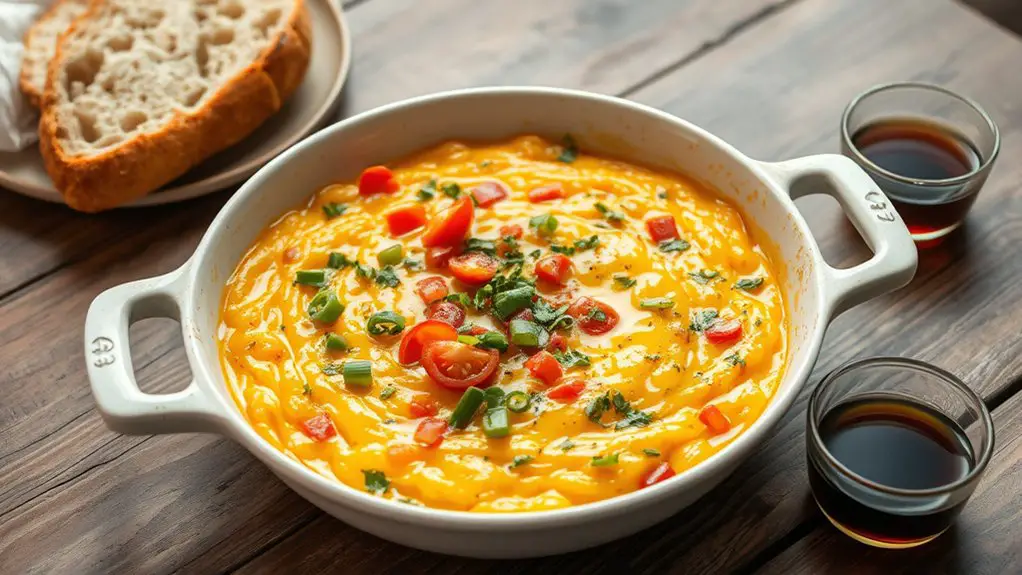
Menemen is a Turkish egg dish built around tomatoes, green peppers, eggs, and cooking fat. It is most closely associated with breakfast, although it can also be eaten for lunch or a light evening meal. The finished dish is usually served hot in its pan with plenty of bread.
The eggs are commonly stirred gently through the tomato-pepper base, creating a loose and creamy texture. That is the style most visitors will recognize. However, Turkish recipes are not completely uniform: some cooks leave the yolks and whites partly distinct, while others place whole eggs into the sauce.
The best menemen is glossy and spoonable, with enough tomato juice to soak into the bread but not so much that the eggs float in a watery sauce.
The History and Name of Menemen
Menemen’s exact origin is less certain than many short food histories suggest. The dish is commonly connected by name to Menemen, an Aegean district near İzmir, and that explanation is repeated in many cookbooks and travel guides. Culinary writers have also noted, however, that the district may not be the dish’s proven birthplace.
What can be said safely is that menemen developed after tomatoes and peppers became established in Anatolian cooking. Once those vegetables became everyday ingredients, combining them with eggs produced an affordable, adaptable dish suited to homes, cafés, roadside restaurants, and shared breakfast tables.
Regional and household recipes still vary. Onion may be included or left out, and cooks may add white cheese, kaşar cheese, sucuk, pastırma, herbs, or red pepper flakes. That flexibility is one reason menemen remains a regular meal rather than a dish reserved for special occasions.
Note: Menemen is often compared with shakshuka. The most familiar difference is the egg technique: menemen usually has eggs stirred into the tomato mixture, while shakshuka commonly has whole eggs cooked on top. Neither dish has only one universal recipe.
Best Places to Eat Menemen in Istanbul
Istanbul’s menemen choices range from simple breakfast counters to scenic waterfront cafés. The five places below have the clearest current support from official menus, active business profiles, or recent specialist coverage.
| Place | Neighborhood | Best For | What to Expect |
|---|---|---|---|
| Lades Menemen | Beyoğlu, near Taksim and İstiklal Avenue | Traditional, no-frills menemen | A casual local restaurant known for breakfast, egg dishes, and classic Turkish comfort food. |
| Çakmak Kahvaltı Salonu | Beşiktaş | Choosing from several variations | Plain, cheese, sucuk, pastırma, and mixed versions in Istanbul’s lively breakfast district. |
| Çengelköy Tarihi Çınaraltı | Çengelköy, Asian side | Bosphorus views and tea-garden atmosphere | The official menu lists plain, white-cheese, and sucuk menemen alongside selectable breakfast dishes. |
| Van Kahvaltı Evi | Cihangir, Beyoğlu | A large regional breakfast spread | Menemen with Van cheeses, honey, kaymak, breads, spreads, and other regional breakfast dishes. |
| Mangerie | Bebek | A polished brunch and terrace setting | Its March 2026 menu lists menemen with green pepper, tomato, oregano, and mint, with cheese available as an extra. |
Lades Menemen: Best for a Traditional Central-Istanbul Meal
Lades is a practical choice when you want straightforward menemen without committing to a large breakfast platter. It sits in Beyoğlu near the Taksim and İstiklal area, making it easier to reach than the waterfront choices. Recent coverage of Istanbul’s traditional shopkeepers’ restaurants continues to single out Lades for breakfast and menemen.
Order the plain version first when you want to judge the tomato, pepper, and egg balance. Add sucuk or cheese only if you want a richer meal.
Çakmak Kahvaltı: Best for Menemen Variations
Çakmak Kahvaltı Salonu is on Beşiktaş’s well-known breakfast street. It is the most useful choice for a group whose members want different styles, because its menu has included plain menemen as well as versions with cheeses, sucuk, pastırma, kavurma, or mixed toppings.
The area becomes energetic during popular breakfast hours. Tables are close together, the atmosphere is casual, and breakfast may feel more like a lively street meal than a quiet brunch.
Çengelköy Tarihi Çınaraltı: Best for the Setting
Çınaraltı is as much about location as food. The tea garden sits beside the Bosphorus in Çengelköy under a historic plane tree. Its official menu confirms plain menemen, white-cheese menemen, and sucuk menemen.
This is the strongest choice when you want to combine breakfast with an Asian-side ferry trip or waterfront walk. Expect a tea-garden experience rather than formal restaurant service.
Van Kahvaltı Evi: Best for a Full Regional Breakfast
Van Kahvaltı Evi in Cihangir specializes in breakfast traditions associated with Van in Eastern Anatolia. Menemen is only one part of the experience. Regional cheeses, honey, kaymak, breads, savory spreads, and other small dishes can fill the table.
Choose this stop when the group wants a long, shared breakfast rather than a single skillet of eggs. Confirm the current set-menu rules and portions before ordering, since large spreads may be designed for more than one diner.
Mangerie: Best for a Polished Bebek Brunch
Mangerie is in Bebek, not Cihangir. Its official March 2026 menu lists menemen made with green pepper, tomato, oregano, and mint, with an option to add cheese. The restaurant is better suited to a leisurely brunch than a quick budget breakfast.
Choose it for the Bebek location, terrace atmosphere, and broad menu. Travelers seeking the most traditional or inexpensive menemen will usually be better served by Lades or Çakmak.
Pro Tip: Istanbul breakfast restaurants can become crowded on weekends. Arrive near opening time when possible, but check the business’s current profile first because hours and reservation policies can change.
Note: Do not rely on old restaurant roundups alone. Menus, branches, prices, and opening hours change. Verify the linked official menu or profile on the day you plan to visit.
Older or Ambiguous Listings to Check Carefully
Some online lists mention an “Ege Restaurant” in Kadıköy, but the name is too broad to identify one current breakfast restaurant and verified menu reliably. Giritli Restaurant is also sometimes mislisted as a Cihangir breakfast house. Its current official identity is a seafood-and-meze restaurant in Cankurtaran, Fatih, so it should not be treated as a core menemen destination.
How to Order Menemen in Istanbul
A few Turkish menu words make ordering easier:
- Sade menemen: Plain menemen without meat or cheese.
- Peynirli menemen: Menemen with white cheese or another cheese specified by the restaurant.
- Kaşarlı menemen: Menemen with melting kaşar cheese.
- Sucuklu menemen: Menemen with Turkish spiced beef sausage.
- Pastırmalı menemen: Menemen with seasoned cured beef.
- Soğanlı: With onion.
- Soğansız: Without onion.
- Acılı: Spicy.
- Acısız: Not spicy.
The classic base is vegetarian, but cheese and meat additions may be cooked in the same pan or kitchen area. Diners with allergies or strict dietary requirements should explain those needs before ordering.
Essential Ingredients for Good Menemen
Good menemen depends on a short ingredient list rather than complicated seasoning. Ripe tomatoes provide most of the moisture and flavor, while fresh eggs give the sauce its creamy body.
- Tomatoes: Choose ripe, juicy tomatoes. Grating them creates a smoother sauce, while diced tomatoes leave more texture.
- Green peppers: Turkish sivri or çarliston peppers are ideal. Shishito or padrón peppers are useful substitutes. A small green bell pepper can work, although its flavor is sweeter and less sharp.
- Eggs: Add them only after the tomato mixture has reduced enough to form a light sauce.
- Cooking fat: Olive oil is common. Butter can be added for extra richness.
- Onion: Optional and widely debated. Use a small amount so it does not overpower the tomatoes.
- Seasoning: Salt, black pepper, and pul biber or mild red pepper flakes are usually enough.
Ripe tomatoes and good eggs do most of the work; everything else should support them rather than hide them.
Classic Menemen Variations to Try
Menemen changes from one cook and region to another. These additions remain close to the dish’s familiar Turkish character:
- White cheese: Crumbled beyaz peynir adds saltiness and a creamy texture.
- Kaşar cheese: Melts into the eggs and makes the dish richer.
- Sucuk: Adds a savory, lightly spicy flavor and turns menemen into a heavier meal.
- Pastırma: Brings concentrated cured-beef flavor.
- Fresh herbs: Parsley, dill, mint, or oregano can add brightness, although they are not required.
- Extra heat: Fresh chilies or pul biber provide a stronger spicy finish.
- Additional vegetables: Mushrooms, spinach, zucchini, or bell peppers can add texture, though they move the dish away from its simplest form.
Modern Twists on Menemen
Some modern cafés treat menemen as a flexible brunch dish rather than a fixed recipe. Versions you may encounter include:
- Feta and dill: Creamy, salty, and fresh.
- Sucuk and mixed peppers: Richer and more filling than the plain version.
- Avocado and lime: A non-traditional variation with a creamy, bright finish.
- Spinach and garlic: Earthier and more vegetable-forward.
- Mushroom and kaşar: Savory, soft, and especially rich.
Try a plain version before ordering a heavily loaded one. It makes it easier to understand the balance of tomatoes, peppers, and eggs that defines the dish.
What to Serve With Menemen
Menemen is normally part of a wider Turkish breakfast rather than an isolated plate. Good pairings include:
- Crusty bread or pide: Essential for scooping up the tomato and egg mixture.
- Simit: The sesame-coated bread ring adds a crisp, chewy contrast.
- Olives: Their salty flavor balances the sweet tomatoes.
- Cucumber and tomato salad: Adds coolness and crunch.
- White cheese: Provides a tangy contrast without needing to be cooked into the pan.
- Pickles: Optional, but useful when the menemen is rich or contains sucuk.
- Turkish tea: The traditional drink alongside a shared breakfast.
How to Make Menemen at Home
Making menemen at home is simple once the tomato base is reduced correctly. The main goal is to keep the eggs moist without leaving the finished dish watery.
At a Glance
| Time Required | 15–20 minutes |
| Difficulty | Easy |
| Tools Needed | 10-inch skillet or shallow pan, knife, cutting board, bowl, and wooden spoon |
| Cost | Low — basic eggs, tomatoes, peppers, and bread |
| Yield | 2 servings |
Ingredients
- 1½ tablespoons olive oil
- 2 slim Turkish green peppers, shishito peppers, or padrón peppers, thinly sliced
- ¼ small onion, finely chopped, optional
- 3 medium ripe tomatoes, about 1 pound or 450 grams, grated or finely diced
- 4 large eggs
- ½ teaspoon salt, plus more to taste
- ¼ teaspoon black pepper
- ½ teaspoon pul biber or mild red pepper flakes, optional
- 1 tablespoon butter, optional
- Crusty bread or pide, for serving
Optional additions: Add about ⅓ cup crumbled white cheese or grated kaşar near the end of cooking. For sucuklu menemen, brown roughly 2 ounces of sliced sucuk before cooking the peppers, then return it to the pan with the eggs.
Cooking Steps
- Prepare the vegetables. Slice the peppers. Grate the tomatoes for a smoother sauce or dice them for a chunkier texture. If using onion, chop it finely.
- Soften the peppers. Heat the olive oil in a 10-inch skillet over medium-low heat. Add the peppers and optional onion. Cook for 3–4 minutes, stirring often, until softened but not browned.
- Reduce the tomatoes. Add the tomatoes and salt. Simmer for 5–8 minutes, stirring occasionally, until the mixture looks saucy rather than watery. Add the optional butter and red pepper flakes.
- Add the eggs. Crack the eggs into a bowl and break the yolks lightly without beating them completely smooth. Pour them into the tomato mixture. Stir slowly so visible ribbons of yolk and white remain.
- Cook gently. Keep the heat low and cook until the eggs are set to your preferred safe doneness. Add cheese, if using, during the final minute.
- Serve immediately. Remove the pan from the heat before the eggs become dry. Taste for salt and serve hot with plenty of bread.
Warning: Traditional menemen may be served soft, but undercooked eggs can carry food-safety risk. The FDA advises cooking egg dishes to 160°F. Pregnant people, young children, older adults, and anyone with a weakened immune system should use pasteurized eggs or cook the eggs fully.
Pro Tip: Take the pan off the burner just before the eggs reach your preferred texture. The hot tomato mixture and skillet will continue cooking them for another minute.
Menemen Troubleshooting
| Problem | Likely Cause | Fix |
|---|---|---|
| Watery menemen | The tomatoes were not reduced before adding the eggs. | Cook the tomato base longer until it resembles a loose sauce. |
| Dry or rubbery eggs | The heat was too high or the eggs cooked too long. | Lower the heat and remove the pan earlier. |
| Flat flavor | Unripe tomatoes or too little salt. | Use ripe tomatoes, season the vegetable base, and add pul biber if desired. |
| Burned butter | Butter was heated too early or over high heat. | Cook the peppers in olive oil and add butter after the tomatoes reduce. |
Cultural Significance of Menemen
Menemen is more than a quick egg dish in Turkish households. It is commonly brought to the table in the pan and shared rather than divided into individual plates. That serving style fits the larger tradition of Turkish breakfast, where bread, cheeses, olives, vegetables, spreads, eggs, and tea are placed across the table for everyone.
- It encourages diners to share directly from the same pan.
- Its affordable ingredients make it suitable for both home kitchens and casual restaurants.
- Regional additions reflect local cheeses, peppers, cured meats, and cooking habits.
- Its flexible serving time makes it useful for breakfast, brunch, lunch, or a light dinner.
Frequently Asked Questions
What is the best time of day to eat menemen?
Menemen is most closely associated with breakfast and brunch, usually alongside tea, bread, cheese, and olives. Many Istanbul breakfast restaurants continue serving it into the afternoon, but hours vary by business.
Should menemen contain onion?
There is no universal rule. Some cooks consider onion essential, while others believe it overwhelms a breakfast-style menemen. Order it soğanlı for onion or soğansız without onion.
What is the difference between menemen and shakshuka?
Menemen usually has the eggs stirred gently into the tomato and pepper mixture. Shakshuka more often has whole eggs cooked on top of a thicker, more heavily spiced sauce. Recipes for both dishes vary.
Can menemen be made vegan or vegetarian?
Classic menemen is vegetarian because its base contains eggs, tomatoes, peppers, and cooking fat. For a vegan adaptation, use crumbled silken or firm tofu, or a chickpea-flour mixture, in place of the eggs.
How long does menemen take to cook?
A two-serving pan normally takes about 15–20 minutes, including preparation. Very juicy tomatoes may need a few extra minutes to reduce before the eggs are added.
Is menemen served hot or cold?
Menemen is served hot, usually straight from the skillet or a traditional shallow pan. It loses its creamy texture as it cools and is best eaten immediately.
What drinks pair well with menemen?
Turkish black tea is the classic pairing. Fresh orange or pomegranate juice also works well, while Turkish coffee is more commonly enjoyed after the meal.
Which Istanbul menemen spot is best for a first visit?
Choose Lades for a simple traditional experience, Çakmak for multiple variations, Çınaraltı for Bosphorus scenery, Van Kahvaltı Evi for a full regional breakfast, or Mangerie for a polished Bebek brunch.
Conclusion
Menemen may be made from simple eggs, tomatoes, and peppers, but each Istanbul setting gives it a different character. Lades and Çakmak are the strongest starting points for a casual traditional meal. Çınaraltı adds Bosphorus scenery, Van Kahvaltı Evi turns it into a regional feast, and Mangerie offers a more polished Bebek brunch. Whichever you choose, check the current menu before traveling and leave room for plenty of bread.
Sources
- GoTürkiye: Turkish Breakfast — supports menemen’s ingredients, shared serving style, traditional sides, and place within Turkish breakfast culture.
- Republic of Türkiye Ministry of Culture and Tourism: Egg With Vegetables — provides an official menemen recipe and confirms that egg technique can vary.
- Çengelköy Tarihi Çınaraltı Official Menu — verifies plain, white-cheese, and sucuk menemen.
- Mangerie Official Menu, March 26, 2026 — verifies the Bebek restaurant’s current menemen listing and ingredients.
- Financial Times: Istanbul’s Traditional Shopkeepers’ Cafés — supports Lades as a current traditional restaurant serving breakfast and menemen.
- U.S. Food and Drug Administration: Egg Safety — supports safe cooking-temperature and pasteurized-egg guidance.
