
Last Updated on August 26, 2026 by Daniel Globe
Finding the best lahmacun in Istanbul requires venturing past generic tourist cafeterias and into the historic neighborhood backstreets where master bakers (ustalar) have perfected this ancient flatbread over generations. Often referred to as “Turkish pizza,” an authentic lahmacun is a masterclass in culinary balance: an ultra-thin, blistered dough topped with a finely minced blend of lamb, beef, peppers, tomatoes, and regional spices baked in a searing wood-fired stone oven. From the bustling market alleys of Kadıköy to the historic culinary enclaves of Fatih, these seven local institutions represent the pinnacle of Istanbul’s lahmacun culture.
Quick Answer
The best lahmacun in Istanbul is found at Halil Lahmacun and Çiya Sofrası in Kadıköy for crispy, authentic Anatolian-style flatbreads, and Öz Urfa in Fatih for deep, smoky Urfa-spiced versions. Authentic lahmacun costs between 90 to 220 TL and is traditionally rolled with fresh flat-leaf parsley, a squeeze of lemon, and paired with cold ayran.
Key Takeaways
- Regional Differences Matter: Gaziantep-style lahmacun features garlic and parsley without onions, while Şanlıurfa-style uses onions and dark, smoky isot pepper without garlic.
- Crust Texture: The hallmark of superior lahmacun is a wafer-thin, crispy rim that remains pliable enough in the center to roll into a tight wrap (dürüm) without cracking.
- Kadıköy is the Epicenter: The Asian side’s Kadıköy Market hosts several of the city’s highest-rated bakeries, including Halil Lahmacun, Çiya Sofrası, and Gaziantep Tandır Lahmacun.
- Local Etiquette: Always dress the flatbread lightly with parsley and lemon juice; avoid heavy cheeses or yogurt dressings directly inside the wrap.
Disclosure: As an Amazon Associate I earn from qualifying purchases. Some links on this page are affiliate links, at no extra cost to you.
1. Çiya Sofrası (Kadıköy)
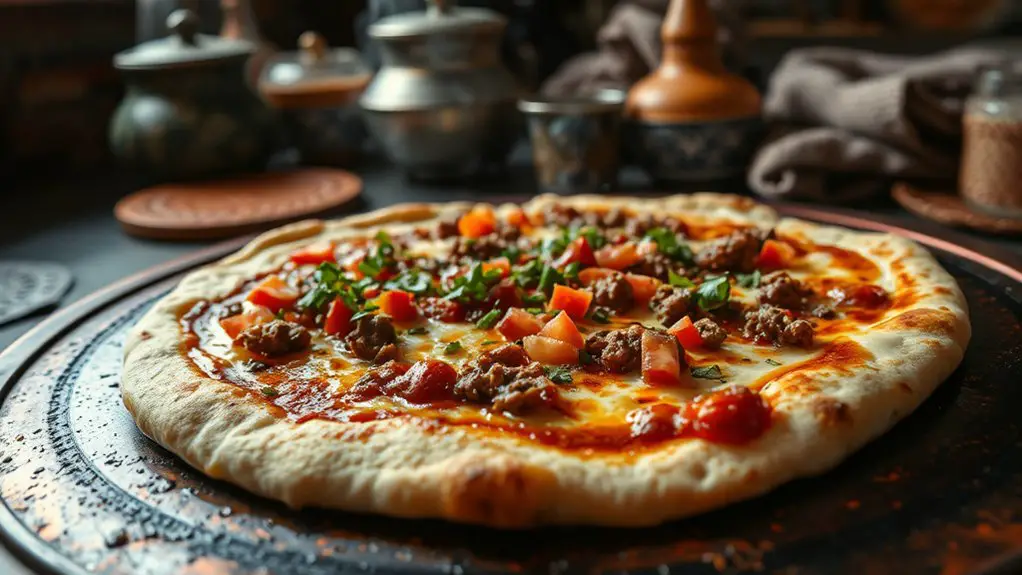
Located in the heart of Kadıköy’s vibrant pedestrian market, Çiya Sofrası is an internationally celebrated gastronomic landmark founded by culinary researcher and chef Musa Dağdeviren. Rather than treating lahmacun as simple street fast food, Çiya approaches it as an artifact of southeastern Anatolian heritage.
The lahmacun at Çiya features an artisanal balance of hand-minced lamb, ripe sun-dried tomato paste, and pomegranate molasses (nar ekşisi), which lends a subtle, complex acidity. The crust is baked over hardwood embers, achieving an airy, blistered char along the edges while preserving a tender base.
“At Çiya Sofrası, every lahmacun reflects lost Anatolian regional recipes, balancing rich wood-fire char with the nuanced tang of natural pomegranate reduction.”
Diners can sample both Gaziantep and Urfa styles alongside an ever-changing menu of heritage regional stews, making it an essential first stop for serious culinary travelers.
Pro Tip: Pair your meal with Çiya’s house-made seasonal herbal sherbets or fermented wild plum juice for a historic Ottoman beverage pairing.
2. Karadeniz Pide & Kebap (Fatih)
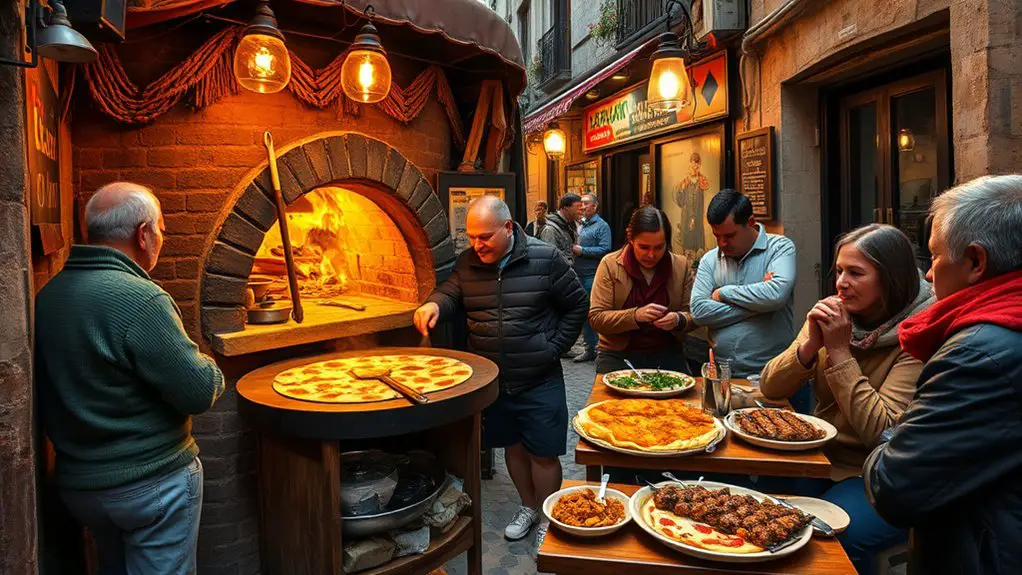
Situated in the historic working-class district of Fatih, Karadeniz Pide & Kebap combines the baking traditions of the Black Sea with southeastern meat seasoning methods. This no-frills neighborhood staple centers on a massive refractory-brick oven running at temperatures exceeding 400°C.
Authentic Ingredients and Meat Ratios
The foundation of their lahmacun is a precise meat ratio: 70% grass-fed lamb shoulder blended with 30% beef chuck to prevent the topping from drying out under high heat. Seasonings rely on authentic ingredients sourced directly from southeastern producers, including wild thyme (zahter), sumac, and stone-ground Turkish red pepper paste (tatlı biber salçası).
Baking Technique and Dough Hydration
The dough undergoes a 24-hour cold fermentation process, resulting in superior digestibility and a delicate snap upon baking. The high oven heat flash-cooks the thin meat layer in less than three minutes, sealing in natural juices without making the base soggy.
Atmosphere and Dining Profile
The dining room provides an unpretentious, classic Turkish eatery (esnaf lokantası) atmosphere where local tradespeople, families, and culinary enthusiasts sit side by side.
| Feature | Specification |
|---|---|
| Oven Type | Oak-fired stone refractory deck |
| Regional Style | Anatolian-Black Sea crossover |
| Signature Trait | High-char blistered rim with juicy meat core |
3. Gaziantep Tandır Lahmacun (Kadıköy)
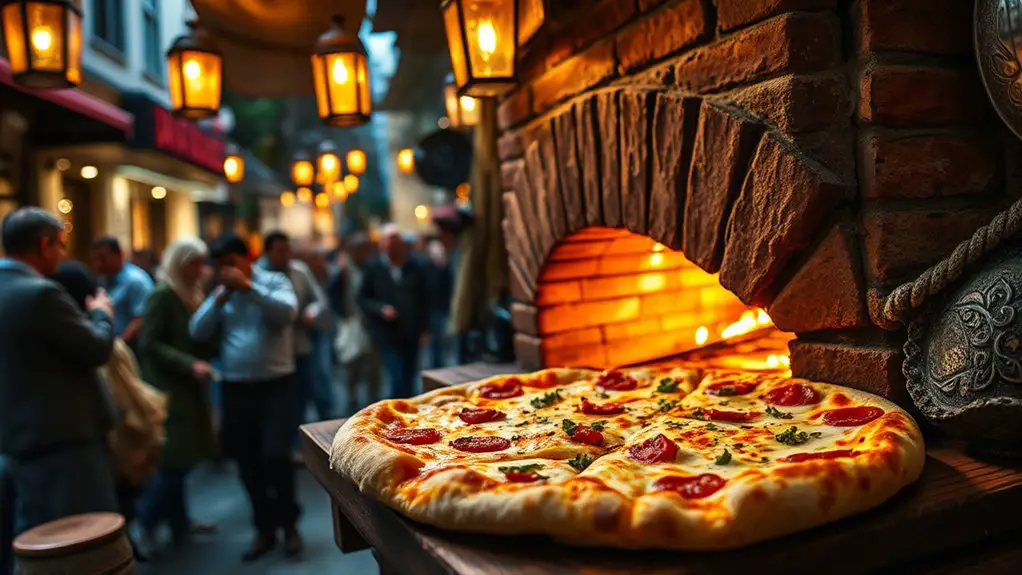
A true tandır (cylindrical clay oven) provides an entirely different heat profile than standard flat-deck stone ovens. At Gaziantep Tandır Lahmacun in Kadıköy, dough rounds are hand-stretched to paper thinness, dressed with a garlic-rich Antep-style mince, and baked against intense, radiant clay walls.
This traditional cooking method produces an ultra-crispy bottom with an unmistakable subtle wood smoke aroma. The garlic acts as a natural tenderizer for the minced lamb, cutting through the richness of the rendered fat.
Because the flatbreads are so light and thin, locals frequently order two to three per person, rolling them tightly with seasonal greens and pickled hot peppers (biber turşusu).
4. Halil Lahmacun (Kadıköy Fish Market)
Operating since 1980 in Kadıköy’s historic market, Halil Lahmacun is regarded by many Istanbul food critics as the city benchmark for classic Şanlıurfa-style lahmacun. With a simple, focused menu centered entirely on lahmacun and cheese pide, master craft is on display at every stage.
The Urfa Spice Balance
Unlike northern versions that rely on heavier tomato pastes, Halil utilizes genuine sun-cured Urfa isot pepper. This dark, purplish pepper infuses the meat with an earthy, raisin-like sweetness backed by a lingering, smoky heat. Finely minced red onion and parsley provide crisp herbal contrast.
The Market Dining Experience
Seating is fast-paced and intimate across small wooden tables. Diners watch the bakers stretch the dough on marble slabs before sliding them on long wooden peels (kürek) into the roaring stone oven.
- First Bite (Plain): Sample a tear from the edge to assess the crispness of the unadorned dough.
- The Garnish: Layer fresh parsley leaves across the center line and add a modest squeeze of fresh lemon.
- The Roll: Fold the bottom third up, roll tightly into a cylinder (dürüm), and enjoy immediately while the crust retains its crunch.
5. Öz Urfa (Aksaray / Fatih)
Situated within the culinary melting pot of Aksaray in the Fatih district, Öz Urfa caters to Istanbul’s southeastern diaspora. If you prefer a robust, spicy profile with pronounced cumin, pepper paste, and lamb richness, this establishment delivers an uncompromisingly authentic experience.
The minced topping is hand-chopped using a two-handed curved cleaver (zırh), a traditional technique that preserves the structural integrity of the meat fibers rather than turning them into paste.
Accompaniments here are served generously at no extra charge, including:
- Thinly sliced red onions tossed with tart wild sumac.
- Ripe chopped field tomatoes dusted with ground red pepper.
- Fresh mint sprigs and crisp Italian flat-leaf parsley.
Warning: The house-blend hot peppers at Öz Urfa carry substantial heat. Sample a small slice before adding them liberally to your wrap.
6. Meşhur Bostancı Lahmacun (Bostancı)
Located on the coastal edge of the Asian side near the Marmaray rail link, Meşhur Bostancı Lahmacun has served multi-generational neighborhood patrons for decades. Known for meticulous dough consistency, their crust is celebrated for its structural integrity—holding generous portions of meat topping without sagging or breaking.
The meat mixture incorporates a subtle touch of green bell pepper and fresh garlic, striking a harmonious middle ground between Urfa and Antep regional preparations. Its proximity to the Bostancı seaside promenade makes it a prime destination for an authentic lunch followed by a coastal stroll along the Sea of Marmara.
7. Kebapçı Zeynel Usta (Ataşehir / Kadıköy)
Led by master chef Zeynel Abidin, this specialist eatery is renowned for its uncompromising focus on meat quality. Zeynel Usta uses milk-fed Balıkesir lamb, resulting in an exceptionally tender, aromatic topping devoid of any gaminess.
Key highlights of the Zeynel Usta lahmacun include:
- A golden-brown bottom with uniform leopard-spot charring from high-heat wood firing.
- A proprietary spice blend highlighting sweet paprika and mildly piquant Maraş red pepper flakes.
- Complimentary chilled sides of seasonal radish, charred green chillies, and iced parsley.
Note: Due to heavy lunchtime rushes from nearby business districts, visiting between 2:00 PM and 5:00 PM ensures prompt seating and maximum oven attention.
Frequently Asked Questions
What is the history and cultural origin of lahmacun in Istanbul?
Lahmacun originates from southeastern Anatolia and the Levant (derived from the Arabic lahm bi’ajin, meaning “meat with dough”). While prepared across Anatolia for centuries, it surged in popularity in Istanbul during the mid-20th century as southeastern migrants from Gaziantep and Şanlıurfa brought their specialized stone-oven baking methods to the metropolis.
Are there vegetarian or vegan options available at traditional lahmacun spots?
Traditional lahmacun bakeries exclusively use meat-based mixtures (lamb and beef) and do not offer vegetarian substitutes. However, most spots serve vegetarian peynirli pide (cheese flatbread) or ıspanaklı pide (spinach flatbread). For plant-based lahmacun made with walnuts, lentils, or soy mince, visit specialized vegan cafes in Kadıköy or Moda.
How do locals properly garnish and eat lahmacun?
Locals garnish lahmacun by placing a light layer of fresh flat-leaf parsley and sumac onions across the center, followed by a light squeeze of lemon juice. The flatbread is then rolled tightly into a wrap (dürüm) and eaten by hand. Adding yogurt or cheese directly into the wrap is avoided as it softens the crispy crust.
What is the typical price range for lahmacun in Istanbul restaurants?
In standard neighborhood bakeries and market stalls, a single lahmacun typically ranges between 90 TL and 140 TL. At sit-down specialty restaurants and renowned establishments like Çiya Sofrası, prices range from 150 TL to 250 TL, reflecting higher-grade hand-minced lamb and artisanal preparation.
What drinks pair best with authentic lahmacun?
The definitive accompaniment is Ayran—a salted, cold yogurt beverage (preferably open and frothy, known as açık ayran) that cuts through the spice and rich lamb fat. Another traditional pairing is Şalgam Suyu, a tangy, fermented purple carrot and turnip juice served mild or spicy. Hot Turkish tea is typically enjoyed after the meal.
Sources
- Michelin Guide Istanbul — Official review and culinary assessment of Çiya Sofrası and chef Musa Dağdeviren.
- GoTürkiye Official Tourism Portal — Turkish Ministry of Culture and Tourism guide to regional Anatolian flatbreads and gastronomy heritage.
- UNESCO Intangible Cultural Heritage Registry — Documentation of traditional Anatolian culinary methods, baking styles, and wood-fired stone ovens.
Conclusion
Sampling authentic lahmacun is an essential part of any Istanbul food itinerary. Whether you choose the garlic-infused, crispy flatbreads of Gaziantep Tandır Lahmacun, the smoky isot-seasoned specialties at Halil Lahmacun, or the heritage Anatolian recipes at Çiya Sofrası, each venue showcases a distinct regional craft. Remember to visit during prime lunchtime hours when ovens run hottest, wrap your flatbread fresh with lemon and parsley, and wash it down with a glass of chilled ayran for the definitive Istanbul dining experience.
