
Last Updated on July 25, 2026 by Daniel Globe
London is packed with Instagram-worthy photo spots, but the best results come from knowing exactly where to stand and when to visit. Classic choices include the South Bank for Parliament and Elizabeth Tower, More London for Tower Bridge, Shoreditch for street art, Kyoto Garden for greenery, Leadenhall Market for ornate architecture, and the Thames for skyline views. You can also find excellent free viewpoints, colorful markets, quiet gardens, and hidden courtyards across the city.
Quick Answer
The best Instagram spots in London include the South Bank for Parliament and Big Ben, More London for Tower Bridge, Shoreditch and Leake Street for street art, Kyoto Garden for greenery, Leadenhall Market for architecture, and free rooftop viewpoints such as The Garden at 120. Go early for cleaner compositions.
Key Takeaways
- For classic London photos, shoot the Houses of Parliament from the South Bank, Tower Bridge from More London, and St Paul’s Cathedral from Millennium Bridge.
- Shoreditch, Brick Lane and Leake Street Tunnel provide constantly changing street-art backgrounds.
- Kyoto Garden, Postman’s Park and other small gardens provide quieter alternatives to London’s busiest landmarks.
- Leadenhall Market, The Shard, The Gherkin, Tate Modern’s Blavatnik Building and The Garden at 120 show different sides of London’s architecture.
- Check photography, access and drone rules before visiting managed venues or attempting aerial photography.
Disclosure: As an Amazon Associate I earn from qualifying purchases. Some links on this page are affiliate links, at no extra cost to you.
Iconic Landmarks for Timeless Shots
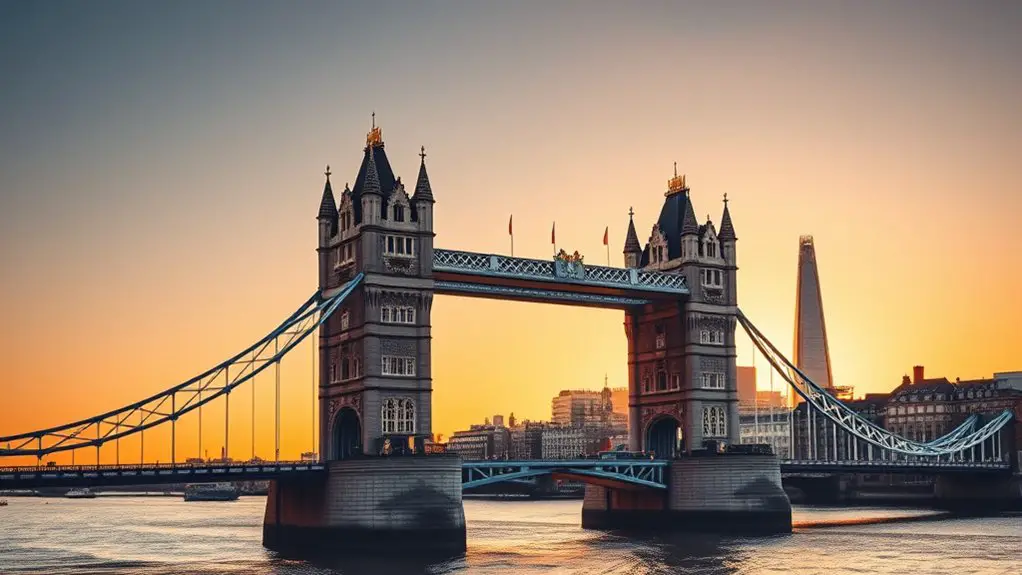
When you visit London, its famous landmarks give you some of the easiest places to build a recognizable photo collection. Instead of simply walking up to each attraction, choose an angle that puts the landmark into the wider city scene.
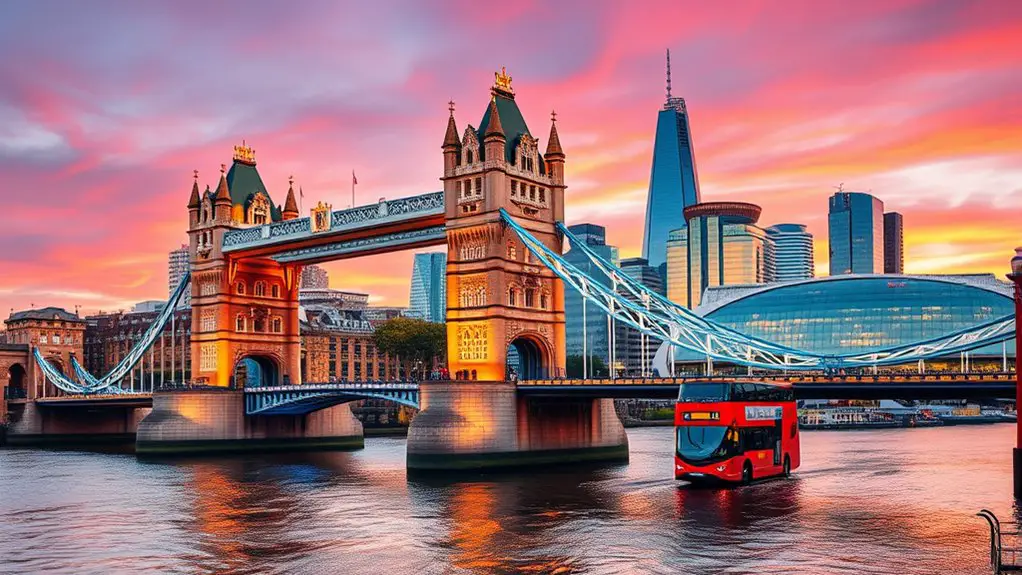
For Tower Bridge, one of the strongest viewpoints is the riverside area around More London on the south side of the Thames. From here, you can photograph the bridge with the river in front of it and move along the promenade to change the balance between the towers, skyline, boats, and reflections. The official Visit London photography guide also recommends this area for Tower Bridge views.
At Westminster, photograph the Houses of Parliament and Elizabeth Tower from the South Bank for a wider composition across the Thames. Big Ben is technically the Great Bell inside Elizabeth Tower, although the name is commonly used for the entire clock tower. Moving toward Westminster Bridge gives you several angles that can also include the London Eye.
For elevated views, the London Eye and The View from The Shard provide broad city panoramas, but both are ticketed attractions. The Shard itself is also a dramatic subject from street level, especially when framed between older buildings south of the river.
If you want a greener skyline view, Greenwich Park gives you a classic composition looking toward the Old Royal Naval College and the modern towers beyond. The Royal Observatory and surrounding historic landscape add another layer to the shot.
Pro Tip: Sunrise is often better than sunset for famous central-London landmarks because streets and riverfront paths are usually quieter. Golden hour adds warm side light, while blue hour is ideal when you want illuminated buildings against a deep-blue sky.
Vibrant Street Art and Murals
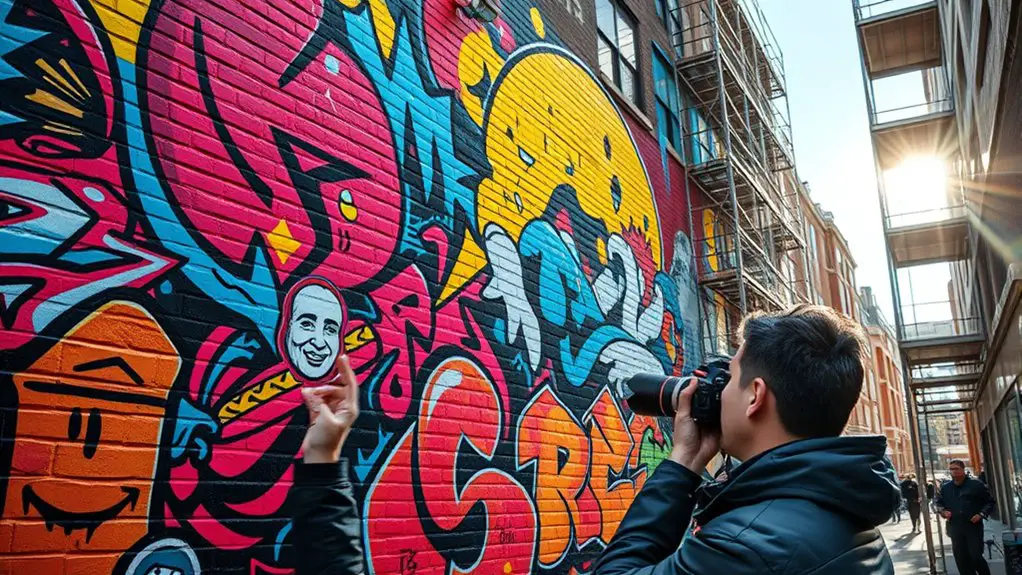
London’s street-art scene offers a sharp contrast to Westminster stonework and polished skyscrapers. It is also one of the least predictable types of photography in the city because murals can be painted over, altered, or replaced between visits.
These areas are good starting points:
- Shoreditch – Explore streets around Shoreditch and nearby Brick Lane for large murals, smaller paste-ups, shutters, signs, and constantly changing work.
- Camden – Camden Market and surrounding streets combine alternative shopfronts, signs, murals, crowds, and music-culture details.
- Leake Street Tunnel – The tunnel beneath the railway near Waterloo is an officially managed graffiti space where painting is permitted on authorized walls.
- Brick Lane – The road and surrounding side streets offer a mix of street art, historic architecture, markets, restaurants, and East London street scenes.
At Leake Street Tunnel, the official rules specifically permit graffiti and street art on designated tunnel walls. Members of the public are also encouraged to take ordinary photos and videos. Organized, commercial, or facilitated shoots require prior authorization, so check the current Leake Street Tunnel rules if your visit is more than casual photography.
Note: Street art changes quickly. Treat individual murals as temporary rather than planning a trip around a specific artwork you saw online months earlier.
Charming Hidden Gardens and Parks
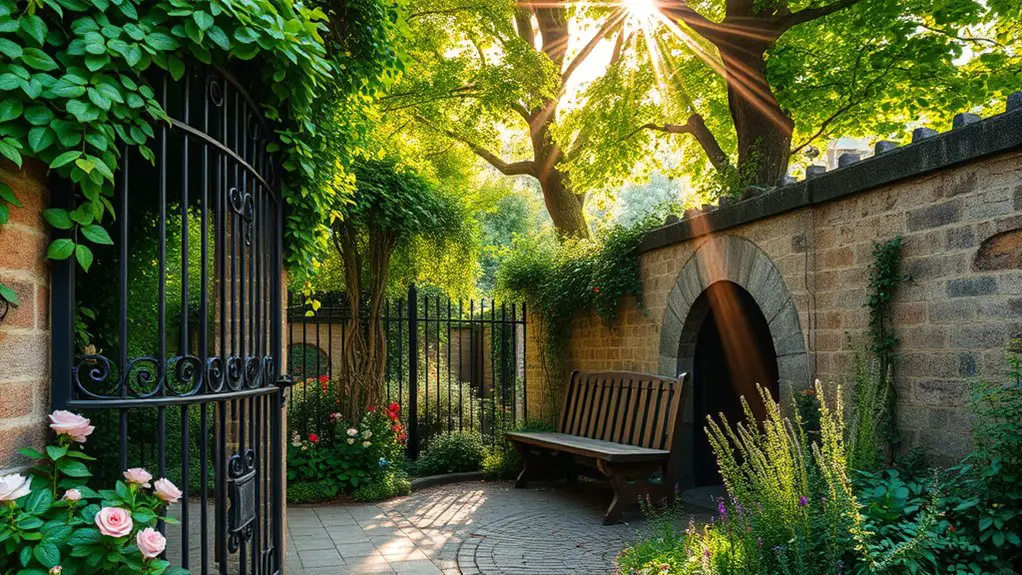
If you want a calmer background than London’s busiest streets, smaller gardens and parks provide greenery, flowers, paths, water, and architectural details without relying on a famous skyline.
Kyoto Garden in Holland Park is one of the strongest choices. The Japanese-style garden includes carefully arranged planting, water, rocks, bridges, and seasonal color. The Royal Borough of Kensington and Chelsea confirms that the Kyoto Garden is part of Holland Park, which currently opens from 7:30am until dusk. Check the Holland Park information page before a visit because closing time varies with daylight.
Postman’s Park, near St Paul’s, offers a different mood. Its paths, mature greenery, benches and Watts Memorial create intimate compositions that work well for detail photography as well as wider garden scenes.
You can also combine architecture and greenery at St Dunstan-in-the-East, where the remains of a historic church sit within a City garden. It works especially well when soft light filters through the stone openings and foliage.
For flower photography, remember that London gardens change dramatically with the season. Blossoms, roses, autumn foliage and bare winter branches can make the same location look completely different from one trip to another.
Unique Architectural Gems
London’s architecture moves from Victorian ironwork to glass towers within just a few streets. These five locations give you distinctly different backgrounds:
- The Shard – The 309.6-metre glass tower creates sharp reflections and converging lines. Try photographing it from surrounding streets as well as from the Thames.
- Leadenhall Market – Its ornate Victorian roof, painted details and repeating arches work well for symmetrical compositions and leading lines.
- Blavatnik Building at Tate Modern – The brick extension, formerly widely known as the Switch House, contrasts with the older industrial form of the former Bankside Power Station.
- The Gherkin – Its curved form and diagonal lattice make it easy to recognize even when only part of the building appears between neighboring streets.
- The Garden at 120 – This public rooftop garden gives you a high-level view of surrounding City towers without needing a paid observation deck.
The City of London describes The Garden at 120 as a free public rooftop space with broad 360-degree views. No booking is normally required unless you are visiting with a group of 12 or more. Check the official Garden at 120 page for current access information.
Another option is Sky Garden at 20 Fenchurch Street. Public access is free during designated visitor periods, although advance booking is recommended. Personal handheld photography is generally allowed, but tripods, flash, and specialist photographic equipment are restricted under the venue’s current rules.
Trendy Markets and Colorful Streets
London’s markets add people, food, signs, flowers, vintage displays and shopfronts to your photos. They are best treated as working public spaces rather than outdoor photo studios, especially during busy trading periods.
Street art walls and narrow side streets add another layer. Look beyond the obvious wide shots and photograph details such as tiled shopfronts, hanging signs, flower displays, painted shutters and reflections in windows.
Vibrant Market Atmospheres
Four markets offer particularly varied photo opportunities:
- Borough Market – Photograph food displays, historic market structures and the surrounding railway arches.
- Camden Market – Look for eclectic storefronts, canal-side scenes, signs, food stalls, crowds and alternative fashion.
- Columbia Road Flower Market – On Sundays, the street fills with flowers, plants, shopfronts and tightly packed displays of color.
- Brick Lane Market – Sunday trading adds vintage goods, food, fashion and street activity to an area already known for murals and distinctive architecture.
The London Borough of Tower Hamlets currently lists Columbia Road Flower Market for Sundays from 8am to 2pm, but market schedules can change, so check official information shortly before your visit.
At Borough Market, personal photography is welcomed, but visitors are asked not to obstruct busy areas and to check with stallholders before photographing their outlets. Professional and commercial shoots require permission under the market’s photography policy.
Iconic Street Art Walls
Shoreditch and Camden provide bold urban backgrounds, but the strongest photographs often come from mixing the artwork with the surrounding street rather than filling the entire frame with a mural.
In Shoreditch, experiment with doorways, bicycles, brickwork and pedestrians to add scale. Around Camden, colorful shopfronts and signs can work alongside murals and market scenes.
Street art is a living part of the city rather than a permanent exhibition, so expect paintings to change. That unpredictability is part of what makes these areas useful for repeat visits.
Hidden Colorful Alleyways
Smaller courtyards and side streets are useful when you want color without the scale of a landmark.
- Neal’s Yard – A compact courtyard known for brightly painted façades, signs, plants, shops and cafés.
- Carnaby’s Kingly Court – A multi-level courtyard where architecture, lighting, signs and restaurant activity can create energetic compositions.
- Leadenhall Market’s side passages – These give you ornate Victorian details with tighter perspectives than the main market avenue.
- Columbia Road’s backstreets – Terraced buildings, independent shopfronts and plants extend the visual character beyond the flower stalls themselves.
These smaller spaces can become crowded quickly. A phone or small handheld camera is usually easier to use than a large setup when pedestrian space is limited.
Scenic River Views and Bridges
The Thames links many of London’s strongest Instagram locations, making the riverfront one of the easiest places to photograph several landmarks in a single walk.
For Tower Bridge, work along the south bank near More London and City Hall. For Parliament, photograph across the river from the South Bank. At Millennium Bridge, line up the pedestrian bridge with St Paul’s Cathedral for one of the city’s best-known architectural perspectives.
The river is particularly effective around golden hour and blue hour, when reflections add color and illuminated buildings begin to stand out. A calm stretch of water can create clean reflections, while moving boats add energy and scale.
South Bank is also useful for photographing the London Eye, bridges, performers, river traffic and skyline details without committing to a single attraction.
Best Free Instagram Spots in London
You do not need to buy observation-deck tickets to build a varied London photo collection. Several of the city’s strongest viewpoints and street locations have no general admission charge.
- South Bank: Parliament, Elizabeth Tower, London Eye and Thames views.
- More London: One of the easiest public viewpoints for Tower Bridge.
- Millennium Bridge: Strong sightlines toward St Paul’s Cathedral.
- Leake Street Tunnel: Constantly changing graffiti and urban textures.
- Kyoto Garden and Holland Park: Landscaped greenery and seasonal details.
- Postman’s Park: A compact historic garden close to St Paul’s.
- Leadenhall Market: Victorian architecture and covered passages.
- The Garden at 120: Free rooftop views across the City.
- Neal’s Yard: Bright façades and a compact courtyard composition.
Sky Garden also provides free public access during its designated visitor periods, although an advance reservation is recommended and entry is subject to the venue’s current rules and availability.
Best Time for London Instagram Photos
The best light depends on the location rather than one universal time.
- Sunrise: Best for Westminster, Tower Bridge and other heavily visited landmarks when you want fewer people in the frame.
- Golden hour: Useful for warm skyline, bridge and river photographs.
- Blue hour: Excellent for illuminated buildings, traffic trails and reflected city lights.
- Overcast days: Often ideal for portraits, gardens and street art because cloud cover reduces harsh shadows.
- After rain: Wet paving can add useful reflections around markets, streets and illuminated buildings.
Check opening hours separately for gardens, markets and rooftop viewpoints. Sunrise may be perfect for the South Bank but useless for a gated garden that has not opened yet.
A Simple One-Day London Photo Route
For a classic first-day route, begin around Westminster and the South Bank, walk east toward Millennium Bridge, continue to Borough Market and Tower Bridge, then cross toward the City for Leadenhall Market and The Garden at 120. It is a long photography day, so use the Tube or bus between sections if you want more time at each stop.
For a more colorful route, combine Neal’s Yard, Camden, Shoreditch and Brick Lane. On a Sunday, Columbia Road Flower Market can be added to the East London part of the day.
Photography Rules, Permissions and Safety
For ordinary street photography, the Metropolitan Police states that members of the public and media do not need a permit simply to photograph or film in public places. You still need to avoid obstruction, harassment and unlawful behavior, and privately managed property can apply its own conditions. See the Met’s photography advice for current guidance.
Note: A public-looking location is not always public property. Markets, rooftop gardens, shopping areas, cafés and privately managed courtyards may have separate rules for tripods, lighting, commercial shoots and organized photography.
Warning: UK drone rules changed on January 1, 2026. Under current CAA rules, anyone flying a drone weighing 100g or more generally needs a Flyer ID, and an Operator ID is required for drones of 100g or more that have a camera. Open-category flights are subject to rules including the 120m (400ft) height limit, restrictions around crowds, and current airspace restrictions. Always check the CAA Drone Code and current airspace information before flying.
Central London also requires common-sense equipment security. The Metropolitan Police advises visitors to keep phones, cameras and laptops close and to stay alert to pickpockets and phone theft. When composing a photograph near a road, avoid standing with an unlocked phone extended toward passing traffic for longer than necessary.
Pro Tip: Before leaving a location, step away from the main viewpoint and look back. Side streets, reflections, arches, foreground objects and partial landmark views often produce more distinctive photos than the exact composition everyone takes from the busiest spot.
Frequently Asked Questions
What Is the Best Time of Day for Instagram Photos in London?
Sunrise is excellent for major landmarks because streets are usually quieter, while the golden hour before sunset adds warm light to bridges and skyline views. Blue hour is better for illuminated buildings. Overcast weather can also be ideal for portraits, street art and gardens because it produces softer shadows.
Are There Any Instagram Spots in London That Are Free to Access?
Yes. Strong free options include the South Bank, More London, Millennium Bridge, Leake Street Tunnel, Neal’s Yard, Leadenhall Market, Postman’s Park, Holland Park and The Garden at 120. Sky Garden also has free public visiting periods, although booking is recommended and venue rules apply.
Can I Use Drones for Photography at Instagram Spots in London?
Only when the flight complies with current UK drone and airspace rules. From January 1, 2026, a Flyer ID is generally required for drones weighing 100g or more, while camera-equipped drones of 100g or more generally require an Operator ID. You must also follow height, crowd, distance and restricted-airspace rules and may need permission to use private land for take-off or landing. Check the CAA Drone Code before every flight rather than assuming a landmark is legal to fly around.
Are There Any Pet-Friendly Instagram Locations in London?
Yes. Hampstead Heath is a good outdoor choice for photos with a dog, provided you follow its dog-control rules. Dogs are also welcome in much of Regent’s Park, although several formal gardens have restrictions. Do not assume cafés such as Sketch or The Attendant currently admit pets simply because an older recommendation says they do; check the individual venue’s latest policy before visiting.
Which London Neighborhoods Are Safest for Solo Instagram Photography?
There is no reliable reason to label all of East London or South Kensington as uniformly among London’s safest areas. Conditions can vary by street and time of day. For solo photography, favor busy, well-lit routes, stay aware of your surroundings, keep your phone and camera secure, and avoid becoming so focused on the screen that you lose track of traffic or people around you.
Do I Need Permission to Take Photos in London?
Ordinary personal photography in public places generally does not require a permit. Privately managed spaces can set their own conditions, however, and commercial or organized shoots may require advance approval. Markets, rooftop attractions, galleries and shopping developments are good examples of places where you should check the property’s photography policy.
Which London Photo Spots Need Advance Booking?
Public streets, parks and river viewpoints normally do not need reservations, but ticketed attractions such as the London Eye and The View from The Shard do. Sky Garden recommends advance booking for its free public visits. The Garden at 120 normally requires no booking for ordinary visitors, although larger groups have separate arrangements.
Conclusion
The best Instagram spots in London are not limited to famous landmarks. Tower Bridge, Parliament and the London Eye give you classic city images, while Shoreditch, Leake Street, Camden and Brick Lane provide a rougher urban style. Kyoto Garden and Postman’s Park add greenery, and Leadenhall Market, Tate Modern, The Shard and The Garden at 120 show how varied London’s architecture can be.
Plan around light, crowds and access rules rather than trying to photograph every location at midday. Arrive early at major landmarks, respect traders and other visitors, protect your phone and camera in busy areas, and check current venue or drone rules before your trip. Those small decisions will do more for your photos than simply collecting a longer list of places.
Sources
- Visit London — Best London Photo Spots — supports recommended landmark viewpoints including Parliament, Tower Bridge, Millennium Bridge, Leake Street and Greenwich.
- Royal Borough of Kensington and Chelsea — Holland Park — verifies Kyoto Garden’s location and current park access information.
- City of London — The Garden at 120 — verifies the free rooftop garden, public access and panoramic views.
- UK Civil Aviation Authority — Drone and Model Aircraft Code — supports current UK drone registration, safety and flight-rule guidance.
- Metropolitan Police — Photography Advice — supports guidance on photography and filming in public places.
- Borough Market — Filming and Photography — supports personal-photography etiquette and commercial-shoot permission requirements.
