

Last Updated on September 10, 2026 by Daniel Globe
Searching for hiking trails near you is easier when you look beyond the closest pin on a map. The best local hike is one that matches your time, fitness, weather, trail conditions, and access needs. With a few reliable trail-finding tools and a quick safety check, you can turn a nearby park, greenway, forest, or mountain trail into a well-planned outdoor day.
Quick Answer
To find hiking trails near you, search official park and public-land websites first, then compare route distance, elevation gain, surface, difficulty, recent conditions, parking, permits, pet rules, and accessibility. Save a map before leaving, check the weather and alerts, pack the essentials, and choose a trail that fits your experience.
Key Takeaways
- Use official land-manager pages to confirm trail status, parking, fees, permits, pet rules, and closures before you go.
- Choose a route by more than mileage: elevation gain, trail surface, exposure, navigation, and weather can change the real difficulty.
- Carry the Ten Essentials for hikes where an unexpected delay, injury, or weather change could leave you out longer than planned.
- Hydration needs vary by temperature, humidity, elevation, effort, and the individual; follow local guidance instead of using one universal water rule.
- Protect trails by staying on established routes, packing out waste, respecting wildlife, and yielding appropriately to other users.
At a Glance
| Time Required | About 10–20 minutes to research and verify a local day hike before travel |
| Difficulty | Easy planning task; the hike itself can range from accessible paved paths to strenuous mountain routes |
| Tools Needed | Phone or computer, official trail map, weather forecast, and an offline or paper navigation backup |
| Cost | Trail research is usually free; parking, entrance fees, reservations, or permits may cost extra |
Disclosure: As an Amazon Associate I earn from qualifying purchases. Some links on this page are affiliate links, at no extra cost to you.
Benefits of Hiking for Physical and Mental Health
Physical Health Benefits
Hiking is a form of physical activity, so it can contribute to the same broad health benefits associated with regular movement. The Centers for Disease Control and Prevention notes that regular physical activity can support heart health, reduce the risk of type 2 diabetes, improve bone health, help with weight management, and improve balance. Hiking on varied terrain can also challenge the legs and core more than a flat indoor walk.
For general health, U.S. guidance recommends that adults work toward at least 150 minutes of moderate-intensity activity each week, plus muscle-strengthening activity on two days.
Mental Health Benefits
Physical activity can reduce short-term feelings of anxiety and lower the long-term risk of depression. Nature exposure may add another benefit. A 2024 meta-analysis indexed by the National Library of Medicine found that nature exposure was associated with improved mental-health outcomes in adults with symptoms of mental illness. That does not mean hiking is a treatment for anxiety, depression, or other conditions, but it can be one healthy part of an active routine.
Emotional Well-being
The steady rhythm of walking, time away from screens, and attention to natural sights and sounds can make a hike feel restorative. Some people use an easy local trail as quiet time; others enjoy the social side of hiking with friends, family, or a group. The best approach is the one that feels safe, enjoyable, and sustainable for you.
Note: This article provides general outdoor-safety and wellness information, not medical advice. If you have a chronic condition, have been inactive, or are unsure whether strenuous hiking is appropriate for you, ask a qualified health professional about a suitable activity level.
Popular Types of Hiking Trails in the Local Area

The exact “top” trails near you depend on your location, so a generic article should not pretend that the same three routes are local to every reader. Instead, look for the type of trail that fits the experience you want.
- Easy park loops and nature trails: Good for beginners, families, short outings, and relaxed walks. Look for low elevation gain, clear signs, and nearby facilities.
- Greenways and rail-trails: Often flatter and easier to follow, with paved or crushed-stone surfaces that may suit strollers or some mobility devices. Check the specific accessibility details before going.
- Forest, river, and lakeside trails: Useful for shade, wildlife viewing, and photography, but mud, insects, stream crossings, or seasonal flooding can change conditions.
- Mountain and ridgeline trails: Usually more demanding because of climbing, exposure, loose footing, rapid weather changes, or limited water.
- Accessible trails: Trail access is more specific than an “easy” rating. Review grade, cross slope, width, surface, obstacles, and distance. The National Park Service accessibility program is one example of where to find detailed access information for federal parks.
How to Choose the Right Hiking Trail Near You
A short trail is not automatically easy, and a long trail is not automatically hard. Before choosing a route, compare the details that affect the real effort and risk.
| Distance and time | Check whether mileage is one-way, round trip, loop, or point-to-point. Leave enough daylight for delays and breaks. |
| Elevation gain | A steep 3-mile hike can feel much harder than a flat 5-mile walk. Review both total gain and the steepest sections. |
| Surface and exposure | Rock, roots, sand, mud, snow, stream crossings, cliffs, and full sun can raise the difficulty even when mileage is modest. |
| Navigation | Well-signed urban paths are easier to follow than remote networks with many junctions. Do not assume you will have cell service. |
| Access rules | Confirm trail hours, parking, permits, reservations, fees, dog rules, seasonal closures, and any current alerts. |
Pro Tip: For a first visit, choose a route that gives you extra margin in both time and difficulty. Finishing with energy left is better than discovering halfway through that the trail is more demanding than the rating suggested.
Tips for Hiking Safely and Responsibly
| Plan your route | Research the trail, check official alerts and weather, note a turnaround time, and tell someone your route and expected return. |
| Stay on the trail | Established routes help protect vegetation and make navigation easier. Avoid shortcutting switchbacks. |
| Bring enough water | Water needs vary. Some NPS areas advise at least 1 liter per 2 hours, while hot desert parks may advise 1 liter per hour. Follow local guidance and carry extra when heat, exposure, or scarce water sources raise the risk. |
| Wear suitable clothing | Use footwear suited to the terrain and carry layers or rain protection when conditions can change. |
| Leave No Trace | Pack out trash and food scraps, leave natural and cultural objects in place, respect wildlife, and follow local rules for waste and pets. |
The National Park Service Hike Smart guidance recommends planning ahead, carrying the Ten Essentials, bringing suitable food and water, knowing your limits, and researching the route before setting out. Conditions can change quickly, so check the land manager’s alert or conditions page as close to departure as practical.
Watch the Weather and Know When to Turn Around
Heat, thunderstorms, snow, flooding, wind, wildfire conditions, and early darkness can turn a routine hike into a serious problem. In hot weather, slow your pace, take breaks, and hike during cooler parts of the day when possible. If you feel faint or weak, stop activity and move to a cooler place.
Warning: If you hear thunder, move toward a substantial enclosed building or hard-topped vehicle when one is reachable. The National Weather Service warns that there is no completely safe place outdoors during a thunderstorm. On exposed terrain, do not wait for rain to begin before changing your plan.
Respect Wildlife and Other Trail Users
Observe wildlife from a safe distance and never feed, touch, or follow animals. Required distances differ by park and species, so follow posted rules. On shared trails, downhill hikers generally yield to uphill hikers, and hikers yield to horses or other pack stock. The National Park Service hiking etiquette guide also recommends staying on the trail and giving wildlife space.
Responsible hiking also means following the Leave No Trace Seven Principles: plan ahead, travel on durable surfaces, dispose of waste properly, leave what you find, minimize campfire impacts, respect wildlife, and be considerate of other visitors.
Have an Emergency Plan
Before a remote hike, share your route, trailhead, vehicle information, and expected return time with someone who is not on the trip. Carry a map that works without cell service, keep enough battery for navigation and emergency calls, and know where you would turn around if conditions worsen. In an emergency, call 911 when service is available and follow ranger or local emergency instructions.
Gear and Equipment Needed for Hiking
The right gear depends on the trail, season, remoteness, and length of the outing. A short paved nature walk may require little more than comfortable footwear, water, sun protection, and weather-appropriate clothing. A longer or remote hike deserves a more complete safety kit.
The Ten Essentials
The National Park Service treats the Ten Essentials as a baseline for outdoor preparedness:
- Navigation: Map, compass, GPS, or another reliable way to stay on route.
- Sun protection: Sunscreen, sunglasses, and a hat as conditions require.
- Insulation: Extra layers and rain protection appropriate for the season.
- Illumination: A headlamp or flashlight with adequate power.
- First aid: A stocked first-aid kit and the knowledge to use it.
- Fire: Fire-starting supplies where lawful and appropriate.
- Repair kit and tools: Items suitable for your equipment and trip.
- Food: Enough nutrition for the hike plus an emergency buffer on longer outings.
- Hydration: Water plus treatment supplies if you may need to use a natural water source.
- Emergency shelter: An emergency bivy, space blanket, tarp, or other suitable shelter for the conditions.
A comfortable backpack makes these items easier to carry. Footwear should fit well and match the surface: many maintained day hikes can be done in supportive trail shoes, while rocky, muddy, snowy, or heavily loaded trips may justify more protective footwear. Trekking poles are optional but can improve balance on uneven ground and help some hikers feel more stable on climbs and descents.
Note: Never assume a clear-looking stream or lake is safe to drink from. If your plan depends on natural water, carry an appropriate treatment method and check local guidance before the trip.
Best Times of Year to Hike in the Local Area
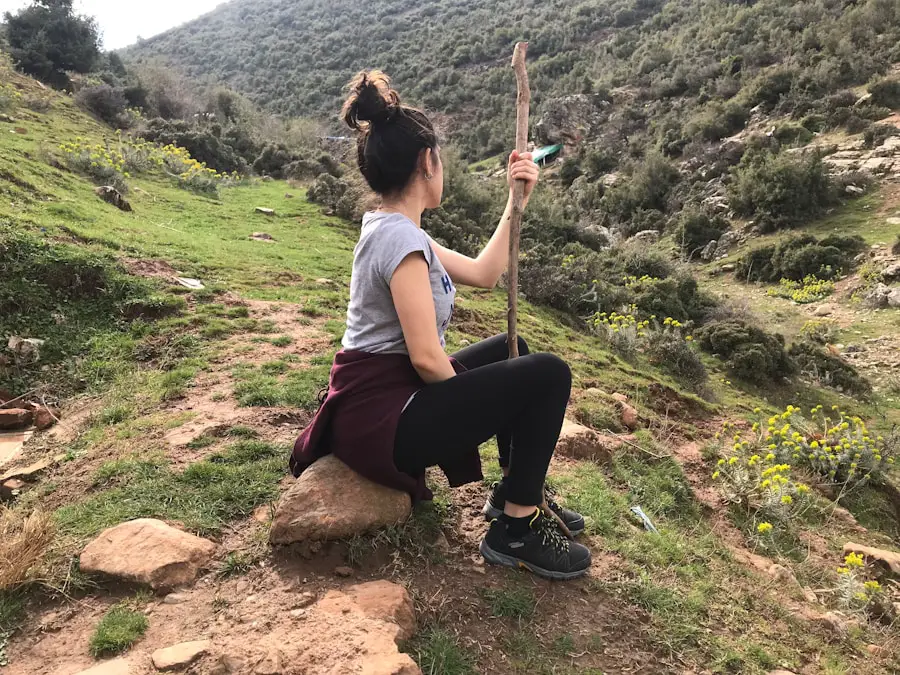
There is no single best hiking season for every location. Elevation, latitude, heat, humidity, snowpack, wildfire risk, monsoon patterns, daylight, and local closures all matter. A comfortable spring day in one region may still mean deep snow at higher elevations or dangerous heat in a desert.
Spring
Spring can bring mild temperatures, wildflowers, and lower heat stress, but it can also bring mud, swollen streams, lingering snow, ticks, and unstable weather. Check current trail conditions instead of assuming a route is fully open.
Summer
Long daylight hours make summer convenient, but heat and thunderstorms can be major hazards. Start early when local guidance recommends it, carry enough water for the conditions, use sun protection, and know your turnaround time. In high mountains, afternoon storms can make exposed ridges especially risky.
Fall
Cooler temperatures and changing foliage can make fall comfortable for hiking. Days also get shorter, fallen leaves can hide roots and rocks, and hunting seasons may affect some public lands. Check local rules and consider visible clothing where recommended.
Winter
Winter hiking can be quiet and scenic, but snow, ice, cold, avalanche terrain, road closures, and short daylight increase the planning required. Do not treat a familiar summer trail as the same trip in winter. Check the land manager’s winter access information and carry traction, insulation, or specialized equipment when conditions require it.
How to Find and Access Hiking Trails Near Me
Finding nearby trails is a two-part job: discover possible routes, then verify the one you plan to hike with the agency or organization that manages the land.
1. Start With Official Public-Land Resources
For U.S. national parks, the National Park Service trail finder and NPS app can help you find hiking opportunities. Recreation.gov can also help you explore federal recreation destinations and identify places where reservations or permits may be involved. State, county, and city park departments are often the best source for smaller local trail systems.
2. Use Trail Apps to Compare Options
AllTrails, Hiking Project, and TrailLink can help you compare maps, distance, difficulty, surface, photos, and user reports. These tools are useful for discovery, but recent comments and crowd-sourced details should not replace official closure, permit, fire, or safety information.
3. Match the Trail to Your Needs
Filter or compare routes by distance, elevation gain, surface, route type, shade, scenery, accessibility, dog rules, and estimated time. Beginners should favor well-marked routes with a comfortable distance and a clear turnaround option.
4. Verify Access With the Land Manager
Before leaving, confirm parking hours, entrance or parking fees, reservations, permits, trail closures, construction, fire restrictions, weather impacts, pet rules, and seasonal access. The NPS Trip Planning Guide specifically recommends checking regulations, permits, reservations, closures, weather, and backup plans before a park trip.
5. Save Navigation Before You Lose Service
Download an offline map when the app supports it and carry a paper map or other backup for remote routes. Confirm the correct trailhead and parking area before driving; navigation apps can sometimes route vehicles to a road or access point that is not open to the public.
6. Share Your Plan and Keep a Backup Option
Tell someone where you are going and when you expect to return. If the parking lot is full, the weather worsens, or the trail is closed, switch to a shorter or lower-risk backup rather than forcing the original plan.
Pro Tip: Use community trail apps to discover routes, but let the official land manager be the final word on access, closures, permits, fire restrictions, and safety notices.
Conclusion and Final Recommendations for Hiking Trails
Local hiking trails can provide an easy way to spend more time outdoors, stay active, and discover places you might otherwise pass by. The best trail is not necessarily the highest-rated or most dramatic one. It is the route that fits your abilities, available time, weather, access needs, and current conditions.
Start with a manageable route, verify it with the land manager, carry the gear the conditions demand, and be willing to turn around when something does not feel right. As your experience grows, you can gradually choose longer, steeper, or more remote hikes while keeping the same planning habits.
If your outing is a paved park walk or family travel day with young children rather than a rugged backcountry hike, the existing guide to 5 Best Double Travel Strollers for Spring Adventures 2025 may help with family travel gear. For narrow, rocky, steep, or wilderness trails, check the land manager’s stroller and accessibility guidance before bringing wheeled equipment.
Love travel? Join Our Facebook Community
Frequently Asked Questions
What are some popular hiking trails near me?
The answer changes with your location. Search by city, ZIP code, park, or current location using an official parks website, Recreation.gov, or a trail app. Then compare distance, elevation gain, surface, recent conditions, and reviews, and verify the final route with the land manager.
How can I find hiking trails near me?
Start with National Park Service, Recreation.gov, and your state, county, or city parks department. AllTrails, Hiking Project, and TrailLink are also useful for discovering routes and comparing trail details. Always check the official land-manager page for closures, parking, permits, fees, pet rules, and current alerts.
What should I bring with me when hiking?
Bring water, food, navigation, sun protection, weather-appropriate layers, illumination, first aid, repair tools, emergency shelter, and other items required by the route. For short developed trails you may need less, while remote hikes justify carrying the full Ten Essentials and a larger safety margin.
Are there any hiking groups or clubs near me?
Many areas have hiking clubs, park volunteer groups, outdoor-store outings, Meetup groups, and local social communities. Look for groups that publish route details, pace, distance, expected fitness level, weather policies, and leader contact information before joining a hike.
What are some safety tips for hiking?
Check the weather and trail status, tell someone your plan, carry navigation and the supplies the route requires, stay on established trails, keep your distance from wildlife, and turn around if weather, daylight, water, injury, or fatigue makes continuing unsafe.
How much water should I carry on a hike?
There is no single amount that works for every hike. Needs change with heat, humidity, elevation, effort, duration, body size, and access to safe water. Some National Park Service areas use at least 1 liter per 2 hours as a baseline, while hot desert parks may advise 1 liter per hour. Follow local guidance and carry a safety margin.
Can I rely on my phone for hiking navigation?
A phone is useful, but it should not be your only plan on remote trails. Cell service can disappear and batteries can fail. Download maps before leaving service, conserve battery, and carry a paper map, compass, GPS device, or another backup that matches the route and your navigation skills.
Are dogs, strollers, or wheelchairs allowed on hiking trails?
Rules and access vary by trail. Check the official page for pet restrictions and leash rules. For strollers or mobility devices, review the surface, width, grade, cross slope, steps, obstacles, and current conditions instead of relying only on an “easy” rating.
Sources
- CDC — Health Benefits of Physical Activity for Adults — supports the physical and mental health claims related to regular activity.
- National Library of Medicine — Meta-analysis on nature exposure and mental health — supports cautious statements about nature exposure and mental well-being.
- National Park Service — Hike Smart — supports route planning, Ten Essentials, food, water, and hiking safety guidance.
- National Park Service — Trip Planning Guide — supports checking permits, reservations, regulations, closures, and backup plans.
- National Weather Service — Lightning Safety — supports thunderstorm and lightning precautions.
- Leave No Trace — Seven Principles — supports low-impact hiking and trail stewardship guidance.

