
Last Updated on July 27, 2026 by Daniel Globe
New Mexico gives hikers an unusually wide choice of places to stay, from high-alpine resorts near Taos to hot-spring retreats beside the Gila Wilderness. The best base depends less on finding a property labeled a “hiking lodge” and more on matching your lodging to the trails, elevation, driving time, and level of remoteness you want. The state has far more hiking than a single statewide mileage figure can capture; the Gila National Forest alone lists more than 1,600 miles of trails.
Quick Answer
Santa Fe and Taos are the best all-around bases for New Mexico hiking because they combine good lodging, restaurants, and access to mountain trails. Choose the Gila for remote wilderness, Jemez Springs for hiking plus hot springs, and Taos Ski Valley or Angel Fire when high-country trails are your main priority.
Key Takeaways
- Santa Fe is the easiest choice for hikers who also want dining, culture, spas, and a broad range of lodging.
- Taos and Taos Ski Valley are better for high-elevation hiking and easy access to the Sangre de Cristo Mountains.
- The Gila is the strongest option for true wilderness, but it requires more self-reliance, longer drives, and careful trip planning.
- Jemez Springs works especially well for travelers who want hiking, volcanic scenery, and a post-hike mineral soak.
- Always verify current trail, fire, weather, road, and reservation conditions before booking around one specific hike.
Disclosure: As an Amazon Associate I earn from qualifying purchases. Some links on this page are affiliate links, at no extra cost to you.
Best Places to Stay in New Mexico for Hiking at a Glance
| Area | Best For | Verified Stay Examples | Main Advantage |
| Santa Fe | First-time visitors, mixed hiking and culture | Ten Thousand Waves, Bishop’s Lodge | Easy access to foothill and mountain hiking without giving up city amenities |
| Taos / Taos Ski Valley | High-alpine hiking and mountain scenery | El Monte Sagrado, The Blake | Strong access to Carson National Forest and the Sangre de Cristo high country |
| Gila | Remote wilderness and multi-day hiking | Gila Hot Springs Ranch, Wilderness Lodge & Hot Springs | Large trail network, wilderness character, and proximity to Gila Cliff Dwellings |
| Jemez Springs | Hot springs plus day hiking | Jemez Hot Springs cottages, Cañon del Rio | Convenient base for Valles Caldera, Bandelier-area outings, and Jemez trails |
| Angel Fire / Sangre de Cristo Mountains | Mountain-resort stay and family outdoor activities | The Lodge at Angel Fire Resort, Coyote Creek State Park cabins | Cooler mountain setting with hiking and other outdoor recreation nearby |
Top Hiking Lodges in the Santa Fe Area
Santa Fe is one of the easiest places to stay for a New Mexico hiking trip because you can reach foothill trails, national-forest terrain, restaurants, museums, and comfortable lodging without moving hotels every night. The Ten Thousand Waves Houses of the Moon are especially appealing for hikers who want a quiet retreat and a soak after the trail. The property says its lodging sits among about 20 acres of piñon and juniper, and staff can provide hiking recommendations.
For a full-service luxury option, Bishop’s Lodge occupies 317 secluded acres at the edge of the Sangre de Cristo Mountains and borders national-forest land. Its current offerings include outdoor experiences such as scenic hiking, making it a stronger hiking-oriented resort choice than a conventional downtown hotel.
Travelers who prefer public trails can also use Santa Fe as a base for the Dale Ball Trails. The Santa Fe Conservation Trust lists 24.4 miles in the network, with routes suitable for both newer and more experienced hikers.
Pro Tip: Choose a Santa Fe hotel for flexibility rather than assuming your room will sit directly at a trailhead. Having a car makes it much easier to change hiking plans when weather, wildfire restrictions, or trail conditions affect one part of the mountains.
Best Hiking Lodges in the Taos Area
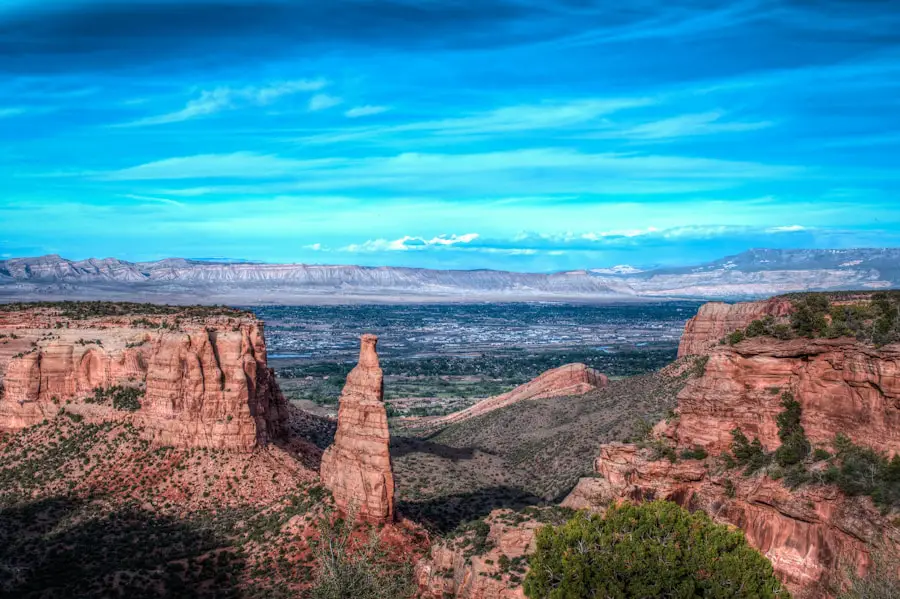
Taos works well for hikers who want both mountain access and a lively town base. El Monte Sagrado Living Resort & Spa remains a verified luxury option in Taos, with rooms, suites, casitas, a spa, and resort amenities. It is better viewed as a comfortable town base from which you drive to trailheads rather than as a trailside lodge.
For hikers who want to wake up much closer to the high country, The Blake at Taos Ski Valley is a stronger current choice. Its official listing describes an 80-room alpine hotel adjacent to Lift 1 and specifically positions it for skiing and hiking adventures.
Note: Older New Mexico lodging lists may still mention Taos Mountain Lodge. Village records were calling it the former Taos Mountain Lodge by 2019, so it should not be used as a current booking recommendation.
Taos also gives hikers access to the Rio Grande Gorge area. The Bureau of Land Management lists hiking and backpacking among the recreation opportunities along the Rio Grande Wild and Scenic River, although winter conditions can become severe.
Hiking Lodges in the Gila National Forest
The Gila is the best choice on this list for travelers who value wilderness over convenience. The Gila National Forest reports more than 1,600 miles of trails across a vast landscape that includes three designated wilderness areas.
The Gila National Forest alone lists more than 1,600 miles of trails, making this region one of New Mexico’s strongest choices for hikers who want a true wilderness-focused trip.
| Lodging | Location / Style | What Hikers Should Know |
| Gila Hot Springs Ranch | Gila Hot Springs; apartment-style accommodations | Current lodging information describes two downstairs units and one upstairs unit, plus access to the ranch’s wilderness-oriented services and hot springs. |
| The Wilderness Lodge & Hot Springs | Gila Hot Springs; group lodge | The property currently rents the entire lodge rather than individual rooms, making it best for hiking groups, reunions, or several friends traveling together. |
| Bear Creek Motel & Cabins | Pinos Altos, north of Silver City; wooded cabins | A useful option for travelers who prefer to stay closer to Silver City services while driving to Gila-area hikes. |
The Gila Cliff Dwellings are an excellent shorter outing during a Gila stay. The National Park Service describes the main route as a moderately strenuous one-mile unpaved loop with about 180 feet of climbing and descending.
Warning: Do not treat the Gila like a city-adjacent trail system. The National Park Service warns that cell phones do not work in the Gila Cliff Dwellings region, water availability can vary, and wilderness trails may not always be obvious or consistently signed. Carry navigation, water, weather protection, and the other essentials needed to be self-reliant.
Unique Hiking Lodges in the Jemez Mountains
The Jemez Mountains combine volcanic scenery, forest trails, historic sites, and hot springs. For travelers who want to sleep near the springs, Jemez Hot Springs offers cottages and other overnight accommodations. Its current lodging information says a soak during business hours is included with a stay.
Another verified option is Cañon del Rio, which the Village of Jemez Springs lists among its hotels and inns. Staying in the village gives hikers a practical base for exploring nearby trails as well as Valles Caldera National Preserve and other sites along the Highway 4 corridor.
The Jemez Springs Bath House is worth knowing about, but it should not be described as a lodge. It is a Village-owned facility offering private mineral baths, wraps, and massage. Likewise, Los Ojos Restaurant & Saloon is a restaurant, bar, and entertainment venue rather than an accommodation.
For hiking, Valles Caldera National Preserve offers everything from easier walks to steeper routes. The National Park Service cautions that many routes follow old roads and that some backcountry intersections can be confusing, so a map and reliable navigation are important.
Warning: Kasha-Katuwe Tent Rocks National Monument now uses controlled entry. Do not plan a spontaneous visit based on old guidebooks. Check current Bureau of Land Management and Cochiti Pueblo access requirements and secure the required reservations before driving to the monument.
Hiking Lodges in the Carson National Forest
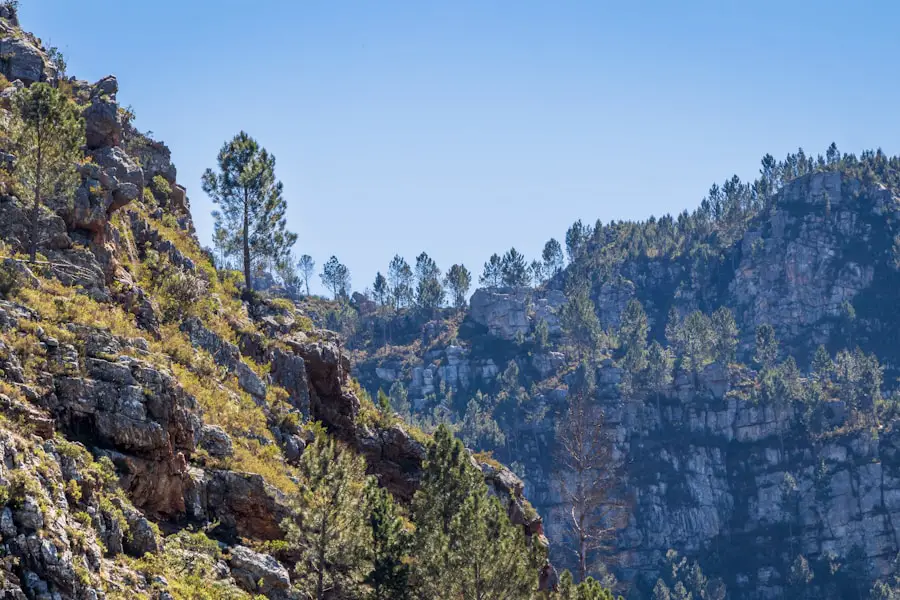
Carson National Forest covers much of the mountain country around Taos, so the best lodging choice depends on which side of the forest you plan to hike. Travelers who want restaurants, galleries, and a wider choice of services can stay in town at El Pueblo Lodge. The property presents itself as a Taos base for visitors heading into the Sangre de Cristo Mountains and the Wheeler Peak area.
El Pueblo Lodge should not, however, be treated as a trailhead hotel. You will still drive from Taos to most national-forest hikes. For a trip centered on the higher trails around Taos Ski Valley, staying in the ski valley—such as at The Blake or another current Taos Ski Valley property—reduces the amount of mountain-road driving before and after a hike.
The Carson is especially appealing to hikers who want high-country terrain in warmer months and snow-based recreation in winter. Because conditions change sharply with elevation, check current Forest Service alerts and weather before choosing a trail solely from its distance or elevation profile.
Hiking Lodges in the Sangre de Cristo Mountains
The Sangre de Cristo Mountains form the high backbone behind many of northern New Mexico’s best-known hiking areas. For a resort-style stay, The Lodge at Angel Fire Resort provides a four-season mountain base with lodging, dining, and outdoor recreation.
The original idea of staying at a “Coyote Creek State Park Lodge” needs one important correction: the park now offers Coyote Creek State Park cabins, not a traditional lodge. The cabins have electricity, fireplaces, and nearby water, and reservations must be made in advance. The park itself lists only a short trail system, so choose it for a quiet mountain stay rather than expecting a major network of long hikes outside the cabin door.
Angel Fire is the stronger choice for travelers who want a developed mountain resort, while Coyote Creek is better for a slower, more secluded state-park experience.
Best Time of Year for a New Mexico Hiking Stay
New Mexico can support hiking trips in every season, but the best region changes through the year.
- Spring: Lower and mid-elevation trails can be pleasant, while snow may linger in the high mountains. Wind can also be strong.
- Summer: High-elevation destinations such as Taos Ski Valley become especially attractive, but start early and watch the forecast for afternoon thunderstorms and monsoon weather.
- Fall: Cooler temperatures make many regions comfortable, and higher mountain areas can offer excellent fall color.
- Winter: Southern and lower-elevation hikes may remain accessible, while northern mountain routes can require winter travel skills, traction, snowshoes, or other specialized preparation.
Wildfire restrictions, flash-flood risk, snow, ice, road conditions, and temporary closures can override normal seasonal patterns. Check the managing agency’s current conditions shortly before every hike.
Choosing the Best Hiking Lodge for Your New Mexico Adventure
Start with the trails rather than the hotel. Pick two or three hikes you most want to do, locate their trailheads, and then compare lodging based on realistic driving time. A beautiful resort is less useful if every hike begins an hour away on mountain roads.
Next, decide how much remoteness you actually want. Santa Fe and Taos make it easy to change plans, eat out, or buy forgotten supplies. The Gila offers a much deeper wilderness experience, but the tradeoff is limited cell service, long drives, fewer nearby services, and greater responsibility for navigation and emergency preparation.
Also consider what you want after hiking. Ten Thousand Waves and Jemez-area properties work well when soaking is part of the trip. Bishop’s Lodge and El Monte Sagrado suit travelers who want a higher level of resort service. The Blake makes more sense when proximity to Taos Ski Valley’s mountain environment matters more than being close to Taos Plaza.
Pro Tip: For a hiking-heavy trip, split your stay when the regions are far apart. A few nights around Santa Fe or Jemez followed by a separate stay in Taos or the Gila can save hours of repetitive driving.
Hikers who prefer sleeping outdoors can also compare lodge stays with camping. This site’s earlier guide to tent camping spots offers additional ideas, but always confirm present-day campground and land-management conditions before relying on older recommendations.
Frequently Asked Questions
What are the best areas in New Mexico for hiking?
The Sangre de Cristo Mountains around Santa Fe and Taos are excellent for mountain hiking, while the Gila offers a more remote wilderness experience. The Jemez Mountains are a strong choice for volcanic landscapes and hot springs. Southern New Mexico also has excellent hiking around the Organ Mountains and White Sands National Park.
What are some popular hiking trails in New Mexico?
Well-known options include hikes around Wheeler Peak and Williams Lake near Taos Ski Valley, Santa Fe’s Dale Ball network, the Gila Cliff Dwellings loop, trails in Valles Caldera, Bandelier National Monument routes, and trails around the Rio Grande Gorge. Always verify the current status and difficulty of a route before leaving.
What are the best places to stay in New Mexico for hiking?
Santa Fe is the best all-around base for a first visit, while Taos or Taos Ski Valley is better for high-alpine hiking. Choose Jemez Springs for hiking plus hot springs and the Gila Hot Springs area when wilderness access matters more than city amenities.
What types of accommodations are available for hikers in New Mexico?
Options range from luxury resorts and full-service hotels to cabins, hot-spring cottages, vacation rentals, campgrounds, and remote group lodges. The best format depends on whether you value trail proximity, restaurants, spa facilities, kitchen access, or wilderness solitude.
Are there accommodations that specifically cater to hikers in New Mexico?
Yes. Properties such as Bishop’s Lodge, Ten Thousand Waves, The Blake, Gila Hot Springs Ranch, and the Wilderness Lodge are positioned around outdoor recreation or can help guests use nearby mountain and wilderness areas. Services vary, so verify current guided-hike, shuttle, gear, and trail-advice offerings directly with the property.
Do I need a car for a New Mexico hiking trip?
For most hiking-focused trips, yes. Many trailheads are outside town centers, and public transportation does not provide practical access to every mountain or wilderness trail. A vehicle also gives you flexibility when weather or closures force a last-minute route change.
Do I need reservations to hike Kasha-Katuwe Tent Rocks?
Yes. Kasha-Katuwe Tent Rocks National Monument currently uses advance controlled entry rather than ordinary walk-up access. Check the Bureau of Land Management and Cochiti Pueblo requirements before your trip because reservation windows, closure dates, and access procedures can change.
Is White Sands still called White Sands National Monument?
No. White Sands National Monument was redesignated White Sands National Park on December 20, 2019. Older trail and travel articles may still use the former name.
Sources
- U.S. Forest Service — Gila National Forest Recreation — trail mileage, wilderness, and recreation information.
- National Park Service — Gila Cliff Dwellings National Monument — wilderness preparation, road access, cell-service limitations, and current visitor guidance.
- National Park Service — Valles Caldera Hiking — route conditions and navigation guidance.
- National Park Service — Bandelier Hiking — trail network, elevation, and hiking-safety guidance.
- Bureau of Land Management — Kasha-Katuwe Tent Rocks Access — current reservation and entry requirements.
- New Mexico State Parks — Coyote Creek Cabins — current cabin accommodations and park amenities.

