
Last Updated on July 27, 2026 by Daniel Globe
Slovenia gives hikers an unusual amount of choice in a compact area. You can sleep in a high-mountain hut below Triglav, use Bohinj or Bled as a comfortable day-hiking base, camp at an approved Alpine campsite, or stay in a sustainability-certified farm, hotel, or glamping resort. The best option depends less on luxury level than on the trails you plan to hike, your transport, and the season.
Quick Answer
For hut-to-hut hiking in Slovenia, stay in official mountain huts along your route. For day hikes, Bohinj, Kranjska Gora, Bovec, Bled, Logar Valley, and Jezersko make practical bases. Glamping and eco-certified hotels add comfort, while campers should use designated sites, especially inside Triglav National Park.
Key Takeaways
- Choose your accommodation by hiking area first: Bohinj, Kranjska Gora, Bovec, Bled, Logar Valley, and Jezersko serve very different trail networks.
- Mountain huts are the most practical choice for multi-day Alpine routes, but many are seasonal and popular beds should be booked ahead.
- Bled and Bohinj offer hotels, guesthouses, campsites, and glamping for hikers who prefer a comfortable base between day trips.
- Look for the official Slovenia Green label when sustainability is a priority rather than relying on vague “eco-friendly” marketing.
- Camping and overnight stays outside designated areas are not permitted in Triglav National Park.
Slovenia has more than 10,000 kilometres of marked hiking trails and almost 180 mountain huts and shelters, giving hikers options from gentle valley walks to demanding multi-day Alpine routes.
Disclosure: As an Amazon Associate I earn from qualifying purchases. Some links on this page are affiliate links, at no extra cost to you.
Best Hiking Areas in Slovenia and Where to Stay
The first accommodation decision should be your hiking region. Triglav National Park lies in the Julian Alps, while the Kamnik-Savinja Alps and Karavanke offer separate mountain systems with their own trailheads and villages.
| Hiking Area | Useful Bases | Best For |
|---|---|---|
| Julian Alps / Triglav National Park | Bohinj, Kranjska Gora, Mojstrana, Bovec, Soča Valley and mountain huts | High-Alpine hiking, hut-to-hut routes, waterfalls, valleys and long-distance walking |
| Bled | Bled and Ribno | Comfortable hotels, glamping and easier day trips with access toward the Julian Alps |
| Kamnik-Savinja Alps | Logar Valley, Solčava, Jezersko and Kamnik | Alpine valleys, mountain farms, traditional villages and demanding summit routes |
| Karavanke / Karawanks | Kranjska Gora, Mojstrana, Žirovnica and Jezersko | Ridge walks, panoramic day hikes and quieter alternatives to the highest Julian Alps routes |
Hikers who want a stage-based trip without sleeping in high-mountain huts can also consider the Juliana Trail. The roughly 270-kilometre route links destinations such as Kranjska Gora, Bled, Bohinj, and the Soča Valley and is designed around communities where accommodation and refreshments are available.
Traditional Mountain Huts
Traditional Slovenian mountain huts, known as koče, are one of the most useful forms of accommodation for serious hiking. They let you divide long routes into manageable stages instead of descending to a valley every evening.
The Alpine Association of Slovenia maintains the main hut directory, while Triglav National Park lists 38 mountain huts within the park. Huts may provide sleeping space, meals, drinks, route information, and basic shelter, but facilities vary greatly by location.
Do not expect a remote high-altitude hut to work like a hotel. Water, electricity, showers, waste disposal, phone coverage, and food choices may be limited because supplies are difficult to transport into the mountains.
Slovenian hut food is part of the experience. Depending on the hut and its current menu, hikers may find soups, stews, dumplings, sausage dishes, or regional specialities. Jota, a hearty bean-and-sauerkraut stew, and potica, a rolled Slovenian cake, are examples of traditional foods you may encounter in Slovenia, but menus differ from hut to hut.
Mountain huts also create a social environment. Walkers share dining areas and sleeping facilities, compare routes, and often get useful information about local conditions from hut staff and other hikers.
Pro Tip: Reserve popular high-mountain huts before a summer trip, especially for July and August weekends. Many huts are seasonal, and opening dates can change with weather, snow, staffing, and access conditions. Confirm the hut’s current status shortly before departure.
Glamping in the Slovenian Countryside
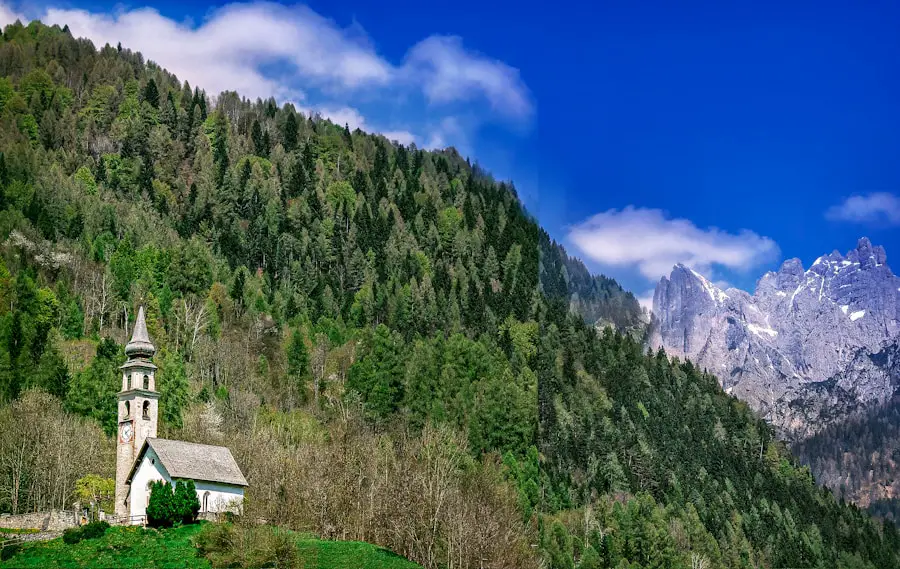
Glamping works well for hikers who want to spend the day outside without giving up a proper bed, private bathroom, heating, or other comforts. Slovenia has options ranging from furnished tents to tree houses and small wooden cabins.
Near Lake Bled, Garden Village Bled currently offers glamping tents, tree houses, pier tents, and tree tents in a nature-focused resort. Its glamping tents include modern facilities while keeping guests close to the Bled area.
Another option is Ribno Alpine Resort, a few kilometres from Lake Bled. Its current accommodation includes Alpine Hotel rooms as well as glamping and luxury glamping units. This makes it a useful base for travelers who want outdoor access but prefer more privacy and comfort than a communal mountain hut.
Glamping is best treated as a valley base rather than a replacement for a high-mountain hut. For long routes that cross remote parts of the Julian Alps, staying directly along the mountain route is normally more practical.
Eco-Friendly Lodges in the Alps
Sustainability claims are easiest to evaluate when they are tied to an independent certification. Slovenia’s national tourism program operates the Slovenia Green Scheme, which lists certified accommodation providers around the country.
| Accommodation | Location | Sustainability Evidence | Useful For |
|---|---|---|---|
| Ribno Alpine Resort | Ribno near Bled | Slovenia Green provider with established Zero Waste practices | Bled-area hiking, hotel stays and glamping |
| Hotel Plesnik | Logar Valley | Listed in the Slovenia Green accommodation program | Kamnik-Savinja Alps and a higher-comfort mountain stay |
| Šenkova domačija | Jezersko | Slovenia Green-listed farm accommodation with sustainability certification history | Farm stays, camping and hiking in the Kamnik-Savinja Alps |
| Bohinj ECO Hotel | Bohinjska Bistrica | Listed among Slovenia Green accommodation providers | Bohinj day hikes and access toward Triglav National Park |
Choosing certified accommodation does not make a hiking trip impact-free, but it provides stronger evidence than an unsupported “eco” label. Travelers can reduce their footprint further by using public transport where practical, staying multiple nights in one base, carrying out their waste, and respecting protected-area rules.
Luxury Mountain Resorts
Luxury accommodation can make sense when you want serious hiking during the day and a spa, restaurant, private room, and full-service facilities in the evening. The trade-off is that most luxury properties are in valleys or resort towns rather than directly on high mountain routes.
Grand Hotel Toplice remains one of Bled’s best-known upscale options. It sits directly beside Lake Bled and offers a thermal pool, wellness facilities, restaurants, and rooms overlooking the surrounding area.
It is better described as a luxury lakeside base for day hiking than as a remote mountain lodge. Guests can spend a day exploring Bled-area trails or travel toward Bohinj and other parts of the Julian Alps, then return to a full-service hotel.
For travelers who want a more mountainous setting, accommodation in Logar Valley, including sustainability-oriented properties such as Hotel Plesnik, places you much closer to the Kamnik-Savinja Alps.
Camping in Triglav National Park and Nearby Alpine Areas
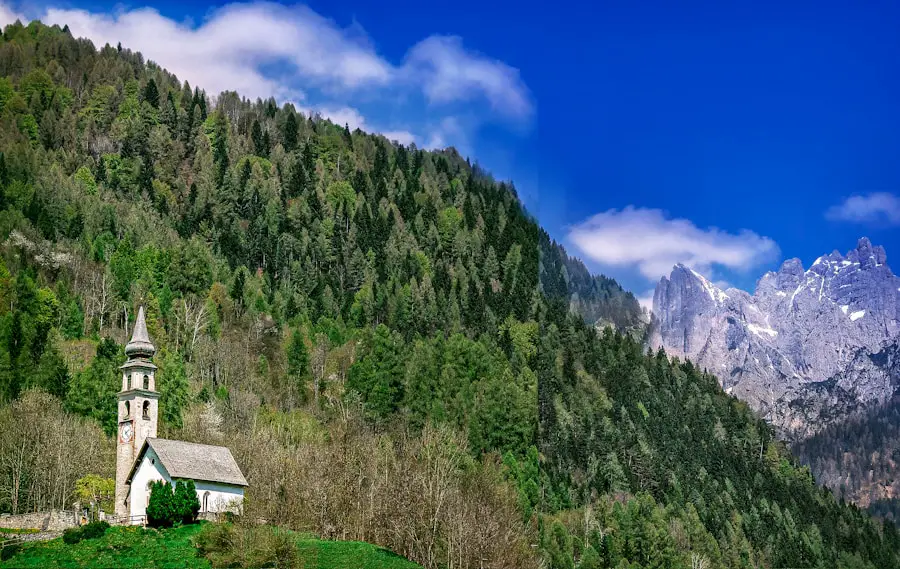
Warning: Triglav National Park does not allow camping, tenting, or overnight stays outside designated areas. Use an official campsite, mountain hut, or other approved accommodation rather than pitching a tent beside a trail, river, lake, or parking area.
Immersive Experience with Nature
Triglav National Park is Slovenia’s only national park and contains everything from forested valleys and rivers to exposed high-Alpine terrain. Official accommodation in and around the park includes mountain huts, campsites, private rooms, apartments, hotels, and guesthouses.
For hikers who want to sleep closer to nature, a registered campsite can be a practical compromise between a hotel and a hut. Campsite facilities vary, but many established sites provide toilets, showers, drinking water, and designated tent pitches.
Embracing Natural Beauty
Choose the campsite according to the trailhead rather than simply selecting the prettiest photograph. A site near Bohinj is useful for Bohinj and southern Triglav National Park routes, while accommodation around Bovec or the Soča Valley works better for western approaches.
Before booking, check how you will reach the start of the hike. A campsite that looks close on a map may still require a long drive, seasonal bus connection, or additional walk.
Fostering Community and Connection
Campsites often have a social atmosphere because hikers, cyclists, families, and road travelers share common facilities. Use communal areas respectfully, observe quiet hours, and follow the site’s rules on cooking, fires, waste, and food storage.
Do not assume that a campfire is allowed simply because you are staying at a campsite. Fire restrictions and campsite rules can change with location and weather.
Budget-Friendly Hostels and Guesthouses
Slovenia also has plenty of lower-cost hostels, pensions, farm stays, and guesthouses. These can be more comfortable than a mountain hut while costing less than a full-service resort.
Hostel Celica in Ljubljana is one of the country’s most distinctive hostels. The building served as a military prison for more than a century, and 20 former cells have been turned into artist-designed rooms.
Celica is an interesting city base, but it is not a trailhead accommodation. It makes the most sense if Ljubljana is part of your trip or you plan to use the capital as a transport hub.
For hiking-focused stays, a simple guesthouse in Bohinj, Kranjska Gora, Bovec, Mojstrana, Jezersko, or the Logar Valley usually cuts down travel time. A slightly more expensive room beside your trail can be better value than a cheaper bed that requires lengthy transfers each morning.
What to Look for in Hiker-Friendly Accommodation
A comfortable bed is only part of what makes accommodation useful to hikers. Before booking, check whether the property offers practical services that match your route.
- Trail access: Find out how far the property is from your planned trailhead and whether that distance is walkable.
- Early breakfast or packed food: Alpine hikers often need to start before normal hotel breakfast hours.
- Drying space: A place for wet boots, waterproofs, and clothing is valuable after a rainy day.
- Luggage storage or transfer: Useful for stage walks such as the Juliana Trail or trips that combine several bases.
- Local route information: Staff familiar with nearby trails can help with access and conditions, although official trail information should still be checked independently.
- Public transport: Bus or rail access can eliminate difficult parking at busy trailheads.
- Flexible booking terms: Mountain weather can force itinerary changes, so understand cancellation rules before committing to several remote nights.
Note: Slovenia also has specialist hiking accommodation designed around active travelers. When comparing properties, look for services such as hiking information, guided trips, packed meals, drying facilities, or baggage transfer rather than relying only on star rating.
When to Book Hiking Accommodation in Slovenia
Timing matters most for high-mountain huts. Many Slovenian mountain huts operate mainly during the warmer hiking season, and opening schedules vary by altitude, snow, weather, and staffing. Some lower huts operate for longer periods or on selected weekends.
For popular Alpine routes in July and August, reserve beds as early as practical. Do not build a multi-day itinerary around an assumed hut opening. Check each hut again shortly before your trip.
Hotels, guesthouses, and campsites around Bled, Bohinj, Kranjska Gora, and the Soča Valley can also become busy in summer. Booking ahead is especially useful when your trip depends on staying in one specific valley or reaching an early trailhead.
Spring and autumn can be quieter, but mountain conditions are less predictable. Snow can remain on high routes well after valleys turn green, while autumn cold or early snow can affect huts and exposed trails.
Mountain Safety and Trail Conditions
Your accommodation choice cannot make an unsuitable trail safe. Before leaving, match the route to your experience, fitness, equipment, and current conditions.
The Alpine Association of Slovenia maintains a current mountain-trail status service with warnings and closure information. Slovenia’s official mountain-safety guidance also recommends checking weather and route conditions, using suitable footwear and clothing, carrying a map or navigation tools, and telling someone your intended route.
Warning: High-Alpine routes in Slovenia can involve exposed terrain, cables, fixed protection, snowfields, falling-rock risk, or rapid weather changes. Do not treat a famous destination such as Triglav as a beginner walk simply because accommodation is available nearby.
For an emergency in Slovenia, including an accident requiring mountain rescue, call 112. Be ready to explain what happened, where you are, how many people are involved, and what assistance is needed.
Tips for Choosing the Right Accommodation for Your Hiking Adventure
Start with your intended routes, not the hotel. Mark your trailheads first and then look for accommodation that reduces transfers. For one-day hiking, a valley base such as Bohinj, Bovec, Kranjska Gora, or Jezersko can be convenient. For a multi-day high-mountain route, huts along the trail may be essential.
Next, match the accommodation type to the experience you want. A mountain hut gives you direct trail access and a communal atmosphere. A guesthouse provides more privacy at moderate cost. Glamping combines outdoor surroundings with extra comfort. A luxury hotel makes sense when spa facilities, restaurants, and private rooms are part of the holiday rather than just a place to sleep.
Consider transport as carefully as price. Parking can be limited around popular natural areas, while some valleys and attractions have seasonal transport. A hotel near a useful bus stop may save more time than a cheaper property that requires driving every day.
If sustainability matters, verify the certification. Slovenia Green provides a much stronger basis for comparison than a property simply describing itself as “eco.”
Finally, check recent guest reviews for practical details such as noise, breakfast timing, room condition, parking, Wi-Fi, and service, but rely on official park, hut, and trail sources for regulations and current hiking conditions.
If you are planning other travel after Slovenia, you may also be interested in the site’s seasonal guide to the best time to visit Chicago.
Frequently Asked Questions
What are the best regions in Slovenia for hiking?
The Julian Alps and Triglav National Park are the best-known high-mountain areas, with Bohinj, Kranjska Gora, Mojstrana, Bovec, and the Soča Valley serving as useful bases. The Kamnik-Savinja Alps around Logar Valley and Jezersko and the Karavanke range are also excellent hiking regions.
What are the best accommodations for hikers in Slovenia?
Mountain huts are best for multi-day Alpine routes. Guesthouses and hiking-oriented hotels work well for day hikes, while campsites and glamping suit travelers who want a nature-focused base. The best choice depends on your trailhead, transport, budget, and desired comfort.
Are there beginner-friendly hiking trails in Slovenia?
Yes. Easier options include walks around Lake Bled and a range of low-level routes around Bohinj. Vintgar Gorge is another popular developed walking route. Always check the exact route, distance, elevation gain, surface, weather, and current conditions because not every trail around Bled or Bohinj is beginner-friendly.
What should hikers consider when choosing accommodation in Slovenia?
Prioritize trail access, transport, breakfast timing, drying space for wet gear, luggage storage, packed-food options, route information, and cancellation rules. For multi-day trips, also confirm that every hut or overnight stop will actually be open on your dates.
Are there eco-friendly accommodations in Slovenia for hikers?
Yes. The Slovenia Green Scheme lists certified accommodation throughout the country. Alpine-area examples include Ribno Alpine Resort near Bled, Hotel Plesnik in Logar Valley, Šenkova domačija in Jezersko, and Bohinj ECO Hotel in Bohinjska Bistrica.
Do I need to reserve Slovenian mountain huts in advance?
Reservations are strongly recommended for popular huts during the main summer hiking season, particularly on weekends. Check each hut’s official listing for opening dates and booking information because schedules and availability vary.
Can you wild camp in Triglav National Park?
No. Triglav National Park states that camping, tenting, and overnight stays outside designated areas are not permitted. Use an official campsite, mountain hut, or other approved accommodation.
Sources
- Slovenian Tourist Board — Hiking and Mountaineering — marked trails, mountain huts, regions and hiking guidance.
- Alpine Association of Slovenia — Mountain Huts — official hut directory and accommodation information.
- Triglav National Park — Mountain Huts — hut numbers, facilities and responsible hut use within the park.
- Triglav National Park — Code of Conduct — official camping and overnight-stay restrictions.
- Slovenian Tourist Board — Slovenia Green Members — certified sustainable accommodation providers.
- Government of Slovenia — Emergency Call — official 112 emergency and mountain-rescue information.

